
High blood pressure, also known as hypertension, is one of the most common chronic health conditions worldwide. Despite its prevalence, many people do not realize they have it because hypertension often develops without noticeable symptoms. Over time, however, uncontrolled blood pressure can quietly damage the heart, blood vessels, kidneys, brain, and eyes. According to the World Health Organization, an estimated 1.28 billion adults worldwide live with hypertension and nearly half are unaware they have the condition, as outlined in the WHO hypertension fact sheet. Left untreated, high blood pressure significantly increases the risk of heart disease, stroke, kidney disease, and premature death.
The good news is that hypertension is often manageable. In many cases, evidence-based lifestyle changes can significantly lower blood pressure, improve cardiovascular health, and reduce the risk of serious complications. If you are new to this condition, you may first want to review our overview of hypertension and how it affects the body in our main guide on hypertension and cardiovascular health.
This guide explores scientifically supported ways to lower blood pressure, including dietary changes, physical activity, stress management, and medical treatments recommended by healthcare professionals.
What Is High Blood Pressure?
Blood pressure refers to the force of blood pushing against the walls of arteries as the heart pumps blood through the body.
It is measured using two numbers:
Systolic blood pressure
The pressure when the heart contracts and pushes blood into the arteries.
Diastolic blood pressure
The pressure when the heart relaxes between beats.
Blood pressure readings are measured in millimeters of mercury (mm Hg) and typically written as systolic over diastolic.
For example:
120/80 mm Hg
According to the Centers for Disease Control and Prevention, normal blood pressure for most adults is below 120/80 mm Hg, while readings above this range may indicate elevated blood pressure or hypertension, as described in CDC’s high blood pressure facts. To better understand these numbers and what they mean for your health, see our detailed guide on what blood pressure numbers mean.
Why Lowering Blood Pressure Is Important
High blood pressure places excess strain on blood vessels and vital organs. Over time, this constant pressure can damage arteries and reduce blood flow throughout the body. The CDC identifies hypertension as a major risk factor for several serious health conditions, including heart disease, stroke, kidney disease, heart failure, and vascular dementia in its overview of high blood pressure and complications.
High blood pressure is also commonly referred to as the “silent killer” because it often develops without symptoms until complications occur. If you’d like to learn more about this hidden risk, you can read our article on silent hypertension and its dangers.
By lowering blood pressure early and maintaining healthy levels, individuals can significantly reduce their risk of cardiovascular disease and other complications.
10 Evidence-Based Ways to Lower Blood Pressure
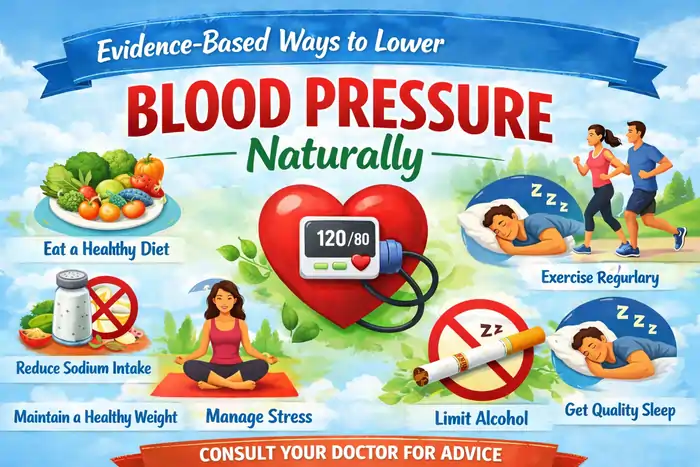
Research shows that several lifestyle interventions can effectively reduce blood pressure and improve heart health. The following strategies are supported by public health organizations such as the WHO, CDC, and American Heart Association.
1. Follow the DASH Diet
One of the most well-studied dietary approaches for lowering blood pressure is the DASH diet, which stands for Dietary Approaches to Stop Hypertension. Developed by researchers funded by the National Institutes of Health, the DASH diet emphasizes nutrient-rich foods that support cardiovascular health, as explained in the NHLBI DASH eating plan.
The DASH diet encourages:
- fruits and vegetables
- whole grains
- lean proteins
- low-fat dairy
- nuts and legumes
At the same time, it limits:
- saturated fats
- processed foods
- sugary beverages
- excess sodium
These foods provide important nutrients such as potassium, magnesium, and fiber, which help regulate blood pressure and support healthy blood vessels.
2. Reduce Sodium Intake
High sodium consumption is strongly associated with elevated blood pressure. Excess salt causes the body to retain fluid, which increases pressure inside blood vessels. The World Health Organization recommends limiting salt intake to less than 5 grams per day (about one teaspoon) in its hypertension fact sheet.
Many people consume far more than this amount because sodium is commonly found in:
- processed foods
- canned goods
- fast food
- packaged snacks
Reducing sodium intake can lead to measurable improvements in blood pressure, especially for individuals with hypertension.
3. Exercise Regularly
Physical activity is one of the most effective ways to support heart health and control blood pressure.
Exercise helps by:
- strengthening the heart muscle
- improving blood circulation
- reducing vascular resistance
According to the CDC, adults should aim for at least 150 minutes of moderate aerobic activity per week, a target outlined in its physical activity basics. Examples include:
- brisk walking
- cycling
- swimming
- dancing
- jogging
Even small increases in physical activity can help lower blood pressure and improve cardiovascular fitness.
4. Maintain a Healthy Weight
Excess body weight increases the workload on the heart and raises blood pressure. Research consistently shows that weight loss can significantly reduce hypertension risk. For many individuals, losing just 5–10% of body weight can improve blood pressure levels and overall cardiovascular health.
Healthy weight management strategies include:
- balanced nutrition
- regular exercise
- portion control
- sustainable lifestyle habits
5. Limit Alcohol Consumption
While moderate alcohol consumption may be acceptable for some adults, excessive drinking can increase blood pressure and damage the cardiovascular system. Health organizations generally recommend:
- Men: no more than two drinks per day
- Women: no more than one drink per day
Reducing alcohol intake can help stabilize blood pressure and lower cardiovascular risk.
6. Quit Smoking
Smoking is one of the most harmful habits for cardiovascular health. Nicotine causes blood vessels to constrict and increases heart rate, temporarily raising blood pressure. Over time, smoking contributes to:
- arterial damage
- atherosclerosis
- increased heart disease risk
Quitting smoking improves circulation and significantly reduces the risk of heart attack and stroke. Major organizations such as WHO and AHA consistently list smoking cessation as a core strategy in cardiovascular prevention guidelines.
7. Manage Stress
Chronic stress can contribute to high blood pressure through the release of stress hormones such as cortisol and adrenaline. These hormones activate the sympathetic nervous system, which increases heart rate and constricts blood vessels.
Healthy stress management techniques include:
- meditation
- deep breathing exercises
- yoga
- mindfulness practices
- spending time outdoors
Managing stress can support long-term cardiovascular health and improve overall well-being.
8. Improve Sleep Quality
Sleep plays an important role in regulating blood pressure and overall health. Poor sleep quality and sleep disorders such as sleep apnea are linked to increased hypertension risk in multiple NIH and sleep medicine resources.
Adults should aim for 7–9 hours of quality sleep per night. Improving sleep habits may include:
- maintaining a consistent sleep schedule
- limiting screen time before bed
- creating a relaxing sleep environment
9. Monitor Blood Pressure at Home
Regular monitoring helps detect changes in blood pressure and allows individuals to track progress over time. Home blood pressure monitors are widely available and can help patients:
- identify hypertension early
- evaluate lifestyle changes
- share accurate readings with healthcare providers
CDC and the American Heart Association both encourage home blood pressure monitoring as part of ongoing hypertension management, with practical instructions in CDC’s guidance on how to measure blood pressure at home.
Monitoring is particularly important for people with a family history of hypertension or cardiovascular disease.
10. Take Prescribed Medications When Needed
Lifestyle changes are often the first line of treatment, but some individuals may also require medication to control hypertension.
Doctors may prescribe medications such as:
- ACE inhibitors
- beta blockers
- calcium channel blockers
- diuretics
- angiotensin receptor blockers (ARBs)
Medication decisions depend on several factors including blood pressure level, cardiovascular risk, and underlying medical conditions, and are guided by clinical guidelines from bodies such as the American Heart Association and American College of Cardiology. Always follow the guidance of a healthcare professional when taking prescription medications.
Natural vs Medical Treatment for Hypertension
Many people with stage 1 hypertension can lower their blood pressure through lifestyle changes alone. However, individuals with:
- stage 2 hypertension
- cardiovascular disease
- diabetes
- kidney disease
may require a combination of lifestyle changes and medication. A healthcare provider can determine the most appropriate treatment plan based on individual health factors.
When to See a Doctor
High blood pressure should be evaluated by a healthcare professional if readings consistently exceed 130/80 mm Hg. Seek medical attention immediately if blood pressure reaches 180/120 mm Hg or higher, which may indicate a hypertensive crisis.
Symptoms requiring urgent care include:
- severe headache
- chest pain
- shortness of breath
- confusion
- vision problems
Early treatment can prevent serious complications.
Preventing High Blood Pressure Long-Term
Preventing hypertension requires consistent healthy habits.
Long-term strategies include:
- maintaining a balanced diet
- exercising regularly
- managing stress
- maintaining healthy weight
- avoiding tobacco
- limiting alcohol consumption
- attending regular health screenings
These lifestyle habits support both blood pressure control and overall cardiovascular health, and they align with prevention messages from WHO, CDC, NIH, and the American Heart Association.
Key Takeaways
High blood pressure is a common but serious condition that can lead to life-threatening complications if left untreated. Fortunately, many evidence-based strategies can help lower blood pressure and reduce cardiovascular risk. Healthy habits such as balanced nutrition, regular exercise, weight management, and stress reduction play a critical role in hypertension prevention and management.
By taking proactive steps and working with healthcare professionals, individuals can significantly improve their heart health and long-term well-being.
Frequently Asked Questions
What is the fastest way to lower blood pressure?
The fastest ways to support lower blood pressure include reducing sodium intake, practicing relaxation techniques such as deep breathing, staying hydrated, and following medical advice. Long-term blood pressure control typically requires consistent lifestyle changes.
Can blood pressure be lowered naturally?
Yes. Many individuals can lower blood pressure naturally through healthy lifestyle habits such as following the DASH diet, exercising regularly, reducing salt intake, managing stress, and maintaining a healthy weight.
What foods help lower blood pressure?
Foods that may help lower blood pressure include fruits, vegetables, whole grains, nuts, beans, and potassium-rich foods such as bananas, spinach, and avocados.
How much exercise lowers blood pressure?
The CDC recommends at least 150 minutes of moderate physical activity per week to help reduce blood pressure and improve cardiovascular health, consistent with global physical activity guidelines.
When should I see a doctor for high blood pressure?
You should consult a healthcare professional if your blood pressure consistently measures 130/80 mm Hg or higher, or if you experience symptoms such as chest pain, severe headache, or shortness of breath.
Medical Disclaimer
This article is intended for educational purposes only and should not replace professional medical advice, diagnosis, or treatment. Always consult a qualified healthcare professional for personalized medical guidance regarding hypertension or other health conditions.
Written by: Eden Grace Ramos, RN
Medical Resources
This article references information from trusted health authorities to ensure accuracy and alignment with current clinical guidelines. Sources include the World Health Organization (WHO), Centers for Disease Control and Prevention (CDC), National Institutes of Health (NIH), and American Heart Association (AHA).