
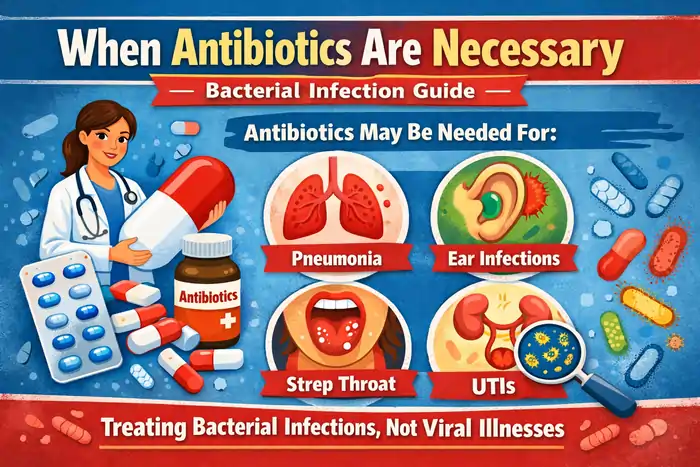
Antibiotics are essential medicines that have transformed modern healthcare. Since their discovery in the early twentieth century, antibiotics have helped treat infections that were once life-threatening. However, antibiotics are not needed for every illness, and their misuse can contribute to serious public health problems such as antibiotic resistance.
Many people assume antibiotics are necessary whenever they feel sick, especially when experiencing symptoms like sore throat, cough, or fever. In reality, antibiotics only treat bacterial infections, not viral illnesses. Taking antibiotics when they are not needed can expose patients to unnecessary side effects and contribute to the development of drug-resistant bacteria.
According to the Centers for Disease Control and Prevention (CDC), millions of antibiotic prescriptions are written each year in situations where they may not be necessary, highlighted in the CDC’s guidance on antibiotic use and stewardship. The CDC provides guidance on appropriate antibiotic use through its antibiotic stewardship programs, which aim to ensure antibiotics are prescribed only when truly needed.
Understanding when antibiotics are necessary—and when they are not—is essential for protecting individual health and preserving the effectiveness of these medications for future generations. If you would like a broader overview of antibiotics and their responsible use, you can read our pillar article on antibiotics and how they should be used responsibly.
What Are Antibiotics and What Do They Treat?
Antibiotics are medications designed to treat bacterial infections by killing bacteria or preventing them from multiplying. They work by targeting structures or processes that bacteria rely on to survive, such as cell wall production or protein synthesis. The first antibiotic, penicillin, was discovered by Alexander Fleming in 1928 and revolutionized the treatment of infectious diseases. Today, many antibiotics are available to treat different types of bacterial infections.
Common antibiotics include:
- penicillin
- amoxicillin
- azithromycin
- doxycycline
- ciprofloxacin
- cephalexin
These medications belong to different antibiotic classes, each designed to fight specific types of bacteria. According to the National Institutes of Health, antibiotics are crucial in treating bacterial infections and preventing complications from diseases such as pneumonia and bacterial meningitis, as discussed in NIH’s infectious disease resources on bacteria and antibiotic treatment.
However, antibiotics should only be used when there is clear evidence of bacterial infection.
The Difference Between Bacterial and Viral Infections
One of the most important factors in determining whether antibiotics are necessary is identifying whether an infection is bacterial or viral.
- Bacterial infections are caused by bacteria, which are single-celled microorganisms capable of reproducing independently.
- Viral infections are caused by viruses, which require human cells to reproduce.
Because antibiotics target bacteria, they do not work against viruses.
Examples of bacterial infections that may require antibiotics include:
- bacterial pneumonia
- urinary tract infections
- strep throat
- bacterial skin infections
- bacterial meningitis
Examples of viral illnesses that do not require antibiotics include:
- common cold
- influenza
- COVID-19
- viral bronchitis
- most sore throats
The World Health Organization emphasizes that unnecessary antibiotic use contributes to antimicrobial resistance and should be avoided whenever possible, a key message in its antimicrobial resistance fact sheet.
Common Infections That Require Antibiotics
Healthcare providers may prescribe antibiotics when an infection is clearly caused by bacteria and the body’s immune system alone may not be sufficient to eliminate the infection.
Bacterial Pneumonia
Pneumonia occurs when bacteria infect the lungs, causing inflammation and difficulty breathing. Symptoms may include:
- fever
- chest pain
- cough with mucus
- shortness of breath
Bacterial pneumonia often requires antibiotics to prevent complications.
Urinary Tract Infections (UTIs)
Urinary tract infections are among the most common bacterial infections, especially in women. Symptoms may include:
- painful urination
- frequent urge to urinate
- lower abdominal pain
- cloudy or strong-smelling urine
Antibiotics are usually required to eliminate the bacteria causing the infection.
Strep Throat
Strep throat is a bacterial infection caused by Streptococcus pyogenes. Unlike many viral sore throats, strep throat typically requires antibiotics to prevent complications such as rheumatic fever. The CDC provides clinical guidance on diagnosing and treating strep throat in its resources on group A strep infections.
Bacterial Skin Infections
Skin infections caused by bacteria, such as cellulitis or impetigo, may require antibiotics to prevent the infection from spreading or worsening.
Bacterial Meningitis
Bacterial meningitis is a serious infection of the protective membranes surrounding the brain and spinal cord. This condition requires immediate antibiotic treatment in a hospital setting.
When Antibiotics Are Not Necessary
Many common illnesses are caused by viruses and do not benefit from antibiotic treatment. Examples include:
- common cold
- seasonal flu
- viral sinus infections
- viral bronchitis
- most coughs
The CDC explains that antibiotics do not help patients recover from viral infections and may expose individuals to unnecessary side effects, a point reinforced in its overview of when antibiotics are and aren’t needed. When antibiotics are used unnecessarily, bacteria can develop resistance, making infections harder to treat in the future.
Why Doctors Sometimes Do Not Prescribe Antibiotics
Patients often expect antibiotics when visiting a doctor for an illness. However, healthcare providers must carefully determine whether antibiotics are appropriate. Doctors may avoid prescribing antibiotics when:
- symptoms suggest a viral infection
- the illness is mild and likely to resolve on its own
- laboratory tests do not indicate bacterial infection
This cautious approach helps prevent antibiotic resistance, a growing global health concern. You can learn more about this issue in our guide on antibiotic resistance explained.
Risks of Taking Antibiotics When Not Needed
Taking antibiotics unnecessarily can lead to several problems.
Antibiotic Resistance
Repeated or unnecessary antibiotic use allows bacteria to adapt and become resistant. Drug-resistant bacteria can spread within communities and healthcare settings. The WHO and CDC both highlight this trend as a major threat to modern medicine in their antimicrobial resistance and drug-resistance summaries.WHO AMR fact sheet
Side Effects
Antibiotics can cause side effects, including:
- nausea
- diarrhea
- allergic reactions
- stomach upset
Some antibiotics may also disrupt the balance of healthy bacteria in the gut. You can learn more about these risks in our article on side effects of antibiotics.
Increased Healthcare Costs
Drug-resistant infections often require longer treatments, additional medications, and hospitalization. According to the CDC, antibiotic-resistant infections result in billions of dollars in healthcare costs each year, as outlined in its antibiotic resistance threats and cost impact.
How Doctors Determine If Antibiotics Are Needed
Healthcare providers evaluate several factors before prescribing antibiotics. These include:
- patient symptoms
- medical history
- physical examination
- diagnostic tests
- laboratory results
Common tests may include:
- throat swabs
- urine tests
- blood tests
- imaging studies
This process helps determine whether the infection is bacterial or viral and whether antibiotics are likely to help.
Responsible Antibiotic Use
Responsible antibiotic use helps ensure these medications remain effective. Healthcare experts recommend the following practices:
- take antibiotics only when prescribed
- follow dosage instructions carefully
- complete the full course of treatment
- avoid sharing medications
- never use leftover antibiotics
The U.S. Food and Drug Administration provides additional guidance on antibiotic safety and responsible use in its consumer information on antibiotics and their risks.
Preventing Infections That May Require Antibiotics
Preventing infections can reduce the need for antibiotics. Effective prevention strategies include:
- vaccination
- hand hygiene
- safe food preparation
- infection control in healthcare settings
Vaccines help prevent many bacterial infections, reducing the need for antibiotic treatment and are emphasized in WHO and CDC prevention strategies for infectious diseases.
When to Seek Medical Care
You should consult a healthcare professional if you experience symptoms such as:
- persistent fever
- severe sore throat
- painful urination
- difficulty breathing
- worsening symptoms after several days
Medical evaluation helps determine whether antibiotics are necessary and ensures appropriate treatment.
Key Takeaways | When Antibiotics Are Necessary
Antibiotics are powerful medications used to treat bacterial infections. However, they are not effective against viral illnesses and should only be used when medically necessary. Responsible antibiotic use helps reduce the risk of antibiotic resistance, protects patients from unnecessary side effects, and preserves the effectiveness of antibiotics for future generations. By understanding when antibiotics are necessary and following healthcare guidance, patients can play an important role in protecting public health.
Medical Disclaimer
This article is intended for educational purposes only and should not replace professional medical advice, diagnosis, or treatment. Always consult a qualified healthcare professional for personalized medical guidance regarding infections, antibiotics, or other health concerns.
Written by: Eden Grace Ramos, RN
Content is based on current clinical guidelines and peer-reviewed research.
Medical Resources
This article references guidance and research from trusted health authorities to ensure accurate and evidence-based information. Key resources include the World Health Organization’s antimicrobial resistance fact sheet, the CDC’s antibiotic use and stewardship resources, research materials from the National Institutes of Health, and safety guidance from the FDA’s antibiotic education page. These organizations provide evidence-based recommendations widely used by healthcare professionals worldwide.