
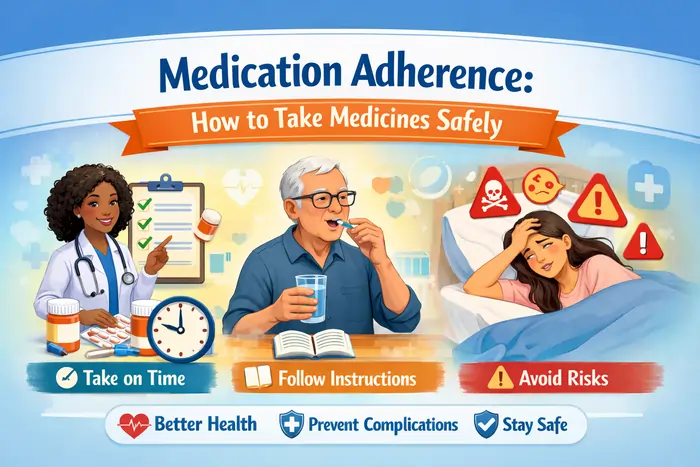
Medications are one of the most powerful tools in modern healthcare. From antibiotics that treat infections to medications that control blood pressure, diabetes, asthma, and heart disease, medicines help millions of people prevent complications, reduce symptoms, and improve quality of life. However, medications only work effectively when they are taken correctly and consistently.
This concept is known as medication adherence, which refers to how closely a patient follows the treatment instructions prescribed by a healthcare provider. When medications are taken as directed—at the right dose, at the right time, and for the recommended duration—treatment outcomes are significantly improved, as highlighted in CDC Grand Rounds on medication adherence at CDC MMWR.
Unfortunately, medication adherence remains a major challenge in healthcare systems worldwide. According to the World Health Organization (WHO), adherence to long-term therapy for chronic illnesses averages only about 50% globally, a figure discussed in WHO-linked reviews such as “Medication non-adherence: reflecting on two decades since WHO” at PMC, meaning many patients do not take medications as prescribed. Poor medication adherence can lead to treatment failure, disease progression, preventable hospitalizations, and increased healthcare costs.
If you want to understand the broader principles of medication safety, you can read our comprehensive guide on Safe Medication Use: A Patient’s Guide available on MedEduHub at Safe Medication Use.
This article explains why medication adherence is important, common reasons patients miss doses, strategies to improve medication safety, and how healthcare professionals support patients in managing medications effectively.
What Is Medication Adherence?
Medication adherence refers to taking medications exactly as prescribed by a healthcare provider. This includes following the correct dosage, timing, frequency, duration of treatment, and medication instructions.
Adherence applies to both short-term treatments, such as antibiotics, and long-term therapies, such as medications for hypertension, diabetes, depression, or cardiovascular disease. Healthcare providers often use the terms medication adherence and medication compliance interchangeably. However, modern healthcare increasingly prefers the term “adherence” because it emphasizes a collaborative partnership between patients and healthcare providers rather than passive obedience.
Medication adherence involves several behaviors, including filling prescriptions on time, taking medications consistently, following dosage instructions, completing full treatment courses, and attending follow-up appointments. The Centers for Disease Control and Prevention (CDC) emphasizes that proper medication adherence is critical for managing chronic diseases and preventing complications such as heart attack, stroke, and uncontrolled diabetes, as outlined in its best practices for medication adherence at CDC Best Practices.
Why Medication Adherence Is Important
Taking medications correctly helps ensure that treatments achieve their intended therapeutic effects. When medications are taken inconsistently or discontinued early, treatment outcomes may be compromised.
Poor medication adherence can lead to worsening disease symptoms, reduced treatment effectiveness, increased risk of complications, medication resistance (such as antibiotic resistance), and increased hospitalizations. According to research supported by the National Institutes of Health (NIH), medication nonadherence contributes significantly to preventable healthcare problems, including treatment failure and avoidable hospital admissions, as summarized in “Improving Medication Adherence for Chronic Disease Management” at PubMed. For example, patients with hypertension who skip medications may experience uncontrolled blood pressure; diabetes patients who miss insulin doses may develop dangerous blood sugar fluctuations; and incomplete antibiotic courses can contribute to bacterial resistance.
Medication adherence is therefore a key component of patient safety and disease management.
Common Reasons Patients Miss Medications
Medication nonadherence occurs for many reasons. Understanding these factors helps healthcare providers design better strategies to support patients.
Forgetting Medication Schedules
One of the most common reasons patients miss doses is simply forgetting to take medications. Busy schedules, travel, and changes in routine can disrupt medication habits, a pattern frequently described in CDC adherence guidance at CDC MMWR.
Complex Medication Regimens
Some patients take multiple medications with different dosing schedules. Complex treatment regimens can increase the risk of missed doses, and evidence reviewed in CDC Grand Rounds on adherence at CDC MMWR shows that regimen complexity is a consistent barrier.
Side Effects
Some medications may cause side effects such as nausea, dizziness, fatigue, headaches, or gastrointestinal discomfort. Patients experiencing unpleasant side effects may stop medications without consulting healthcare providers, which NIH-supported adherence studies at PMC identify as a common cause of nonadherence.
Cost of Medications
Medication cost can affect adherence. Patients may skip doses or delay refills if medications are expensive. Generic medications often help improve adherence because they are more affordable, a point reinforced in FDA discussions of cost savings from generics at FDA Generic Drugs. To learn more, read our guide on Generic vs Brand-Name Drugs at Generic vs Brand-Name.
Misunderstanding Instructions
Some patients may misunderstand prescription instructions, especially when labels contain abbreviations or complex wording. If you want to better understand medication instructions, read our guide on How to Read a Prescription Label at How to Read a Prescription Label. Clear communication between patients and healthcare providers is essential for improving medication adherence, a theme highlighted in WHO and NIH work on health literacy, including reviews at PMC.
Medication Safety and Adherence
Medication adherence is closely connected to medication safety. When patients take medications inconsistently, they may increase the risk of adverse events, drug interactions, or treatment complications.
Medication safety practices include verifying medication names, reading prescription labels carefully, following dosage instructions, avoiding duplicate medications, and consulting pharmacists about drug interactions. The U.S. Food and Drug Administration (FDA) emphasizes that medication safety education and clear labeling are essential for preventing medication errors, as discussed in its Patient Medication Information (PMI) initiative at FDA PMI. Medication safety also includes monitoring for adverse drug reactions and reporting unexpected side effects to healthcare providers.
Risks of Poor Medication Adherence
Failure to take medications correctly can have serious health consequences. Examples of risks associated with poor medication adherence include disease progression when medications are skipped or stopped early; increased hospitalizations, which CDC Grand Rounds link to nonadherence in chronic disease at CDC MMWR; medication resistance when antibiotic courses are incomplete; and increased healthcare costs due to more frequent doctor visits, hospital stays, and complications.
Healthcare providers therefore emphasize patient education as a key component of medication safety.
Strategies to Improve Medication Adherence
Healthcare professionals recommend several strategies to help patients maintain consistent medication use.
Medication reminders, such as smartphone alerts, medication apps, and alarm systems, can help patients remember their schedules, and these tools are mentioned as promising interventions in adherence overviews at PubMed. Weekly pill organizers help patients track daily doses and prevent missed medications. Healthcare providers may simplify treatment plans by prescribing medications that require fewer daily doses. Pharmacists and clinicians can provide medication counseling to explain instructions, side effects, and treatment goals. Educating patients about their conditions and medications improves treatment adherence and encourages active participation in healthcare decisions.
WHO patient safety programs, including the global Medication Without Harm challenge described at WHO Medication Without Harm, highlight patient education and empowerment as key strategies for improving medication adherence worldwide.
The Role of Healthcare Providers
Healthcare providers play an essential role in supporting medication adherence. Doctors, nurses, and pharmacists help patients by explaining medication instructions clearly, discussing potential side effects, monitoring treatment outcomes, adjusting medications when necessary, and answering patient questions.
Pharmacists are particularly valuable medication experts who can provide guidance on drug interactions, medication storage, dosage instructions, and medication substitutions. Collaborative healthcare teams improve medication safety and treatment success, a strategy supported by evidence in CDC Grand Rounds on improving adherence at CDC MMWR.
Medication Adherence and Chronic Disease Management
Medication adherence is particularly important for managing chronic diseases such as hypertension, diabetes, asthma, cardiovascular disease, depression, and arthritis. Many chronic conditions require long-term medication therapy to control symptoms and prevent complications.
For example, blood pressure medications reduce stroke risk, diabetes medications help regulate blood sugar levels, and cholesterol medications reduce cardiovascular risk—relationships highlighted in chronic disease adherence research at PubMed. Consistent medication use helps maintain disease control and improve long-term health outcomes.
The Importance of Communication
Open communication between patients and healthcare providers improves medication adherence. Patients should feel comfortable discussing medication concerns, side effects, financial barriers, and difficulty remembering doses.
Healthcare providers can then adjust treatment plans to better fit patient needs. The NIH emphasizes that patient-centered communication improves treatment outcomes and medication adherence in its health behavior and communication research, including analyses summarized at PMC.
Technology and Medication Adherence
Technological innovations are helping improve medication adherence. Examples include smart pill bottles, medication reminder apps, automated refill programs, and digital health monitoring tools.
These technologies help patients maintain consistent medication routines and track adherence, and they are frequently cited as promising tools in CDC discussions of adherence-enhancing interventions at CDC MMWR. Healthcare systems are increasingly integrating digital health tools into chronic disease management programs.
Global Efforts to Improve Medication Adherence
Medication adherence has become a global public health priority. International organizations such as the World Health Organization and national health agencies are working to improve medication safety through patient education programs, medication labeling improvements, healthcare provider training, digital adherence tools, and medication safety campaigns.
The WHO’s Medication Without Harm initiative, described in its policy and challenge materials at WHO Medication Without Harm, aims to reduce severe medication-related harm worldwide, and improving medication adherence is a key part of achieving this goal.
Key Takeaways | Medication Adherence and Safety
Medication adherence refers to taking medications exactly as prescribed by healthcare providers. Consistent medication use helps ensure treatments work effectively, prevents disease complications, and improves overall health outcomes. Poor medication adherence can lead to treatment failure, worsening disease, and increased healthcare costs. Common causes of missed medications include forgetfulness, medication side effects, complex dosing schedules, and financial barriers, all of which are highlighted across CDC and NIH adherence resources at CDC MMWR and PubMed.
Patients can improve medication adherence by using reminders, organizing medications, communicating with healthcare providers, and understanding prescription instructions. Healthcare providers, pharmacists, and patients must work together to promote medication safety and ensure that treatments deliver their intended benefits.
Medical Disclaimer
This article is intended for educational purposes only and should not replace professional medical advice, diagnosis, or treatment. Always consult a qualified healthcare professional for personalized medical guidance regarding medications, prescriptions, or treatment decisions.
Written by: Eden Grace Ramos, RN
Medical Resources
This article references evidence-based guidance from trusted health organizations to ensure clinical accuracy and reliability. Key sources include the World Health Organization’s medication safety and Medication Without Harm initiatives at WHO Medication Without Harm, public health guidance from the Centers for Disease Control and Prevention on medication adherence and chronic disease management at CDC MMWR, regulatory recommendations from the U.S. Food and Drug Administration on safe medication use and patient information at FDA PMI, and biomedical research supported by the National Institutes of Health on medication adherence and pharmacology summarized at PubMed and PMC. These organizations publish widely used clinical guidelines and research findings that guide safe medication practices in healthcare systems worldwide.