
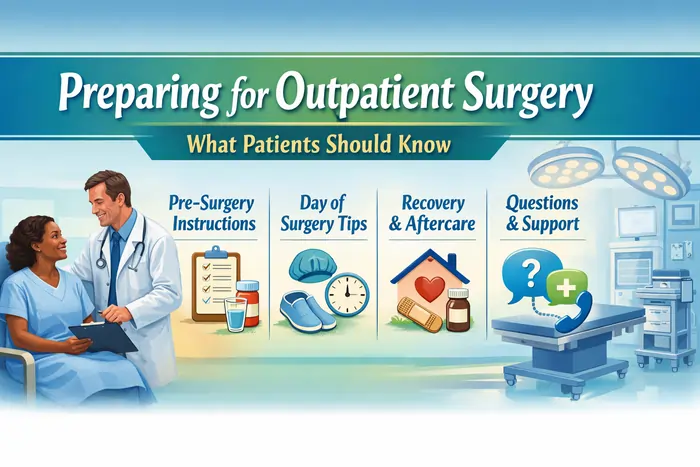
Outpatient surgery has become one of the most common ways patients receive medical treatment today. Advances in surgical technology, anesthesia techniques, and minimally invasive procedures allow many medical interventions to be performed safely without requiring an overnight hospital stay, a shift described in reviews of minimally invasive surgery at Cleveland Clinic. These procedures are often completed in hospitals, ambulatory surgical centers, or specialized outpatient clinics, allowing patients to return home the same day.
Common outpatient procedures include endoscopy, colonoscopy, cataract surgery, biopsy procedures, dermatologic surgery, orthopedic injections, and many minor surgical treatments. Because these procedures are less invasive and recovery times are typically shorter, outpatient surgery is often considered more convenient for both patients and healthcare systems.
However, successful outcomes depend heavily on proper preparation before the procedure. Patients who understand how to prepare for outpatient surgery—including fasting instructions, medication adjustments, transportation planning, and recovery preparation—can significantly reduce the risk of complications and improve their recovery experience. According to the Centers for Disease Control and Prevention (CDC), proper patient preparation and infection prevention practices are essential for reducing complications during medical procedures and surgeries, as emphasized in CDC’s patient safety tips for safer care at CDC Patient Safety. CDC healthcare safety resources note that careful preparation, sterile techniques, and patient education are key components of safe surgical care.
If you want to understand the broader role of medical procedures in healthcare, you can read our pillar guide on Common Medical Procedures: What Patients Should Expect on MedEduHub.
This guide explains how to prepare for outpatient surgery, what happens before and after the procedure, and how patients can support a safe recovery.
What Is Outpatient Surgery?
Outpatient surgery—sometimes called ambulatory surgery or same-day surgery—is a medical procedure performed without requiring an overnight hospital stay. Patients typically arrive at the healthcare facility on the day of the procedure and return home a few hours afterward once recovery monitoring is complete.
These procedures are usually performed in hospital outpatient departments, ambulatory surgical centers, specialty clinics, or physician offices. Advances in minimally invasive surgery and improved anesthesia techniques have made outpatient procedures safer and more efficient, allowing many treatments that once required hospitalization to be done as day surgery with faster recovery times, a trend described in minimally invasive surgery outcome reviews at PMC.
Research supported by the National Institutes of Health (NIH) highlights that minimally invasive surgical techniques have significantly reduced surgical trauma, shortened hospital stays, and improved patient outcomes, consistent with NIH’s broader summaries of surgical innovation at NIH Health Information. These advances in medical technology continue to expand the range of procedures that can safely be performed in outpatient settings.
Common Types of Outpatient Surgical Procedures
Many medical procedures can be safely performed as outpatient surgeries.
Diagnostic procedures include colonoscopy screening, upper endoscopy, biopsy procedures, diagnostic laparoscopy, and imaging-guided procedures. Therapeutic procedures include cataract surgery, minor orthopedic surgery, dermatologic surgery, removal of cysts or skin lesions, and arthroscopy, many of which are now routinely done using minimally invasive approaches described at Cleveland Clinic. Preventive procedures include cancer screening procedures, cardiovascular diagnostic testing, and minimally invasive treatment procedures.
Organizations such as the American Heart Association (AHA) emphasize the importance of early detection and treatment of cardiovascular conditions through screening procedures and diagnostic testing, as outlined in its heart-health screenings guidance at AHA Heart-Health Screenings. These preventive procedures help detect heart disease risk factors before serious complications develop.
Why Preparing for Outpatient Surgery Is Important
Preparation is one of the most important factors influencing the success of outpatient surgery. Proper preparation helps healthcare providers perform procedures safely while minimizing potential risks such as infection, bleeding, anesthesia complications, or delayed recovery.
Patients who follow preparation instructions carefully may experience fewer surgical complications, shorter recovery times, reduced infection risk, improved surgical outcomes, and smoother anesthesia recovery. Healthcare organizations such as the World Health Organization (WHO) emphasize patient preparation as a critical component of surgical safety; WHO’s safe surgery programme and Surgical Safety Checklist at WHO Safe Surgery promotes standardized safety practices that reduce surgical complications and improve healthcare quality worldwide.
Pre-Surgery Medical Evaluation
Before outpatient surgery, patients typically undergo a preoperative medical evaluation. This evaluation helps healthcare providers determine whether the procedure is safe based on the patient’s medical history and current health condition.
Pre-surgical evaluations may include reviewing medical history, reviewing medications and supplements, laboratory testing, imaging tests, physical examination, and anesthesia assessment. Healthcare providers evaluate risk factors such as heart disease, diabetes, respiratory conditions, allergies, or previous surgical complications. This process helps ensure the procedure can be performed safely and reflects standard preoperative assessment principles discussed in surgical safety literature at ScienceDirect.
Fasting Instructions Before Surgery
One of the most common instructions before outpatient surgery is fasting, also known as preoperative fasting. Patients are often asked to avoid eating or drinking for a certain period before surgery—usually between 6 and 12 hours depending on the procedure and type of anesthesia.
Fasting helps reduce the risk of complications during anesthesia, particularly aspiration, which occurs when stomach contents enter the lungs. Patients should carefully follow fasting instructions provided by their healthcare provider, which may include avoiding food after midnight, avoiding certain clear liquids, avoiding alcohol, and avoiding chewing gum or candy. Professional anesthesia societies and perioperative guidelines referenced in NIH and specialty resources stress that proper fasting protocols are essential for anesthesia safety.
Managing Medications Before Outpatient Surgery
Patients should always discuss medications with their healthcare provider before surgery. Some medications may need to be temporarily stopped or adjusted before the procedure, including blood thinners, anti-inflammatory medications, diabetes medications, herbal supplements, and certain vitamins.
For example, blood-thinning medications may increase the risk of bleeding during surgery. Patients should never stop medications without medical guidance; healthcare providers will provide individualized instructions based on the patient’s health condition, consistent with safe medication use principles described in CDC and FDA guidance on perioperative medication management.
If you want to understand medication safety practices more broadly, you can read our guide on Safe Medication Use: A Patient’s Guide on MedEduHub.
Understanding Informed Consent
Before surgery, patients will be asked to sign an informed consent form. Informed consent ensures patients understand the purpose of the surgery, potential risks and complications, benefits of the procedure, alternative treatment options, and the expected recovery process.
Patients should feel comfortable asking questions before agreeing to surgery. You can learn more about this process in our guide on Informed Consent in Medical Procedures on MedEduHub. Informed consent is an important ethical and legal requirement in healthcare and supports patient autonomy in medical decision-making, reflecting principles embedded in clinical practice frameworks summarized by NIH at NCCIH Clinical Practice Guidelines.
Planning Transportation After Surgery
Because many outpatient procedures involve sedation or anesthesia, patients typically cannot drive themselves home after surgery. Healthcare providers usually require patients to arrange transportation in advance.
Patients should plan for a responsible adult to drive them home, someone to stay with them for several hours, and assistance with medications or mobility if needed. Planning transportation in advance helps ensure patient safety after the procedure and aligns with common discharge safety recommendations in outpatient care infection-control and patient-safety guidance.
Preparing Your Home for Recovery
Recovery planning is an important step before outpatient surgery. Patients should prepare their home environment to support healing.
Helpful preparations may include preparing comfortable resting areas, stocking easy-to-prepare meals, arranging medications in advance, placing frequently used items within reach, and planning time away from work or physical activity. You can learn more about recovery expectations in our guide on Recovery After Minor Procedures on MedEduHub. These practical steps mirror general recovery advice seen in hospital and NIH educational materials on post-surgical care.
What Happens on the Day of Surgery
On the day of the procedure, patients typically arrive at the healthcare facility several hours before the scheduled surgery time. The pre-procedure process usually includes patient registration, reviewing medical history, confirming fasting instructions, inserting intravenous lines, meeting the surgical team, and meeting the anesthesia provider.
Healthcare providers will monitor vital signs including heart rate, blood pressure, and oxygen levels. These monitoring practices align with CDC standard precautions and infection prevention basics at CDC Standard Precautions, which help maintain patient safety during medical procedures.
Types of Anesthesia Used in Outpatient Surgery
Different types of anesthesia may be used depending on the procedure. Common types include:
- Local anesthesia, which numbs a small area of the body.
- Regional anesthesia, which blocks pain in a larger area, such as an arm or leg.
- Sedation, which helps patients relax or sleep during the procedure.
- General anesthesia, used for more complex surgeries where patients are fully unconscious.
Anesthesia providers carefully monitor patients throughout the procedure to ensure safety, following standards similar to those referenced in CDC and WHO perioperative safety recommendations.
Post-Procedure Monitoring
After surgery, patients are transferred to a recovery area where healthcare providers monitor them until anesthesia effects wear off. Recovery monitoring may include checking vital signs, monitoring oxygen levels, assessing pain levels, and monitoring for bleeding or complications.
Patients may remain in recovery for one to several hours depending on the procedure. Once stable, patients are discharged with post-surgery instructions that incorporate infection-prevention and self-care tips similar to those highlighted in CDC’s tips for being a safe patient at CDC Patient Safety.
Recovery After Outpatient Surgery
Recovery times vary depending on the procedure. Most patients recover quickly from outpatient procedures, but some symptoms may occur temporarily.
Common recovery symptoms include mild pain, swelling, fatigue, nausea from anesthesia, and temporary dizziness. Patients should carefully follow post-surgery instructions provided by their healthcare team.
These instructions may include taking medications as prescribed, keeping surgical sites clean, avoiding strenuous activity, and attending follow-up appointments. Following these instructions helps prevent complications and is consistent with safe recovery advice in NIH and hospital educational materials.
Warning Signs After Surgery
Although most outpatient surgeries are safe, patients should contact their healthcare provider if they experience fever, severe pain, excessive bleeding, difficulty breathing, unusual swelling, or signs of infection. Prompt medical attention helps prevent complications and aligns with CDC guidance on recognizing early signs of healthcare-associated infections at CDC Patient Safety.
Advances in Outpatient Surgery
Modern medical technology continues to improve the safety and efficiency of outpatient surgery. Innovations include robotic-assisted surgery, minimally invasive procedures, image-guided surgical techniques, enhanced anesthesia monitoring, and improved surgical instruments.
These advances allow more procedures to be performed safely in outpatient settings. The National Institutes of Health (NIH) supports research on surgical technologies and minimally invasive treatments that improve patient outcomes and recovery times, as highlighted in NIH discussions of surgical and technological innovation at NIH Health Information and in reviews of minimally invasive surgery at PMC.
Reducing Anxiety Before Surgery
Feeling nervous before surgery is normal. Patients can reduce anxiety by asking healthcare providers questions, understanding the procedure, discussing concerns with doctors, practicing relaxation techniques, and bringing a support person.
Patient education is one of the most effective ways to reduce anxiety before surgery, and healthcare organizations including the World Health Organization encourage patient education as part of patient safety initiatives, as noted in WHO’s patient safety fact sheet at WHO Patient Safety.
Key Takeaways | Preparing for Outpatient Surgery
Outpatient surgery allows patients to receive many medical treatments without staying overnight in the hospital. Advances in minimally invasive procedures and anesthesia techniques have made same-day surgery safer and more convenient than ever. Successful outpatient surgery depends on careful preparation: patients should follow fasting instructions, review medications with their healthcare provider, arrange transportation, and prepare their home for recovery.
Understanding what to expect before, during, and after outpatient surgery can reduce anxiety and help patients participate actively in their healthcare decisions. When patients follow medical instructions carefully and communicate with their healthcare providers, they can support safer procedures and smoother recoveries, in line with safety principles promoted by WHO and CDC patient safety programs.
Medical Disclaimer
This article is intended for educational purposes only and should not replace professional medical advice, diagnosis, or treatment. Always consult a qualified healthcare professional for personalized medical guidance regarding surgery preparation, treatment options, or health conditions.
Written by: Eden Grace Ramos, RN
Medical Resources
This article references evidence-based guidance from trusted medical organizations to ensure clinical accuracy. Key sources include the World Health Organization patient safety and safe surgery programmes at WHO Safe Surgery and WHO Patient Safety, the Centers for Disease Control and Prevention patient safety and infection prevention guidance at CDC Patient Safety and CDC Standard Precautions, cardiovascular screening recommendations from the American Heart Association at AHA Heart-Health Screenings, and biomedical research supported by the National Institutes of Health on minimally invasive surgery and surgical innovation at NIH Health Information and PMC. These organizations publish widely used clinical guidelines and research findings that help healthcare professionals deliver safe and effective medical care worldwide.