
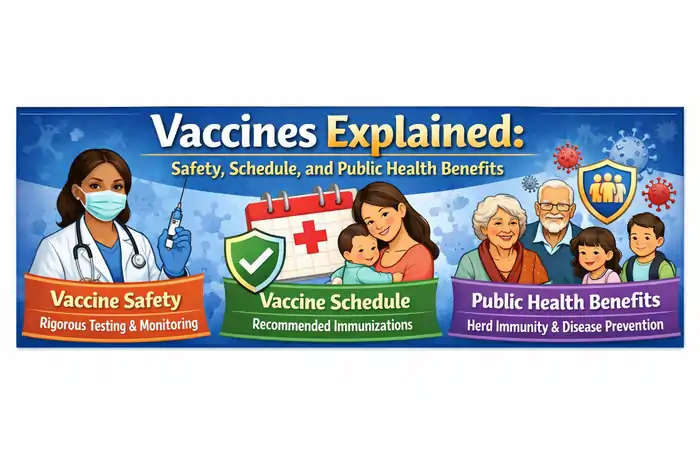
Vaccines are one of the most effective public health tools ever developed. Through global immunization programs, vaccines have prevented millions of deaths and dramatically reduced the spread of infectious diseases worldwide. The World Health Organization’s global vaccines and immunization overview describes immunization as a “global health success story,” noting that vaccines currently prevent an estimated 3.5–5 million deaths each year from diseases like diphtheria, tetanus, pertussis, influenza, and measles on WHO. Diseases that once caused widespread illness—such as smallpox, polio, measles, and diphtheria—have been significantly controlled or eliminated in many regions because of sustained vaccination efforts coordinated by WHO, UNICEF, and national health systems.
Vaccines work by preparing the immune system to recognize and fight harmful pathogens such as viruses and bacteria. Instead of causing disease, vaccines expose the body to a safe version of a pathogen—often a weakened, inactivated, or partial component—so the immune system can develop protective immunity. The WHO Q&A “What is vaccination?” explains that vaccination is a simple, safe, and effective way of using the body’s natural defenses to build resistance to infections before you ever encounter the real disease, and that immune “memory” from vaccines can last for years or even a lifetime on WHO. The next time the body encounters the real infection, it can respond quickly and effectively.
Global health organizations consistently emphasize the importance of immunization programs. The WHO’s Vaccines and Immunization pages and PAHO’s regional immunization overview both describe vaccines as one of the most powerful strategies for improving global health outcomes, preventing disease, disability, and death from more than 30 life‑threatening infections on WHO and PAHO. Understanding vaccine safety, recommended immunization schedules, and the public health benefits of vaccination helps individuals make informed healthcare decisions. Vaccination not only protects individuals but also contributes to community protection by reducing disease transmission.
This guide explains how vaccines work, why they are safe, how immunization schedules are developed, and why vaccination remains essential for public health worldwide.
What Are Vaccines?
Vaccines are biological preparations designed to stimulate the immune system to protect against specific infectious diseases. They work by exposing the immune system to a harmless component of a pathogen so that the body can develop immune memory without causing the actual disease.
Vaccines may contain:
- weakened viruses or bacteria
- inactivated pathogens
- pieces of microbial proteins (antigens)
- genetic instructions that trigger immune responses
Once a vaccine is administered, the immune system recognizes the antigen and begins producing antibodies and memory immune cells. These defenses remain in the body and provide protection against future infections. The Centers for Disease Control and Prevention’s Explaining How Vaccines Work page describes how vaccines “imitate an infection” just enough to engage the body’s defenses, so immune cells learn to recognize the pathogen and respond quickly if it appears again on CDC. The CDC’s broader vaccine basics resources similarly emphasize that vaccines are rigorously tested and among the safest, most effective tools in modern medicine.
If you want a deeper explanation of the biological process behind vaccination, you can read our detailed guide How Vaccines Work on MedEduHub, which explains innate and adaptive immune responses, antibodies, and memory cells in patient‑friendly language:
How Vaccines Work
How the Immune System Responds to Vaccines
The immune system protects the body from harmful microorganisms such as viruses, bacteria, and parasites. When pathogens enter the body, the immune system detects them and produces antibodies and immune cells to fight the infection.
Vaccines mimic this natural process without causing severe disease.
After vaccination:
- The immune system recognizes the vaccine antigen.
- Immune cells produce specific antibodies against that antigen.
- Memory B cells and T cells are created to recognize the pathogen later.
If the vaccinated person encounters the real pathogen in the future, the immune system responds more quickly and strongly, often preventing infection entirely or greatly reducing the severity of illness. Immunology resources linked to the National Institutes of Health, such as the Fundamentals of Vaccine Immunology chapter on PMC, explain how vaccines activate both antibody‑mediated and cell‑mediated immunity, and how memory cells can persist for years after vaccination to provide long‑lasting protection on PMC.
Types of Vaccines
Modern vaccines use several different technologies to stimulate immunity, each suited to particular pathogens and populations.
Live Attenuated Vaccines
These vaccines contain weakened forms of a virus or bacterium. Because they closely mimic natural infection, they often produce strong and long‑lasting immunity with one or two doses.
Examples include:
- measles vaccine
- mumps vaccine
- rubella vaccine
- varicella (chickenpox) vaccine
The NIH’s Vaccine Types overview notes that live attenuated vaccines have a long history of effective use but are generally avoided in people with severely weakened immune systems because they contain a living, though weakened, organism on NIAID.
Inactivated Vaccines
Inactivated vaccines use pathogens that have been killed so they cannot cause disease, while still presenting antigens to the immune system.
Examples include:
- inactivated polio (IPV) vaccine
- hepatitis A vaccine
- rabies vaccine
The same NIAID Vaccine Types resource explains that inactivated vaccines are often very safe and stable, but can require booster doses to maintain immunity because they may not stimulate as strong a response as live vaccines.
Subunit and Protein Vaccines
These vaccines use only specific components of a pathogen, such as surface proteins or sugars, rather than the entire organism.
Examples include:
- HPV vaccine
- hepatitis B vaccine
- acellular pertussis vaccine (in DTaP)
By focusing on key antigens, subunit vaccines can target immune responses precisely while reducing the risk of side effects, a strategy described in clinical reviews and in patient‑oriented summaries like MedlinePlus’s Vaccines page, which explains that these vaccines use just enough of the germ to trigger protection without exposing you to the whole pathogen on MedlinePlus.
mRNA Vaccines
Newer vaccines use messenger RNA (mRNA) technology to instruct cells to produce harmless versions of pathogen‑related proteins that stimulate immune responses. NIH summaries on mRNA vaccine technology describe how this platform allows vaccines to be designed and updated quickly, has shown strong real‑world effectiveness in COVID‑19 vaccines, and is being explored for other diseases on NIH. Examples include certain COVID‑19 vaccines that deliver mRNA encoding the SARS‑CoV‑2 spike protein so the immune system can recognize and respond to the virus if encountered later.
Vaccine Safety: How Vaccines Are Tested
Vaccine safety is a top priority in public health. Before approval, vaccines undergo rigorous testing to ensure they are both safe and effective.
Vaccine development typically involves several stages:
- laboratory research to identify antigens
- preclinical testing in cells and animals
- phase 1–3 clinical trials in humans
- regulatory review by agencies such as the FDA or EMA
- post‑approval safety monitoring (pharmacovigilance)
Clinical trials may involve thousands or even tens of thousands of volunteers to evaluate safety, dosing, and effectiveness across different groups. The CDC’s vaccine safety pages explain that once a vaccine is licensed, safety is continually monitored through systems such as the Vaccine Adverse Event Reporting System (VAERS), the Vaccine Safety Datalink, and other post‑marketing programs that can detect rare events which might not appear in clinical trials, providing multiple layers of protection for patients.
Common Vaccine Side Effects
Like all medical interventions, vaccines may cause mild side effects. However, these side effects are typically temporary and indicate that the immune system is responding.
Common side effects include:
- soreness or redness at the injection site
- mild fever
- fatigue
- headache
- muscle aches
Serious side effects are extremely rare compared with the number of doses given worldwide. If you want a detailed explanation of vaccine reactions and when to seek medical attention, you can see our guide Vaccine Side Effects on MedEduHub, which explains expected reactions, red‑flag symptoms, and how clinicians investigate potential adverse events:
Vaccine Side Effects
The World Health Organization’s vaccine safety program emphasizes that the benefits of approved vaccines in preventing severe disease and death far outweigh the small risks of side effects, and that WHO, regulators, and manufacturers work together to investigate and respond quickly to any significant safety concerns.
Why Vaccination Schedules Matter
Vaccines are administered according to carefully developed immunization schedules. These schedules determine:
- when vaccines should be given
- how many doses are required
- the appropriate spacing between doses
Vaccination schedules are based on scientific research about immune system development, disease risk by age, and how well specific vaccines work at different stages of life. The CDC’s immunization schedules—updated each year by expert committees—lay out recommended vaccines for infants, children, adolescents, and adults, and similar schedules are endorsed by professional societies and ministries of health worldwide. Healthcare professionals also use detailed versions like the CDC’s adult immunization schedule by age to tailor recommendations for patients with different risk factors on CDC.
Childhood Immunization
Many vaccines are administered during childhood because young children are particularly vulnerable to infectious diseases and benefit from long‑lasting protection early in life.
Common childhood vaccines include:
- measles, mumps, rubella (MMR)
- diphtheria, tetanus, pertussis (DTaP)
- polio vaccine
- hepatitis B vaccine
- pneumococcal vaccine
- rotavirus and Haemophilus influenzae type b (Hib) vaccines
Childhood immunization programs have significantly reduced childhood mortality worldwide. According to the WHO Expanded Programme on Immunization (EPI), coordinated vaccination campaigns have saved millions of children from preventable infectious diseases and form a cornerstone of global child‑health strategies.
Adult Immunization
Vaccination is not only important during childhood. Adults also require vaccines to maintain immunity and protect against emerging health risks.
Recommended adult vaccines may include:
- seasonal influenza vaccine
- tetanus, diphtheria, pertussis booster (Td/Tdap)
- shingles (herpes zoster) vaccine
- HPV vaccine for certain age groups
- pneumococcal vaccines for older adults or high‑risk patients
Adult vaccination helps protect vulnerable populations such as older adults and individuals with chronic health conditions, and also helps prevent transmission to infants and immunocompromised family members. You can explore recommended timelines in our Adult Immunization Schedule on MedEduHub, which summarizes core CDC and international recommendations in a patient‑friendly format:
Adult Immunization Schedule
Herd Immunity and Community Protection
Vaccines protect not only individuals but entire communities. When a large portion of the population is vaccinated, disease transmission decreases, which reduces the chance that an infected person will come into contact with someone who is susceptible. This phenomenon is known as herd immunity.
Herd immunity is especially important for:
- infants too young to receive vaccines
- individuals with weakened immune systems
- people with certain medical conditions or allergies that prevent vaccination
The World Health Organization’s Q&A on herd immunity and COVID‑19 explains herd immunity as a critical strategy for preventing disease outbreaks and protecting vulnerable populations, emphasizing that high vaccination coverage is the safest way to achieve community protection—not allowing uncontrolled spread of disease on WHO.
Vaccines and Disease Prevention
Vaccines have helped control or eliminate several major infectious diseases, providing powerful real‑world proof of their impact.
- Smallpox: Smallpox was declared eradicated in 1980 following a global vaccination campaign coordinated by the WHO Smallpox Eradication Programme, making it the first human disease to be wiped out worldwide through vaccination, as described in NIH historical overviews of immunization.
- Polio: The Global Polio Eradication Initiative reports that vaccination programs have reduced polio cases worldwide by more than 99%, with remaining endemic transmission limited to a few regions.
- Measles: WHO and CDC measles reports show that measles vaccination programs have prevented millions of deaths globally, particularly in children, although gaps in coverage can still lead to outbreaks when vaccination rates fall.
These achievements demonstrate the power of vaccination programs to protect global populations when high coverage is maintained over time.
Addressing Vaccine Hesitancy
Despite overwhelming scientific evidence supporting vaccination, some individuals remain hesitant about vaccines. Common concerns include:
- worries about vaccine safety
- misinformation about side effects
- misunderstanding of vaccine ingredients or how vaccines are made
Public health organizations emphasize the importance of reliable medical information and open communication between patients and healthcare providers. The CDC’s Vaccine Confidence strategy, and its “Vaccinate with Confidence” framework, focus on building trust in vaccines, empowering healthcare professionals to have effective conversations, and engaging communities through trusted messengers who can respond to misinformation with empathy and facts on CDC. Talking with a trusted clinician—such as a family doctor, pediatrician, or nurse—can help clarify risks and benefits based on your own health history rather than social media posts or rumors.
Future Innovations in Vaccines
Vaccine science continues to evolve. Researchers are developing new vaccines for diseases such as:
- malaria
- HIV
- tuberculosis
- emerging viral infections and pandemic threats
The National Institutes of Health’s Vaccine Research Center supports research on next‑generation vaccines and pandemic preparedness, including work on universal influenza vaccines, improved tuberculosis vaccines, and broader coronavirus and HIV vaccines on NIAID. Advances in platforms such as mRNA, viral vectors, protein subunits, and DNA vaccines may further reduce global disease burden and allow faster responses to new outbreaks.
Key Takeaways | Vaccines Explained
Vaccines are among the most effective tools for preventing infectious diseases and protecting global health. By stimulating immune responses, vaccines prepare the body to fight infections without causing the illness itself.
Vaccination programs have prevented millions of deaths and helped control diseases that once caused widespread outbreaks, from smallpox and polio to measles and tetanus. Immunization schedules ensure that vaccines are administered at the most effective times throughout life, starting in infancy and continuing into older adulthood. Global strategies like the WHO’s Immunization Agenda 2030 aim to ensure that everyone, everywhere, can benefit from the protection vaccines offer.
Safe vaccination practices—supported by organizations such as the World Health Organization, the Centers for Disease Control and Prevention, and the National Institutes of Health—continue to play a critical role in protecting individuals and communities from preventable diseases. Understanding vaccine safety, immunization schedules, and the importance of public‑health vaccination programs empowers individuals and families to make informed healthcare decisions together with their providers.
Medical Disclaimer
This article is intended for educational purposes only and should not replace professional medical advice, diagnosis, or treatment. Always consult a qualified healthcare professional for personalized medical guidance regarding vaccines or immunization decisions.
Written by: Eden Grace Ramos, RN
Medical Resources
This article references evidence-based guidance from trusted public health organizations. Information about vaccine safety, immunization schedules, and disease prevention aligns with guidance from the World Health Organization (WHO) Vaccines and Immunization program, the Centers for Disease Control and Prevention (CDC) vaccine safety and immunization resources, and scientific research supported by the National Institutes of Health (NIH) on immunology and vaccine development. These organizations publish widely used medical guidelines and research that support safe and effective vaccination programs worldwide.