
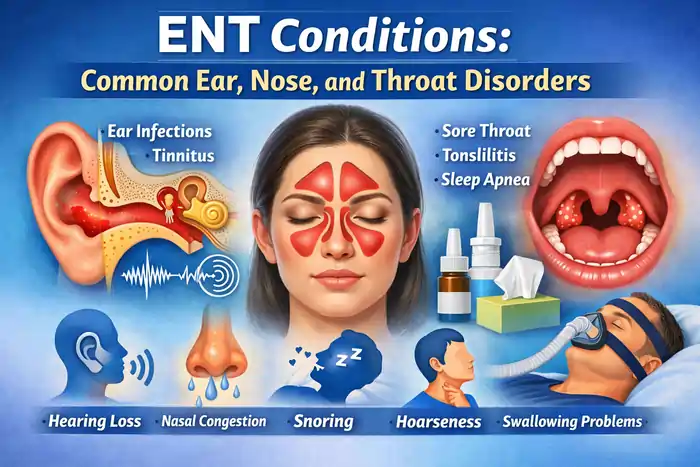
Ear, nose, and throat (ENT) conditions are among the most common health problems affecting people of all ages. These disorders involve structures responsible for hearing, breathing, speaking, smelling, and swallowing, and the medical specialty that treats them is otolaryngology, often referred to as ENT medicine. The National Institute on Deafness and Other Communication Disorders (NIDCD) reports in its quick statistics on hearing, balance, and dizziness that millions of people seek care each year for problems such as hearing loss, tinnitus, and balance issues, underscoring how frequently ENT concerns lead to medical visits on NIDCD.
According to NIDCD and related NIH programs, hearing problems, sinus infections, throat disorders, and other ENT conditions can interfere with daily life by affecting communication, sleep, breathing, and balance. Global public health organizations also recognize ENT diseases as significant contributors to disease burden; the World Health Organization’s World Report on Hearing highlights that more than 1.5 billion people worldwide live with some degree of hearing loss and warns that nearly 2.5 billion people could be affected by 2050 without better prevention and care, making unaddressed ear disease a major cause of avoidable disability on WHO and in WHO‑linked reports summarized by news outlets like VOA.
Because the ear, nose, and throat share interconnected anatomy and airways, infections or inflammation in one region can easily affect the others. Understanding common ENT disorders helps patients recognize symptoms early and seek appropriate treatment.
This guide explains how the ENT system works, common ENT disorders, symptoms, causes, diagnostic methods, and treatment options used by healthcare professionals.
Understanding the Ear, Nose, and Throat System
The ear, nose, and throat form a connected network that plays a role in breathing, hearing, smell, taste, and communication.
The ENT system includes:
Ear
- outer ear
- middle ear
- inner ear
Nose and Sinuses
- nasal cavity
- sinus passages
- nasal septum
Throat
- pharynx
- larynx (voice box)
- tonsils and adenoids
These structures are closely linked. For example, the Eustachian tubes connect the middle ear to the back of the throat, allowing pressure regulation in the ear, which explains why throat infections and sinus inflammation may also cause ear symptoms. Medical overviews from NIH‑linked ear and hearing programs describe how the ear is responsible for hearing and balance, the nose filters and humidifies inhaled air and supports smell, and the throat enables breathing, swallowing, and speech, all of which require healthy upper airway anatomy. Research from the broader NIH Human Microbiome Project also highlights that microorganisms living in the nasal passages and upper airway can influence inflammation, local immunity, and susceptibility to infections in the nose, sinuses, and middle ear.
Common Symptoms of ENT Disorders
ENT conditions may produce symptoms affecting hearing, breathing, or swallowing.
Common symptoms include:
- ear pain
- hearing loss
- ringing in the ears (tinnitus)
- nasal congestion
- sinus pressure
- runny nose
- sore throat
- hoarseness
- difficulty swallowing
- dizziness or balance problems
The CDC and large health systems’ ENT patient‑education pages note that persistent symptoms such as prolonged sore throat, ongoing hearing loss, chronic sinus pressure, or repeated ear infections should be evaluated by a healthcare provider to rule out infections, structural problems, or more serious conditions. Early assessment can prevent complications and reduce the impact on daily life.
Common Ear Disorders
Ear disorders may affect hearing, balance, or both.
Ear Infections (Otitis Media)
Ear infections are one of the most common ENT conditions, particularly among children. They occur when bacteria or viruses infect the middle ear, causing inflammation and fluid buildup behind the eardrum.
Symptoms may include:
- ear pain
- fever
- irritability in children
- temporary hearing problems
- fluid drainage from the ear
NIDCD’s Ear Infections in Children fact sheet explains that five out of six children will have at least one ear infection by their third birthday and that ear infections are one of the most frequent reasons children visit healthcare providers on NIDCD. Treatment may include pain management, careful observation (since many infections are viral), or antibiotics when bacterial infection is suspected.
You can learn more in our detailed MedEduHub guide:
Ear Infections in Adults and Children.
Hearing Loss
Hearing loss can develop gradually or suddenly and may result from:
- aging
- noise exposure
- infections
- genetic factors
- medication side effects
The NIDCD’s age‑related hearing loss overview notes that approximately 15% of American adults report some trouble hearing and that the prevalence of disabling hearing loss increases sharply with age, affecting about one in three people between 65 and 74 and more than half of those over 75 on NIDCD. The World Health Organization’s hearing‑loss facts further emphasize that untreated hearing loss can affect education, employment, and social interaction and that unaddressed hearing loss costs the global economy nearly $1 trillion each year, making hearing care a high‑value public‑health investment.
Treatment options may include:
- hearing aids
- cochlear implants
- treatment for underlying ear conditions
- communication strategies and auditory rehabilitation
Tinnitus
Tinnitus is the perception of ringing, buzzing, or humming sounds in the ear without an external source.
Common causes include:
- hearing loss
- loud noise exposure
- ear infections
- medications
NIDCD and NIH‑funded tinnitus research suggest that tinnitus often results from changes in how the brain processes sound signals after hearing damage, and experimental work funded by NIH is exploring whether techniques such as vagus nerve stimulation paired with sound can help “retrain” the brain and reduce tinnitus perception over time. Management strategies may include sound therapy, hearing aids, counseling, and stress management techniques, and large centers like Cleveland Clinic provide dedicated hearing loss and tinnitus resources within their ENT patient‑education materials on Cleveland Clinic.
Common Nose and Sinus Disorders
The nose and sinuses help filter air, regulate breathing, and support the sense of smell.
Sinusitis
Sinusitis occurs when the sinus cavities become inflamed due to infection, allergies, or structural blockage.
Symptoms include:
- facial pressure or pain
- nasal congestion
- thick nasal discharge
- headache
- reduced sense of smell
The CDC’s respiratory‑infection resources note that many acute sinus infections are caused by viruses and improve without antibiotics, while emphasizing supportive care like nasal saline and rest. Mayo Clinic’s acute and chronic sinusitis pages explain that most acute sinusitis cases resolve with self‑care and that chronic sinusitis—symptoms lasting longer than 12 weeks—may require additional treatments such as nasal corticosteroid sprays, saline irrigations, allergy management, or sinus surgery for structural issues on Mayo Clinic and Mayo Clinic.
You can read our full MedEduHub guide:
Chronic Sinusitis Treatment Options.
Allergic Rhinitis
Allergic rhinitis—commonly called hay fever—occurs when the immune system reacts to airborne allergens.
Common triggers include:
- pollen
- dust mites
- mold
- pet dander
Symptoms include:
- sneezing
- runny nose
- itchy nose or throat
- watery or itchy eyes
CDC allergy and asthma resources emphasize reducing allergen exposure (such as using mattress covers, washing bedding in hot water, and keeping windows closed during high‑pollen days) and using medications like antihistamines and nasal corticosteroid sprays to control symptoms and prevent progression to sinus infections or asthma flares.
Nasal Polyps
Nasal polyps are noncancerous growths inside the nasal passages or sinuses.
Symptoms may include:
- chronic congestion
- recurrent sinus infections
- reduced or lost sense of smell
Treatment options include nasal or oral corticosteroids, biologic medications for certain chronic inflammatory patterns, or endoscopic sinus surgery to remove the polyps and improve sinus drainage, as described in Mayo Clinic’s and Cleveland Clinic’s sinus and nasal polyp treatment guides.
Common Throat Disorders
The throat plays an important role in breathing, swallowing, and speech.
Tonsillitis
Tonsillitis is inflammation of the tonsils caused by viral or bacterial infection.
Symptoms include:
- sore throat
- difficulty swallowing
- fever
- swollen lymph nodes in the neck
Treatment depends on the cause. Viral infections usually improve with rest, fluids, and pain relief, while bacterial infections such as strep throat may require antibiotics. ENT guidelines note that in cases of frequent or severe infections, enlarged tonsils causing sleep or breathing problems, or complications such as peritonsillar abscess, doctors may recommend tonsillectomy surgery as outlined in pediatric ENT recommendations and patient education from centers like Cleveland Clinic and Mayo Clinic.
You can learn more in our MedEduHub guide:
Tonsillitis and When Surgery Is Needed.
Laryngitis
Laryngitis occurs when the voice box (larynx) becomes inflamed.
Symptoms include:
- hoarseness
- voice loss
- throat irritation
- dry cough
Common causes include viral infections, voice strain, smoking, and acid reflux. NIDCD and ENT‑education resources on hoarseness and voice disorders explain that most acute laryngitis is self‑limited, but persistent hoarseness longer than 2–4 weeks should be evaluated by an ENT specialist to check for vocal cord nodules, polyps, or, rarely, throat cancer on Cleveland Clinic ENT Patient Education.
Sleep Apnea
Sleep apnea is a condition where breathing repeatedly stops or becomes very shallow during sleep due to airway obstruction or other factors.
The NIH‑linked overview of obstructive sleep apnea notes that people with this condition often snore loudly, have breathing pauses at night, and feel tired or have trouble concentrating during the day, and that untreated sleep apnea increases the risk of high blood pressure, heart disease, and stroke on InformedHealth/NCBI. Symptoms may include:
- loud snoring
- daytime fatigue
- breathing pauses during sleep (often noticed by a partner)
Treatment may include CPAP therapy (a machine that gently blows air into the airway through a mask), weight management, oral appliances, or surgical procedures to address airway obstruction, depending on anatomy and disease severity.
Causes of ENT Disorders
ENT disorders may develop due to several factors.
Common causes include:
- viral or bacterial infections
- allergies
- environmental irritants (such as pollution or smoke)
- anatomical abnormalities (deviated septum, enlarged tonsils, narrow airways)
- genetic conditions
- immune system disorders
- noise exposure and occupational hazards
Environmental factors such as air pollution and smoking can also worsen ENT symptoms, and WHO ear‑ and hearing‑care materials emphasize that reducing noise exposure, treating middle‑ear infections early, and avoiding ototoxic medications when possible are key strategies to prevent ear disease and hearing loss globally.
Diagnosis of ENT Conditions
Doctors use several diagnostic tools to evaluate ENT disorders.
Common methods include:
- physical examination of the ears, nose, throat, head, and neck
- hearing tests (audiometry and tympanometry)
- nasal endoscopy or flexible laryngoscopy
- throat examination and mirror or scope evaluation
- imaging tests such as CT scans or MRI for sinuses, ears, or neck
- allergy testing for suspected allergic rhinitis or sinusitis
NIH‑linked ENT diagnostic guidance explains that specialized instruments—such as otoscopes, endoscopes, and fiberoptic scopes—allow physicians to examine the ear canal, nasal passages, vocal cords, and throat structures directly, helping to diagnose infections, polyps, tumors, or structural problems early. Large centers like Cleveland Clinic’s ENT Patient Education hub provide patients with diagrams and explanations of these tests so they know what to expect during evaluation.
Treatment Options for ENT Disorders
Treatment depends on the specific condition and severity.
Medications
Doctors may prescribe:
- antibiotics (for confirmed or strongly suspected bacterial infections)
- antihistamines and leukotriene modifiers (for allergies)
- corticosteroid nasal sprays (for allergic rhinitis or sinusitis)
- decongestants (short‑term use for congestion)
- acid‑suppressing drugs (for reflux‑related ENT symptoms)
- pain relievers and anti‑inflammatory medicines
Cleveland Clinic and Mayo Clinic ENT treatment guides emphasize using antibiotics only when clearly indicated, relying on symptom‑relief measures and watchful waiting for many viral infections, and using intranasal steroids and saline rinses as first‑line therapy for chronic sinus complaints.
Medical Procedures
Some conditions require procedures such as:
- ear tube placement (tympanostomy tubes) for recurrent middle‑ear infections or persistent fluid
- sinus surgery (endoscopic sinus surgery) for chronic sinusitis or nasal polyps
- tonsillectomy and adenoidectomy for recurrent infections or obstructive breathing
- nasal polyp removal and septoplasty for chronic nasal obstruction
These treatments can improve breathing, hearing, or sinus drainage and are commonly described in treatment guides from major ENT centers like Mayo Clinic and Cleveland Clinic’s Head & Neck Institute on Mayo Clinic and Cleveland Clinic ENT Education.
Preventing ENT Disorders
Preventive strategies may reduce the risk of ENT conditions.
Examples include:
- protecting ears from loud noise with earplugs or earmuffs
- practicing good hand hygiene to reduce viral and bacterial infections
- managing allergies to prevent chronic sinus and nasal inflammation
- avoiding smoking and secondhand smoke
- maintaining recommended vaccinations
NIDCD’s and CDC’s ear‑infection and respiratory‑infection resources highlight that vaccines such as pneumococcal and influenza vaccines can help prevent respiratory infections that affect the ears, nose, and throat and that children vaccinated with pneumococcal conjugate vaccines tend to have fewer ear infections on NIDCD and CDC Food and Respiratory Safety.
Warning Signs of Serious ENT Disease
Certain symptoms require immediate medical attention.
These include:
- sudden hearing loss in one or both ears
- persistent hoarseness lasting more than 2–4 weeks
- severe throat pain with difficulty breathing or swallowing
- unexplained neck lumps or swelling
- frequent nosebleeds, especially on one side
- dizziness with chest pain, severe headache, or neurologic changes
NIDCD and ENT cancer‑awareness campaigns stress that sudden hearing loss, chronic hoarseness, and unexplained neck masses can be early warning signs of serious conditions such as sudden sensorineural hearing loss, laryngeal cancer, or head‑and‑neck cancers and that early diagnosis dramatically improves treatment options and outcomes. If you experience any of these warning signs, seek urgent medical evaluation.
Key Takeaways | ENT Conditions
ENT disorders affect millions of people worldwide and can interfere with essential functions such as hearing, breathing, speaking, and swallowing. NIDCD and WHO estimates show that hearing loss and other ENT diseases contribute substantially to disability and reduced quality of life, yet many cases are preventable or treatable when identified early.
Many ENT conditions are manageable with medications, lifestyle changes, or medical procedures, and early diagnosis and treatment help prevent complications and improve quality of life. Medical research supported by organizations such as the World Health Organization, the Centers for Disease Control and Prevention, the National Institutes of Health, and leading ENT centers like Cleveland Clinic’s Head & Neck Institute continues to improve treatment options and prevention strategies for ENT diseases, from better hearing‑aid and implant technology to safer sinus and airway surgeries and new therapies for tinnitus and sleep apnea.
FAQ | ENT Conditions
What are the most common ENT disorders?
Common ENT disorders include ear infections, sinusitis, allergic rhinitis, hearing loss, tonsillitis, tinnitus, and sleep apnea, as outlined by NIDCD and major ENT programs at Cleveland Clinic and other academic centers.
What doctor treats ENT conditions?
ENT conditions are treated by otolaryngologists, also known as ENT specialists. Many large hospitals have dedicated ENT or Head & Neck institutes that provide coordinated care for ear, nose, throat, and related head‑and‑neck conditions.
When should I see a doctor for ENT symptoms?
Medical care is recommended if symptoms include persistent ear pain, hearing loss, severe sinus pain, facial swelling, chronic hoarseness, or difficulty swallowing or breathing, since these may signal infections, structural problems, or serious disease that benefit from early evaluation.
Can ENT disorders be prevented?
Some ENT conditions can be prevented or reduced through vaccination, allergy control, avoiding smoking, protecting hearing from loud noise, and practicing good hand and respiratory hygiene, according to prevention guidance from NIDCD, CDC, and WHO ear‑ and hearing‑care initiatives.
Medical Disclaimer
This article is intended for educational purposes only and should not replace professional medical advice, diagnosis, or treatment. Always consult a qualified healthcare professional for personalized medical guidance regarding ear, nose, and throat conditions.
Written by:
Eden Grace Ramos, RN
Medical Resources
This article references evidence-based information from trusted health organizations. Clinical explanations of ENT disorders align with research published by the National Institute on Deafness and Other Communication Disorders (NIDCD), part of the National Institutes of Health, which provides extensive scientific information on hearing, balance, and communication disorders. Public health guidance on respiratory infections and ear diseases reflects resources from the Centers for Disease Control and Prevention (CDC). Global hearing health and ENT disease burden data referenced in this guide are informed by reports from the World Health Organization (WHO). These organizations publish peer-reviewed research and clinical guidelines widely used by healthcare professionals worldwide.