
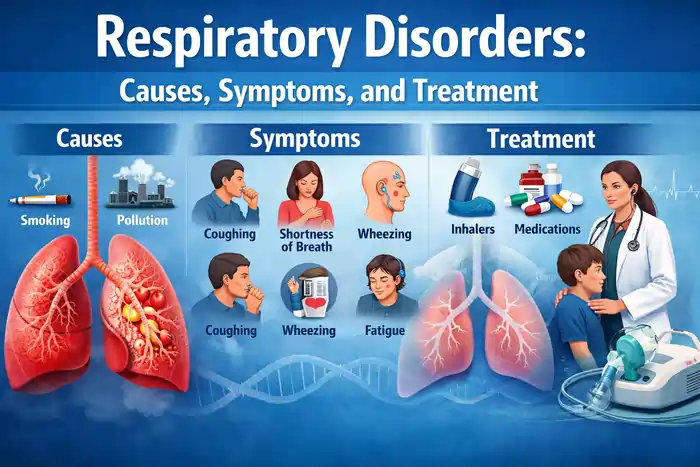
Respiratory disorders are among the most common health conditions worldwide, affecting millions of people across all age groups. These disorders involve diseases of the lungs, airways, and other structures responsible for breathing. When the respiratory system is not functioning properly, the body may struggle to obtain enough oxygen or remove carbon dioxide efficiently, which can lead to symptoms ranging from mild coughing to severe breathing difficulties.
Clinical overviews on lung health from the National Heart, Lung, and Blood Institute (NHLBI) explain that efficient gas exchange in the lungs is crucial for maintaining normal metabolism and organ function, as outlined in its lung‑function education pages on NHLBI.
According to the World Health Organization (WHO), chronic respiratory diseases such as asthma, chronic obstructive pulmonary disease (COPD), and pulmonary hypertension are among the leading causes of illness and disability globally, as detailed on the WHO Chronic respiratory diseases topic page on WHO. WHO estimates that hundreds of millions of people live with respiratory conditions that affect daily functioning and quality of life.
Environmental pollution, smoking, respiratory infections, and genetic factors are among the most common contributors to respiratory diseases. Public health agencies such as the Centers for Disease Control and Prevention (CDC) emphasize in their chronic‑respiratory‑disease surveillance and prevention materials that many respiratory conditions can be prevented or better managed through early diagnosis, improved air quality, vaccination, and lifestyle changes on CDC.
Understanding respiratory disorders—their causes, symptoms, risk factors, and treatment options—is essential for maintaining lung health and preventing complications. Early recognition of respiratory symptoms and proper disease management can significantly improve outcomes and quality of life, a message echoed in patient‑education resources from MedlinePlus and professional guidelines hosted by NHLBI and major respiratory societies. This guide explains the most common respiratory disorders, their causes, symptoms, diagnosis, and treatment approaches based on current medical guidelines and evidence‑based research.
Understanding the Respiratory System
The respiratory system plays a vital role in maintaining life by delivering oxygen to the bloodstream and removing carbon dioxide from the body. Oxygen is required by cells to produce energy and support normal organ function.
The respiratory system includes several structures that work together to support breathing:
- Nose and nasal cavity
- Pharynx (throat)
- Larynx (voice box)
- Trachea (windpipe)
- Bronchi and bronchioles
- Lungs
- Alveoli (tiny air sacs responsible for gas exchange)
When a person inhales, air enters through the nose or mouth and travels down the trachea into the lungs. Inside the lungs, oxygen passes through the alveoli into the bloodstream while carbon dioxide moves from the blood into the lungs to be exhaled. Educational overviews such as “How the Lungs Work” from NHLBI explain how the branching airways and millions of alveoli create a large surface area for gas exchange on NHLBI.
The National Institutes of Health (NIH) explains in its respiratory‑system resources that the alveoli provide a large surface area that allows efficient gas exchange between air and blood, and that any condition that damages the airways, lung tissue, or alveoli can interfere with this process and lead to respiratory disorders, as summarized on NHLBI.
Common respiratory symptoms may include:
- Shortness of breath
- Persistent coughing
- Wheezing or whistling sounds while breathing
- Chest tightness
- Increased mucus production
- Fatigue during physical activity
Respiratory conditions can develop gradually over time, as in chronic lung diseases, or occur suddenly due to infections or environmental exposure, a distinction made in patient summaries on MedlinePlus Lung Diseases on MedlinePlus.
Common Types of Respiratory Disorders
Respiratory diseases can affect different parts of the lungs and airways. These conditions are generally categorized based on their causes and effects on lung function.
Chronic Respiratory Diseases
Chronic respiratory diseases are long‑term conditions that affect breathing and lung function. These diseases often require continuous management and monitoring.
Examples include:
- Asthma
- Chronic obstructive pulmonary disease (COPD)
- Pulmonary fibrosis
- Bronchiectasis
COPD is one of the most serious chronic respiratory diseases and includes conditions such as chronic bronchitis and emphysema. According to CDC chronic‑disease indicators and COPD fact sheets, COPD causes progressive airflow limitation and is commonly linked to smoking or long‑term exposure to lung irritants on CDC. Patients living with COPD often require long‑term treatment and lifestyle adjustments. A deeper explanation of COPD management strategies is discussed in COPD: Long‑Term Care on MedEduHub, which covers long‑term treatment approaches, pulmonary rehabilitation, and lifestyle modifications and aligns with NHLBI’s COPD treatment overview on NHLBI.
The American Heart Association (AHA) also notes in its heart–lung health education that chronic lung diseases can increase the risk of cardiovascular complications because reduced oxygen levels place additional stress on the heart, as described in AHA’s lung‑and‑heart resources on AHA.
Respiratory Infections
Respiratory infections occur when bacteria, viruses, or fungi infect the lungs or airways. These infections can affect both the upper respiratory tract and the lower respiratory tract.
Common respiratory infections include:
- Pneumonia
- Influenza
- Tuberculosis
- COVID‑19
- Bronchitis
Pneumonia is a serious infection that causes inflammation in the air sacs of the lungs. According to the WHO pneumonia fact sheet, pneumonia remains one of the leading causes of illness worldwide and can be particularly dangerous for young children, older adults, and individuals with weakened immune systems on WHO. Pneumonia symptoms may include fever, cough with mucus, chest pain, and breathing difficulty. More detailed information about this condition is explained in Pneumonia: Symptoms and Treatment on MedEduHub, which discusses how pneumonia affects lung tissue and the medical treatments used to manage the infection, complementing CDC’s pneumonia pages on CDC.
Obstructive Lung Diseases
Obstructive lung diseases occur when airflow becomes limited due to airway inflammation, mucus buildup, or narrowing of the airways.
Examples include:
- Asthma
- COPD
- Bronchiectasis
These conditions can cause difficulty breathing, especially during physical activity. The NIH National Heart, Lung, and Blood Institute explains in its obstructive‑lung‑disease descriptions that these disorders reduce the ability to exhale air effectively, leading to air trapping in the lungs and reduced airflow on NHLBI. Symptoms often include wheezing, chest tightness, and coughing.
Restrictive Lung Diseases
Restrictive lung diseases reduce lung capacity by limiting the ability of the lungs to expand fully during inhalation.
Examples include:
- Pulmonary fibrosis
- Interstitial lung disease
- Sarcoidosis
These conditions may cause rapid breathing, fatigue, and reduced oxygen levels in the bloodstream. Medical research summarized in journals such as The Lancet Respiratory Medicine notes that restrictive lung diseases often result from lung tissue scarring or inflammation that reduces lung elasticity and stiffens the lungs, which is consistent with clinical reviews cited in specialist guidelines.
Causes of Respiratory Disorders
Respiratory diseases may develop due to multiple factors including environmental exposure, lifestyle choices, infections, and genetic conditions.
Smoking and Tobacco Exposure
Smoking is one of the leading causes of chronic respiratory diseases worldwide. Tobacco smoke contains thousands of harmful chemicals that damage lung tissue and irritate the airways.
Long‑term smoking can lead to:
- COPD
- Lung cancer
- Chronic bronchitis
- Emphysema
The CDC reports in its smoking and lung‑disease statistics that smoking is responsible for the majority of COPD cases and significantly increases the risk of respiratory infections, as described on CDC. Secondhand smoke exposure can also harm lung health, particularly among children and individuals with asthma, which is why CDC and WHO recommend smoke‑free environments in homes and public spaces.
Air Pollution
Air pollution is another major contributor to respiratory disease. Pollutants such as particulate matter, ozone, nitrogen dioxide, and industrial emissions can irritate the lungs and trigger respiratory symptoms. According to WHO air pollution and health reports, air pollution contributes to millions of deaths each year and is strongly associated with respiratory and cardiovascular diseases on WHO. Exposure to polluted air may lead to:
- Asthma attacks
- Chronic bronchitis
- Lung inflammation
- Reduced lung function
Respiratory Infections
Bacterial and viral infections can damage lung tissue and cause inflammation of the respiratory tract.
Examples include:
- Influenza virus
- Respiratory syncytial virus (RSV)
- COVID‑19
- Streptococcus pneumoniae
The NIH explains in its infectious‑disease and respiratory‑infection summaries that these pathogens can spread through droplets when infected individuals cough, sneeze, or talk, and that vaccination and hygiene practices—such as handwashing and mask use during outbreaks—play an important role in preventing these infections, as outlined on NIH.
Occupational Exposure
Workplace exposure to harmful particles or chemicals may increase the risk of occupational lung diseases.
Examples of hazardous exposures include:
- Dust particles
- Chemical fumes
- Asbestos
- Silica
Workers in construction, mining, agriculture, and manufacturing may face higher risks of developing respiratory disorders due to long‑term inhalation of these substances, as discussed in CDC’s Workplace Safety & Health: Respiratory Hazards guidance on CDC.
Symptoms of Respiratory Disorders
Respiratory conditions may present with a wide range of symptoms depending on the underlying cause and severity
Shortness of Breath
Shortness of breath, also known as dyspnea, occurs when breathing becomes difficult or uncomfortable. This symptom may appear during physical activity or even at rest in severe cases. A detailed explanation of potential causes is discussed in Causes of Shortness of Breath on MedEduHub, which outlines the medical conditions that may affect breathing and mirrors symptom descriptions found in NHLBI’s lung‑disease pages on NHLBI.[]]
Chronic Cough
A cough lasting more than several weeks may indicate a respiratory condition such as asthma, bronchitis, or lung infection. CDC and primary‑care guidelines recommend medical evaluation for chronic cough, particularly in smokers or people with other risk factors.[]]
Wheezing
Wheezing is a high‑pitched whistling sound during breathing caused by narrowed airways. It is commonly associated with asthma and COPD, as noted in NHLBI asthma and COPD patient resources on NHLBI.
Chest Tightness
Inflammation of the airways may cause pressure or tightness in the chest, particularly during breathing or physical exertion. This symptom often accompanies asthma attacks and COPD exacerbations and is highlighted in patient guides from NHLBI and MedlinePlus.
Excess Mucus Production
Respiratory diseases such as bronchitis often produce excessive mucus, which may be coughed up from the lungs. Patient‑education pages on acute and chronic bronchitis from sources like MedlinePlus describe this pattern and recommend evaluation when mucus is persistent or bloody.
Diagnosis of Respiratory Disorders
Healthcare providers use several diagnostic tools to evaluate lung function and detect respiratory diseases.
Physical Examination
Doctors typically begin by listening to lung sounds using a stethoscope. Abnormal sounds such as wheezing or crackles may indicate respiratory disease, as described in clinical‑exam sections of NHLBI and MedlinePlus lung‑disease overviews.
Pulmonary Function Tests
Pulmonary function tests measure airflow and lung capacity.
Common tests include:
- Spirometry
- Peak flow measurement
- Lung volume testing
The NIH states that spirometry is one of the most commonly used tests for diagnosing asthma and COPD and for monitoring disease progression, as summarized on NHLBI.
Imaging Tests
Imaging techniques allow doctors to examine lung structures.
Common imaging tests include:
- Chest X‑ray
- CT scan
These tests may detect infections, tumors, inflammation, or structural abnormalities in the lungs, and are standard diagnostic tools described in CDC and NIH respiratory‑disease workups.
Laboratory Tests
Blood tests and sputum samples may help identify bacterial infections or inflammatory conditions affecting the respiratory system, especially in pneumonia, tuberculosis, or suspected chronic infection, as outlined in CDC pneumonia and TB guidance.
Treatment and Management of Respiratory Disorders
Treatment for respiratory diseases depends on the underlying condition and severity.
Medications
Many respiratory conditions are treated using medications that improve airflow or reduce inflammation.
Examples include:
- Bronchodilators
- Corticosteroids
- Antibiotics for bacterial infections
- Antiviral medications
- Mucolytics
Inhalers are commonly used because they deliver medication directly to the lungs. NHLBI asthma and COPD treatment guidelines describe step‑wise approaches that combine inhaled corticosteroids, long‑acting bronchodilators, and rescue inhalers based on symptom control and severity, as outlined on NHLBI and NHLBI. CDC pneumonia and influenza treatment guidance further explains when antibiotics or antivirals are recommended on CDC.
Oxygen Therapy
Patients with severe lung disease may require supplemental oxygen to maintain healthy oxygen levels in the blood. Oxygen therapy is often used in advanced COPD or severe pneumonia cases, consistent with evidence summarized in NHLBI‑supported clinical trials and COPD‑management statements.journal.
Pulmonary Rehabilitation
Pulmonary rehabilitation programs combine exercise, breathing techniques, and education to improve lung function and physical endurance. These programs are commonly recommended for COPD patients, and MedlinePlus’ Pulmonary Rehabilitation page explains how supervised exercise and education can improve quality of life on MedlinePlus.
Lifestyle Changes
Lifestyle habits play a critical role in managing respiratory diseases.
Recommended strategies include:
- Quitting smoking
- Avoiding air pollution exposure
- Exercising regularly
- Maintaining healthy body weight
- Practicing breathing exercises
The American Heart Association emphasizes that maintaining cardiovascular health can also improve respiratory function because the heart and lungs work closely together to deliver oxygen throughout the body, as described in AHA’s heart‑and‑lung health content on AHA.
Preventing Respiratory Disorders
While not all respiratory diseases can be prevented, several strategies can significantly reduce the risk.
Preventive measures include:
- Avoid smoking and secondhand smoke
- Improve indoor air quality
- Wear protective equipment in hazardous workplaces
- Stay physically active
- Maintain recommended vaccinations
The CDC recommends annual influenza vaccination and pneumococcal vaccination for individuals at higher risk of respiratory infections, in line with its Adult Immunization Schedule and respiratory‑infection prevention advice on CDC. Regular medical checkups can also help detect respiratory problems early before they progress, a strategy endorsed by both WHO and NIH in their chronic‑disease‑prevention materials.
Frequently Asked Questions About Respiratory Disorders
What are the most common respiratory diseases?
Common respiratory diseases include asthma, COPD, pneumonia, bronchitis, and tuberculosis, as listed in overviews from WHO chronic‑respiratory‑disease pages and NIH lung‑disease summaries on WHO and NHLBI.
What causes respiratory disorders?
Respiratory disorders may be caused by infections, smoking, air pollution, occupational exposure, and genetic conditions, consistent with risk‑factor lists from WHO, CDC, and NHLBI on WHO, CDC, and NHLBI.
Can respiratory diseases be cured?
Some infections such as bacterial pneumonia can be treated successfully, but chronic diseases like COPD and asthma are typically managed rather than cured, according to long‑term‑care guidance from NIH and major respiratory societies on NHLBI and NHLBI.
When should someone seek medical care for breathing problems?
Medical attention should be sought if symptoms include severe shortness of breath, chest pain, persistent cough, coughing up blood, or high fever, which CDC and NHLBI highlight as warning signs requiring prompt evaluation on CDC and NHLBI.
How can lung health be improved?
Improving lung health involves quitting smoking, avoiding pollution exposure, staying physically active, and receiving recommended vaccinations, as recommended in prevention guidance from WHO, CDC, NIH, and the American Heart Association on WHO, CDC, NHLBI, and AHA.
Medical Disclaimer
This article is intended for educational and informational purposes only. It does not replace professional medical advice, diagnosis, or treatment. Always consult a qualified physician or healthcare provider regarding any medical condition, symptoms, or treatment decisions. Never ignore medical advice or delay seeking care because of information you have read online.
Content is based on current clinical guidelines and peer-reviewed medical research.
Written by: Eden Grace Ramos, RN
Medical Resources
This article was developed using guidance from trusted public health institutions and peer-reviewed medical research. Information about respiratory diseases, lung function, and respiratory disorder management is supported by resources from the World Health Organization (WHO), which provides global health data and clinical guidance on chronic respiratory diseases and air pollution exposure. Public health guidance on respiratory infections, prevention strategies, and public health recommendations is supported by resources from the Centers for Disease Control and Prevention (CDC).
Research and clinical explanations regarding lung function, pulmonary disorders, and respiratory treatment strategies are also informed by the National Institutes of Health (NIH) and the National Heart, Lung, and Blood Institute. Cardiovascular and respiratory health connections referenced in this article align with guidance from the American Heart Association (AHA). Additional medical context is supported by peer-reviewed publications including The Lancet Respiratory Medicine, Journal of the American Medical Association (JAMA), and other medical journals that study lung diseases, respiratory infections, and pulmonary treatment approaches.