
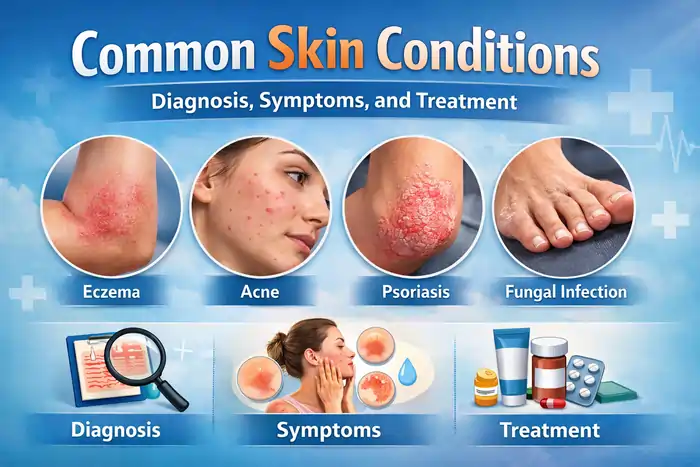
Skin conditions affect people of all ages and backgrounds, making them one of the most common health concerns worldwide. The skin is the body’s largest organ and serves as the first line of defense against environmental threats such as bacteria, viruses, pollutants, and physical injury. Because the skin performs so many protective and regulatory functions, disruptions in skin health can lead to a wide range of medical conditions.
According to dermatology education resources from the National Institutes of Health (NIH) and MedlinePlus, skin disorders include inflammatory conditions, infections, allergic reactions, autoimmune diseases, and structural changes in the skin, as outlined in the MedlinePlus overview of skin diseases on MedlinePlus. These conditions can vary widely in severity—from mild cosmetic concerns to chronic diseases that require long‑term medical management.
The World Health Organization (WHO) notes that skin diseases are among the most frequent reasons people seek medical care globally, and its skin diseases topic page explains that conditions such as dermatitis, fungal infections, acne, and psoriasis affect hundreds of millions of individuals and may significantly impact physical comfort, mental health, and quality of life on WHO.
Public health organizations including the Centers for Disease Control and Prevention (CDC) emphasize that many skin conditions can be effectively managed when diagnosed early and treated appropriately; for example, CDC’s ringworm education page explains how prompt treatment and hygiene can control fungal skin infections on CDC. Accurate diagnosis, proper skin care practices, and medical treatment when necessary are key components of maintaining healthy skin.
Understanding common skin conditions, their symptoms, causes, and treatment options helps individuals recognize when a skin issue may require medical attention. Early diagnosis and treatment can help prevent complications and improve long‑term skin health.
Understanding the Skin and Its Functions
The skin plays several essential roles in protecting the body and maintaining overall health. It serves as a physical barrier against pathogens, helps regulate body temperature, and supports immune defense.
The three main layers of the skin include:
- Epidermis – The outermost layer that protects the body from environmental damage and prevents water loss.
- Dermis – The middle layer containing nerves, sweat glands, blood vessels, and connective tissue.
- Subcutaneous layer (hypodermis) – The deepest layer that contains fat and connective tissue to insulate and cushion the body.
Educational overviews such as “Skin Structure and Function” from the National Cancer Institute explain that the skin also plays a role in immune protection and sensory perception, describing how these layers work together to defend the body on NCI. When the skin becomes irritated, infected, or inflamed, various skin disorders may develop.
Common symptoms of skin conditions include:
- Skin rash
- Itching (pruritus)
- Redness and inflammation
- Dry or flaky skin
- Blisters or sores
- Skin discoloration
- Thickened or cracked skin
These symptoms may develop suddenly due to infections or allergic reactions, or gradually over time in chronic inflammatory conditions.
Inflammatory Skin Conditions
Inflammatory skin diseases occur when the immune system reacts to irritants, allergens, or internal triggers.
Common examples include:
- Eczema (atopic dermatitis)
- Psoriasis
- Contact dermatitis
- Seborrheic dermatitis
These conditions often cause redness, itching, scaling, and skin irritation. Dermatology research summarized in journals such as the Journal of the American Academy of Dermatology (JAAD) explains that inflammatory skin diseases often involve immune system dysregulation and chronic inflammation affecting the skin barrier, contributing to symptoms like persistent itching and plaques (see overviews on JAAD).
Two of the most commonly confused inflammatory conditions are eczema and psoriasis. Although both can cause red, itchy patches on the skin, they have different causes and treatment approaches. A detailed comparison is discussed in Eczema vs Psoriasis on MedEduHub, which explains how dermatologists differentiate between these conditions and determine appropriate treatments.
Infectious Skin Diseases
Skin infections occur when microorganisms such as bacteria, viruses, or fungi invade the skin.
Common infectious skin diseases include:
- Ringworm
- Athlete’s foot
- Impetigo
- Warts
- Herpes simplex infections
Fungal infections are particularly common in warm and humid environments and often affect the feet, groin, scalp, or nails. According to CDC fungal‑disease resources, fungal infections such as ringworm and athlete’s foot spread through direct contact with infected skin, contaminated surfaces, or animals, and CDC provides practical prevention and treatment tips on its Fungal Diseases pages on CDC.
A detailed overview of fungal infections and how doctors diagnose them can be found in Fungal Skin Infections on MedEduHub, which explains symptoms, risk factors, and treatment options.
Allergic Skin Reactions
Allergic reactions occur when the immune system responds to substances that are usually harmless.
Common triggers include:
- Cosmetics
- Jewelry containing nickel
- Latex products
- Medications
- Plants such as poison ivy
Contact dermatitis is one of the most common allergic skin reactions and occurs when the skin directly contacts an allergen or irritant. Educational resources such as MedlinePlus: Contact Dermatitis explain that symptoms may include redness, itching, swelling, and blistering of the skin, and they discuss typical triggers and treatment approaches on MedlinePlus.
Causes of Skin Conditions
Skin disorders may develop due to a combination of environmental, infectious, and genetic factors.
Environmental Factors
Environmental exposure can damage or irritate the skin.
Examples include:
- Ultraviolet (UV) radiation from sunlight
- Air pollution
- Harsh cleaning chemicals
- Extreme weather conditions
The World Health Organization highlights that excessive ultraviolet exposure is a major contributor to skin damage and skin cancer risk, and its Q&A on ultraviolet radiation explains how UV rays can cause sunburn, premature aging, and skin cancer on WHO. Public health experts recommend protective measures such as sunscreen use, protective clothing, and avoiding prolonged sun exposure, especially during peak sun hours.
Infections
Microorganisms such as bacteria, viruses, and fungi can infect the skin.
Examples include:
- Bacterial infections such as impetigo
- Viral infections such as herpes simplex
- Fungal infections such as ringworm
CDC infectious‑disease guidance explains that many skin infections spread through close contact, shared personal items, or contaminated surfaces, and its Infectious Diseases hub provides prevention tips including handwashing, wound care, and avoiding sharing towels or razors on CDC.
Immune System Disorders
Some skin conditions develop because the immune system mistakenly attacks healthy skin cells.
Examples include:
- Psoriasis
- Lupus‑related skin disease
- Vitiligo
Autoimmune skin diseases often require long‑term medical management and monitoring, and NIH autoimmune‑disease overviews note that treatments may involve immune‑modulating medications to reduce inflammation and slow disease progression.
Symptoms of Skin Conditions
Skin diseases may present with various symptoms depending on the underlying cause.
Rash
A rash is a visible change in the skin’s color or texture. Rashes may appear as red patches, bumps, scales, or blisters. Some rashes resolve quickly, while others may indicate more serious medical conditions. A deeper explanation of serious rashes and warning signs is discussed in When a Rash Needs Medical Attention on MedEduHub, which explains when medical evaluation is necessary and reflects common red‑flag criteria described by dermatology organizations.
Itching
Itching is one of the most common symptoms of skin diseases. It may occur with eczema, fungal infections, allergic reactions, or dry skin. The American Academy of Dermatology (AAD) explains that persistent itching can disrupt sleep and significantly affect quality of life, and its patient page on itchy skin offers practical strategies for relief and when to see a dermatologist on AAD.
Diagnosis of Skin Conditions
Healthcare providers use several methods to diagnose skin disorders.
Physical Examination
Doctors typically begin by visually examining the affected skin areas and evaluating:
- Rash pattern
- Skin color
- Lesion distribution
- Texture changes
Many skin diseases have recognizable visual patterns that help guide diagnosis, and dermatology references emphasize the importance of a full skin exam to avoid missing subtle findings.
Skin Tests and Laboratory Analysis
Doctors may perform additional tests to identify the cause of skin symptoms.
These tests may include:
- Skin scraping to detect fungal infections
- Bacterial culture testing
- Skin biopsy
- Allergy patch testing
Clinical resources from MedlinePlus: Lab Tests explain that laboratory testing may help confirm infections or inflammatory skin diseases by examining samples under a microscope, growing organisms in culture, or assessing immune reactions on MedlinePlus.
Treatment and Care for Skin Conditions
Treatment depends on the underlying cause and severity of the skin condition.
Topical Treatments
Topical medications are frequently used to treat skin disorders.
Examples include:
- Corticosteroid creams
- Antifungal creams
- Antibiotic ointments
- Moisturizing creams
These treatments help reduce inflammation, treat infections, and restore the skin barrier. Many first‑line therapies for eczema, psoriasis flares, and mild infections are topical, as outlined in MedlinePlus and AAD treatment guides.
Oral Medications
Some conditions require oral medications such as:
- Antibiotics
- Antifungal medications
- Antihistamines
- Immunosuppressive drugs
Systemic treatments are commonly used for more widespread infections, severe inflammatory diseases, or autoimmune skin conditions, and dermatology guidelines describe careful monitoring for side effects.
Healthy Skin Care Practices
Maintaining proper skin care can help prevent many skin conditions.
Recommended habits include:
- Using gentle cleansers
- Applying moisturizer regularly
- Avoiding harsh chemicals
- Wearing sunscreen
- Staying hydrated
The American Heart Association notes in its general healthy‑living recommendations that proper nutrition and hydration support overall tissue health, including skin, and emphasizes a balanced diet rich in fruits, vegetables, and healthy fats on AHA.
Preventing Skin Conditions
While not all skin conditions can be prevented, certain lifestyle habits can reduce risk.
Preventive strategies include:
- Maintaining hygiene
- Avoiding sharing personal items
- Protecting skin from sun damage
- Managing allergies
- Seeking medical care for persistent symptoms
Public‑health recommendations from WHO and CDC consistently stress sun protection, infection control, and early evaluation of non‑healing or changing skin lesions to reduce long‑term complications.
Frequently Asked Questions About Skin Conditions
What are the most common skin conditions?
Common skin conditions include acne, eczema, psoriasis, fungal infections, contact dermatitis, and bacterial skin infections, as listed in consumer‑friendly summaries on MedlinePlus and WHO’s skin diseases pages
What causes skin diseases?
Skin diseases may be caused by infections, allergic reactions, immune disorders, environmental irritants, and genetic factors, consistent with cause categories described by NIH, CDC, and WHO in their skin‑health and environmental‑health resources.
When should a rash be evaluated by a doctor?
Medical care should be sought if a rash spreads rapidly, causes severe pain, is accompanied by fever, or does not improve with basic treatment, which aligns with red‑flag guidance from dermatology organizations and primary‑care recommendations.
Are fungal skin infections contagious?
Yes. Many fungal infections can spread through direct skin contact or contaminated surfaces, as explained in CDC’s Ringworm (Tinea) and other fungal‑infection pages on CDC.
How can skin health be improved?
Skin health can be improved by practicing proper hygiene, using gentle skin care products, protecting skin from sun damage, and seeking medical care for persistent symptoms, reflecting advice from MedlinePlus, AAD, and WHO skin‑health guidance.
Medical Disclaimer
This article is intended for educational and informational purposes only. It does not replace professional medical advice, diagnosis, or treatment. Always consult a qualified physician or healthcare provider regarding any medical condition, symptoms, or treatment decisions. Never ignore medical advice or delay seeking care because of information you have read online.
Content is based on current clinical guidelines and peer-reviewed medical research.
Written by: Eden Grace Ramos, RN
Medical Resources
This article was developed using guidance from trusted public health institutions and peer-reviewed medical research. Information about skin diseases and dermatologic conditions is supported by resources from the World Health Organization (WHO), which provides global health guidance on environmental health risks and skin disease prevention. Public health recommendations regarding infections and disease prevention are supported by materials from the Centers for Disease Control and Prevention (CDC).
Clinical explanations regarding skin structure and dermatologic disorders are informed by research from the National Institutes of Health (NIH) and educational resources such as MedlinePlus. Additional medical insights are supported by peer-reviewed publications including the Journal of the American Academy of Dermatology, The Lancet Dermatology, and other dermatology journals that study inflammatory skin diseases, infections, and dermatologic treatments.