
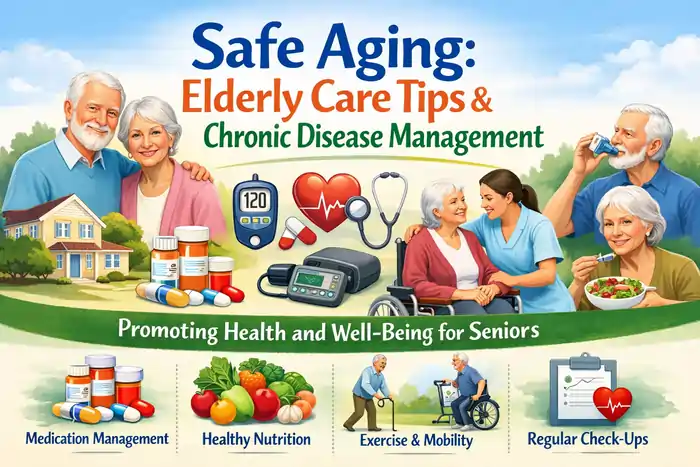
Aging is a natural part of life, but maintaining health, independence, and quality of life in older adulthood requires careful attention to physical, mental, and social well-being. Elderly care focuses on supporting older adults through safe aging practices, chronic disease management, preventive healthcare, and lifestyle adjustments that reduce risks and improve long-term outcomes. According to the World Health Organization’s healthy aging framework, the global population aged 60 years and older is expected to nearly double by 2050, making elderly care a critical public health priority. WHO emphasizes that healthy aging is not simply the absence of disease, but the ability to maintain functional ability, independence, and well-being throughout later life.
In the United States, the Centers for Disease Control and Prevention (CDC) reports that approximately 80% of older adults live with at least one chronic condition, while many manage multiple illnesses such as hypertension, diabetes, arthritis, and heart disease. These conditions require continuous monitoring, medication management, and lifestyle interventions to prevent complications.
Clinical guidance from organizations such as the National Institutes of Health (NIH) and the American Heart Association (AHA) highlights that early prevention, routine screenings, and coordinated care can significantly improve outcomes for older adults. Understanding elderly care, recognizing age-related changes, and implementing effective care strategies are essential for promoting safe aging and managing chronic diseases.
Understanding Aging and the Body
Aging affects nearly every system in the body, including the cardiovascular system, nervous system, musculoskeletal system, and immune system.
Common Physiological Changes
Common physiological changes include:
- reduced muscle mass (sarcopenia)
- decreased bone density (osteoporosis)
- slower metabolism
- reduced lung function
- changes in memory and cognition
- decreased immune response
- slower wound healing
- reduced balance and coordination
The National Institute on Aging (NIA) explains that these changes increase vulnerability to illness, injury, and chronic disease, which is why preventive care and early intervention are essential.
Common Health Conditions in Older Adults
Older adults often experience chronic health conditions that require long-term management.
Cardiovascular Disease
Heart disease remains one of the leading causes of death among older adults. The American Heart Association notes that aging increases the risk of:
- hypertension
- coronary artery disease
- heart failure
- stroke
Diabetes
Type 2 diabetes is common in older adults and can lead to complications such as:
- nerve damage
- kidney disease
- vision problems
Arthritis and Joint Disorders
Arthritis causes:
- joint pain
- stiffness
- reduced mobility
Cognitive Decline
Cognitive changes range from mild memory loss to dementia.
You can learn more in our guide:
Early Signs of Dementia
Chronic Disease Management in Elderly Care
Managing chronic diseases is one of the most important aspects of elderly care.
Key Elements of Chronic Disease Management
Effective chronic disease management includes:
- regular medical checkups
- medication adherence
- lifestyle modifications
- monitoring symptoms
- early detection of complications
The CDC’s chronic disease prevention programs emphasize that managing risk factors such as high blood pressure, cholesterol, and blood sugar can prevent serious complications such as heart attack and stroke.
Medication Management and Polypharmacy
Many older adults take multiple medications, a condition known as polypharmacy.
Risks of Polypharmacy
Risks of polypharmacy include:
- drug interactions
- side effects
- medication errors
- increased risk of falls
The National Institutes of Health and geriatric care guidelines stress the importance of medication review and coordination between healthcare providers.
You can learn more in our guide:
Managing Multiple Medications
Fall Prevention and Safety
Falls are one of the leading causes of injury among older adults.
Fall Risks and Impact
According to CDC fall prevention data, millions of older adults experience falls each year, often resulting in fractures, head injuries, and loss of independence.
Risk factors for falls include:
- poor balance
- muscle weakness
- vision problems
- medications
- unsafe home environments
Fall Prevention Strategies
Prevention strategies include:
- strength and balance exercises
- home safety modifications
- proper footwear
- vision correction
- medication review
Learn more in our guide:
Fall Prevention Strategies
Nutrition and Healthy Aging
Proper nutrition plays a vital role in elderly health.
Key Dietary Considerations
Important dietary considerations include:
- adequate protein intake
- calcium and vitamin D for bone health
- fiber for digestive health
- hydration
- limiting sodium and sugar
The National Institute on Aging emphasizes that balanced nutrition supports immune function, muscle strength, and overall well-being in older adults.
Mental Health and Emotional Well-Being
Mental health is an essential part of elderly care.
Common Mental Health Concerns
Common concerns include:
- depression
- anxiety
- loneliness
- social isolation
The CDC and the World Health Organization’s mental health programs for older adults highlight that social engagement, community support, and regular activity can improve mental health outcomes in older adults.
Physical Activity and Mobility
Regular physical activity helps maintain independence and reduce disease risk.
Recommended Activities
Recommended activities include:
- walking
- strength training
- balance exercises
- flexibility exercises
The American Heart Association recommends at least 150 minutes of moderate physical activity per week for older adults, adapted to individual ability.
Preventive Healthcare and Screenings
Preventive care is essential for early detection of disease.
Important Screenings
Important screenings include:
- blood pressure checks
- cholesterol screening
- diabetes testing
- cancer screenings
- vision and hearing tests
Vaccinations for Older Adults
Vaccinations are also important, including:
- influenza vaccine
- pneumococcal vaccine
- COVID-19 vaccine
The CDC vaccination guidelines emphasize that immunization helps prevent serious infections in older adults.
Safety and Home Care
Creating a safe environment is critical for elderly care.
Home Safety Measures
Safety measures include:
- removing tripping hazards
- installing grab bars
- improving lighting
- using assistive devices
- emergency response systems
Caregiver Support and Family Involvement
Caregivers play a vital role in elderly care.
Caregiver Support Strategies
Support strategies include:
- caregiver education
- respite care
- support groups
- communication with healthcare providers
The National Institute on Aging highlights that caregiver support improves both patient and caregiver well-being.
Key Takeaways
Elderly care focuses on promoting safe aging, managing chronic diseases, and maintaining independence and quality of life. By combining preventive healthcare, proper nutrition, physical activity, medication management, and social support, older adults can live healthier and more fulfilling lives. Research supported by organizations such as the World Health Organization, Centers for Disease Control and Prevention, National Institutes of Health, National Institute on Aging, and American Heart Association continues to improve strategies for aging safely and managing chronic conditions.
FAQ | Elderly Care
What is elderly care?
Elderly care involves supporting older adults through medical care, daily assistance, and lifestyle strategies that promote health and independence.
What are common health problems in older adults?
Common conditions include heart disease, diabetes, arthritis, dementia, and respiratory disorders.
How can elderly people stay healthy?
Healthy aging includes regular exercise, balanced nutrition, preventive care, medication management, and social engagement.
Why is fall prevention important?
Falls can lead to serious injuries and loss of independence, making prevention a key part of elderly care.
Medical Disclaimer
This article is intended for educational purposes only and should not replace professional medical advice, diagnosis, or treatment. Always consult a qualified healthcare professional for personalized medical guidance regarding elderly care and chronic disease management.
Written by: Eden Grace Ramos, RN
Medical Resources
This article references evidence-based medical information from trusted organizations. Clinical guidance aligns with research from the National Institutes of Health (NIH) and the National Institute on Aging (NIA). Public health data and elderly care recommendations reflect resources from the Centers for Disease Control and Prevention (CDC). Cardiovascular health guidance referenced in this article aligns with recommendations from the American Heart Association (AHA). Global aging and chronic disease management strategies are informed by reports from the World Health Organization (WHO).