
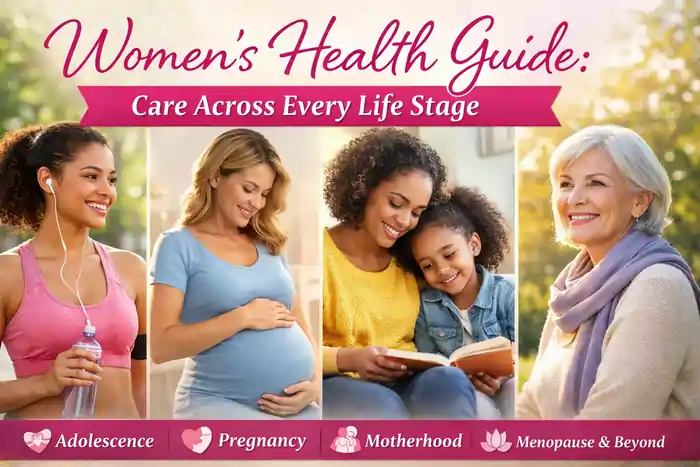
Women’s health evolves continuously across different life stages, influenced by hormonal changes, reproductive transitions, aging, and lifestyle factors. From adolescence to postmenopausal years, each phase presents unique health needs, risks, and preventive care priorities, which is why stage-based care is essential. Understanding these changes allows women and healthcare providers to take proactive steps to maintain physical, mental, and reproductive health across the lifespan.
According to the World Health Organization’s women’s health framework, women’s health extends beyond reproductive care and includes overall physical, mental, and social well-being, with an emphasis on equity and access throughout life. WHO’s global approach to women’s health highlights targeted strategies for pregnancy complications, hormonal disorders, and aging-related conditions, recognizing that women often live longer and face unique disease burdens.
The Centers for Disease Control and Prevention’s women’s health statistics also show that women experience distinct challenges, including higher rates of autoimmune conditions and osteoporosis, along with cardiovascular risks that may present differently than in men. Preventive care and early screening significantly reduce long-term complications by detecting disease patterns early and supporting risk factor control.
Research from the National Institutes of Health and the American Heart Association’s women-focused cardiovascular guidance further shows that hormonal changes—particularly shifts in estrogen—play a key role in cardiovascular health, metabolism, and bone density, influencing how diseases emerge and progress at different ages.
Understanding Women’s Health Across the Lifespan
Women’s health is shaped by biological, hormonal, environmental, and social factors. Key areas include:
- reproductive health
- hormonal regulation
- cardiovascular function
- bone density
- immune response
- mental health
The NIH Office of Research on Women’s Health explains that sex-specific biology and gender-related factors affect how diseases develop and respond to treatment, reinforcing the need for personalized, stage-based healthcare rather than a one-size-fits-all approach.
Adolescence: Foundations of Women’s Health
Adolescence is a critical stage where lifelong health patterns begin.
Key Changes During Adolescence
- onset of puberty
- hormonal fluctuations
- menstrual cycle development
- rapid physical growth
The CDC’s adolescent and young adult health programs emphasize early education, HPV vaccination, and proper nutrition to reduce long-term risks such as cervical cancer, sexually transmitted infections, and metabolic disease.
Common Health Concerns
- irregular menstruation
- dysmenorrhea (painful periods)
- acne
- iron deficiency
- mental health challenges
Reproductive Years: Hormonal Balance and Fertility
The reproductive years involve active hormonal cycles, fertility, and often pregnancy planning or prevention.
Menstrual Health and Hormonal Regulation
Menstrual irregularities may indicate underlying conditions such as:
- thyroid disorders
- hormonal imbalance
- metabolic dysfunction
One of the most common conditions is polycystic ovary syndrome (PCOS), which is strongly linked to insulin resistance and long-term cardiovascular risk according to NIH-supported endocrine research on women’s metabolic health.
👉 Learn more in:
PCOS: Symptoms and Management
Iron Deficiency and Women’s Health
Iron deficiency anemia is a widespread condition among women, particularly in reproductive years. The World Health Organization’s anemia data identify iron deficiency as one of the leading causes of anemia globally, especially in women of reproductive age due to menstrual blood loss and pregnancy demands.
Symptoms Include
- fatigue
- dizziness
- pale skin
- shortness of breath
👉 Learn more in:
Iron Deficiency Anemia in Women
Pregnancy and Maternal Health
Pregnancy is a high-impact life stage requiring comprehensive, coordinated care.
The WHO antenatal care recommendations emphasize at least eight prenatal contacts to improve maternal and fetal outcomes, reduce complications, and support a positive pregnancy experience. The CDC’s maternal and infant health programs highlight that early and consistent prenatal care reduces risks of preeclampsia, gestational diabetes, and preterm birth. Additionally, NIH-supported research shows that maternal cardiovascular health during pregnancy can influence long-term heart disease risk for the mother.
Cardiovascular Health in Women
Heart disease remains the leading cause of death in women worldwide, not just a “male” problem. The American Heart Association’s guidance on women and cardiovascular disease notes that women often experience different heart attack symptoms, such as:
- fatigue
- nausea
- shortness of breath
- back or jaw pain
Hormonal changes—especially after menopause—significantly increase cardiovascular risk, a finding supported by both AHA clinical guidelines and NIH research on midlife health and menopause.
Mental Health Across Life Stages
Mental health is a core component of women’s health. The World Health Organization’s mental health data report that women are more likely to experience depression and anxiety, and that gender-based violence, caregiving burden, and social roles contribute to stress-related disorders across life stages. Hormonal changes during menstruation, pregnancy, postpartum, and menopause also contribute to these risks, and WHO mental health initiatives emphasize that early intervention, counseling, and social support improve outcomes.
Perimenopause and Menopause
Menopause represents a major hormonal transition, typically occurring in midlife.
The National Institute on Aging explains that declining estrogen levels lead to physiological changes affecting bone density, cardiovascular health, and metabolism, and NIA-funded studies like SWAN (Study of Women’s Health Across the Nation) have helped distinguish aging effects from menopause-specific changes.
Common Symptoms
- hot flashes
- night sweats
- mood swings
- sleep disturbances
👉 Learn more in:
Menopause: What to Expect
Bone Health and Osteoporosis
Women are at significantly higher risk of osteoporosis, especially after menopause. The NIH- and NCBI-backed review on osteoporosis in females explains that reduced estrogen levels accelerate bone loss and increase fracture risk, making early screening and prevention crucial.
Prevention Strategies
- calcium-rich diet
- vitamin D supplementation
- weight-bearing exercise
Aging and Chronic Disease Management
As women age, chronic diseases become more prevalent and often overlap. The CDC’s chronic condition data in older adults indicate that most women over 65 manage at least one long-term condition such as heart disease, diabetes, or arthritis, with women often showing higher rates of hypertension and arthritis than men in the oldest age groups. Preventive care and early intervention are essential for maintaining independence and quality of life in later years.
Preventive Care and Screenings
Routine screenings play a vital role in women’s health across all stages.cdc+1
The CDC and WHO screening guidelines recommend:
- cervical cancer screening (Pap smear and HPV testing)
- breast cancer screening (mammography at appropriate ages)
- blood pressure monitoring
- cholesterol testing
- diabetes screening
Vaccination programs, including HPV vaccination in adolescence and influenza vaccination in adulthood, also reduce disease risk by preventing infections linked to cancer and severe respiratory illness.
Lifestyle Factors for Women’s Health
Healthy lifestyle habits improve long-term outcomes for women at every age.
Key Recommendations
- balanced nutrition
- regular exercise
- adequate sleep
- stress management
- avoiding tobacco and limiting alcohol
The American Heart Association emphasizes that lifestyle changes such as improved diet, physical activity, and blood pressure management can significantly reduce cardiovascular disease risk in women, including those with additional risks like autoimmune disease or diabetes.
Warning Signs Women Should Not Ignore
Certain symptoms require urgent medical attention and should never be dismissed as “just stress” or “normal female issues.”
Red Flags Include
- chest pain or pressure
- abnormal vaginal bleeding
- sudden severe headache
- unexplained weight loss
- persistent fatigue
The CDC and WHO stress that early recognition of warning signs, followed by timely evaluation, improves survival and treatment outcomes for conditions such as heart attack, stroke, cancer, and severe anemia.
Key Takeaways| Womens Health Guide
Women’s health requires a life-stage approach that adapts to hormonal, physiological, and social changes from adolescence through older adulthood. Preventive care, early detection, and lifestyle management are essential for reducing risks and improving quality of life. Global organizations such as the World Health Organization, the Centers for Disease Control and Prevention, the National Institutes of Health, the National Institute on Aging, and the American Heart Association continue to provide evidence-based guidance to support women’s health at every stage.
FAQ | Women’s Health Across Life Stages
What are the main stages of women’s health?
Adolescence, reproductive years, pregnancy, menopause, and older adulthood are commonly used stages in women’s health research.
What are common health issues in women?
Common issues include PCOS, anemia, heart disease, osteoporosis, and menopause-related symptoms, as highlighted in NIH women’s health fact sheets and cardiovascular guidance.
Why is preventive care important?
Early detection reduces complications and improves long-term health outcomes by enabling earlier treatment and risk-factor management.
How can women stay healthy long-term?
Balanced diet, regular exercise, routine screenings, and ongoing medical care are central strategies recommended by WHO, CDC, NIH, and AHA for women’s long-term health.
Medical Disclaimer
This article is intended for educational purposes only and should not replace professional medical advice, diagnosis, or treatment. Always consult a qualified healthcare professional for personalized medical guidance regarding women’s health and medical conditions.
Written by: Eden Grace Ramos, RN
Medical Resources
Clinical insights in this article are based on guidance from the World Health Organization’s women’s health resources, which frame women’s health as a lifelong, multi-dimensional priority. Data on women’s health status and chronic disease burden draw from CDC women’s health statistics. Research and definitions of hormonal, bone, and disease-related changes are informed by the National Institutes of Health and its Office of Research on Women’s Health and NIH-supported osteoporosis reviews. Aging, menopause, and midlife transitions reference findings from the National Institute on Aging. Cardiovascular health content aligns with American Heart Association–linked guidance on women and heart disease.