
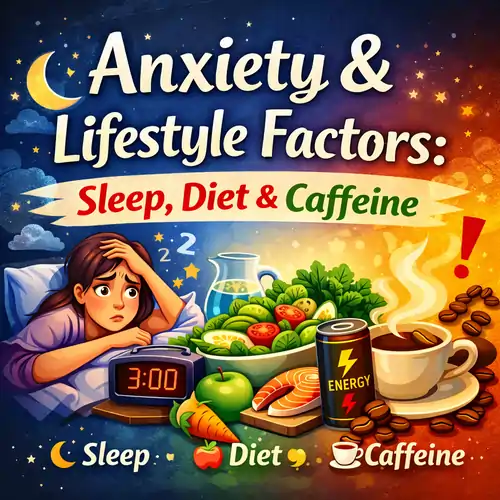
Anxiety and lifestyle factors are closely connected, with daily habits such as sleep quality, diet and nutrition, and caffeine intake playing a major role in influencing anxiety symptoms. According to the Centers for Disease Control and Prevention (CDC), poor lifestyle habits can increase stress levels and worsen mental health conditions. Lack of sleep, excessive caffeine consumption, and an unbalanced diet can disrupt brain chemistry, increase cortisol levels, and trigger anxiety disorders. Understanding how lifestyle impacts mental health can help individuals reduce symptoms and improve overall well‑being.
Introduction to Anxiety and Lifestyle Factors
The relationship between anxiety and lifestyle factors is one of the most important yet often overlooked aspects of mental health. While genetics and environmental stressors contribute to anxiety disorders, everyday habits significantly influence how anxiety develops and persists.pmc.ncbi.nlm.nih+1
Lifestyle choices affect the body’s nervous system, hormonal balance, and brain function, all of which play a role in emotional regulation. The World Health Organization (WHO) emphasizes that mental health is influenced by both biological and lifestyle‑related factors such as sleep, physical activity, and substance use.pmc.ncbi.nlm.nih+3
Understanding how sleep, diet, and caffeine impact anxiety allows individuals to take proactive steps toward better mental health.
How Lifestyle Factors Affect Anxiety
1. Impact on Brain Chemistry
Lifestyle habits influence neurotransmitters such as serotonin, dopamine, and GABA, which regulate mood, stress response, and emotional stability. The National Institute of Mental Health (NIMH) explains that imbalances in these systems contribute to anxiety symptoms and related disorders.
2. Hormonal Regulation
Lifestyle factors also affect hormones such as:
- Cortisol (stress hormone)
- Melatonin (sleep hormone)
Disruptions in these hormones—through chronic stress, irregular sleep, or stimulant use—can increase stress levels and worsen anxiety.
3. Nervous System Activation
Poor lifestyle habits, including chronic sleep deprivation, high caffeine intake, and sedentary behavior, can overstimulate the sympathetic nervous system and keep the body in a constant fight‑or‑flight state, which maintains or intensifies anxiety.
Sleep and Anxiety
The Connection Between Sleep and Anxiety
Sleep and anxiety are closely linked. Poor sleep quality can increase anxiety symptoms, while anxiety can make it harder to sleep. The CDC explains that insufficient sleep negatively affects mental health, cognitive performance, and emotional regulation.
How Sleep Affects Anxiety
- Disrupts emotional regulation and coping
- Increases cortisol and other stress hormones
- Reduces resilience to daily stressorscdc+1
Common Sleep Problems Linked to Anxiety
- Insomnia
- Frequent waking
- Difficulty falling or staying asleep
Improving Sleep to Reduce Anxiety
- Maintain a consistent sleep schedule
- Limit screen time before bed
- Practice relaxation techniques such as deep breathing or meditation
These strategies align with CDC recommendations for healthy sleep and stress management.
Diet and Anxiety
How Diet Affects Mental Health
The relationship between diet and anxiety is supported by growing research. Nutritional intake affects brain function, inflammation, and mood regulation. Reviews in nutritional psychiatry describe how dietary patterns such as Mediterranean‑style eating are associated with better mental health outcomes.
The National Institutes of Health and other research groups explain that nutrition influences mental health through nutrient availability, gut–brain communication, and oxidative stress.
Foods That May Worsen Anxiety
- High‑sugar foods
- Highly processed foods
- Refined carbohydrates
These foods can cause blood‑sugar spikes and crashes, which may destabilize mood and energy levels.
Foods That Support Mental Health
- Whole grains
- Fruits and vegetables
- Omega‑3 fatty acids from fish, nuts, and seeds
These nutrient‑dense foods support brain structure, neurotransmitter production, and overall mental well‑being.
Nutrient Deficiencies and Anxiety
Deficiencies in nutrients such as magnesium, B‑vitamins, and vitamin D have been linked to higher rates of anxiety and depressive symptoms in observational and intervention studies.
Caffeine and Anxiety
How Caffeine Affects Anxiety
Caffeine and anxiety are strongly linked because caffeine stimulates the central nervous system and can mimic or amplify anxiety symptoms.
Effects of caffeine include:
- Increased heart rate
- Raised cortisol levels
- Restlessness or jitteriness
The U.S. Food and Drug Administration (FDA) provides guidance on safe caffeine intake and notes that sensitivity varies between individuals.
Who Is More Sensitive to Caffeine?
- Individuals with anxiety disorders
- People with sleep problems or cardiovascular issues
Managing Caffeine Intake
- Limit daily intake based on individual tolerance
- Avoid caffeine in the late afternoon and evening
- Consider low‑caffeine or caffeine‑free alternatives such as herbal teas
Other Lifestyle Factors That Affect Anxiety
- Physical activity – Regular exercise reduces stress hormones and increases endorphins, which improves mood and resilience.
- Screen time – Excessive screen exposure, particularly before bed, can increase stress, disrupt sleep, and worsen anxiety.
- Social interaction – Strong social support is associated with better mental health and lower anxiety levels.
How Lifestyle Habits Trigger Anxiety
- Chronic sleep deprivation – Leads to increased stress, impaired decision‑making, and reduced emotional resilience.
- Poor diet – Affects brain function, inflammation, and emotional stability.
- Excessive stimulants – High caffeine and energy‑drink use can overstimulate the nervous system and provoke anxiety or panic‑like symptoms.
Symptoms of Lifestyle‑Related Anxiety
Physical Symptoms
- Rapid heartbeat
- Fatigue
- Headaches
Emotional Symptoms
- Worry
- Irritability
- Restlessness
Behavioral Symptoms
- Avoidance
- Difficulty concentrating
These symptoms often improve when sleep, diet, and stimulant use are optimized.
Long‑Term Effects of Poor Lifestyle Habits
- Increased risk of anxiety and depressive disorders
- Higher rates of chronic physical illnesses
- Reduced quality of life and productivity
How to Manage Anxiety Through Lifestyle Changes
- Improve sleep hygiene
- Set a regular sleep and wake time.
- Create a relaxing bedtime routine and limit screens.
- Eat a balanced diet
- Focus on whole, minimally processed foods.
- Avoid excessive sugar and refined carbohydrates.
- Reduce caffeine intake
- Limit total daily consumption.
- Monitor personal sensitivity and adjust accordingly.
- Exercise regularly
- Aim for at least 150 minutes of moderate activity per week, as recommended in public‑health guidelines.
- Include both cardiovascular and strength‑training exercises.
- Practice stress management
- Mindfulness and meditation
- Breathing exercises
- Relaxation and grounding techniquesstacks.
Preventing Anxiety Through Healthy Lifestyle Choices
Maintaining consistent healthy habits, monitoring changes in sleep and mood, and seeking help early when symptoms arise can all reduce the risk of anxiety becoming chronic. Combining self‑care with professional guidance offers the best protection.
Living with Anxiety and Improving Lifestyle
Living with anxiety requires ongoing awareness and gradual lifestyle improvements. Small, sustainable changes in sleep, diet, physical activity, and caffeine intake can significantly impact mental health and quality of life over time.
Frequently Asked Questions (FAQs)
- Can lifestyle factors cause anxiety?
Yes. Poor sleep, unbalanced diet, and excessive caffeine can affect brain function and stress hormones, triggering or worsening anxiety symptoms. - How does sleep affect anxiety?
Sleep plays a crucial role in emotional regulation. Poor sleep increases stress hormones and anxiety, while good sleep supports mental health. - Can diet affect anxiety?
Yes. Diet influences brain chemistry, inflammation, and energy levels. Nutrient deficiencies and highly processed foods can worsen anxiety. - Does caffeine increase anxiety?
Yes. Caffeine stimulates the nervous system, raises heart rate, and can heighten nervousness, especially in sensitive individuals. - What foods help reduce anxiety?
Whole foods, fruits, vegetables, and omega‑3‑rich foods support mental health by providing essential nutrients for brain function. - Can poor sleep cause anxiety disorders?
Chronic sleep deprivation contributes to the development and persistence of anxiety disorders by disrupting stress‑response systems. - How much caffeine is too much?
Safe limits vary, but the FDA notes that up to 400 mg per day is a general upper limit for healthy adults; some people need less. - Can exercise reduce anxiety?
Yes. Regular physical activity reduces stress hormones and improves mood, and is recommended as part of anxiety management. - What lifestyle changes help anxiety most?
Improving sleep, eating a balanced diet, reducing caffeine, and using stress‑management techniques are key pillars of support. - Can screen time affect anxiety?
Yes. Excessive screen time, especially late at night, can disrupt sleep and increase stress, worsening anxiety symptoms. - Can hydration affect anxiety?
Dehydration can affect concentration, energy, and mood, indirectly worsening anxiety; adequate fluid intake supports brain function. - Can alcohol worsen anxiety?
Yes. Alcohol can temporarily reduce anxiety but often leads to rebound anxiety and sleep disruption later. - Is lifestyle‑related anxiety reversible?
Many people experience significant improvement when they consistently adopt healthier lifestyle habits. - Can stress from work cause anxiety?
Ongoing work‑related stress is a common trigger and can contribute to anxiety disorders if not managed well. - How long does it take to improve anxiety with lifestyle changes?
Some individuals notice benefits within a few weeks, but long‑term consistency yields the best results. - Can poor diet cause panic attacks?
Large blood‑sugar swings and heavy stimulant use can mimic or trigger panic‑like symptoms in some people. - Should I avoid caffeine completely?
Not always, but people with anxiety often benefit from reducing or timing caffeine carefully based on personal sensitivity. - Can supplements help anxiety?
Certain nutrients may support mental health, but evidence varies; it is important to consult a healthcare provider before starting supplements. - When should I seek help?
Seek professional help if anxiety interferes with daily life, persists despite lifestyle changes, or is accompanied by significant distress. - Can lifestyle alone treat anxiety?
Lifestyle changes can significantly reduce symptoms, but moderate to severe anxiety may also require therapy or medication for full treatment.
Written by: Eden Grace Ramos, RN
Medical Disclaimer
This article is for informational and educational purposes only and does not replace professional medical advice. Anxiety and lifestyle‑related mental health conditions require proper diagnosis and treatment by qualified healthcare professionals. Always consult a licensed physician or mental health specialist. Content is informed by guidelines and research from the World Health Organization (WHO), the Centers for Disease Control and Prevention (CDC), the National Institutes of Health (NIH), and the National Institute of Mental Health (NIMH).