
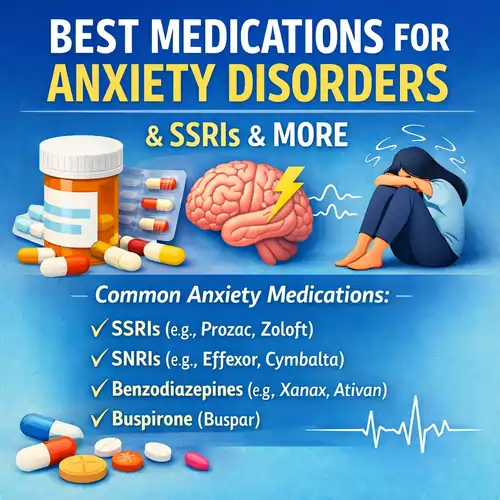
Medications for anxiety disorders are commonly used to reduce anxiety symptoms, regulate brain chemistry, and improve daily functioning. The most widely prescribed options include SSRIs (selective serotonin reuptake inhibitors), SNRIs, and benzodiazepines, each working in different ways to manage generalized anxiety disorder, panic disorder, and other conditions. According to the National Institute of Mental Health (NIMH), medication is often combined with therapy, such as cognitive behavioral therapy (CBT), for the best outcomes. Understanding the benefits, risks, and differences between these medications helps patients and healthcare providers choose the most appropriate treatment.
Introduction to Medications for Anxiety Disorders
Understanding the best medications for anxiety disorders is essential for individuals seeking effective treatment for persistent anxiety symptoms. Anxiety disorders are among the most common mental health conditions, affecting millions of people worldwide.
The World Health Organization (WHO) emphasizes that anxiety disorders can be effectively treated with a combination of medication, therapy, and lifestyle interventions. While not everyone requires medication, it can play a crucial role for moderate to severe cases.
Choosing the right anxiety medication depends on individual symptoms, medical history, and treatment goals.
How Anxiety Medications Work
Most medications for anxiety work by affecting neurotransmitters in the brain.
Key neurotransmitters:
- Serotonin
- Norepinephrine
- GABA
These chemicals regulate mood, stress response, and emotional stability. The National Institutes of Health (NIH) explains how neurotransmitters influence mental health and how medications can modify these pathways.
Types of Medications for Anxiety Disorders
1. SSRIs (Selective Serotonin Reuptake Inhibitors)
SSRIs are considered first‑line treatment for many anxiety disorders.
Common SSRIs:
- Sertraline
- Fluoxetine
- Escitalopram
- Paroxetine
How SSRIs work:
They increase serotonin levels in the brain, which can improve mood and reduce anxiety over time.
Benefits of SSRIs:
- Effective for long‑term treatment
- Lower risk of dependency compared with benzodiazepines
- Can treat multiple anxiety disorders and depression
Common side effects:
- Nausea
- Sleep disturbances
- Headaches
2. SNRIs (Serotonin–Norepinephrine Reuptake Inhibitors)
SNRIs are another common option for treating anxiety, particularly generalized anxiety disorder.
Examples:
- Venlafaxine
- Duloxetine
How SNRIs work:
They affect both serotonin and norepinephrine, helping regulate mood and the body’s response to stress.
3. Benzodiazepines
Benzodiazepines are fast‑acting medications used for short‑term relief of severe anxiety or panic.
Examples:
- Diazepam
- Alprazolam
- Lorazepam
Benefits:
- Rapid symptom relief
- Useful for acute anxiety spikes or panic attacks
Risks:
- Dependence and tolerance with prolonged use
- Sedation and impaired coordination
- Withdrawal symptoms if stopped abruptly
Because of these risks, benzodiazepines are usually prescribed for short periods and under close medical supervision.
4. Beta‑Blockers
Beta‑blockers are sometimes used to manage the physical symptoms of anxiety, especially performance or situational anxiety.
Example:
- Propranolol
They reduce physical signs such as rapid heart rate and tremors but do not directly treat anxious thoughts.
5. Buspirone
Buspirone is a non‑benzodiazepine medication used mainly for generalized anxiety disorder.
Benefits:
- Lower risk of dependency
- Suitable for longer‑term use in some patients
It may take several weeks to reach full effect.
6. Tricyclic Antidepressants (TCAs)
TCAs are older antidepressants that can be effective for anxiety but are generally used when newer medications are ineffective or not tolerated, due to a higher side‑effect burden.
7. MAOIs (Monoamine Oxidase Inhibitors)
MAOIs are rarely used today for anxiety because they require strict dietary restrictions and can have significant interactions and side effects. They are reserved for treatment‑resistant cases under specialist care.
Choosing the Best Medication for Anxiety
Factors to consider:
- Type of anxiety disorder
- Symptom severity and duration
- Medical history and other medications
- Side‑effect profile and personal preferences
A healthcare provider evaluates these factors before prescribing medication and may adjust doses over time based on response.
SSRIs vs Benzodiazepines
SSRIs
- Designed for long‑term treatment
- Take several weeks to reach full effect
- Lower dependency risk
Benzodiazepines
- Intended for short‑term or intermittent use
- Work within minutes to hours
- Higher dependency and withdrawal risk
Many treatment plans use SSRIs for maintenance and reserve benzodiazepines, if needed, for brief acute episodes.
Combining Medication with Therapy
Medication is most effective when combined with psychotherapy, particularly CBT.
Benefits of combination treatment:
- Medications reduce symptoms enough to make therapy easier to engage in
- Therapy addresses thought patterns and behaviors that medications do not change
- Combined approach improves long‑term outcomes and reduces relapse risk
Side Effects of Anxiety Medications
Common side effects:
- Drowsiness or fatigue
- Nausea or stomach upset
- Dizziness or light‑headedness
Potential serious side effects:
- Mood changes or worsening anxiety early in treatment
- Suicidal thoughts, particularly in younger individuals (requires urgent medical attention)
- Significant blood‑pressure changes or heart‑rhythm issues with some medications
Any concerning side effects should be discussed promptly with a healthcare provider.
How Long Do Anxiety Medications Take to Work?
- SSRIs/SNRIs: typically 2–6 weeks for noticeable improvement, with continued gains over several months.
- Benzodiazepines: work within minutes to hours but are not meant as a sole long‑term solution.
Patience and regular follow‑up appointments are important, as adjustments are often needed.
Risks and Considerations
- Dependency and withdrawal risk with benzodiazepines
- Possible drug interactions with other prescriptions, over‑the‑counter medicines, or supplements
- Need for gradual tapering when stopping many anxiety medications
The U.S. Food and Drug Administration (FDA) provides detailed medication safety information, including black‑box warnings and guidance on use and discontinuation.
Lifestyle Support for Medication Treatment
Medication works best alongside:
- Healthy sleep habits
- Balanced diet and regular meals
- Physical activity
- Stress‑management techniques such as mindfulness or relaxation
These habits support brain health and may allow for lower doses or shorter treatment duration.
When to Seek Medical Help
Seek professional help if:
- Anxiety is severe or persistent
- Symptoms interfere with work, school, or relationships
- Panic attacks occur or you fear leaving home or social situations
A licensed healthcare professional can evaluate symptoms, rule out medical causes, and discuss whether medication, therapy, or both are appropriate.
Living with Anxiety While on Medication
- Take medications exactly as prescribed.
- Do not change doses or stop suddenly without medical guidance.
- Keep regular follow‑up appointments to monitor effectiveness and side effects.
- Combine medication with therapy and lifestyle changes for the best long‑term results.
Preventing Relapse
- Continue treatment for the recommended duration, even after feeling better.
- Avoid abruptly discontinuing medication; taper under medical supervision.
- Maintain therapy or periodic check‑ins if helpful.
- Keep up healthy routines that support mental health.
Frequently Asked Questions (FAQs)
- What are the best medications for anxiety disorders?
Commonly used options include SSRIs, SNRIs, and benzodiazepines; the “best” choice depends on the specific disorder and individual factors. - Are SSRIs safe for anxiety?
SSRIs are generally considered safe and are widely used, with manageable side effects for most people under medical supervision. - How fast do anxiety medications work?
Benzodiazepines act quickly, while SSRIs and SNRIs typically take several weeks to show full benefit. - Can anxiety be treated without medication?
Yes. Many people improve with therapy and lifestyle changes alone, especially in milder cases. - Are benzodiazepines addictive?
They carry a significant risk of dependence and are usually reserved for short‑term or occasional use. - What are side effects of SSRIs?
Common effects include nausea, headaches, and sleep changes; these often lessen over time. - Can I stop anxiety medication anytime?
No. Stopping abruptly can cause withdrawal symptoms; always taper under a doctor’s guidance. - How long should I take anxiety medication?
Duration varies; some people take it for several months, others longer. Decisions are made with a healthcare provider. - Do medications cure anxiety?
Medications manage symptoms but may not address underlying causes; combining them with therapy provides a more complete approach. - Can I take anxiety medication daily?
Many medications (like SSRIs) are designed for daily use; follow your prescriber’s instructions. - What is the safest anxiety medication?
SSRIs are often considered a safe first choice, but “safest” depends on individual health and other medications. - Can medications worsen anxiety?
Some people experience increased anxiety at the start of treatment; this usually improves, but should be monitored. - Are there natural alternatives?
Some natural approaches may help, but evidence is mixed; they should be discussed with a healthcare professional. - Can anxiety medications affect sleep?
Yes—some improve sleep, others may disrupt it. Your prescriber can adjust timing or type if needed. - Can children take anxiety medication?
Yes, but only under specialist supervision with careful monitoring and usually alongside therapy. - What happens if medication doesn’t work?
Doctors may adjust the dose, switch medications, or add therapy or another medicine. - Are beta‑blockers used for anxiety?
Yes, mainly for physical symptoms like racing heart in performance or situational anxiety. - Can I combine medication with therapy?
Yes; combining both is often more effective than either alone for many people. - Are anxiety medications expensive?
Costs vary, but many are available as lower‑cost generics, and insurance often covers part of the expense. - When should I see a doctor?
See a doctor if anxiety interferes with daily life, persists for more than a few weeks, or causes significant distress.
Written by: Eden Grace Ramos, RN
Medical Disclaimer
This article is for informational and educational purposes only and does not replace professional medical advice. Anxiety medications and treatment options require proper diagnosis and supervision by qualified healthcare professionals. Always consult a licensed physician or mental health specialist.