
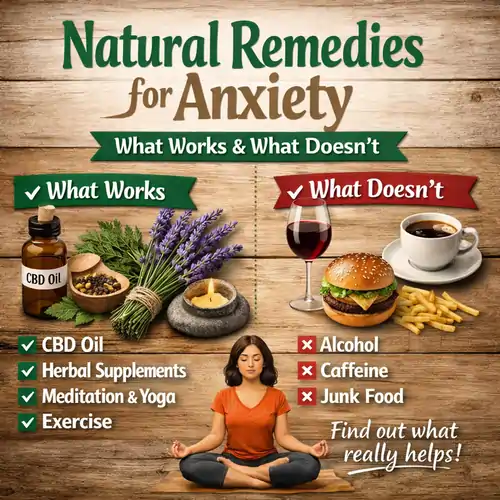
Natural remedies for anxiety are widely used to manage anxiety symptoms without medication, but not all approaches are equally effective. Evidence‑based strategies such as mindfulness, exercise, and specific dietary improvements can help regulate stress hormones and improve mental health, while others lack scientific support. According to the National Institute of Mental Health (NIMH), natural approaches may complement—but not replace—professional treatment like therapy or medication when needed. Understanding what works and what doesn’t helps individuals make safe and informed decisions about anxiety management.
Introduction to Natural Remedies for Anxiety
The growing interest in natural remedies for anxiety reflects a shift toward holistic and non‑pharmaceutical approaches to mental health care. Many individuals prefer natural methods to manage stress, reduce anxiety symptoms, and improve overall well‑being.
The World Health Organization (WHO) emphasizes that mental health treatment should consider biological, psychological, and lifestyle factors and can include integrating natural approaches alongside evidence‑based treatments.
However, not all natural treatments for anxiety are effective, and some may even be misleading. Understanding the difference between evidence‑based remedies and unsupported claims is essential.
How Natural Remedies Help Anxiety
- Regulating brain chemistry – Natural approaches can influence neurotransmitters such as serotonin, dopamine, and GABA, which play key roles in mood and emotional regulation.
- Reducing stress hormones – Effective techniques can lower cortisol levels and support a healthier stress response.
- Supporting nervous‑system balance – Many strategies calm the autonomic nervous system, reducing the fight‑or‑flight response that drives anxiety.
Natural Remedies That Work for Anxiety
1. Mindfulness and Meditation
Mindfulness is one of the most studied natural treatments for anxiety.
Benefits:
- Reduces stress levels
- Improves emotional regulation
- Enhances self‑awareness and acceptance
Research summarized by the National Institutes of Health supports mindfulness‑based interventions as effective for reducing anxiety symptoms in many populations.
2. Regular Exercise
Exercise and anxiety are strongly connected in the research literature.
How exercise helps:
- Reduces stress hormones
- Boosts endorphins and other mood‑supporting chemicals
- Improves sleep and overall resilience
Even moderate activities like walking, cycling, or yoga can make a meaningful difference when done consistently.
3. Proper Sleep Hygiene
Sleep and anxiety are deeply linked: poor sleep increases anxiety, and anxiety often disrupts sleep.
Benefits of good sleep:
- Improves emotional stability
- Reduces irritability and reactivity
- Enhances coping ability
The CDC explains that insufficient sleep negatively affects mental health, decision‑making, and stress tolerance.
4. Healthy Diet and Nutrition
The relationship between diet and anxiety is increasingly supported by research in nutritional psychiatry.
Helpful nutrients and patterns include:
- Omega‑3 fatty acids (from fish, nuts, seeds)
- Magnesium‑rich foods
- B‑vitamin and vitamin‑D sufficiency
- Diets rich in whole grains, fruits, vegetables, and minimally processed foods
Balanced nutrition supports brain health, gut health, and stable energy, all of which influence anxiety.
5. Breathing Exercises
Controlled breathing helps regulate the nervous system and can quickly reduce acute anxiety symptoms.
Examples:
- Slow diaphragmatic breathing
- Box breathing (inhale–hold–exhale–hold in equal counts)
These can be practiced anywhere and are often incorporated into CBT and mindfulness programs.
6. Herbal Supplements (With Caution)
Commonly used supplements include ashwagandha, chamomile, and lavender. Some small studies suggest potential benefits, but evidence is mixed and doses vary. Because herbs can interact with medications or medical conditions, they should be used under professional guidance rather than as self‑prescribed cures.
7. Social Support
Strong relationships and supportive social networks are consistently linked with better mental health and lower anxiety. Sharing concerns, seeking support, and staying connected can buffer stress.
Natural Remedies That May Help (Limited Evidence)
- Aromatherapy – Essential oils such as lavender or bergamot may promote relaxation for some people, but evidence is modest and often short‑term.
- Acupuncture – Some individuals report reduced anxiety, and limited studies suggest possible benefits, but results are not consistent.
- Yoga – Combines physical movement, breathing, and mindfulness; research suggests it can reduce stress and anxiety, particularly when practiced regularly.
Natural Remedies That Do NOT Work or Lack Evidence
- Detox diets – There is no scientific evidence that detox diets remove “toxins” that cause anxiety; they may lead to nutrient deficits or blood‑sugar swings.
- “Miracle” supplements – Products claiming instant anxiety relief or cures are often misleading and may be unsafe or unregulated.
- Extreme fasting – Can worsen anxiety due to low blood sugar, physical stress, and disrupted hormones.
Risks of Natural Remedies
Even natural treatments carry potential risks, including:
- Drug interactions with prescription medications
- Allergic reactions or side effects
- Delayed evidence‑based treatment when natural methods are used instead of appropriate medical care
Always consult a healthcare provider before starting new supplements or major lifestyle interventions, especially if you have other medical conditions.
When Natural Remedies Are Not Enough
Natural approaches may not be sufficient for:
- Severe or long‑lasting anxiety
- Panic disorder or frequent panic attacks
- Anxiety that significantly impairs work, school, or relationships
In these cases, professional treatment—such as CBT, other therapies, and/or medication—is usually necessary, with natural methods used as supportive add‑ons.
Combining Natural Remedies with Medical Treatment
The best results often come from combining:
- Natural remedies (exercise, sleep, mindfulness, healthy diet)
- Evidence‑based therapy (e.g., CBT)
- Medication when needed and prescribed
This integrated approach addresses both biological and psychological aspects of anxiety.
How to Choose the Right Natural Approach
Consider:
- The severity and impact of your symptoms
- Your medical history and current medications
- Personal preferences and values
- Advice from a qualified healthcare professional
Start with low‑risk, evidence‑supported options like sleep, exercise, mindfulness, and healthy eating before trying supplements.
Long‑Term Benefits of Natural Anxiety Management
When used consistently, natural approaches can:
- Improve resilience to stress
- Enhance overall physical health
- Reduce reliance on medication for some individuals (always under medical guidance)
They often become sustainable lifestyle habits rather than short‑term fixes.
Lifestyle Habits That Support Natural Remedies
- Keeping a consistent daily routine
- Eating balanced meals and staying hydrated
- Maintaining regular physical activity
- Limiting caffeine, alcohol, and nicotine
- Protecting sleep and scheduling downtime
When to Seek Professional Help
Seek professional help if:
- Symptoms persist for weeks or months
- Anxiety worsens despite lifestyle changes
- Daily functioning at work, school, or home is affected
- You experience panic attacks, suicidal thoughts, or severe distress
Early evaluation can clarify what combination of natural and medical treatments is appropriate.
Living with Anxiety Using Natural Methods
Managing anxiety naturally requires consistency and realistic expectations. Small daily habits—such as regular movement, mindful breathing, balanced meals, and good sleep—can add up to significant improvements over time, especially when combined with professional support.
Frequently Asked Questions (FAQs)
- Do natural remedies work for anxiety?
Some natural remedies, like mindfulness, exercise, and healthy sleep, are effective for many people with mild anxiety, but results vary. - What is the best natural remedy for anxiety?
Mindfulness and regular physical activity are among the most supported by research, especially when practiced consistently. - Can diet affect anxiety?
Yes. Nutrient deficiencies and highly processed diets can worsen anxiety, while balanced nutrition supports brain and mood health. - Are herbal supplements safe?
Some can be safe when used properly, but others interact with medications or are not well‑regulated; professional guidance is essential. - Can natural remedies replace medication?
Not usually for moderate to severe anxiety. They may be enough for mild cases, but many people need therapy and/or medication as well. - Does exercise help anxiety?
Yes. Exercise reduces stress hormones and boosts mood‑supporting chemicals and is one of the most effective natural strategies. - Can breathing exercises reduce anxiety?
Yes. Breathing techniques can quickly calm the nervous system and are useful for managing acute anxiety. - Is yoga effective for anxiety?
Yoga, especially when practiced regularly, can reduce stress and anxiety by combining movement, breath, and mindfulness. - Do essential oils work for anxiety?
They may promote relaxation for some people, but evidence is limited and they should not replace therapy or medication. - Can sleep improve anxiety?
Yes. Good‑quality sleep is crucial for emotional stability; poor sleep often worsens anxiety. - Are natural remedies safe for everyone?
No. Certain conditions, medications, or allergies may make some remedies unsafe; always check with a professional. - Can natural remedies cause harm?
Yes. Misuse, high doses, or interactions with other treatments can lead to complications. - How long do natural remedies take to work?
Timelines vary: some people notice benefits from exercise or breathing within days, while diet and sleep changes may take weeks. - Can anxiety be cured naturally?
Some people experience major improvement with lifestyle changes alone; others need ongoing medical care. Outcomes depend on severity and cause. - Should I combine natural and medical treatments?
Yes, combining approaches is often most effective and is commonly recommended by clinicians. - Can hydration affect anxiety?
Dehydration can worsen fatigue, concentration, and mood, indirectly increasing anxiety. - Can caffeine affect natural remedies?
Yes. Caffeine can counteract calming strategies by increasing heart rate and nervousness; reducing intake often helps. - Are supplements regulated?
Supplements are less strictly regulated than prescription drugs, and quality varies, so reputable brands and professional advice are important. - When should I see a doctor?
See a doctor if anxiety interferes with daily life, persists despite self‑help efforts, or is accompanied by severe physical or emotional symptoms. - Are natural remedies enough for panic disorder?
Usually not. Panic disorder typically requires professional therapy and sometimes medication, with natural methods as supportive tools.
Written by: Eden Grace Ramos, RN
Medical Disclaimer
This article is for informational and educational purposes only and does not replace professional medical advice. Natural remedies for anxiety and other mental health treatments should be guided by qualified healthcare professionals. Always consult a licensed physician or mental health specialist before starting any treatment.