Panic disorder is a type of anxiety disorder marked by recurring and unexpected panic attacks, which involve sudden intense fear and physical symptoms such as rapid heartbeat, shortness of breath, and dizziness. According to the National Institute of Mental Health (NIMH), panic disorder affects millions of adults worldwide and can significantly impair daily functioning if left untreated.
The causes include genetic factors, neurochemical imbalances, and environmental stressors, while effective management involves cognitive behavioral therapy (CBT), medications, and lifestyle interventions.
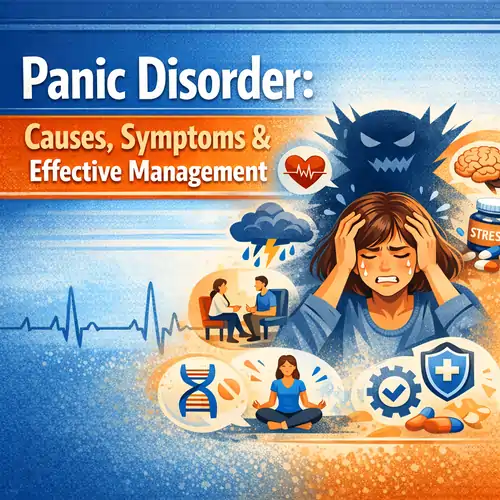
Introduction to Panic Disorder
Panic disorder is a serious but treatable mental health condition classified under anxiety disorders in the Diagnostic and Statistical Manual of Mental Disorders (DSM-5). It is characterized by recurrent panic attacks and ongoing fear of future episodes.
The World Health Organization (WHO) recognizes anxiety disorders, including panic disorder, as a leading cause of global disability—underscoring the importance of early intervention.
Unlike general anxiety, panic disorder often leads to behavioral changes like avoidance, which severely impacts quality of life.
Understanding Panic Attacks
At the core of panic disorder are panic attacks, sudden and intense episodes of fear that trigger both psychological and physical symptoms.
Common Symptoms of Panic Attacks:
- Rapid heartbeat (palpitations)
- Shortness of breath
- Chest pain or discomfort
- Dizziness or lightheadedness
- Sweating and trembling
- Nausea
- Fear of losing control
- Fear of dying
The Centers for Disease Control and Prevention (CDC) notes that panic attack symptoms often resemble serious medical emergencies, such as heart attacks.
Why Panic Attacks Feel So Intense
During a panic attack, the body’s fight-or-flight response activates, releasing stress hormones like adrenaline. Research from the National Institutes of Health (NIH) explains that this system becomes dysregulated in anxiety disorders, leading to exaggerated physiological reactions and overwhelming fear.
Causes of Panic Disorder
The causes of panic disorder include both biological and environmental influences.
- Genetic Factors
People with a family history of anxiety are more vulnerable, according to NIMH. - Brain Chemistry and Function
Imbalances in neurotransmitters like serotonin and GABA contribute to panic symptoms, as shown in NIH research. - Stressful Life Events
The American Psychological Association (APA) explains how chronic stress alters brain function and increases risk for anxiety disorders. - Personality Traits
Traits such as catastrophic thinking and heightened stress sensitivity raise susceptibility to panic disorder. - Medical Conditions
Health issues like thyroid disease or heart arrhythmias can mimic panic symptoms and require proper screening. - Substance Use
Overuse of caffeine or stimulants may trigger panic episodes or worsen existing anxiety.
Risk Factors for Panic Disorder
- Family history of mental illness
- Exposure to trauma
- Chronic stress
- Female gender (per WHO)
- Substance misuse
Symptoms of Panic Disorder
Panic disorder manifests through a mix of physical, psychological, and behavioral symptoms.
Physical Symptoms
- Heart palpitations
- Chest tightness
- Shortness of breath
- Sweating
Psychological Symptoms
- Anticipatory anxiety
- Depersonalization
- Persistent fear
Behavioral Symptoms
- Avoidance behaviors
- Frequent doctor visits
Diagnosis follows standardized criteria from the DSM-5, ensuring accurate clinical evaluation.
Diagnosis of Panic Disorder
Clinical Assessment
Healthcare providers assess symptoms using DSM-5 clinical criteria.
Medical Screening
The CDC recommends ruling out physical conditions like heart disease or thyroid imbalance before confirming a panic disorder diagnosis.
Complications of Panic Disorder
Untreated panic disorder can lead to:
- Agoraphobia (fear of public places)
- Depression
- Substance misuse
- Social isolation
The WHO highlights the long-term burden of untreated anxiety disorders worldwide.
Effective Management of Panic Disorder
- Cognitive Behavioral Therapy (CBT)
The National Institute for Health and Care Excellence (NICE) recommends CBT as the first-line therapy for panic disorder due to its proven ability to restructure anxious thought patterns. - Medications for Panic Disorder
Common medications include SSRIs, SNRIs, and benzodiazepines.
The U.S. Food and Drug Administration (FDA) emphasizes cautious use and professional oversight for these treatments. - Lifestyle Changes
Stress Management Techniques: Deep breathing, mindfulness, and relaxation—endorsed by the CDC.
Healthy Habits: Exercise, quality sleep, and balanced nutrition strengthen mental resilience. - Self-Help Strategies
The Anxiety and Depression Association of America (ADAA) recommends grounding techniques, journaling, and peer support groups for ongoing recovery. - Alternative Therapies
Practices like yoga, biofeedback, and acupuncture may support anxiety management, according to the NIH National Center for Complementary and Integrative Health (NCCIH).
Living with Panic Disorder
With proper treatment, individuals often achieve long-term stability and maintain fulfilling lives. Building supportive relationships and practicing consistent stress management enhances remission and recovery.
Prevention of Panic Disorder
Early intervention, regular stress control, and avoiding stimulant overuse can prevent the onset or recurrence of panic disorder.
Frequently Asked Questions (FAQs)
- What is panic disorder?
Panic disorder involves recurrent panic attacks and fear of future episodes. Early treatment greatly improves outcomes. - What triggers panic attacks?
Triggers may include stress, trauma, or stimulants like caffeine. Some attacks occur unexpectedly, defining the condition. - Are panic attacks dangerous?
They are not physically harmful but may feel severe. Symptoms often mimic heart problems—professional diagnosis is key. - How long do panic attacks last?
Most peak within minutes, though lingering effects may last longer. - Can panic disorder be cured?
Yes, it is highly treatable with therapy, medication, and consistent care. - What is the best treatment?
CBT combined with medication offers optimal symptom control. - Can lifestyle changes help?
Absolutely—exercise, mindfulness, and healthy routines reduce anxiety and recurrence. - Is panic disorder genetic?
Genetic predisposition plays a role, but lifestyle factors matter too. - What is agoraphobia?
Fear of situations where escape feels impossible, often related to panic disorder. - Can children have panic disorder?
Yes, though cases are rarer; symptoms may differ and require early support. - What medications are used?
SSRIs, SNRIs, and benzodiazepines—prescribed under medical supervision. - How is it diagnosed?
Through clinical and medical evaluation based on DSM-5 criteria. - Can it go away on its own?
Sometimes, but untreated cases often worsen—professional help is recommended. - Is panic disorder the same as anxiety?
No, panic disorder is a subtype of anxiety disorder defined by panic attacks. - What is anticipatory anxiety?
Fear of future panic episodes that often leads to avoidance behaviors. - Can diet affect panic disorder?
Yes, caffeine and sugar may aggravate symptoms; nutrition plays a supportive role. - What are grounding techniques?
Methods that help anchor awareness to the present, easing panic symptoms. - Is exercise helpful?
Yes—it improves mood, reduces stress, and promotes resilience. - Can panic disorder lead to depression?
Yes, chronic untreated anxiety often contributes to depressive symptoms. - When should someone seek help?
Any time panic symptoms interfere with daily life—early care ensures recovery.
Written by: Eden Grace Ramos, RN
Medical Disclaimer
This article is for informational purposes only and does not replace professional medical advice. Panic disorder requires proper diagnosis and treatment from qualified healthcare providers.
Always consult a licensed physician or mental health professional.
Content is based on official research from: