
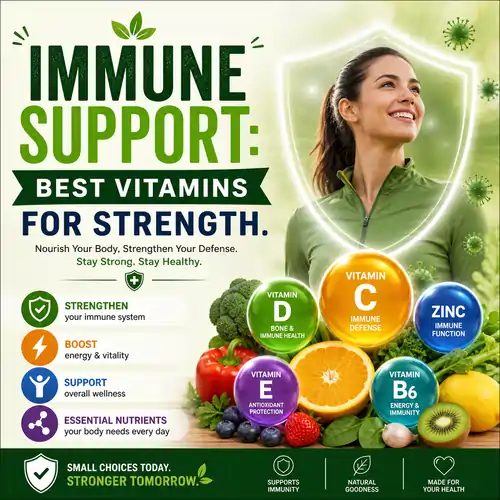
The best vitamins for immune support in 2026 include vitamin C, vitamin D, zinc, vitamin A, and vitamin E, along with key nutrients like selenium and probiotics. These nutrients help strengthen the body’s natural defenses, reduce inflammation, and support overall wellness. A balanced diet combined with smart supplementation can significantly improve immune resilience year-round.
Introduction: Why Immune Strength Matters More Than Ever
Your immune system is your body’s frontline defense against illness, infection, and environmental stressors. In today’s fast-paced world, where stress, pollution, and lifestyle habits can weaken immunity, understanding the role of immune support vitamins is no longer optional—it’s essential.
People often search for the best vitamins for immunity, but the truth is, no single nutrient works alone. The immune system is a complex network that requires a combination of essential vitamins and minerals for immune system support to function at its best.
In this guide, we’ll break down the most effective immune boosting vitamins, how they work, and how you can incorporate them into your daily routine for optimal health in 2026.
How the Immune System Works
Before diving into supplements, it helps to understand the basics. The immune system includes:
- White blood cells
- Antibodies
- Lymphatic system
- Bone marrow
- Spleen
These components work together to detect and eliminate harmful pathogens like viruses and bacteria. Without adequate nutritional support for immunity, this system can become sluggish or overreactive.
Top Vitamins for Immune Support (2026)
1. Vitamin C for Immune System
Vitamin C remains one of the most researched and trusted immune boosting nutrients.
Benefits:
- Supports production of white blood cells
- Acts as a powerful antioxidant
- Reduces duration of colds
- Enhances skin barrier function
Best Sources:
- Citrus fruits
- Bell peppers
- Strawberries
- Broccoli
Why It Matters:
Vitamin C immune support is essential because it helps your body respond faster to infections while protecting cells from oxidative stress.
2. Vitamin D for Immunity
Often called the “sunshine vitamin,” vitamin D plays a crucial role in immune regulation.
Benefits:
- Modulates immune response
- Reduces inflammation
- Supports respiratory health
Best Sources:
- Sunlight exposure
- Fatty fish
- Fortified foods
Why It Matters:
Low levels of vitamin D for immune system strength have been linked to increased susceptibility to infections.
3. Zinc for Immune Support
Zinc immune support is critical for proper immune cell function.
Benefits:
- Supports wound healing
- Helps immune cells communicate
- Reduces severity of infections
Best Sources:
- Meat
- Shellfish
- Seeds
- Nuts
Why It Matters:
A deficiency in zinc for immunity can significantly impair immune response.
4. Vitamin A for Immune Health
Vitamin A immune function is essential for maintaining the integrity of skin and mucosal cells.
Benefits:
- Strengthens first-line defense barriers
- Supports antibody production
- Enhances vision and skin health
Best Sources:
- Carrots
- Sweet potatoes
- Spinach
5. Vitamin E for Immune Strength
Vitamin E antioxidant benefits help protect immune cells from damage.
Benefits:
- Neutralizes free radicals
- Enhances immune cell activity
- Supports aging immune systems
Best Sources:
- Almonds
- Sunflower seeds
- Vegetable oils
6. Selenium for Immune System
Selenium immune support is often overlooked but highly effective.
Benefits:
- Supports antioxidant enzymes
- Enhances immune response
- Helps reduce inflammation
Best Sources:
- Brazil nuts
- Fish
- Eggs
7. Probiotics and Gut Immunity
A large portion of your immune system resides in your gut. Probiotics for immune health help maintain a balanced microbiome.
Benefits:
- Improves gut barrier function
- Enhances immune signaling
- Reduces inflammation
Best Sources:
- Yogurt
- Kefir
- Fermented foods
Best Multivitamins for Immune Support (2026)
If you struggle to get nutrients from food alone, immune support supplements can help.
Look for formulas that include:
- Vitamin C immune boost
- Vitamin D3 for immunity
- Zinc supplement benefits
- Selenium and antioxidants
Choose high-quality products with verified ingredients and avoid unnecessary fillers.
Natural Ways to Boost Immunity Alongside Vitamins
While immune boosting vitamins and minerals are important, lifestyle factors play an equally critical role.
1. Balanced Diet
Focus on whole foods rich in nutrients for immune system strength.
2. Regular Exercise
Moderate activity enhances immune circulation.
3. Quality Sleep
Sleep is essential for immune recovery and regulation.
4. Stress Management
Chronic stress weakens immune defenses.
5. Hydration
Water supports cellular function and detoxification.
Signs Your Immune System Needs Support
You may need more vitamins for immune health if you experience:
- Frequent colds
- Slow wound healing
- Chronic fatigue
- Digestive issues
Recognizing these signs early can help you take proactive steps.
Immune Support for Different Age Groups
Children
Focus on vitamin C and zinc for kids immunity.
Adults
Balanced intake of vitamins for immune system adults is key.
Seniors
Higher need for vitamin D and immune support supplements.
Common Myths About Immune Vitamins
Myth 1: More is Better
Taking excessive doses of immune supplements can be harmful.
Myth 2: Supplements Replace Diet
Whole foods provide additional nutrients not found in pills.
Myth 3: Instant Results
Building immunity takes time and consistency.
FAQ: Immune Support Vitamins (2026)
1. What are the best vitamins for immune support?
The best vitamins for immune support include vitamin C, vitamin D, zinc, vitamin A, and vitamin E. These nutrients work together to strengthen the immune system and improve resilience. Consistent intake through diet or supplements is essential.
2. How does vitamin C boost immunity?
Vitamin C for immune system helps increase white blood cell production and protects cells from oxidative damage. It also shortens the duration of common colds. Regular intake is key for effectiveness.
3. Is vitamin D important for immune health?
Yes, vitamin D for immunity plays a crucial role in regulating immune responses. Low levels can increase the risk of infections. Sun exposure and supplements can help maintain optimal levels.
4. Can zinc really help fight infections?
Zinc immune support helps immune cells function properly and reduces inflammation. It can shorten the duration of illnesses like the common cold. Adequate intake is essential for immune defense.
5. Are multivitamins effective for immunity?
Immune support multivitamins can be helpful if your diet lacks essential nutrients. They provide a convenient way to ensure adequate intake. However, they should not replace a healthy diet.
6. How long does it take for vitamins to improve immunity?
It depends on your current health and nutrient levels. Most people notice improvements in a few weeks. Consistency is crucial for long-term benefits.
7. Can I take multiple immune supplements together?
Yes, but it’s important to avoid exceeding recommended doses. Combining vitamins for immune health should be done carefully. Consult a healthcare professional if unsure.
8. What foods naturally boost immunity?
Foods rich in immune boosting nutrients include fruits, vegetables, nuts, seeds, and lean proteins. These provide essential vitamins and antioxidants. A varied diet supports overall health.
9. Do probiotics help the immune system?
Yes, probiotics for immune health support gut bacteria balance. A healthy gut improves immune signaling and response. Regular consumption is beneficial.
10. Are immune vitamins safe for daily use?
Most immune support vitamins are safe when taken as recommended. Overuse can lead to side effects. Always follow dosage guidelines.
11. Can vitamins prevent illness completely?
No, vitamins for immunity support the immune system but do not guarantee prevention. They reduce risk and severity. Healthy habits are also important.
12. What is the best time to take immune vitamins?
Many people take immune supplements in the morning with food. Fat-soluble vitamins like D and E absorb better with meals. Consistency matters more than timing.
13. Do children need immune supplements?
Children may benefit from vitamins for kids immunity if their diet is lacking. Pediatric guidance is recommended. Whole foods should be prioritized.
14. Can stress affect immune health?
Yes, chronic stress weakens the immune system. It reduces the effectiveness of immune boosting vitamins. Managing stress improves overall health.
15. Are natural sources better than supplements?
Natural sources provide additional nutrients and fiber. However, immune supplements are helpful when deficiencies exist. A combination approach works best.
16. How much vitamin C should I take daily?
Recommended intake varies, but most adults need 75–90 mg daily. Higher doses may be used short-term. Always follow professional advice.
17. Can vitamin D deficiency weaken immunity?
Yes, low vitamin D levels are linked to increased infection risk. Maintaining optimal levels is important. Testing can help determine your needs.
18. Do antioxidants help immunity?
Yes, antioxidants like vitamin E and selenium protect immune cells. They reduce oxidative stress. This supports overall immune function.
19. Is hydration important for immune health?
Yes, proper hydration supports cellular function and detoxification. It enhances the effectiveness of immune support nutrients. Drinking enough water is essential.
20. What is the fastest way to boost immunity?
There is no instant solution, but combining immune boosting vitamins, proper diet, sleep, and exercise helps quickly. Consistency is key. Healthy habits provide lasting results.
Disclaimer
This article is for informational purposes only and does not constitute medical advice. While vitamins for immune support can help improve overall health, they should not replace professional medical consultation, diagnosis, or treatment. Always consult a qualified healthcare provider before starting any new supplement, especially if you have underlying health conditions, are pregnant, or are taking medications.