Healthy Habits for Better Digestion and Gut Comfort Key Takeaways
Digestive discomfort — from bloating and gas to heartburn and cramping — affects millions daily.
- Healthy Habits for Better Digestion and Gut Comfort start with mindful eating, proper hydration, and stress management — not quick fixes.
- Simple, natural remedies like ginger tea, peppermint, and warm lemon water offer fast relief when your stomach is upset.
- Knowing which foods are gentle on the stomach — and which to avoid — can prevent discomfort before it starts.
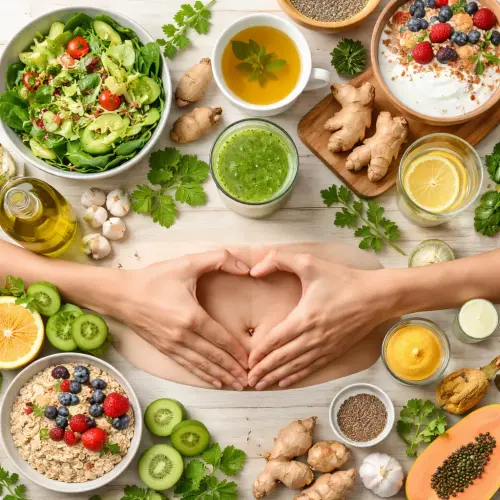
Why Healthy Habits for Better Digestion and Gut Comfort Matter
Your gut is more than a digestive organ — it directly influences your mood, energy, and immune system. When your stomach feels off, everything else feels harder. Understanding what helps soothe an upset stomach fast and building routines that prevent discomfort can transform your daily life.
Many people wonder what causes frequent stomach discomfort. Common culprits include poor diet, stress, dehydration, lack of fiber, overeating, and food sensitivities. By addressing these root causes, you can reduce bloating, gas, and indigestion naturally.
Habit 1: Eat Mindfully and Slowly
One of the simplest yet most effective Healthy Habits for Better Digestion and Gut Comfort is slowing down at meals. When you rush through a meal, you swallow air, chew less, and overwhelm your digestive system.
Practical Tips for Mindful Eating
- Chew each bite 20–30 times before swallowing.
- Put your fork down between bites.
- Eat in a calm environment — no screens.
- Stop eating when you are 80% full.
This practice directly answers how can I improve digestion naturally because it allows your stomach to process food efficiently.
Habit 2: Stay Hydrated — But the Right Way
Water plays a critical role in breaking down food and moving waste through your intestines. Yet many people drink too little — or too much — at the wrong times.
Does hydration improve digestion and stomach comfort? Absolutely. Dehydration leads to constipation, bloating, and sluggish digestion. Aim for 8–10 cups of water daily, but sip throughout the day rather than gulping large amounts with meals.
Best Times to Drink Water for Digestion
- Drink a glass 30 minutes before a meal.
- Avoid drinking large quantities during meals; small sips are fine.
- Herbal teas count toward your hydration total and add digestive benefits.
Habit 3: Incorporate Probiotics and Fermented Foods
Are probiotics helpful for stomach health? Yes. Probiotics are live beneficial bacteria that balance your gut microbiome. They help reduce bloating, regulate bowel movements, and support immune function.
Best Food Sources of Probiotics
| Food | Probiotic Strain | Digestive Benefit |
|---|---|---|
| Yogurt (plain, unsweetened) | Lactobacillus | Reduces bloating, improves lactose digestion |
| Kefir | Multiple strains | Enhances gut motility |
| Sauerkraut (raw) | Lactobacillus plantarum | Reduces gas production |
| Kimchi | Lactobacillus kimchii | Antioxidant + gut-friendly |
| Miso | Aspergillus oryzae | Aids nutrient absorption |
Including one serving of fermented food daily is a cornerstone of Healthy Habits for Better Digestion and Gut Comfort.
Habit 4: Use Ginger and Herbal Teas for Fast Relief
When your stomach is upset, reaching for a cup of ginger tea is one of the fastest natural interventions. Does ginger help upset stomach symptoms? Yes. Ginger contains compounds called gingerols that reduce nausea, inflammation, and gastric irritation.
Beyond ginger, you might ask can herbal teas help stomach pain. Peppermint tea relaxes intestinal muscles, fennel eases gas, and chamomile soothes cramping. These teas rank among the top what drinks calm stomach pain quickly.
How to Brew a Digestive Tea Blend
- Combine equal parts fresh ginger slices, dried peppermint leaves, and fennel seeds.
- Pour 1 cup boiling water over 1 teaspoon of the blend.
- Steep 10 minutes, strain, and drink warm.
Habit 5: Identify and Avoid Trigger Foods
You probably already have a sense of which foods should I avoid with an upset stomach. Common triggers include fried foods, spicy dishes, dairy (for those sensitive), artificial sweeteners, and carbonated drinks.
What foods are gentle on the stomach? Think bland, low-fiber, and easy to digest: bananas, white rice, applesauce, toast, boiled potatoes, oatmeal, and cooked carrots. The BRAT diet (bananas, rice, applesauce, toast) is a classic recovery plan.
Simple Food Swap Guide
| Avoid | Swap With |
|---|---|
| Fried chicken | Baked or grilled chicken without skin |
| Spicy curry | Mild ginger-vegetable broth |
| Soda | Sparkling water with lemon |
| Ice cream | Plain yogurt with honey |
Habit 6: Manage Stress for a Calm Gut
Can stress cause stomach problems? Without question. Stress triggers the release of cortisol, which can slow digestion, increase acid production, and alter gut bacteria. Chronic stress is a primary answer to what causes frequent stomach discomfort.
Daily Stress-Release Practices
- Deep breathing: Inhale for 4 counts, hold for 4, exhale for 6.
- Gentle movement: Walking after meals aids digestion.
- Meditation: Even 5 minutes reduces cortisol.
- Journaling: Write down worries to lighten mental load.
Pairing these with Healthy Habits for Better Digestion and Gut Comfort significantly reduces bloating and gas.
Habit 7: Use Natural Remedies for Indigestion and Bloating
You might be searching for how do I reduce bloating and gas naturally or what are the best home remedies for indigestion. The good news is that many kitchen staples work just as well as over-the-counter medicines.
Top Home Remedies
- Fennel seeds: Chew a teaspoon after meals to reduce gas.
- Lemon water: Helps stimulate digestive enzymes.
- Baking soda: A small pinch in water neutralizes stomach acid (use occasionally only).
- Apple cider vinegar: 1 tablespoon diluted in water before meals helps some people with bloating.
- Warm compress: Placed on the belly relaxes cramping muscles.
These directly answer how can I relieve stomach discomfort naturally without drugs.
Habit 8: Establish Consistent Meal Timing and Sleep
Your digestive system prefers routine. Irregular eating — skipping breakfast, eating late at night — disrupts enzyme production and gut motility. Aim to eat within the same 10–12 hour window daily.
What helps soothe an upset stomach fast after a late heavy meal? A warm chamomile tea and gentle abdominal massage in clockwise circles. Sleep also matters: lying down too soon after eating triggers reflux. Wait at least 2–3 hours before bedtime.
Sample Daily Rhythm for Gut Comfort
| Time | Action |
|---|---|
| 7:00 AM | Warm lemon water |
| 8:00 AM | Balanced breakfast (oatmeal + berries) |
| 12:30 PM | Lunch with fermented side (kimchi / sauerkraut) |
| 3:00 PM | Herbal tea + small handful almonds |
| 7:00 PM | Light dinner, no screens |
| 9:30 PM | No food; relaxing wind-down |
Useful Resources
For further reading, the National Center for Biotechnology Information’s review on ginger for digestive health offers scientific evidence backing its benefits. The Mayo Clinic guide to probiotics is a trusted source for understanding which strains help which symptoms.
When Should Stomach Pain Become a Health Concern?
While most digestive issues respond well to the habits above, you should seek medical attention if you experience: severe or worsening pain, blood in stool, unexplained weight loss, persistent fever, difficulty swallowing, or pain lasting more than a few days despite rest and natural remedies. When should stomach pain become a health concern is a crucial question — pain accompanied by these red flags requires professional evaluation.
Digestive health is a daily practice, not a one-time fix. By adopting these Healthy Habits for Better Digestion and Gut Comfort, you can reduce bloating, ease indigestion, and enjoy your meals without worry. Start with one habit — maybe drinking herbal tea after meals or eating more mindfully — and build from there. Your gut will thank you. For a related guide, see 14 Daily Habits That Are Destroying Your Gut Microbiome – Avoid These Mistakes.
Frequently Asked Questions About Healthy Habits for Better Digestion and Gut Comfort
What helps soothe an upset stomach fast ?
Ginger tea, peppermint tea, a warm compress on the abdomen, and resting in a fetal position can calm an upset stomach within minutes. Sip slowly to avoid further irritation.
How can I relieve stomach discomfort naturally ?
Natural remedies include fennel seeds for gas, chamomile tea for cramping, baking soda (sparingly) for acid, and apple cider vinegar diluted in water for bloating. Gentle massage also helps.
What foods are gentle on the stomach ?
Bananas, white rice, applesauce, toast, boiled potatoes, oatmeal, cooked carrots, and clear broth are easy to digest. These low-fiber foods give your stomach a rest.
Does ginger help upset stomach symptoms ?
Yes. Ginger contains gingerols that reduce nausea, inflammation, and gastric irritation. Fresh ginger tea or chewed ginger slices provide fast relief.
What drinks calm stomach pain quickly ?
Ginger tea, peppermint tea, warm chamomile, and warm water with lemon are top choices. Avoid coffee, alcohol, and carbonated drinks when in pain.
Can stress cause stomach problems ?
Yes. Stress increases cortisol, slows digestion, raises stomach acid, and alters gut bacteria. Chronic stress is a major contributor to bloating, cramps, and indigestion.
How do I reduce bloating and gas naturally ?
Chew fennel seeds after meals, drink peppermint tea, avoid carbonated drinks, eat slowly, and reduce salt intake. Walking after meals also helps expel trapped gas.
What are the best home remedies for indigestion ?
Baking soda (1/4 tsp in water), apple cider vinegar (1 tbsp diluted), ginger tea, and fennel seeds are effective. A warm compress and deep breathing also ease symptoms.
Does hydration improve digestion and stomach comfort ?
Yes. Proper hydration softens food, helps nutrients absorb, and prevents constipation. Drink 8–10 cups daily, sipped throughout the day.
Which foods should I avoid with an upset stomach ?
Avoid fried foods, spicy dishes, dairy (if sensitive), artificial sweeteners, beans (if prone to gas), and carbonated drinks until symptoms subside.
Can herbal teas help stomach pain ?
Yes. Peppermint relaxes intestinal muscles, chamomile reduces cramping, fennel relieves gas, and ginger fights nausea. Choose based on your primary symptom.
What causes frequent stomach discomfort ?
Common causes include poor diet, chronic stress, dehydration, food intolerances (lactose, gluten), lack of fiber, overeating, and irregular meal timing.
How can I improve digestion naturally ?
Eat slowly, chew thoroughly, include probiotic foods, stay hydrated, manage stress, avoid trigger foods, and stick to consistent meal times.
Are probiotics helpful for stomach health ?
Yes. Probiotics balance the gut microbiome, reduce bloating, improve regularity, and support immune function. Fermented foods are the best natural source. For a related guide, see 20 Gut-Friendly Breakfast Ideas for a Healthier Digestive System.
When should stomach pain become a health concern ?
Seek medical help if pain is severe, persistent, accompanied by blood in stool, fever, vomiting, unexplained weight loss, or difficulty swallowing.
Does eating small meals help digestion?
Yes. Five to six small meals spread throughout the day reduce bloating and prevent overloading the digestive system at any one time.
What is the best sleeping position for digestion?
Sleeping on your left side may reduce acid reflux and aid digestion. Avoid sleeping flat on your back or stomach after eating.
Can walking after meals improve digestion?
Yes. A gentle 10-minute walk stimulates gastric motility and reduces bloating. Avoid intense exercise immediately after eating.
What is the BRAT diet and when should I use it?
BRAT stands for bananas, rice, applesauce, and toast. Use it for 24 hours when recovering from a stomach bug or acute diarrhea to give the digestive tract a break.
How long does it take for gut health habits to work?
Some relief, especially from bloating and gas, can occur within 48 hours. For full benefits — improved regularity and reduced discomfort — allow 2–4 weeks of consistent habits.