
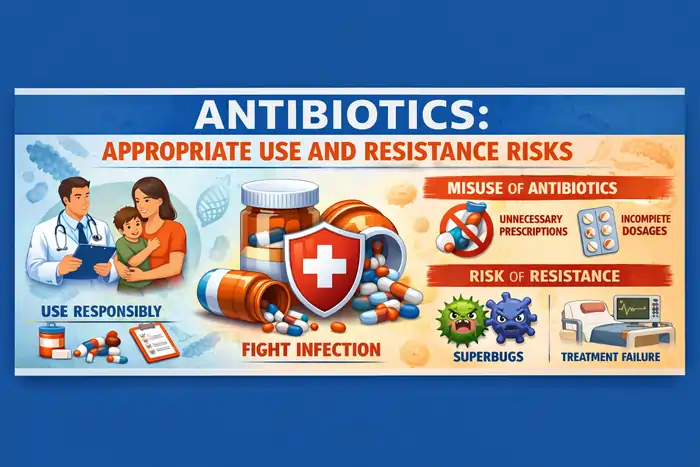
Antibiotics are among the most important medical discoveries in modern healthcare. Since their introduction in the early 20th century, antibiotics have saved millions of lives by effectively treating bacterial infections that were once fatal. However, despite their remarkable benefits, antibiotics must be used carefully and responsibly. Today, health experts worldwide are increasingly concerned about the growing problem of antibiotic resistance, which occurs when bacteria evolve and become resistant to medications designed to kill them. According to the World Health Organization, antimicrobial resistance is one of the most serious global health threats, with resistant infections becoming increasingly difficult to treat, as outlined in the WHO antimicrobial resistance fact sheet.
Antibiotics work only against bacterial infections, not viral illnesses such as the common cold or flu. When antibiotics are used unnecessarily or incorrectly, bacteria can develop resistance, reducing the effectiveness of these life-saving drugs. Understanding how antibiotics work, when they should be used, and why responsible use matters is essential for protecting both individual health and global public health. This guide explains appropriate antibiotic use, resistance risks, and strategies for safe treatment, helping patients and healthcare providers make informed decisions about antibiotic therapy. If you want to understand situations where antibiotics are medically required, you can review our guide on when antibiotics are necessary.
What Are Antibiotics?
Antibiotics are medications used to treat infections caused by bacteria. They work by either killing bacteria or stopping their growth so the immune system can eliminate the infection. The first widely used antibiotic, penicillin, was discovered by Alexander Fleming in 1928 and transformed modern medicine. Since then, many different antibiotics have been developed to treat various bacterial infections.
Common antibiotics include:
- penicillin
- amoxicillin
- azithromycin
- doxycycline
- ciprofloxacin
- cephalexin
According to the Centers for Disease Control and Prevention, antibiotics are essential for treating serious bacterial infections such as pneumonia, sepsis, and bacterial meningitis, as explained in the CDC’s antibiotic use and stewardship resources. However, antibiotics must be prescribed appropriately to ensure they remain effective.
How Antibiotics Work
Antibiotics fight bacterial infections through several mechanisms. Some antibiotics are bactericidal, meaning they kill bacteria directly. Others are bacteriostatic, meaning they stop bacteria from growing and multiplying. Different antibiotics target bacteria in different ways.
- Disrupting the bacterial cell wall
Certain antibiotics such as penicillins and cephalosporins damage the protective cell wall of bacteria, causing them to break apart and die. - Blocking protein synthesis
Antibiotics like tetracyclines and macrolides prevent bacteria from producing proteins necessary for growth. - Inhibiting DNA replication
Some antibiotics stop bacteria from copying their DNA, preventing them from multiplying.
Because antibiotics target structures unique to bacteria, they are ineffective against viral infections.
When Antibiotics Are Necessary
Antibiotics are prescribed to treat bacterial infections that cannot be controlled by the immune system alone. Examples include:
- bacterial pneumonia
- urinary tract infections
- strep throat
- bacterial skin infections
- tuberculosis
- bacterial meningitis
Healthcare professionals determine whether antibiotics are necessary through medical evaluation, laboratory testing, and clinical guidelines. For a deeper explanation of appropriate prescribing situations, see our guide on when antibiotics are necessary.
When Antibiotics Should NOT Be Used
Many illnesses are caused by viruses, not bacteria, and antibiotics are ineffective against viral infections. Examples of illnesses that usually do not require antibiotics include:
- common cold
- influenza
- COVID-19
- viral bronchitis
- most sore throats
The CDC emphasizes that unnecessary antibiotic use does not help patients recover faster and may increase the risk of side effects and antibiotic resistance, a point reinforced in its overview of when antibiotics are and aren’t needed.
What Is Antibiotic Resistance?
Antibiotic resistance occurs when bacteria develop the ability to survive exposure to antibiotics that once killed them. Resistant bacteria continue to grow even in the presence of medication, making infections harder to treat. The World Health Organization warns that antimicrobial resistance could undermine decades of medical progress if antibiotic misuse continues globally, as detailed in its antimicrobial resistance fact sheet.
You can explore this topic in greater depth in our article on antibiotic resistance explained.
Causes of Antibiotic Resistance
Several factors contribute to antibiotic resistance:
- Overuse of antibiotics – Frequent use increases the likelihood that bacteria will evolve resistance.
- Misuse of antibiotics – Misuse includes taking antibiotics without prescription, skipping doses, or stopping treatment early.
- Antibiotic use in agriculture – The WHO has identified antibiotic use in livestock production as a contributor to global resistance patterns in its guidance on antimicrobial use in animals.
- Poor infection control – Inadequate hygiene and infection prevention practices allow resistant bacteria to spread more easily.
Why Antibiotic Resistance Is Dangerous
Antibiotic resistance makes infections more difficult and expensive to treat. According to the CDC, drug-resistant infections already affect millions of people each year and lead to thousands of deaths in the United States alone, as summarized in its antibiotic resistance threats.
Examples of concerning resistant bacteria include:
- MRSA (methicillin-resistant Staphylococcus aureus)
- drug-resistant tuberculosis
- carbapenem-resistant Enterobacteriaceae
These infections often require stronger or more complex treatments and sometimes have limited or no effective antibiotic options.
Side Effects of Antibiotics
Although antibiotics are generally safe when prescribed appropriately, they may cause side effects. Common antibiotic side effects include:
- nausea
- diarrhea
- stomach discomfort
- allergic reactions
- skin rash
Antibiotics can also disrupt the balance of beneficial bacteria in the digestive system. In some cases, antibiotics may cause Clostridioides difficile infection, a serious intestinal illness linked to antibiotic use. You can read more about potential complications in our detailed guide on side effects of antibiotics.
The U.S. Food and Drug Administration also provides guidance on antibiotic safety and appropriate use in its consumer education page on antibiotics and their risks.
How to Use Antibiotics Safely
Responsible antibiotic use is critical for preventing resistance and protecting patient health. Healthcare experts recommend the following practices:
- take antibiotics only when prescribed by a healthcare professional
- follow dosage instructions carefully
- complete the entire treatment course
- never share antibiotics with others
- avoid using leftover medications
The CDC’s antibiotic stewardship initiatives encourage patients and healthcare providers to use antibiotics responsibly to reduce resistance, as described in its core elements of antibiotic stewardship.
Preventing Antibiotic Resistance
Preventing antibiotic resistance requires coordinated global action. Key strategies include:
- responsible prescribing
- vaccination programs
- infection prevention
- improved sanitation and hygiene
- global monitoring of resistant bacteria
Organizations such as the WHO, CDC, and National Institutes of Health (NIH) are actively working to address antimicrobial resistance through research, surveillance, and public health initiatives, highlighted across WHO’s AMR program, CDC’s antibiotic resistance solutions, and NIH infectious disease research pages.
When to Talk to a Doctor
Consult a healthcare professional if you experience symptoms of infection, such as:
- persistent fever
- severe sore throat
- painful urination
- difficulty breathing
- worsening symptoms
Medical evaluation helps determine whether antibiotics are necessary and prevents unnecessary medication use.
Key Takeaways
Antibiotics remain essential tools for treating bacterial infections, but inappropriate use contributes to antibiotic resistance, a growing global health threat. By understanding when antibiotics are needed, following medical guidance, and promoting responsible antibiotic use, individuals can help protect the effectiveness of these critical medications for future generations.
Medical Disclaimer
This article is intended for educational purposes only and should not replace professional medical advice, diagnosis, or treatment. Always consult a qualified healthcare professional for personalized medical guidance regarding antibiotics, infections, or other health concerns.
Written by: Eden Grace Ramos, RN
Medical Resources
This article references information from trusted global health authorities to ensure accuracy and alignment with current clinical guidelines. Key resources include the World Health Organization’s antimicrobial resistance fact sheet, the Centers for Disease Control and Prevention’s antibiotic use guidance, infectious disease research materials from the National Institutes of Health, and safety information from the U.S. Food and Drug Administration’s antibiotic education page. These organizations provide evidence-based recommendations widely used by healthcare professionals worldwide.