
Yes, medical conditions can cause anxiety, and this connection is more common than many people realize. Physical health issues such as thyroid disorders, heart disease, respiratory conditions, and chronic illnesses can trigger or worsen anxiety symptoms by affecting the body’s nervous system, hormonal balance, and brain chemistry. According to the National Institute of Mental Health (NIMH), anxiety can be linked to underlying medical causes, making accurate diagnosis essential. Understanding the link between physical health and anxiety helps guide proper treatment, including addressing the root condition, therapy, and lifestyle adjustments.
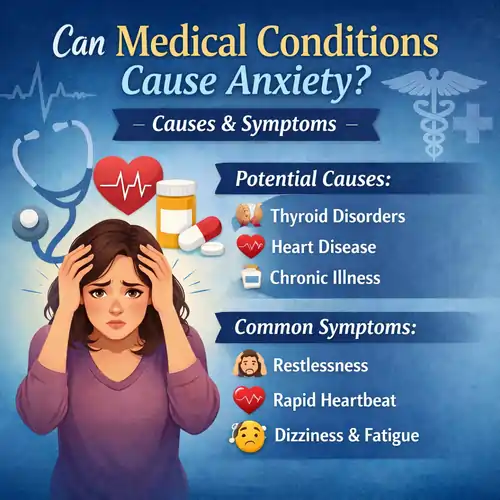
Introduction to Can Medical Conditions Cause Anxiety
The relationship between medical conditions and anxiety is complex and often misunderstood. Many individuals experience anxiety symptoms without realizing that an underlying physical illness may be contributing to their condition.
The World Health Organization (WHO) recognizes that both biological and physical health factors play a role in mental health disorders. This means that anxiety disorders are not always purely psychological—they can be influenced by the body’s physiological state.
Understanding whether a medical condition is causing anxiety is crucial for proper treatment and long‑term management.
How Medical Conditions Cause Anxiety
1. Impact on Brain Chemistry
Certain illnesses affect neurotransmitters such as serotonin, dopamine, and GABA, which regulate mood and anxiety. The National Institutes of Health (NIH) explains how disruptions in brain signalling and the stress response can lead to anxiety symptoms.
2. Hormonal Imbalance
Medical conditions that affect hormones can trigger anxiety symptoms, including:
- Thyroid disorders
- Adrenal disorders
- Hormonal fluctuations
Hormones strongly influence the body’s stress response and emotional regulation.
3. Physical Symptoms Mimicking Anxiety
Some conditions produce symptoms similar to anxiety, such as:
- Rapid heartbeat
- Shortness of breath
- Dizziness
The Centers for Disease Control and Prevention (CDC) notes that physical symptoms from medical conditions can overlap with those of anxiety disorders, making assessment important.
4. Chronic Stress from Illness
Living with a chronic illness can lead to persistent stress and anxiety due to uncertainty, pain, functional limits, and frequent medical appointments.
Common Medical Conditions That Cause Anxiety
1. Thyroid Disorders
Hyperthyroidism
Excess thyroid hormones can cause:
- Nervousness
- Restlessness
- Palpitations
Hypothyroidism
Low thyroid function can lead to:
- Fatigue
- Depression
- Cognitive slowing
The NIH explains how thyroid dysfunction affects mood and anxiety in its review on thyroid disease and mental health: Thyroid Disease and the Nervous System.
2. Heart Conditions
Heart‑related issues such as arrhythmias and heart disease can trigger anxiety symptoms.
Common signs include:
- Chest pain
- Rapid heartbeat
- Shortness of breath
Because these symptoms can mimic panic attacks, medical evaluation is essential.
3. Respiratory Disorders
Conditions like asthma and chronic obstructive pulmonary disease (COPD) can cause breathing difficulties and a sensation of air hunger, which often leads to anxiety or panic‑like feelings.
4. Diabetes and Blood Sugar Imbalance
Fluctuations in blood sugar levels can affect mood, concentration, and energy, sometimes triggering anxiety‑like symptoms such as shakiness, sweating, and palpitations.
5. Chronic Pain Conditions
Conditions such as fibromyalgia and arthritis can cause ongoing pain that increases stress and emotional distress, contributing to anxiety over time.
6. Neurological Disorders
Neurological conditions such as Parkinson’s disease and multiple sclerosis affect brain function and emotional regulation and are associated with higher rates of anxiety.
7. Hormonal Disorders
Hormonal imbalances play a major role in anxiety and may arise from:
- Adrenal disorders
- Thyroid disease
- Menstrual cycle changes, pregnancy, or menopause
Symptoms of Anxiety Caused by Medical Conditions
Physical Symptoms
- Rapid heartbeat
- Sweating
- Dizziness
- Fatigue
Emotional Symptoms
- Persistent worry
- Fear
- Irritability
Behavioral Symptoms
- Avoidance
- Social withdrawal
Because these symptoms overlap with primary anxiety disorders, ruling out medical causes is important.
How to Tell if Anxiety is Medical or Psychological
Signs of Medical‑Related Anxiety
- Sudden onset of anxiety in adulthood
- Occurs alongside new physical symptoms
- No clear psychological trigger or stressor
Signs of Psychological Anxiety
- Closely linked to worries, stress, or life events
- Develops gradually over time
A proper medical evaluation—including history, examination, and appropriate tests—is essential to distinguish between primary anxiety and anxiety secondary to medical conditions.
Diagnosis of Anxiety Related to Medical Conditions
Diagnosis typically involves:
- Detailed medical history
- Physical examination
- Laboratory tests (for example, thyroid function, blood sugar, or cardiac tests)
- Psychological assessment
Public health guidance, including from the CDC, recommends ruling out physical causes when diagnosing anxiety, especially when physical symptoms are prominent.
Treatment for Anxiety Caused by Medical Conditions
1. Treating the Underlying Condition
Managing the medical condition—such as stabilizing thyroid function, improving heart health, or controlling blood sugar—often reduces anxiety symptoms significantly.
2. Therapy
- Cognitive behavioral therapy (CBT)
- Stress‑management techniques and coping skills
These approaches help individuals manage worry, health‑related fears, and lifestyle changes associated with illness.
3. Medications
- SSRIs and other antidepressants
- Anti‑anxiety medications when appropriate
The U.S. Food and Drug Administration (FDA) provides guidance on the safe use of psychiatric medications, including indications, side effects, and precautions.
4. Lifestyle Changes
Healthy habits play a key role in managing both physical health and anxiety, including sleep, movement, nutrition, and limiting substances like caffeine and alcohol. For more detail you can connect this section internally to your lifestyle‑focused article.
5. Stress‑Reduction Techniques
- Mindfulness
- Meditation
- Breathing exercises and relaxation practices
These techniques help reduce overall stress load, which can benefit both the underlying condition and anxiety.
When to Seek Medical Help
Seek medical help if:
- Symptoms are severe or rapidly worsening
- Anxiety appears suddenly without a clear trigger
- Physical symptoms such as chest pain, shortness of breath, fainting, or significant weight change are present
Early evaluation allows clinicians to identify or rule out medical causes and start appropriate treatment.
Living with Medical‑Related Anxiety
Managing anxiety caused by medical conditions requires a holistic approach:
- Treat the root physical condition
- Build coping strategies through therapy and self‑management
- Maintain healthy habits to support both body and mind
Working closely with healthcare providers and mental health professionals can greatly improve quality of life.
Prevention Strategies
- Regular health check‑ups and monitoring of chronic conditions
- Stress‑management practices integrated into daily life
- Healthy lifestyle, including sleep, diet, movement, and social support
These steps help reduce both physical and emotional risk factors.
Frequently Asked Questions (FAQs)
- Can medical conditions cause anxiety?
Yes, many medical conditions can cause anxiety. Physical illnesses can affect brain chemistry and hormones, which can trigger anxiety symptoms. - What medical conditions cause anxiety?
Conditions like thyroid disorders, heart disease, respiratory diseases, diabetes, chronic pain, and some neurological disorders can contribute to anxiety. - Can thyroid problems cause anxiety?
Yes. Hyperthyroidism often causes nervousness and restlessness, while thyroid treatment can help improve these symptoms. - Can heart conditions cause anxiety?
Yes. Rapid heartbeat, chest pain, and shortness of breath from heart conditions can mimic panic attacks and lead to anxiety. - Can diabetes cause anxiety?
Yes. Blood‑sugar swings can produce symptoms that feel similar to anxiety and can also affect mood. - How do I know if my anxiety is medical?
Medical anxiety often appears with new physical symptoms or suddenly without a clear psychological trigger. A doctor can help determine the cause. - Can chronic illness cause anxiety?
Yes. Living with chronic illness increases stress and uncertainty, which can lead to anxiety over time. - What symptoms indicate medical anxiety?
Common signs include dizziness, fatigue, rapid heartbeat, and other physical complaints alongside emotional distress. - How is medical anxiety diagnosed?
Diagnosis involves both medical and psychological evaluation, including relevant tests to rule out or confirm physical causes. - Can anxiety be treated if caused by illness?
Yes. Treating the underlying condition often helps, and therapy or medication may be added when needed. - Can lifestyle changes help?
Yes. Healthy habits improve overall health and can reduce both physical and mental symptoms. - Can medication help anxiety from illness?
Yes, when prescribed appropriately. Medications can help regulate brain chemistry while the medical condition is being treated. - Is medical anxiety permanent?
No. Many people experience improvement once the underlying condition and anxiety are properly treated. - Can respiratory conditions cause anxiety?
Yes. Difficulty breathing can be frightening and may trigger anxiety or panic. - Can neurological disorders cause anxiety?
Yes. Neurological conditions that affect the brain and nervous system can also affect mood and anxiety. - When should I see a doctor?
See a doctor if symptoms are severe, sudden, or accompanied by significant physical changes. - Can anxiety worsen medical conditions?
Yes. Ongoing anxiety can increase stress on the body and may worsen some physical illnesses. - Can stress trigger medical anxiety?
Yes. Stress can aggravate both physical and mental health conditions and may contribute to anxiety related to illness. - Is therapy effective for medical anxiety?
Yes. Therapy, especially CBT, helps people cope with health‑related fears and the emotional impact of illness. - Can anxiety be prevented?
Not always, but risk can be reduced with healthy habits, regular check‑ups, and early treatment of both physical and emotional symptoms.
Written by: Eden Grace Ramos, RN
Medical Disclaimer
This article is for informational and educational purposes only and does not replace professional medical advice. Anxiety related to medical conditions requires proper diagnosis and treatment by qualified healthcare professionals. Always consult a licensed physician or mental health specialist. Content is informed by guidance and research from organizations such as the World Health Organization (WHO), the Centers for Disease Control and Prevention (CDC), the National Institutes of Health (NIH), and the National Institute of Mental Health (NIMH).