
Doctor Approved Secrets for Better Digestive Health Key Takeaways
The foundation of lasting digestive wellness rests on a handful of scientifically backed habits that doctors recommend to their patients every day.
- Doctor Approved Secrets for Better Digestive Health center on real food, proper hydration, and daily movement rather than quick fixes.
- Targeted changes like increasing soluble fiber, managing stress, and eating fermented foods can dramatically reduce bloating and discomfort.
- Long-term gut health depends on sustainable habits, not restrictive diets or supplements alone.
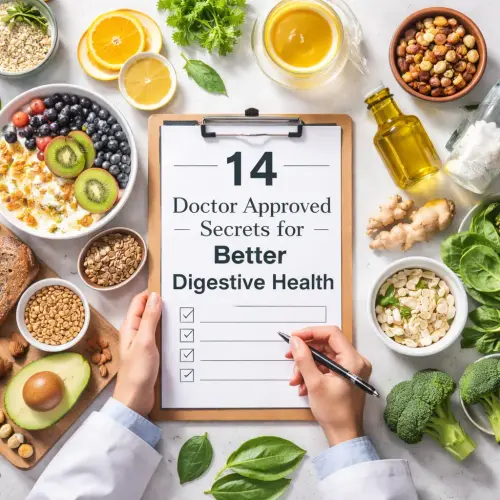
Why Doctor Approved Secrets for Better Digestive Health Matter Now More Than Ever
Digestive discomfort affects millions of adults, yet many never connect their daily habits to their gut symptoms. Research from the American Gastroenterological Association shows that up to 40% of people worldwide experience functional gastrointestinal disorders. The good news is that the Doctor Approved Secrets for Better Digestive Health are surprisingly simple, cost-effective, and backed by decades of clinical evidence. Whether you suffer from occasional bloating, irregular bowel movements, or low energy after meals, these fourteen principles offer a clear path toward relief and resilience.
Secret 1: Eat More Soluble Fiber to Support Fiber for Digestive Function
Not all fiber is created equal. Soluble fiber dissolves in water to form a gel-like substance that slows digestion, stabilizes blood sugar, and feeds beneficial gut bacteria. Insoluble fiber adds bulk but can sometimes aggravate sensitive guts.
Doctor-Backed Tip
Dr. Will Bulsiewicz, a gastroenterologist and author of Fiber Fueled, recommends aiming for at least 25 grams of total fiber daily—with a focus on soluble sources like oats, chia seeds, flaxseeds, lentils, and sweet potatoes. Gradually increase your intake to avoid gas and bloating.
Practical Takeaway
Start your morning with a bowl of oats topped with chia seeds and berries. This single swap can add 8–10 grams of fiber and set a stable digestive tone for the day.
Secret 2: Prioritize Hydration and Digestion for Smooth Transit
Fiber acts like a sponge: without enough water, it can actually cause constipation. Hydration and digestion are inseparable partners in maintaining regular bowel movements and nutrient absorption.
Doctor-Backed Tip
The general guideline is 8–10 cups of fluid daily (from water, herbal tea, and water-rich fruits like cucumber and watermelon). If you exercise or live in a warm climate, increase accordingly.
Practical Takeaway
Keep a 500 ml water bottle at your desk and refill it at least four times per day. Set a phone reminder if needed—your colon will thank you.
Secret 3: Add Fermented Foods for Probiotics for Digestion
Probiotics are live microorganisms that confer health benefits when consumed in adequate amounts. While supplements can help, food sources offer a wider variety of strains and synergistic nutrients. Probiotics for digestion help crowd out harmful bacteria and support the gut lining.
Doctor-Backed Tip
Dr. Megan Rossi (The Gut Health Doctor) suggests eating one to two servings of fermented foods daily: sauerkraut, kimchi, plain yogurt, kefir, miso, or kombucha. Rotate your choices to diversify your microbiome.
Practical Takeaway
Add a tablespoon of sauerkraut or kimchi to your lunchtime salad or sandwich. It delivers a potent probiotic punch without overwhelming your taste buds.
Secret 4: Understand How Stress Affect Digestive System Function
The gut-brain axis is a bidirectional communication network linking the central nervous system to the enteric nervous system. When you are stressed, your body redirects blood flow away from the digestive organs, slows peristalsis, and increases intestinal permeability—a condition often called leaky gut.
Doctor-Backed Tip
Dr. Emeran Mayer, author of The Mind-Gut Connection, recommends 10-minute daily practices like diaphragmatic breathing or mindfulness meditation to activate the parasympathetic nervous system (rest-and-digest mode).
Practical Takeaway
Before each meal, take three slow, deep breaths. This simple ritual signals safety to your gut and improves enzyme secretion.
Secret 5: Master Habits for Stomach Health Around Meal Timing
When you eat matters almost as much as what you eat. Irregular meal times confuse your circadian rhythm and disrupt digestive enzyme release. Consistent habits for stomach health include eating at roughly the same times each day and avoiding late-night meals.
Doctor-Backed Tip
Gastroenterologists often recommend a 12-hour overnight fast (e.g., 7 p.m. to 7 a.m.) to allow the migrating motor complex to sweep residual debris from the small intestine.
Practical Takeaway
Finish your last meal at least three hours before bedtime. If you feel hungry after dinner, opt for a small cup of herbal tea or a few almonds.
Secret 6: Discover Foods for Better Digestion That Reduce Inflammation
Chronic low-grade inflammation in the gut can impair nutrient absorption and cause systemic symptoms like fatigue and brain fog. Anti-inflammatory foods for better digestion include leafy greens, wild salmon, turmeric, ginger, and extra-virgin olive oil.
Doctor-Backed Tip
Dr. Andrew Weil recommends the anti-inflammatory diet, which emphasizes colorful vegetables, omega-3 fatty acids, and spices while minimizing refined sugars and processed oils.
Practical Takeaway
Create a weekly meal plan that includes at least three servings of fatty fish and a daily serving of leafy greens. Small incremental changes yield cumulative benefits.
Secret 7: Identify Foods to Avoid for Digestion That Trigger Symptoms
Common dietary triggers include artificial sweeteners (sorbitol, xylitol), high-fructose corn syrup, fried foods, excessive alcohol, and undigestible carbohydrates (the FODMAPs). Keeping a food-symptom diary for two weeks can reveal personal patterns.
Doctor-Backed Tip
Registered dietitian Kate Scarlata, a leading FODMAP expert, advises a low-FODMAP elimination phase under professional supervision for people with IBS. Many find relief by reducing onion, garlic, wheat, and stone fruits.
Practical Takeaway
Swap garlic and onion for garlic-infused oil and chives. You retain flavor without the FODMAP load.
Secret 8: Learn to Reduce Bloating Naturally With Movement and Breath
Bloating often results from gas trapped in the digestive tract. Gentle movement, abdominal massage, and specific breathing techniques can help expel gas and reduce distention. Reduce bloating naturally by incorporating post-meal walks.
Doctor-Backed Tip
A 10-minute walk after eating accelerates gastric emptying by up to 30%, according to a study in the Journal of Gastrointestinal and Liver Diseases.
Practical Takeaway
After lunch and dinner, step outside for a brief walk. No vigorous exercise needed—just steady, gentle movement.
Secret 9: Understand the Deep Link Between Sleep and Gut Health
Sleep deprivation alters the composition of gut bacteria, increases ghrelin (hunger hormone), and reduces leptin (satiety hormone). The sleep and gut health connection is bidirectional: poor sleep disrupts the microbiome, and an unhealthy microbiome impairs sleep quality.
Doctor-Backed Tip
Sleep specialist Dr. Matthew Walker recommends 7–9 hours of quality sleep per night, consistent bedtimes, and avoiding screens for at least 60 minutes before sleep.
Practical Takeaway
Create a wind-down routine: dim lights, read a physical book, and sip chamomile tea 30 minutes before bed. Your microbiome will repay you with better digestion.
Secret 10: Make Exercise for Digestive Wellness a Daily Priority
Regular physical activity stimulates intestinal contractions, reduces constipation, and promotes microbial diversity. Exercise for digestive wellness does not require marathon training—moderate activity yields significant benefits.
Doctor-Backed Tip
The American College of Gastroenterology suggests at least 150 minutes of moderate aerobic activity weekly, combined with core-strengthening exercises to support abdominal pressure dynamics.
Practical Takeaway
Incorporate a 30-minute brisk walk, cycling, or swimming five days per week. Add three 10-minute core workouts to maintain abdominal wall function.
Secret 11: Address Common Poor Digestion Causes Like Medications and Stress
Common medications—NSAIDs, antibiotics, proton pump inhibitors, and metformin—can disrupt gut flora and motility. Identifying poor digestion causes means reviewing your medications with a healthcare provider and not assuming symptoms are normal.
Doctor-Backed Tip
Always discuss long-term medication use with your doctor. If you take NSAIDs regularly, ask about alternatives or protective measures like probiotics and coating agents.
Practical Takeaway
If you use antacids frequently, consult a gastroenterologist to rule out underlying conditions like gastritis or GERD rather than self-medicating indefinitely.
Secret 12: Cultivate Habits for Stomach Health Through Mindful Eating
Mindful eating means sitting down, chewing thoroughly (20–30 chews per bite), and avoiding distractions like phones or television during meals. This practice directly improves digestion by enhancing mechanical breakdown and signaling satiety.
Doctor-Backed Tip
Dr. Lilian Cheung, a mindful eating researcher at Harvard, suggests taking smaller bites, putting down your utensil between bites, and savoring the aroma and texture of food.
Practical Takeaway
Dedicate at least 20 minutes to each meal. Set a timer if necessary—your gut will process food more efficiently when you are calm and present.
Secret 13: Use Targeted Supplements to Improve Digestive Health When Needed
While whole foods come first, certain supplements can address specific gaps. Digestive enzymes (bromelain, papain, lipase), ginger, peppermint oil, and glutamine support various aspects of gut function. Always consult a doctor before starting a new supplement regimen to improve digestive health.
Doctor-Backed Tip
Enteric-coated peppermint oil capsules (e.g., IBgard) have been shown in randomized trials to reduce IBS symptoms by relaxing intestinal smooth muscle.
Practical Takeaway
Consider a trial of enteric-coated peppermint oil if you experience cramping and bloating. Start with one capsule before meals and monitor symptom changes over two weeks.
Secret 14: Commit to Maintain Digestive Health Naturally Over the Long Term
Digestive health is not a quick fix—it is a lifelong relationship with your body. The most effective strategies are those you can sustain without feeling deprived or overwhelmed. Maintain digestive health naturally by rotating your food choices, staying curious about your body’s signals, and re-evaluating habits every season.
Doctor-Backed Tip
Schedule an annual checkup with a primary care physician and a gastroenterologist if you have persistent symptoms. Prevention is far easier than treating chronic dysfunction.
Practical Takeaway
Choose two of the fourteen secrets to implement this week. Once those become automatic, add another. Consistency beats intensity every time when it comes to gut health.
Practical Roadmap to Improve Digestive Health Starting Today
Here is a concrete weekly framework to apply what you have learned:
| Day | Focus Area | Actionable Step |
|---|---|---|
| Monday | Fiber | Add 1 tbsp ground flaxseed to your oatmeal or smoothie |
| Tuesday | Hydration | Drink 2 full glasses of water before lunch |
| Wednesday | Fermented foods | Include 1/4 cup sauerkraut with dinner |
| Thursday | Stress | Practice 5 minutes of deep breathing before meals |
| Friday | Movement | Walk for 10 minutes after lunch and dinner |
| Saturday | Sleep | No screens after 9 p.m. |
| Sunday | Meal prep | Plan anti-inflammatory meals for the week ahead |
Useful Resources
For deeper exploration of these topics, consult the following authoritative sources:
- American Gastroenterological Association — Official guidelines and patient education materials on digestive disorders.
- Harvard T.H. Chan School of Public Health Nutrition Source — Evidence-based articles on diet, gut health, and fiber.
Improving your digestive health is one of the most impactful steps you can take for your overall well-being. By implementing even a few of these fourteen secrets, you will likely notice reduced bloating, more consistent energy, and a calmer gut. Start small, stay consistent, and let your body guide you toward the Doctor Approved Secrets for Better Digestive Health that work best for your unique physiology.
Frequently Asked Questions About Doctor Approved Secrets for Better Digestive Health
What are the best ways to improve digestive health ?
The best ways include eating a high-fiber diet rich in fruits, vegetables, and whole grains, staying hydrated, managing stress, exercising regularly, and prioritizing quality sleep. These core habits form the foundation of all Doctor Approved Secrets for Better Digestive Health.
How can I keep my gut healthy naturally?
You can keep your gut healthy naturally by consuming fermented foods like yogurt, kefir, and sauerkraut for probiotics, eating plenty of prebiotic fiber (garlic, onion, bananas), staying hydrated, avoiding unnecessary antibiotics, and managing stress through meditation or exercise.
What foods support better digestion?
Foods that support better digestion include ginger, peppermint, fennel, oats, chia seeds, leafy greens, wild salmon, bone broth, and fermented vegetables. These foods reduce inflammation, feed beneficial bacteria, and promote regular bowel movements.
Does fiber improve digestive function?
Yes, fiber is essential. Soluble fiber helps regulate blood sugar and feeds gut bacteria, while insoluble fiber adds bulk to stool and prevents constipation. Most adults need 25–30 grams of fiber daily for optimal fiber for digestive function.
How does hydration help digestion?
Water helps dissolve soluble fiber, softens stool, and supports the production of digestive enzymes and stomach acid. Without adequate fluid, fiber can actually worsen constipation. Drinking water throughout the day is critical for hydration and digestion.
What are doctor-approved tips for gut health?
Doctor-approved tips include eating a diverse range of plant foods, limiting ultra-processed foods, taking a probiotic if needed, chewing food thoroughly, eating at consistent times, and avoiding late-night meals. These align perfectly with doctor-approved gut health tips.
Can stress affect the digestive system?
Absolutely. Stress triggers the fight-or-flight response, which reduces blood flow to the gut, slows peristalsis, and increases gut permeability. Chronic stress is a major factor in IBS and acid reflux. Learning how stress affect digestive system function is key to managing symptoms.
How can I reduce bloating naturally ?
You can reduce bloating by eating slowly, avoiding carbonated beverages, limiting salt, walking after meals, and using herbal teas like peppermint or ginger. Identifying trigger foods such as beans, cabbage, or dairy also helps reduce bloating naturally.
What habits improve stomach health every day?
Daily habits include drinking water upon waking, eating breakfast with fiber, chewing food thoroughly, taking a short walk after meals, practicing deep breathing, and going to bed at a consistent hour. These are powerful habits for stomach health.
Are probiotics important for digestion?
Yes, probiotics help maintain a healthy balance of gut bacteria, support immune function, and may reduce symptoms of IBS, antibiotic-associated diarrhea, and bloating. Food sources of probiotics for digestion are generally more effective than supplements.
How does sleep affect gut health?
Poor sleep alters gut bacteria composition and increases inflammation. The gut also produces neurotransmitters like serotonin that regulate sleep. Improving sleep and gut health involves consistent bedtimes, reduced blue light exposure, and a calm evening routine.
What foods should I avoid for better digestion?
You should avoid or limit artificial sweeteners, fried foods, high-fructose corn syrup, excessive alcohol, and foods high in certain FODMAPs (like garlic, onion, and wheat) if you are sensitive. Identifying your personal foods to avoid for digestion takes some experimentation.
How can exercise improve digestive wellness?
Exercise stimulates intestinal contractions, reduces constipation, lowers stress, and increases microbial diversity. Even moderate activity like brisk walking or yoga provides significant exercise for digestive wellness benefits.
What causes poor digestion and stomach discomfort?
Common causes include low stomach acid, insufficient fiber, dehydration, chronic stress, food intolerances, medication side effects, and dysbiosis (imbalanced gut bacteria). Understanding these poor digestion causes helps you target the right solution.
How do I maintain long-term digestive health naturally?
Sustain digestive health by eating a varied plant-based diet, staying hydrated, exercising regularly, managing stress, getting enough sleep, and avoiding unnecessary medications. These natural strategies help you maintain digestive health naturally over time.
Is it safe to take probiotic supplements daily?
For most people, daily probiotic supplements are safe and beneficial, especially during or after antibiotic use. However, individuals with compromised immune systems should consult a doctor first. Choose a quality brand with multiple strains.
Can drinking warm water improve digestion?
Yes, warm water can stimulate blood flow to the digestive tract and help dissolve fats. Many people find a cup of warm lemon water in the morning helps kickstart digestion without the drawbacks of cold beverages.
Does apple cider vinegar help digestion?
Some evidence suggests that diluted apple cider vinegar may improve stomach acid levels and reduce bloating in people with low stomach acid. However, it should be used sparingly and always diluted to protect tooth enamel and the esophagus.
Is it normal to have gas every day?
Having gas is a normal part of digestion (10–20 times per day is typical). Excessive gas with pain, bloating, or changes in bowel habits may indicate a food intolerance, IBS, or bacterial overgrowth and should be evaluated by a doctor.
Can I improve my gut health in 30 days?
Yes, many people notice significant improvements within 30 days by adopting a fiber-rich diet, cutting out processed foods, staying hydrated, managing stress, and incorporating fermented foods. Consistency is more important than perfection when applying Doctor Approved Secrets for Better Digestive Health.