
Science Backed Ways to Improve Gut Health Key Takeaways
Your gut communicates with your brain through the gut-brain axis, influences immune cells, and even helps regulate blood sugar.
- Prioritize fiber-rich whole foods and fermented items to feed beneficial bacteria.
- Manage chronic stress and prioritize sleep—both directly affect gut barrier function.
- Stay hydrated, move your body, and limit processed foods for faster digestive relief.
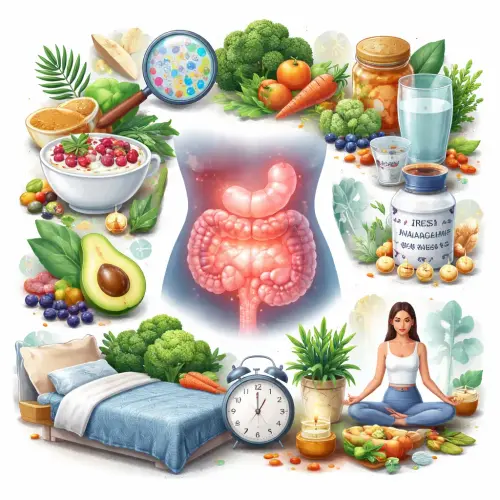
What Readers Should Know About Science Backed Ways to Improve Gut Health
Gut health is more than a wellness trend—it is a cornerstone of overall health. Your gastrointestinal tract hosts trillions of microorganisms that help break down food, synthesize vitamins, and regulate inflammation. When the microbiome becomes unbalanced—a state called dysbiosis—you may experience bloating, irregular bowel movements, low energy, or even mood disturbances.
The science backed ways to improve gut health covered in this article are not fads. They come from peer-reviewed studies in gastroenterology, nutrition science, and psychobiology. Whether you are dealing with occasional digestive discomfort or simply want to build better long-term habits, these strategies offer a clear, evidence-based roadmap.
How the Gut Microbiome Affects Your Whole Body
Your gut communicates with your brain through the gut-brain axis, influences immune cells, and even helps regulate blood sugar. A diverse microbiome is associated with lower rates of obesity, autoimmune conditions, and mental health disorders. That is why learning to improve gut health naturally can have ripple effects far beyond your stomach.
1. Eat More Fiber to Feed Beneficial Gut Bacteria
Dietary fiber is the preferred fuel for many beneficial gut microbes. When bacteria ferment fiber, they produce short-chain fatty acids (SCFAs) like butyrate, which strengthen the gut lining and reduce inflammation. Increasing your fiber intake is one of the fastest ways to improve gut health because it starts working within hours. For a related guide, see 14 Healthy Foods That Improve Mood and Reduce Tension.
Foods support healthy gut microbiome when they contain both soluble fiber (found in oats, apples, carrots) and insoluble fiber (found in whole grains, nuts, leafy greens). Aim for at least 25–30 grams of fiber per day, and increase gradually to avoid gas and bloating.
How does fiber improve gut health?
Fiber adds bulk to stool, promotes regular bowel movements, and acts as a prebiotic—meaning it stimulates the growth of good bacteria. Studies show that people who eat high-fiber diets have more diverse microbiomes and lower markers of intestinal inflammation. For a quick win, swap refined grains for whole grains and add a serving of legumes to your lunch.
2. Incorporate Probiotics and Fermented Foods
Probiotics are live microorganisms that confer health benefits when consumed in adequate amounts. Many people ask, are probiotics effective for digestion? The answer depends on the strain and the individual, but numerous randomized controlled trials indicate they can reduce antibiotic-associated diarrhea, ease irritable bowel syndrome (IBS) symptoms, and improve regularity.
Fermented foods good for digestion include yogurt, kefir, sauerkraut, kimchi, miso, and kombucha. These foods naturally contain diverse strains of beneficial bacteria. A 2021 study from Stanford University found that a diet rich in fermented foods increased microbiome diversity and reduced markers of inflammation in just 10 weeks.
Choosing the Right Probiotic Supplement
If you opt for a supplement, look for products that list specific strains (e.g., Lactobacillus rhamnosus GG, Bifidobacterium lactis BB-12) and a guaranteed colony-forming unit (CFU) count at expiration. Not all probiotics are alike, so match the strain to your specific digestive concern.
3. Stay Hydrated to Support Digestion
Water is essential for every step of digestion—from saliva production to nutrient absorption to stool formation. When you are dehydrated, the colon pulls water from waste, leading to harder stools and constipation. Understanding how hydration affect digestive system helps you realize why even mild dehydration can slow gut motility.
Drink water consistently throughout the day. Herbal teas and water-rich fruits (cucumber, watermelon, oranges) also count. Avoid excessive caffeine and alcohol, which can dehydrate you. For most adults, 8–10 cups of fluid daily is a reasonable target, with more needed during exercise or hot weather.
4. Manage Stress to Protect Your Gut Lining
Chronic stress triggers the release of cortisol and adrenaline, which can alter gut motility, increase intestinal permeability (leaky gut), and shift the composition of the microbiome. The question can stress damage gut health has a clear answer: yes, it can—and significantly so.
Mindfulness meditation, deep breathing exercises, and even short walks outdoors help lower cortisol levels. A 2020 meta-analysis found that mind-body interventions improved IBS symptoms and reduced gut-related inflammation. Managing stress is not just good for your mind—it is one of the science-backed methods improve digestion fast.
5. Exercise Regularly for a Healthier Microbiome
Physical activity increases blood flow to the intestines, stimulates the release of beneficial metabolites, and promotes microbial diversity. Studies show that athletes have more diverse gut microbiomes than sedentary individuals. Exercise support gut bacteria balance even when the activity is moderate—like brisk walking, cycling, or yoga—for 30 minutes most days.
Try to combine aerobic exercise with strength training. Even a short post-meal walk can aid digestion and reduce bloating. Consistency matters more than intensity when it comes to benefiting your gut.
6. Prioritize Quality Sleep for Gut Repair
The gut follows its own circadian rhythm. Disrupted sleep patterns can reduce microbial diversity and increase inflammation. If you have ever wondered does sleep affect gut health, research says it absolutely does. Poor sleep has been linked to higher levels of harmful bacteria and lower levels of butyrate-producing species.
Aim for 7–9 hours of uninterrupted sleep per night. Limit screen time before bed, keep your bedroom cool and dark, and avoid heavy meals within two hours of sleeping. Good sleep supports the gut’s nightly repair cycle.
7. Reduce Processed Foods and Added Sugars
Processed foods and high sugar intake feed pathogenic bacteria and yeast, contributing to dysbiosis. If you are looking for foods avoid for better gut health, start with: sugary drinks, artificial sweeteners (like aspartame and sucralose), refined white flour, fried foods, and excessive red meat.
Instead, replace processed snacks with whole fruit, nuts, or vegetables. Even a week of reducing processed food can improve markers of gut health. Your microbes will shift quickly when you remove their less desirable fuel sources.
8. Eat Slowly and Chew Thoroughly
Digestion begins in the mouth. Chewing breaks food into smaller particles and mixes it with saliva containing digestive enzymes. Eating too quickly leads to swallowed air (which causes bloating) and incomplete digestion. Habits improve digestion quickly include sitting down for meals, putting down your fork between bites, and chewing each mouthful 20–30 times.
This simple practice also gives your brain time to register fullness, preventing overeating. It costs nothing, takes zero preparation, and yields almost immediate relief for many people.
9. Consider Targeted Supplements (with Caution)
Beyond probiotics, certain supplements have shown benefit in clinical studies. Digestive enzymes can help break down food more efficiently, especially for those with pancreatic insufficiency or age-related enzyme decline. L-glutamine supports the intestinal lining. Ginger and peppermint oil are well-known for reducing nausea and bloating.
Still, it is wise to consult a healthcare provider before starting new supplements. Some can interact with medications or cause side effects. The most reliable science backed ways to improve gut health begin with food and lifestyle, not pills.
10. Identify and Eliminate Food Intolerances
Many people have subtle food intolerances that cause bloating, gas, fatigue, or brain fog. Common triggers include lactose, gluten, fructose, and certain fermentable carbohydrates (FODMAPs). If you consistently feel worse after eating certain foods, consider a short elimination diet under the guidance of a dietitian.
Keeping a food-symptom diary for two weeks can reveal patterns. Once you identify culprits, you can tailor your diet to avoid them while still enjoying a wide variety of foods support healthy gut microbiome. This targeted approach often brings rapid relief.
11. Be Consistent and Patient
Many people ask how long does it take to improve gut health naturally. The answer varies: some changes, like reduced bloating from increasing water and fiber, may be noticeable within days. Shifts in the microbiome itself typically take 2–4 weeks with consistent dietary changes. Full diversity improvements can take several months.
The key is consistency. Science-backed methods improve digestion fast when practiced daily, not just on weekends. Pick two or three strategies from this list that feel achievable, implement them for at least three weeks, and track how you feel. Your gut will reward you with better energy, fewer cravings, and more comfortable digestion.
Useful Resources
For deeper reading on the gut microbiome and evidence-based digestive health, explore these credible sources:
- Harvard Health – The Gut-Brain Connection
- National Institutes of Health – Dietary Fiber and Gut Health
Frequently Asked Questions About Science Backed Ways to Improve Gut Health
How can I improve gut health naturally ?
Start by increasing your intake of fiber-rich whole foods, fermented foods, and water. Manage stress, get regular exercise, and prioritize sleep. Avoiding processed foods and added sugars also helps restore balance naturally.
What foods support a healthy gut microbiome?
Foods rich in fiber (oats, beans, berries), fermented foods (yogurt, kimchi, kefir), and polyphenol-rich options (green tea, dark chocolate, nuts) are excellent choices. They provide prebiotics and probiotics that feed beneficial bacteria. For a related guide, see 10 Foods That Support Better Gut Health Every Day.
Are probiotics effective for digestion ?
Yes, for many people. Probiotics can help with antibiotic-related diarrhea, IBS symptoms, and regularity. Effectiveness depends on the strain, dose, and the individual’s gut condition.
How does fiber improve gut health ?
Fiber acts as a prebiotic, feeding good bacteria and promoting the production of short-chain fatty acids that strengthen the gut lining. It also adds bulk to stool and supports regular bowel movements.
Can stress damage gut health ?
Yes. Chronic stress alters gut motility, increases intestinal permeability, and reduces microbial diversity. Stress management is a critical component of any gut health plan.
What habits improve digestion quickly ?
Chewing food thoroughly, staying hydrated, eating at regular intervals, and taking a short walk after meals can produce almost immediate improvements in digestion and reduce bloating.
How does hydration affect the digestive system?
Water is needed for saliva production, stomach acid secretion, nutrient absorption, and stool formation. Dehydration is a common cause of constipation and sluggish digestion.
What foods should I avoid for better gut health?
Reduce or eliminate sugary drinks, artificial sweeteners, refined grains, fried foods, and processed meats. These items promote inflammation and feed less desirable gut bacteria.
How does exercise support gut bacteria balance ?
Exercise increases blood flow to the gut, reduces inflammation, and promotes the growth of beneficial bacteria. Even moderate activity like walking for 30 minutes daily can make a difference.
Are fermented foods good for digestion ?
Yes. Fermented foods contain live bacteria that can enhance gut diversity and help reduce inflammation. Kimchi, sauerkraut, kefir, and yogurt are particularly well-studied.
What are signs of poor gut health ?
Common signs include chronic bloating, gas, diarrhea, constipation, heartburn, fatigue, food cravings (especially sugar), unintentional weight changes, and skin issues like eczema.
How can I reduce bloating and stomach discomfort ?
Eat slowly, avoid carbonated drinks, reduce intake of gas-producing foods (beans, cruciferous vegetables) temporarily, stay hydrated, and consider a probiotic. Gentle movement like walking also helps.
Does sleep affect gut health ?
Yes. Poor sleep disrupts the gut microbiome and increases intestinal permeability. Aim for 7–9 hours of quality sleep each night to support gut repair and microbial balance.
What science-backed methods improve digestion fast ?
Eating high-fiber foods, drinking adequate water, taking a probiotic, managing stress, and avoiding large processed meals can produce noticeable improvements within a few days.
How long does it take to improve gut health naturally ?
Some changes—like reduced bloating—can occur within 24–48 hours. Significant microbiome shifts typically require 2–4 weeks of consistent dietary and lifestyle changes. Full diversity improvements may take months.
Can I take probiotics and prebiotics together?
Yes. This combination is called synbiotic therapy. Prebiotics feed the probiotics, increasing their chance of survival and colonization in the gut.
Is apple cider vinegar good for gut health?
Some small studies suggest it may improve post-meal blood sugar and aid digestion by increasing stomach acidity. However, evidence is limited, and it should be diluted to avoid tooth enamel damage.
Do I need a colon cleanse to improve gut health?
No. The body has its own detoxification systems (liver, kidneys, colon). Colon cleanses can actually disrupt the microbiome and cause side effects. Dietary and lifestyle changes are safer and more effective.
Can antibiotics permanently damage gut health?
Antibiotics can significantly reduce microbial diversity, but the gut usually recovers over weeks to months. Taking a probiotic during and after antibiotic use can speed recovery. Always finish prescribed antibiotics.
What is the best diet for a healthy gut microbiome?
A Mediterranean-style diet—rich in vegetables, fruits, whole grains, legumes, nuts, seeds, and olive oil—is consistently linked to greater microbial diversity and better digestive health.