
Key Minerals Your Body Needs to Function Key Takeaways
Your body relies on an orchestra of minerals to power every cell, from muscle contractions to immune defenses.
- Essential minerals for body function include calcium, magnesium, potassium, sodium, iron, zinc, selenium, copper, and phosphorus — each with distinct roles.
- Mineral deficiencies are surprisingly common, often causing symptoms like muscle cramps, low energy, and weakened immunity.
- Whole foods are the best source, but strategic supplementation may help when diet falls short.
Why Understanding Key Minerals Your Body Needs to Function Matters for Your Health
Minerals are the unsung heroes of human biology. While vitamins often steal the spotlight, essential minerals for body function — like calcium, magnesium, potassium, sodium, iron, zinc, selenium, copper, and phosphorus — act as structural components, enzyme cofactors, and electrical conductors in your body. Without them, your heart would not beat regularly, your nerves could not fire, and your muscles would not contract.

For health-conscious adults, especially those aged 25 to 55 who are managing active or stressful lifestyles, understanding these nutrients is not just academic — it is practical. Whether you are a fitness enthusiast tracking electrolyte balance minerals or a senior focused on bone and muscle health minerals, knowing which minerals to prioritize can transform your wellbeing.
This guide walks through each of the 9 key minerals your body needs to function well, detailing their roles, deficiency warning signs, food sources, and daily requirements. Along the way, we answer common questions about mineral deficiency symptoms and how to maintain electrolyte balance and hydration for sustained energy.
Calcium: The Foundation of Bone and Muscle Health Minerals
Calcium is the most abundant mineral in the human body, with about 99 percent stored in bones and teeth. But its reach extends far beyond the skeleton. Calcium also supports blood vessel contraction, nerve transmission, and hormone secretion.

Function and Benefits
Calcium is critical for bone density and mineral support, especially as you age. It also plays a pivotal role in muscle contraction nutrients, helping your muscles respond to nerve signals. Without adequate calcium, your body will leach it from bones to maintain blood levels, weakening your skeleton over time.
Deficiency Symptoms
Early signs include muscle cramps, numbness in fingers and toes, fatigue, and poor appetite. Chronic deficiency can lead to osteoporosis, a condition where bones become brittle and prone to fracture.
Food Sources
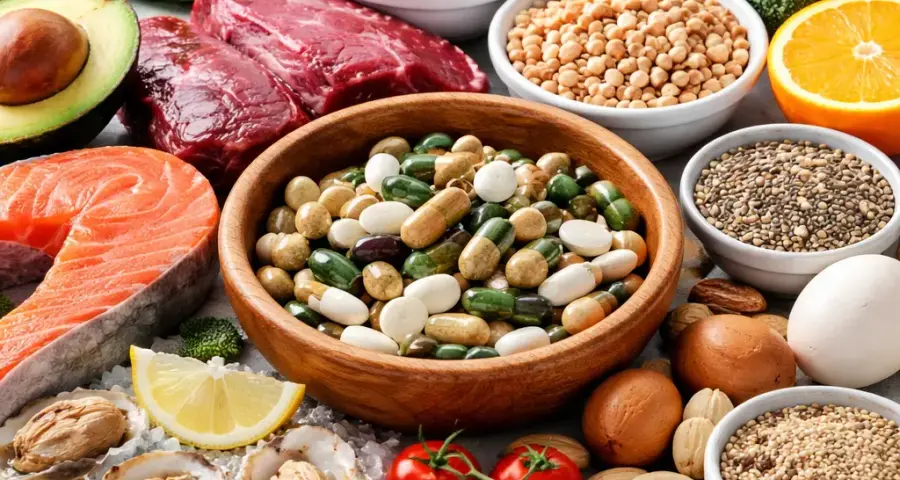
Dairy products like milk, yogurt, and cheese are rich sources. For plant-based options, consider fortified plant milks, leafy greens such as kale and collard greens, almonds, and sardines with bones.
Daily Requirements
Adults generally need 1,000 to 1,200 milligrams per day. Most people fall short, so intentional food choices matter.
Magnesium: The Master Regulator of Electrolyte Balance Minerals
Magnesium is involved in over 300 enzymatic reactions in the body. It is a central component of electrolyte balance and hydration, and it directly influences nerve function minerals and metabolic enzyme cofactors.
Function and Benefits
Magnesium helps regulate muscle and nerve function, blood sugar levels, and blood pressure. It also supports energy production minerals by aiding the conversion of food into ATP — the energy currency of your cells. For immune support minerals, magnesium works behind the scenes to maintain a healthy inflammatory response.
Deficiency Symptoms
Common signs include muscle twitches, cramps, fatigue, weakness, and heart palpitations. Low magnesium is also linked to anxiety and poor sleep quality.
Food Sources
Spinach, pumpkin seeds, almonds, black beans, and whole grains are excellent sources. Dark chocolate (70 percent cocoa or higher) also provides a tasty magnesium boost.
Daily Requirements
Adult women need about 310 to 320 milligrams daily; men need 400 to 420 milligrams. Absorption can be enhanced by pairing with vitamin D and reduced by excess alcohol consumption.
Potassium: Essential Electrolyte Balance Minerals for Heart and Muscles
Potassium is one of the primary electrolyte balance minerals in your body. Alongside sodium, it maintains fluid balance, nerve signals, and muscle contractions — particularly in the heart.
Function and Benefits
Potassium is a cornerstone of cardiovascular health minerals. It helps lower blood pressure by counteracting sodium, reduces the risk of stroke, and supports regular heart rhythms. For athletes, potassium prevents cramps and supports muscle contraction nutrients during exercise.
Deficiency Symptoms
Hypokalemia — low potassium — can cause weakness, fatigue, muscle cramps, digestive issues, and an irregular heartbeat. Severe deficiency is a medical emergency.
Food Sources
Bananas are famous for potassium, but they are not the only source. Sweet potatoes, spinach, avocados, beans, and tomatoes contain even more per serving.
Daily Requirements
The adequate intake for adults is about 2,600 milligrams for women and 3,400 milligrams for men — amounts best achieved through a diet rich in whole plant foods.
Sodium: Balancing Electrolyte Balance Minerals Without Overdoing It
Sodium often gets a bad reputation, but it is essential for life. Alongside potassium, it maintains electrolyte balance and hydration, supports nerve function, and enables muscle contractions.
Function and Benefits
Sodium is the primary mineral outside your cells, controlling fluid balance and blood pressure. For fitness enthusiasts, it is a critical electrolyte balance mineral that prevents hyponatremia — low sodium — especially during prolonged sweating.
Deficiency Symptoms
Signs of low sodium include headache, confusion, nausea, fatigue, and in severe cases, seizures. However, most people in Western countries consume excess sodium, which raises blood pressure and cardiovascular risk.
Food Sources
Table salt is the most concentrated source, but whole foods like celery, beets, and milk contain small amounts naturally. Most dietary sodium comes from processed and restaurant foods.
Daily Requirements
The American Heart Association recommends no more than 2,300 milligrams per day, with an ideal limit of 1,500 milligrams for most adults.
Iron: The Oxygen Carrier Among Energy Production Minerals
Iron is a key component of hemoglobin, the protein in red blood cells that transports oxygen from your lungs to every cell. Without adequate iron, your body struggles to produce energy, which is why iron is indispensable among energy production minerals.
Function and Benefits
Iron supports energy production minerals by enabling cellular respiration. It also strengthens the immune system and contributes to brain function nutrients, as the brain is highly sensitive to oxygen levels.
Deficiency Symptoms
Fatigue and mineral deficiency are strongly linked — iron deficiency anemia is one of the most common nutrient deficiencies worldwide. Symptoms include extreme tiredness, pale skin, shortness of breath, cold hands and feet, and brittle nails. Inadequate iron can also impair concentration and memory.
Food Sources
Heme iron from animal sources — red meat, poultry, and fish — is absorbed more readily. Non-heme iron from plants — lentils, spinach, fortified cereals — can be enhanced by pairing with vitamin C (think spinach salad with lemon juice).
Daily Requirements
Adult men need 8 milligrams; premenopausal women need 18 milligrams due to menstrual blood loss. After menopause, women’s requirements drop to 8 milligrams.
Zinc: A Pillar of Immune Support Minerals and Healing
Zinc is vital for immune function, wound healing, DNA synthesis, and cell division. It is one of the most important immune support minerals, helping your body fight off infections and repair tissues. For a related guide, see Immune System: Daily Habits to Boost Health.
Function and Benefits
Zinc acts as a cofactor for hundreds of metabolic enzyme cofactors. It supports the production of white blood cells, which are your first line of defense. Zinc also supports nerve function minerals and is essential for taste and smell perception.
Deficiency Symptoms
Signs include frequent infections, slow wound healing, hair loss, diarrhea, and loss of appetite. Zinc deficiency can also cause a weakened sense of taste or smell. For a related guide, see Weak Immunity: Signs You Shouldn’t Ignore.
Food Sources
Oysters are the best dietary source — just one provides nearly your entire daily need. Other sources include beef, crab, pumpkin seeds, chickpeas, and cashews.
Daily Requirements
Men need 11 milligrams per day; women need 8 milligrams. Vegetarians may require up to 50 percent more because plant zinc absorption is lower.
Selenium: The Antioxidant Among Trace Minerals Importance
Selenium is a trace mineral that punches above its weight. It is essential for thyroid hormone metabolism, reproduction, and protecting cells from oxidative damage.
Function and Benefits
As part of trace minerals importance, selenium activates antioxidant enzymes that reduce inflammation and support immune system mineral support. Selenium also helps prevent cellular damage from free radicals, which may lower the risk of chronic diseases like heart disease and cancer.
Deficiency Symptoms
Low selenium can contribute to fatigue, weakened immunity, hair loss, and in severe cases, a condition called Keshan disease, which affects the heart muscle.
Food Sources
Brazil nuts are the richest source — just one to two nuts per day can meet your needs. Other sources include tuna, sardines, eggs, sunflower seeds, and whole grains.
Daily Requirements
Adults need 55 micrograms per day. Pregnant and breastfeeding women need slightly more.
Copper: A Versatile Essential Micronutrient for Wellness
Copper is a coworker to iron in many processes. It helps form red blood cells, maintain nerve cells, and keep your immune system healthy. Copper is also involved in brain function nutrients and connective tissue formation.
Function and Benefits
Copper works with iron to support energy production minerals by aiding iron absorption and utilization. It also supports cardiovascular health minerals by helping maintain blood vessels and connective tissues. As an essential micronutrient for wellness, copper even contributes to melanin production, which protects your skin.
Deficiency Symptoms
Signs include anemia (despite adequate iron intake), low body temperature, bone abnormalities, and increased infections. Copper deficiency is rare but can occur in people with malabsorption issues.
Food Sources
Liver (especially beef liver) is exceptionally high in copper. Shellfish, nuts, seeds, mushrooms, and dark chocolate also contain significant amounts.
Daily Requirements
Adults need 900 micrograms per day. Too much copper from supplements can be toxic, so food sources are preferred.
Phosphorus: The Structural Partner of Bone Density and Mineral Support
Phosphorus is the second-most abundant mineral in your body after calcium. It is essential for building bones and teeth, filtering waste in the kidneys, and managing energy storage and release.
Function and Benefits
Phosphorus works hand-in-hand with calcium for bone density and mineral support. It is also a critical component of ATP — again highlighting the role of energy production minerals. Phosphorus supports metabolic enzyme cofactors and helps maintain pH balance in your body.
Deficiency Symptoms
Phosphorus deficiency is uncommon but can cause bone pain, loss of appetite, anxiety, fatigue, and irregular breathing. It is more likely in people with certain medical conditions like kidney disorders or those taking excessive antacids.
Food Sources
Protein-rich foods are excellent sources — chicken, turkey, fish, eggs, dairy, beans, lentils, and whole grains all provide phosphorus. Because it is abundant in many foods, deficiency is rare in a balanced diet.
Daily Requirements
Adults need 700 milligrams per day. Most people exceed this amount, especially if they eat protein regularly.
How to Achieve Complete Mineral Nutrition Through Diet and Lifestyle
Knowing which key minerals your body needs to function is only the first step. The real challenge is putting that knowledge into practice. Here is how to build complete mineral nutrition into your daily routine.
Prioritize Whole, Unprocessed Foods
Whole foods naturally contain minerals in forms that your body recognizes and absorbs well. Vegetables, fruits, nuts, seeds, legumes, lean proteins, and whole grains should form the foundation of your diet. Processed foods often lose minerals and gain sodium, so cooking from scratch gives you more control. For a related guide, see Immunity Foods: Top Picks for Better Defense.
Pair Foods to Enhance Mineral Absorption in Body
Certain combinations boost absorption. Vitamin C improves iron absorption from plants. Eating calcium-rich foods separately from iron-rich meals prevents competition. Healthy fats help absorb fat-soluble vitamins that support mineral utilization.
Monitor Your Daily Mineral Requirements
Use a tracking app or food diary occasionally to see whether you meet daily mineral requirements. If you consistently fall short on a specific mineral, adjust your food choices before reaching for a supplement.
Avoid Common Mineral Depleters
Excess caffeine, alcohol, sugar, and certain medications can reduce mineral absorption in body. For instance, too much zinc can deplete copper, and high sodium can increase potassium loss via urine.
Mineral Supplementation Guide: When Pills Make Sense
A well-rounded diet should cover most daily mineral requirements, but supplementation may be helpful for specific groups. Use this mineral supplementation guide to know when to consider extra support.
Who Might Need Supplements?
- Vegetarians and vegans: May be low in iron and zinc; consider a broad-spectrum mineral supplement or targeted products.
- Pregnant women: Often require iron and calcium beyond what diet alone provides.
- Older adults: Reduced stomach acid can impair absorption of minerals like calcium and B12-dependent minerals.
- Athletes: Heavy sweating increases losses of sodium, potassium, and magnesium.
- People with digestive conditions: Crohn’s, celiac, or IBS can hinder mineral absorption in body.
How to Choose Supplements
Look for third-party tested brands (USP, NSF, or ConsumerLab) to verify purity and potency. Avoid megadoses — more is not always better and can cause toxicity, particularly with iron, zinc, selenium, and copper. Chelated forms (minerals bound to amino acids) often absorb better.
Best Practices
Take supplements with food unless directed otherwise. Space out high-dose minerals, especially calcium and zinc, to avoid competition. Always consult a healthcare professional before starting a new regimen.
Useful Resources
For more in-depth information on these nutrients and dietary strategies, visit these authoritative sources:
- National Institutes of Health (NIH) Office of Dietary Supplements – Mineral Fact Sheets
- Harvard T.H. Chan School of Public Health – The Nutrition Source: Vitamins and Minerals
Frequently Asked Questions About Key Minerals Your Body Needs to Function
Frequently Asked Questions About Key Minerals Your Body Needs to Function
What are the 9 key minerals your body needs to function well?
The nine key minerals your body needs to function well are calcium, magnesium, potassium, sodium, iron, zinc, selenium, copper, and phosphorus. Each plays unique roles in energy production, bone health, muscle function, immune defense, and nerve signaling.
Why are minerals important for human health?
Minerals are essential for human health because they act as structural components of bones and teeth, regulate fluid balance via electrolyte balance minerals, support enzyme activity, and enable nerve transmission and muscle contraction. Without them, your body cannot perform basic metabolic functions.
What happens if you lack essential minerals in your diet?
A lack of essential minerals for body function can lead to a wide range of mineral deficiency symptoms, including fatigue, muscle cramps, weakened immunity, bone loss, irregular heartbeat, and cognitive difficulties. Chronic deficiencies increase the risk of conditions like osteoporosis, anemia, and heart disease.
Which minerals are most important for daily body function?
While all are important, calcium, magnesium, potassium, and sodium are critical for daily daily body function as they regulate heartbeat, muscle contraction, nerve signaling, and hydration status. They are among the core macro minerals for health.
How can I get enough essential minerals from food?
Eating a varied diet with plenty of vegetables, fruits, nuts, seeds, legumes, whole grains, lean proteins, and dairy (or fortified alternatives) can provide adequate nutritional mineral intake. Aim for colorful plates and rotate food choices to cover all dietary mineral sources.
What are symptoms of mineral deficiency in the body?
Common mineral deficiency symptoms include persistent tiredness (fatigue and mineral deficiency), muscle cramps, brittle nails, hair loss, frequent infections, poor concentration, and irregular heart rhythms. Many symptoms overlap, so blood tests are best for confirmation.
Do I need mineral supplements every day?
Not necessarily. Most people can meet daily mineral requirements through a balanced diet. However, some individuals — such as pregnant women, vegetarians, older adults, and athletes — may benefit from targeted supplements as part of a mineral supplementation guide.
Which minerals support energy and immunity?
Iron, magnesium, zinc, and selenium are the most powerful energy production minerals and immune support minerals. Iron fuels oxygen transport for energy; zinc and selenium boost immune cell activity; magnesium is required for ATP production.
What minerals help bones muscles and nerves?
Calcium, magnesium, potassium, sodium, and phosphorus are the primary bone and muscle health minerals and nerve function minerals. They work together to maintain bone density, enable muscle contraction nutrients, and transmit nerve impulses.
What is the best way to balance minerals in the body?
The best approach is a diet rich in whole foods, staying well hydrated, limiting processed foods and alcohol, and considering a supplement only after assessing gaps with a healthcare provider. This supports holistic nutrition minerals naturally.
What are the roles of calcium, magnesium, potassium, and sodium?
Calcium magnesium potassium sodium benefits include strong bones, healthy blood pressure, proper nerve firing, and balanced fluid levels — collectively supporting electrolyte balance and hydration and overall cellular function.
How do iron, zinc, selenium, and copper support health?
Iron zinc selenium copper health roles include oxygen transport (iron), immune defense (zinc), antioxidant protection (selenium), and red blood cell formation (copper). They are vital essential micronutrients for wellness.
What is the relationship between electrolytes and hydration?
Electrolyte balance and hydration go hand in hand. Minerals like sodium, potassium, and magnesium regulate water movement in and out of cells. Proper hydration and electrolyte balance minerals prevent muscle cramps, fatigue, and heat stress.
How can I improve bone density with minerals?
Bone density and mineral support depend primarily on calcium, phosphorus, and magnesium. Adequate intake, along with vitamin D and weight-bearing exercise, helps maintain and even improve bone strength over time.
Which minerals are most important for nerve function?
Nerve function minerals include sodium, potassium, calcium, and magnesium. They generate electrical impulses and regulate neurotransmitter release. Imbalances can cause numbness, tingling, or more serious neurological issues.
What nutrients help muscles contract properly?
Muscle contraction nutrients are calcium (triggers contraction), magnesium (allows relaxation), potassium, and sodium. This interplay of electrolyte balance minerals ensures smooth, pain-free movement.
How do minerals support the immune system?
Immune system mineral support comes from zinc, selenium, iron, and copper. They activate immune cells, produce antibodies, and fight oxidative stress. Deficiencies in these immune support minerals raise infection risk.
What are metabolic enzyme cofactors and why do they matter?
Metabolic enzyme cofactors are minerals — like magnesium, zinc, and copper — that enzymes need to function. They accelerate biochemical reactions, from energy production to DNA repair, making them essential for healthy body function nutrients.
Which foods are the best dietary mineral sources ?
Top dietary mineral sources include leafy greens (magnesium, calcium), nuts and seeds (zinc, magnesium, copper), legumes (iron, copper), dairy (calcium, phosphorus), and seafood (zinc, selenium, iron). Variety is key.
How does mineral absorption in the body work?
Mineral absorption in body happens mainly in the small intestine. Factors like stomach acid level, presence of enhancers (vitamin C) or inhibitors (phytates from grains), and individual health status all affect how well you absorb minerals.