
13 smart mattresses and sleep technologies worth trying Key Takeaways
The Sleep Number 360 i8 adjusts firmness on each side independently, tracks sleep quality with SleepIQ technology, and automatically raises the head or foot when snoring is detected.
- The 13 smart mattresses and sleep technologies worth trying range from fully autonomous air beds to clip-on sleep trackers, suiting different budgets and sleep styles.
- Key benefits include personalized firmness adjustments, temperature regulation, and detailed sleep-stage analytics that inform better nightly habits.
- When choosing the best smart mattress or device, consider factors such as mattress type, sensor accuracy, companion app quality, and long-term warranty support.
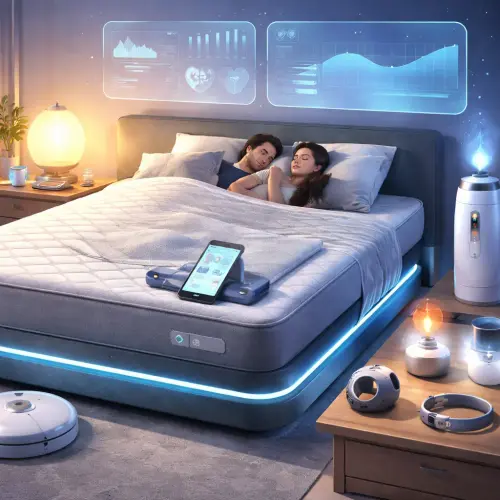
What Makes the Best Smart Mattress and Sleep Tech Gadgets
The best smart mattress goes beyond merely inflating or deflating. Modern sleep technologies integrate biometric sensors that monitor heart rate variability, respiratory rate, and movement. Some models even pair with home automation systems to adjust lighting and temperature for optimal sleep conditions. Below, we break down the 13 standout products that define this category in 2025. For a related guide, see 15 Sleepmaxxing Trends Everyone Is Following for Better Sleep.
13 Smart Mattresses and Sleep Technologies Worth Trying
1. Sleep Number 360 i8 Smart Bed
The Sleep Number 360 i8 adjusts firmness on each side independently, tracks sleep quality with SleepIQ technology, and automatically raises the head or foot when snoring is detected. It is one of the most recognized options in the smart mattresses space, and its dual-air-chamber design remains a benchmark for couples with different preferences.
2. Eight Sleep Pod 4 Ultra
Eight Sleep’s Pod 4 features dynamic temperature control that cools or heats each side of the bed independently. Its built-in biometric sensor analyzes sleep stages and provides a nightly “sleep fitness” score. This sleep tech gadget is ideal for people who overheat or run cold and want detailed recovery data. For a related guide, see 10 Risks of Melatonin Overuse Most People Ignore.
3. Tempur-Pedic TEMPUR-Ergo Premiere Smart Base
While not a mattress alone, this adjustable base supports any Tempur-Pedic mattress with zero-gravity positioning, massage modes, and automatic snore response. It works with the Tempur app for remote adjustments and sleep tracking, making it a strong contender in any mattress buying guide focused on customization.
4. Withings Sleep Tracking Mat
This thin pad slides under your existing mattress and monitors heart rate, breathing patterns, snoring, and sleep cycles without wearables. It syncs with the Withings app and Health Mate platform. If you want sleep tech gadgets that require no charging or straps, this is a simple yet powerful choice.
5. Bryte Balance Smart Bed
The Bryte Balance uses 24 air chambers to continuously adjust firmness across the entire mattress surface. Its AI learns your pressure preferences over time and can heat or cool individual zones. The bed also features guided breathing programs to help you fall asleep faster.
6. Saatva Solaire Adjustable Firmness Mattress
Saatva’s Solaire offers 50 firmness levels via a remote control, along with a latex comfort layer for natural cooling. It is one of the few eco-friendly smart mattresses that combines customizable air support with organic cotton covers and no harmful flame retardants.
7. Dreamegg D1 Smart Sleep Mask
This wearable sleep mask blocks light completely, plays integrated soundscapes through built-in speakers, and tracks sleep duration via a companion app. It is a lightweight addition to any sleep technologies collection and helps users fall asleep in noisy or bright environments.
8. Beautyrest Positionsmart 2.0
This adjustable base includes an under-bed nightlight, USB charging ports, and zero-gravity presets. While it works with any mattress, it offers enhanced support and convenience for reading or watching TV in bed. It is a practical piece of sleep tech gadgets for those who value ergonomic positioning.
9. Emfit QS Active Sleep Tracker
The Emfit QS is a non-contact sensor placed under the mattress that measures heart rate, heart rate variability, respiratory rate, and sleep stages. It is used by professional athletes to monitor recovery. For data enthusiasts, this is one of the most accurate sleep technologies available without wearing a device.
10. Casper Glow Light
While not a mattress, the Casper Glow Light is a smart bedside lamp that gradually dims as you prepare for sleep and brightens in the morning to simulate sunrise. It connects with the Casper app and supports wind-down routines. This simple gadget enhances the sleep environment and pairs well with any best smart mattress.
11. Sleepace RestOn Mattress Sensor
This thin sensor strip sits on top of your mattress—under the sheet—and tracks heart rate, respiratory rate, body movement, and sleep cycles. It offers a budget-friendly way to add smart monitoring to a traditional bed. It is a versatile entry in any list of 13 smart mattresses and sleep technologies worth trying.
12. Nectar Premier Adjustable Base
Nectar’s adjustable base features quiet motors, preset positions, a wireless remote, and wall-hugging technology that keeps the nightstand within reach. It works with any mattress but is especially recommended for those with Nectar memory foam mattresses. It is an excellent option for readers following a mattress buying guide for value-focused smart bases.
13. Tempur-Pedic TEMPUR-SleepCloud
Still in development but generating buzz, the TEMPUR-SleepCloud is an integrated platform that combines a TEMPUR mattress with a smart base and a wearable ring. It promises detailed sleep analysis and adaptive support. It represents the future of sleep technologies coming from a legacy brand.
Quick Comparison of the Top Options
| Product | Type | Key Feature | Approximate Starting Price |
|---|---|---|---|
| Sleep Number 360 i8 | Air mattress | Dual firmness and snore response | $3,299 |
| Eight Sleep Pod 4 Ultra | Mattress cover | Active heating and cooling | $2,395 |
| Tempur-Ergo Premiere Base | Adjustable base | Zero gravity and massage | $2,699 |
| Withings Sleep Tracking Mat | Sensor pad | Non-wearable tracking | $129 |
| Bryte Balance Smart Bed | Air mattress | 24-zone adjustment | $4,999 |
| Saatva Solaire | Air mattress | 50 firmness levels | $1,995 |
How to Choose the Right Smart Mattress or Sleep Tech Gadget for You
When evaluating smart mattresses, first decide whether you want a complete bed (like the Sleep Number or Bryte) or an add-on sensor (like Withings or Emfit). Consider your sleeping temperature: if you frequently overheat, look for active cooling like Eight Sleep. If snoring is a concern, choose a base with automatic head elevation. Also evaluate the app ecosystem—some platforms integrate with Apple Health or Google Fit, which can consolidate your wellness data in one place.
Budget Considerations
The best smart mattress for you depends on how much you are willing to invest. Full smart beds typically range from $2,000 to $6,000, while sensor pads and sleep masks cost under $200. Many adjustable bases offer financing options, so you can spread payments over time. Read the warranty carefully—some smart components have shorter coverage than the mattress foam itself.
Useful Resources
For deeper comparisons and sleep science insights, explore these external sources:
- Sleep Foundation – Best Smart Mattress Reviews – Comprehensive expert evaluations and lab-tested data on the latest smart beds.
- Consumer Reports – Smart Mattress Buying Guide – Independent testing on durability, comfort, and smart features for popular models.
Frequently Asked Questions About 13 smart mattresses and sleep technologies worth trying
What is a smart mattress?
A smart mattress contains embedded sensors or adjustable air chambers that track sleep data, adjust firmness, or regulate temperature. Many also connect to smartphone apps for personalized insights.
Are smart mattresses worth the money?
If you value data-driven sleep improvement or have specific needs like snoring or temperature sensitivity, they can be a worthwhile investment. For simple comfort alone, a high-quality non-smart mattress may suffice.
How do sleep-tracking sensors work?
Most use ballistocardiography (BCG) to measure the subtle vibrations of your heartbeat, breathing, and movement through the mattress. No camera or wearable is required.
Can a smart mattress help with snoring?
Yes, many smart bases and mattresses include a snore-detection feature that gently raises the head of the bed to open your airway, reducing snoring frequency and intensity.
Do I need Wi-Fi to use a smart mattress?
Most smart features require Wi-Fi for app connectivity and data syncing, but basic adjustments (like firmness changes) often work via remote control without internet access.
What is the difference between a smart mattress and an adjustable base?
A smart mattress has built-in technology (sensors, air chambers), while an adjustable base is a foundation that moves the mattress positionally. Many people combine both for the best experience.
How long do smart mattresses last?
High-quality smart beds typically last 7 to 15 years, but the integrated electronics may need service sooner. Check the warranty on both the foam and the electronic components.
Can I use a smart mattress with an existing bed frame?
It depends on the product. Full smart replace your old mattress, while sensor pads and covers are designed to work with your existing mattress and frame.
Are smart mattresses good for couples?
Yes, many offer dual-zone comfort settings so each partner can select their preferred firmness and temperature, reducing sleep disruptions.
Do smart mattresses use a lot of electricity?
Power consumption is generally low—comparable to a nightlight or small fan. Most use less than 10 watts during normal operation.
Can I connect my smart mattress to Alexa or Google Home?
Many smart beds and bases integrate with Amazon Alexa, Google Assistant, or Apple HomeKit for voice control of positioning and settings.
What is the best smart mattress for side sleepers?
The Sleep Number 360 i8 and Saatva Solaire both offer pressure-relieving firmness adjustments that side sleepers can tune for shoulder and hip comfort.
How often do smart mattresses need software updates?
Most manufacturers push updates every few months to improve algorithms and fix bugs. Updates happen automatically when the bed is connected to Wi-Fi.
Can smart sleep technologies help with insomnia?
While they are not a medical treatment, features like guided breathing, temperature control, and sleep tracking can support better sleep hygiene and help identify patterns.
What is the cheapest way to get sleep tracking?
The Withings Sleep Tracking Mat ($129) or Sleepace RestOn sensor provide reliable data at a fraction of the cost of a full smart mattress.
Are there any risks with sleeping on a smart mattress?
No known health risks exist. The sensors are low-energy and non-ionizing. Always buy from reputable brands with proper certifications.
How do I clean a smart mattress?
Most have removable, machine-washable covers. For the sensor units, follow the manufacturer’s guidelines—never submerge electronics in water.
Will a smart mattress fit in a standard bed frame?
Yes, they are built in standard sizes (twin, full, queen, king), but some require a completely flat platform or slatted base. Check the product specs carefully.
What is the return policy for smart mattresses ?
Most direct-to-consumer brands offer 100-night risk-free trials with full refunds. Traditional brands like Tempur-Pedic may have shorter trial periods or restocking fees.
Can I take my smart mattress with me when I move?
Yes, you can disassemble and move them like a standard mattress. Keep the original packaging if possible. Adjustable bases may be heavier—measure doorways before moving.