
heart healthy diet plan Key Takeaways
Following a heart-healthy diet plan is one of the most effective ways to lower cholesterol naturally without relying solely on medication.
- A heart-healthy diet plan emphasizes soluble fiber, omega-3s, and plant sterols to reduce LDL cholesterol.
- Simple swaps like choosing oats over refined cereals and olive oil over butter can make a significant difference.
- Pairing diet with lifestyle habits such as regular exercise and stress management amplifies results.
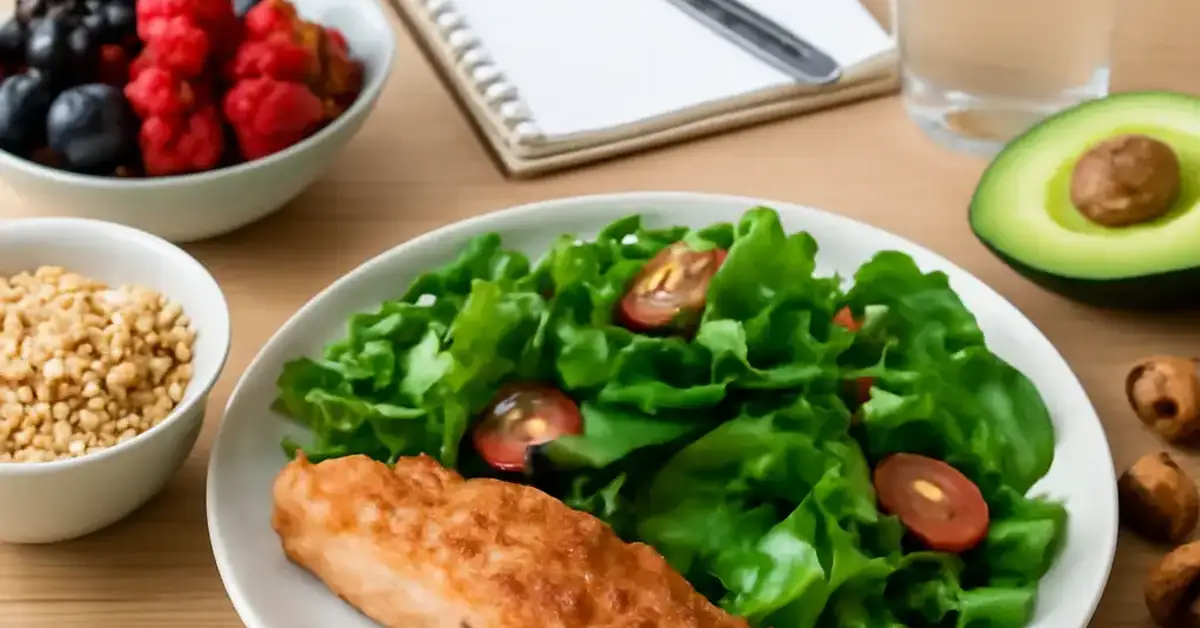
What Makes a Heart-Healthy Diet Plan Effective for Lowering Cholesterol Naturally
Cholesterol is a waxy substance your body needs to build cells, but too much LDL (low-density lipoprotein) can clog arteries and increase heart disease risk. A well-designed heart-healthy diet plan targets three main mechanisms: reducing saturated fat intake, increasing soluble fiber to bind cholesterol in the digestive tract, and incorporating plant sterols that block cholesterol absorption.
The beauty of a natural approach is that you don’t have to eliminate all your favorite foods. Instead, you focus on adding nutrient-dense options that actively support cardiovascular health. Over time, these changes can lower total cholesterol by 5–15%, which translates to a meaningful reduction in heart attack and stroke risk. For a related guide, see How to Lower Cardiovascular Risk: Diet, Exercise, and Prevention.
Top Cholesterol-Lowering Foods to Include in Your Heart Healthy Meal Plan
Certain foods have earned a reputation as true cholesterol fighters. When building your heart healthy meal plan, prioritize these categories.
Soluble Fiber All-Stars
Soluble fiber dissolves in water to form a gel-like substance that traps cholesterol and carries it out of the body. Excellent sources include oats, barley, beans, lentils, apples, citrus fruits, and Brussels sprouts. Aim for at least 10 grams of soluble fiber daily.
Healthy Fats: Omega-3s and Unsaturated Oils
Omega-3 fatty acids from salmon, mackerel, sardines, walnuts, and flaxseeds reduce inflammation and can modestly lower triglycerides. Replace butter and margarine with olive oil, which is rich in monounsaturated fat that helps maintain healthy HDL levels.
Plant Sterols and Stanols
These naturally occurring compounds are found in nuts, seeds, whole grains, and fortified products like some orange juices and yogurts. Consuming about 2 grams of plant sterols daily can lower LDL by up to 10%.
| Food Category | Examples | How It Helps |
|---|---|---|
| Soluble Fiber | Oats, beans, apples, carrots | Binds cholesterol in the gut |
| Healthy Fats | Olive oil, avocado, salmon | Raises HDL and lowers triglycerides |
| Plant Sterols | Almonds, fortified orange juice | Blocks cholesterol absorption |
| Antioxidants | Berries, dark leafy greens, dark chocolate | Prevents LDL oxidation |
Sample 7-Day Heart-Healthy Diet Plan – Lower Cholesterol Naturally
This heart-healthy diet plan is designed to be simple, satisfying, and rooted in everyday ingredients. Each day provides roughly 1,800–2,000 calories with around 35–45 grams of fiber and less than 7% of calories from saturated fat. Adjust portion sizes based on your energy needs and hunger cues.
Day 1: Kickoff with Oats and Greens
Breakfast: Bowl of steel-cut oats topped with sliced banana, a tablespoon of ground flaxseed, and a sprinkle of cinnamon.
Lunch: Large salad with mixed greens, chickpeas, cherry tomatoes, cucumber, and a lemon-tahini dressing.
Dinner: Grilled salmon with roasted Brussels sprouts and quinoa.
Snack: Handful of almonds.
Day 2: Bean-Based Comfort
Breakfast: Greek yogurt parfait with berries and a tablespoon of chia seeds.
Lunch: Black bean soup with a side of whole-grain crackers and avocado slices.
Dinner: Turkey and vegetable stir-fry with brown rice, using sesame oil.
Snack: Sliced apple with a tablespoon of peanut butter.
Day 3: Mediterranean Flavors
Breakfast: Scrambled eggs with spinach and a slice of whole-grain toast drizzled with olive oil.
Lunch: Whole-wheat wrap with hummus, roasted red peppers, cucumber, and feta cheese.
Dinner: Baked cod with lemon and oregano, served with a side of steamed broccoli and farro.
Snack: A small pear.
Day 4: Plant-Powered Bowl
Breakfast: Smoothie made with unsweetened almond milk, frozen berries, a handful of spinach, and a tablespoon of almond butter.
Lunch: Lentil and vegetable soup with a side salad.
Dinner: Stuffed bell peppers with quinoa, black beans, corn, and salsa, baked until tender.
Snack: Edamame pods.
Day 5: Lean Poultry and Greens
Breakfast: Overnight oats prepared with almond milk, chia seeds, and diced mango.
Lunch: Grilled chicken breast over a bed of arugula with walnuts, dried cranberries, and a balsamic vinaigrette.
Dinner: Shrimp and vegetable kebabs with a side of whole-wheat couscous.
Snack: Carrots with hummus.
Day 6: Vegetarian Variety
Breakfast: Two scrambled eggs with sautéed mushrooms and tomatoes.
Lunch: Caprese salad with fresh mozzarella, tomatoes, basil, and a drizzle of extra-virgin olive oil.
Dinner: Whole-grain pasta with marinara sauce, sautéed zucchini, and a sprinkle of Parmesan cheese.
Snack: Small handful of walnuts.
Day 7: Prep and Refresh
Breakfast: Whole-grain waffles topped with fresh berries and a dollop of plain Greek yogurt.
Lunch: Leftover quinoa salad from earlier in the week with added chickpeas and chopped bell peppers.
Dinner: Hearty minestrone soup loaded with kidney beans, celery, carrots, and kale.
Snack: Orange slices.
Lifestyle Tips to Maximize Your Heart-Healthy Diet Plan
What you eat is crucial, but habits outside the kitchen also influence cholesterol levels. Integrate these practices for a more comprehensive approach to lower cholesterol naturally.
Move Your Body Regularly
Aim for at least 150 minutes of moderate aerobic activity each week—brisk walking, cycling, or swimming. Exercise raises HDL (good) cholesterol and helps manage weight, which indirectly lowers LDL.
Manage Stress and Sleep
Chronic stress triggers hormonal changes that can raise LDL and triglycerides. Prioritize seven to nine hours of quality sleep per night and incorporate relaxation practices like deep breathing, meditation, or gentle yoga.
Avoid Trans Fats and Limit Added Sugars
Trans fats, often found in packaged baked goods and fried foods, are the worst type for cholesterol. Read ingredient labels and steer clear of partially hydrogenated oils. Also, reduce sugary drinks and sweets that can elevate triglycerides.
Useful Resources
For more science-backed details on cholesterol-lowering foods and heart health, explore these trusted sources:
- American Heart Association: Diet and Lifestyle Recommendations – Official guidelines for heart-healthy eating.
- Mayo Clinic: How to Lower Cholesterol with Diet – In-depth advice from a leading medical institution.
Frequently Asked Questions About heart healthy diet plan
Can a heart-healthy diet plan really lower cholesterol without medication?
Yes, many people can achieve meaningful reductions in LDL cholesterol through diet alone, especially if they combine soluble fiber, healthy fats, and plant sterols. However, individuals with very high cholesterol or genetic conditions may still need medication.
How quickly can I expect to lower cholesterol naturally with diet?
Some people see a drop in LDL within 4–6 weeks of consistently following a heart-healthy diet plan. Maximum dietary effects typically appear after 3–6 months.
What is the single most important food to eat for lower cholesterol?
Oats are often considered the top choice because a daily serving of 1.5 cups of cooked oatmeal provides about 3 grams of soluble beta-glucan fiber, which has been shown to lower LDL effectively.
Are eggs bad for cholesterol on a heart healthy meal plan ?
Current research suggests that for most people, eating up to one whole egg per day does not raise heart disease risk. The key is to limit saturated fat from meats and butter rather than dietary cholesterol from eggs.
Should I avoid all red meat on a heart-healthy diet plan?
You don’t need to eliminate red meat completely, but limit it to once or twice a week. Choose lean cuts like sirloin or tenderloin and keep portions to about the size of your palm.
How does soluble fiber lower cholesterol naturally ?
Soluble fiber dissolves in water to form a gel that binds to cholesterol-rich bile acids in your intestines. This complex is then excreted, forcing your body to pull more cholesterol from your blood to produce new bile acids.
Can I drink alcohol while following a heart-healthy diet plan?
Moderate alcohol consumption—up to one drink per day for women and two for men—may actually raise HDL cholesterol. However, drinking more than that can increase triglycerides and blood pressure.
What are the best cholesterol-lowering foods for vegetarians?
Beans, lentils, oats, barley, nuts, seeds, soy products (like tofu and edamame), fruits, and vegetables all work well. Plant sterols are also naturally abundant in many plant foods.
Is olive oil safe to cook with at high heat?
Extra-virgin olive oil has a smoke point around 375–400°F, making it suitable for sautéing and roasting at moderate temperatures. For very high-heat cooking, consider avocado oil instead.
Can I eat nuts every day on a heart healthy meal plan ?
Yes, a small handful (about 1 ounce) of unsalted nuts like almonds, walnuts, or pistachios daily is excellent for heart health. They provide fiber, healthy fats, and plant sterols. For a related guide, see 8 Healthy Habits for Better Digestion and Gut Comfort.
What is the difference between LDL and HDL cholesterol?
LDL (low-density lipoprotein) is often called “bad” cholesterol because it deposits plaque in arteries. HDL (high-density lipoprotein) is “good” because it carries cholesterol away from arteries to the liver for removal.
How much fiber should I eat daily to lower cholesterol naturally ?
Adults should aim for 25–35 grams of total fiber per day, with at least 10 grams coming from soluble fiber. Most people fall short, so gradual increases are recommended to avoid digestive discomfort.
Are smoothies a good choice for a heart-healthy diet plan?
Yes, when made with whole fruits, vegetables, a source of protein (like Greek yogurt or nut butter), and without added sugars. They can be a convenient way to increase fiber and nutrient intake.
Does drinking green tea help lower cholesterol?
Some studies suggest that catechins in green tea can modestly reduce LDL cholesterol. Drinking 2–3 cups daily may provide a small benefit as part of a broader healthy diet.
What should I eat before a cholesterol blood test?
Doctors typically advise fasting for 9–12 hours before a lipid panel. Water is allowed, but avoid food, coffee with cream, and sugary drinks to get accurate results.
Can I still eat cheese on a heart healthy meal plan ?
Yes, but choose lower-fat options like part-skim mozzarella, ricotta, or cottage cheese. Use them as a garnish rather than a main ingredient to keep saturated fat in check.
How does exercise complement a heart-healthy diet plan to lower cholesterol naturally ?
Exercise raises HDL cholesterol, improves circulation, and helps maintain a healthy weight—all of which work together with diet to reduce overall cardiovascular risk.
Are there any supplements that help lower cholesterol naturally ?
Red yeast rice, plant sterol supplements, and omega-3s (fish oil) have shown some benefit, but they should not replace dietary changes. Always consult a healthcare provider before starting supplements.
What is the Mediterranean diet and why is it recommended?
The Mediterranean diet emphasizes fruits, vegetables, whole grains, legumes, nuts, olive oil, and moderate fish intake. It is rich in all the nutrients that support a heart-healthy diet plan.
Can I reverse high cholesterol completely with diet alone?
Many people can bring high cholesterol into a healthy range with sustained dietary and lifestyle changes. However, genetics play a role, and some individuals may still require medication for optimal control.