
heart healthy breakfast recipes Key Takeaways
Cardiologists and registered dietitians emphasize that breakfast is a critical opportunity to nourish your heart.
- Focus on whole foods: oats, berries, nuts, seeds, and unsweetened dairy or plant-based alternatives.
- Expert-approved recipes include options like avocado toast with smoked salmon, berry chia pudding, and veggie-packed egg muffins.
- Consistent, balanced morning meals can improve lipid profiles and reduce inflammation over time.
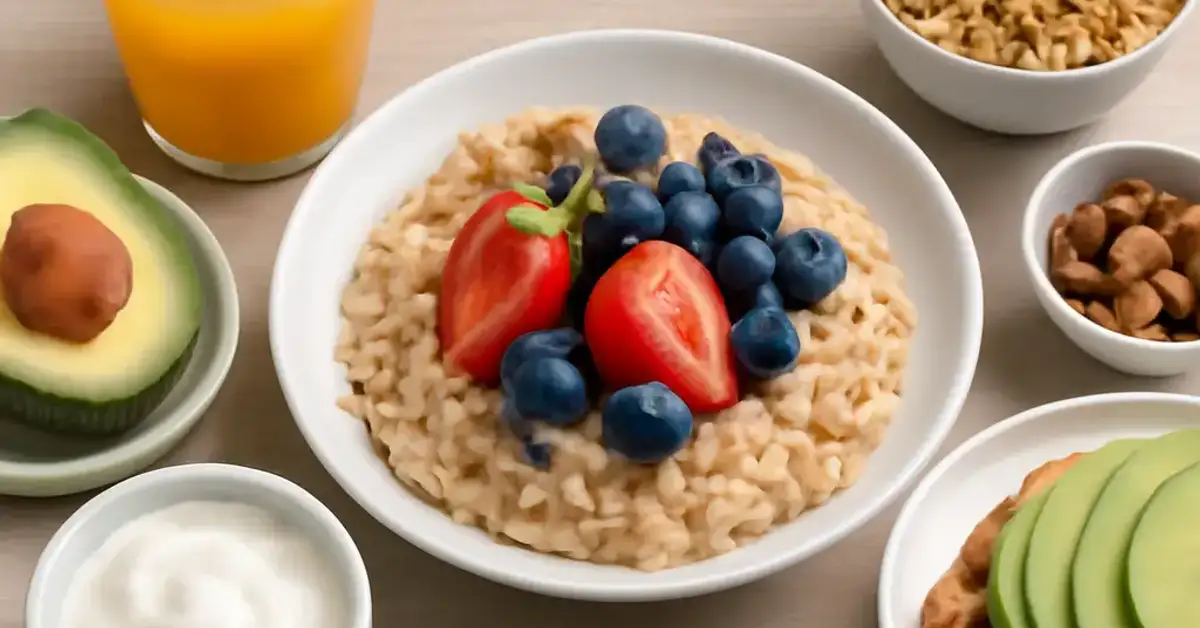
Why Experts Recommend These Heart-Healthy Breakfast Recipes
Cardiologists and registered dietitians emphasize that breakfast is a critical opportunity to nourish your heart. “A well-balanced breakfast can lower LDL cholesterol, stabilize blood sugar, and provide lasting energy. It’s one of the simplest daily habits for heart disease prevention,” says Dr. Rachel Harper, a preventive cardiologist at the University of Texas Health Science Center. The recipes below are built on ingredients shown in clinical research to support cardiovascular function—think soluble fiber from oats and barley, omega-3s from walnuts and flaxseeds, and potassium from bananas and leafy greens.
The 10 Best Expert-Recommended Heart-Healthy Breakfast Recipes
Each recipe includes a brief description and a direct quote from a nutrition or heart health professional.
1. Overnight Oats with Berries and Walnuts
Combine rolled oats, almond milk, chia seeds, a handful of fresh or frozen berries, and chopped walnuts. Let it sit overnight in the refrigerator. “Oats provide beta-glucan, a soluble fiber that helps reduce LDL cholesterol. Berries add antioxidants, and walnuts deliver alpha-linolenic acid, a plant-based omega-3 that supports heart health,” explains registered dietitian nutritionist Laura Chen, RD.
2. Avocado Toast with Smoked Salmon
Mash half an avocado on a slice of whole-grain toast. Top with smoked salmon, a squeeze of lemon, and a sprinkle of black pepper. “Avocado provides monounsaturated fats that can help raise HDL cholesterol, while salmon is rich in EPA and DHA omega-3s, which lower triglycerides and reduce inflammation,” notes Dr. James O’Malley, a cardiologist at the Cleveland Clinic.
3. Spinach and Mushroom Egg Muffins
Whisk eggs with chopped spinach, sliced mushrooms, and a little low-fat cheese. Pour into a greased muffin tin and bake at 350°F for 15–18 minutes. “Eggs get a bad rap, but when eaten in moderation and combined with vegetables, they’re a great source of protein and choline,” says dietitian Maya Singh, RD. “The fiber from vegetables also helps with satiety and blood sugar control.” For a related guide, see 8 Smart Meal Planning Tips for Blood Sugar Control.
4. Berry Chia Pudding
Mix 3 tablespoons of chia seeds with 1 cup of unsweetened almond milk and a teaspoon of vanilla extract. Stir in a handful of mixed berries. Refrigerate for at least 2 hours or overnight. “Chia seeds are packed with fiber and omega-3s. This is one of the simplest heart-healthy breakfast recipes for busy mornings,” says Dr. Ellen Torres, a nutrition researcher at Harvard T.H. Chan School of Public Health.
5. Greek Yogurt Parfait with Nuts and Seeds
Layer plain Greek yogurt with sliced almonds, pumpkin seeds, and a drizzle of honey. Top with fresh fruit like sliced peaches or blueberries. “Greek yogurt has probiotics that may support gut health, which is increasingly linked to heart health. Nuts and seeds contribute magnesium and healthy fats that help regulate blood pressure,” explains dietitian Robert Kim, RD.
6. Whole-Grain Pancakes with Blueberry Compote
Use whole-wheat flour or oat flour as the base. Top with a warm compote made from fresh or frozen blueberries and a touch of maple syrup. “Choosing whole grains over refined flour means you get more fiber and nutrients. Blueberries are one of the best fruit sources of anthocyanins, which have been shown to improve endothelial function,” notes Dr. Sarah Levinson, a cardiologist at Johns Hopkins Medicine.
7. Tofu Scramble with Vegetables
Crumble firm tofu and sauté with turmeric, black pepper, chopped bell peppers, onions, and kale. Serve with a slice of whole-grain toast. “Tofu is a high-quality plant protein that contains isoflavones, which may help lower LDL cholesterol. The vegetables add vitamins and fiber,” says dietitian Priya Patel, RD, a plant-based nutrition specialist.
8. Banana Oatmeal Muffins (No Added Sugar)
Combine mashed ripe bananas, rolled oats, eggs, a pinch of cinnamon, and baking powder. Bake in a muffin tin at 350°F for 20 minutes. “These muffins are naturally sweetened by the bananas. Oats keep you full and support heart health without the sugar spike,” explains Dr. Mark Spencer, a preventive cardiologist at the Mayo Clinic.
9. Smoothie Bowl with Spinach, Banana, and Flaxseed
Blend a handful of spinach, half a frozen banana, 1 tablespoon of ground flaxseed, and unsweetened oat milk. Pour into a bowl and top with sliced almonds and a few dark chocolate chips. “Spinach is packed with nitrates that can help lower blood pressure. Flaxseed is a top source of lignans, which may reduce oxidative stress,” says Dr. Hannah Lee, a professor of nutrition at Tufts University.
10. Buckwheat Porridge with Apple and Cinnamon
Cook buckwheat groats in water or almond milk until tender. Top with diced apple, a sprinkle of cinnamon, and a tablespoon of walnuts. “Buckwheat is a whole grain that contains rutin, a compound known to strengthen blood vessels. It’s a fantastic alternative for people who need gluten-free options,” notes dietitian Eva Johansson, RD.
How to Build Your Own Heart-Healthy Breakfast Recipes
Creating heart-healthy meals on your own is straightforward once you know the key components. Start with a base of whole grains or high-fiber produce, add a source of lean protein (eggs, Greek yogurt, tofu, or fish), then include healthy fats from nuts, seeds, or avocado. Limit added sugars and sodium—use fruit, spices, or small amounts of natural sweeteners like honey or maple syrup when you need sweetness. For a related guide, see 7 Breakfast Ideas for Better Blood Sugar Balance.
The Heart-Healthy Plate Formula
Think of your breakfast plate divided into four parts: half should be non-starchy vegetables or fruit, one-quarter whole grains, and one-quarter lean protein. Add a tablespoon of nuts or seeds for extra fiber and healthy fats. This ratio mirrors the recommendations from the American Heart Association and makes portion control easy.
| Component | Examples | Heart Benefit |
|---|---|---|
| Whole grains | Oats, quinoa, buckwheat, whole-wheat bread | Soluble fiber lowers LDL cholesterol |
| Lean protein | Eggs, Greek yogurt, tofu, smoked salmon | Helps satiety and muscle health |
| Healthy fats | Avocado, walnuts, flaxseed, almonds | Omega-3s reduce inflammation |
| Fruits and vegetables | Berries, spinach, bananas, apples | Antioxidants and potassium for blood pressure |
Common Mistakes to Avoid with Heart-Healthy Breakfast Recipes
Even with good intentions, some common pitfalls can undermine a heart-healthy breakfast. Watch out for these traps.
- Hidden sugars — Many granolas, yogurts, and store-bought muffins contain added sugars that spike insulin and contribute to inflammation. Always read labels or make your own versions.
- Over-reliance on processed meats — Bacon and sausage are high in saturated fat and sodium. If you enjoy meat at breakfast, choose lean turkey sausage or a small portion of smoked salmon instead.
- Skimping on protein — A carb-only breakfast (like plain toast or cereal) leaves you hungry and may cause blood sugar fluctuations. Add a protein source to keep energy steady.
Useful Resources
For more evidence-based guidance on heart-healthy eating, explore these trusted sources:
- American Heart Association Diet and Lifestyle Recommendations — Official guidelines for reducing cardiovascular risk through nutrition.
- Harvard T.H. Chan School of Public Health – Cardiovascular Disease Prevention — Research-backed articles on foods that protect your heart.
Conclusion: Start Your Day with Heart in Mind
Building a morning routine around heart-healthy breakfast recipes is one of the most rewarding investments you can make in your long-term health. The expert-approved ideas in this article combine proven ingredients with delicious flavors. Pick one recipe to try tomorrow—your heart will thank you.
Ready to transform your mornings? Bookmark this list and share it with a friend who wants to improve their heart health. Small changes add up to a stronger, healthier heart.
Frequently Asked Questions About heart healthy breakfast recipes
Can I eat eggs every day for a heart-healthy breakfast?
Yes, for most people, one egg per day is safe and beneficial. Eggs provide high-quality protein and choline. If you have diabetes or heart disease, limit yolk intake to three to four per week and emphasize egg whites.
Are overnight oats healthier than cooked oats?
Both are nutritious. Overnight oats retain slightly more resistant starch, which may benefit blood sugar control. The key is to use rolled oats and avoid sugary additives.
What is the best milk alternative for heart health?
Unsweetened almond milk, oat milk, or flax milk are good choices. Choose options fortified with calcium and vitamin D. Avoid sweetened varieties.
How much fiber should I aim for at breakfast?
Try to get at least 5 to 8 grams of fiber at breakfast. Foods like oats, chia seeds, and berries help reach that goal. The daily recommendation is 25 to 38 grams for adults.
Are smoothies good for heart health?
Yes, if made with whole ingredients. A smoothie with spinach, berries, flaxseed, and unsweetened milk provides fiber, antioxidants, and healthy fats. Avoid adding fruit juice or sweeteners.
Can I use coconut oil in heart-healthy breakfast recipes ?
Use coconut oil sparingly. Although it’s plant-based, it contains about 90% saturated fat, which can raise LDL cholesterol. Olive oil or avocado oil are better options.
Is peanut butter heart-healthy?
Natural peanut butter without added sugar or hydrogenated oils is heart-healthy. It provides monounsaturated fats and protein. Stick to one tablespoon per serving.
What is the best fruit for heart health at breakfast?
Berries, especially blueberries and strawberries, are ranked highest due to their high anthocyanin content. They help improve blood vessel function and reduce blood pressure.
Should I avoid dairy for a heart-healthy breakfast?
Not necessarily. Low-fat or fat-free dairy like Greek yogurt and skim milk can be part of a heart-healthy diet. Full-fat dairy is higher in saturated fat and should be limited.
How can I make breakfast heart-healthy on a busy morning?
Prepare overnight oats, chia pudding, or egg muffins the night before. Alternatively, keep pre-washed fruit, nuts, and plain yogurt ready for a five-minute assembly.
Are granola bars a good heart-healthy breakfast?
Most store-bought granola bars are high in added sugar and low in fiber. Choose bars with at least 3 grams of fiber and no more than 5 grams of sugar, or make your own.
What spices support heart health at breakfast?
Cinnamon, turmeric, ginger, and black pepper have anti-inflammatory properties that support heart health. Add them to oatmeal, smoothies, or egg dishes.
Is it okay to skip breakfast if I’m trying to be heart-healthy?
Some research suggests intermittent fasting may have heart benefits, but skipping breakfast regularly can lead to overeating later. If you skip, ensure the rest of your meals are balanced.
Can I have whole-wheat toast with butter as a heart-healthy breakfast?
Butter is high in saturated fat. Replace it with avocado, a thin spread of nut butter, or a drizzle of olive oil for healthier fats that support heart health.
How important is portion size for heart-healthy breakfast recipes ?
Portions matter. Even healthy foods can lead to weight gain if eaten in large amounts. Use a hand-size guide: one fist of grains, one palm of protein, and two cupped hands of vegetables or fruit.
Are frozen berries as healthy as fresh?
Yes. Frozen berries are flash-frozen at peak ripeness, preserving antioxidants and fiber. They are often more affordable and available year-round.
What is the worst breakfast food for heart health?
Highly processed pastries, sugary cereals, and bacon/sausage are the least heart-healthy options. They combine refined carbs, added sugars, and saturated fat with little fiber.
Can coffee be part of a heart-healthy breakfast?
Moderate coffee consumption (2–3 cups per day) is associated with a lower risk of heart disease. Avoid adding sugar or heavy cream. Black or with a splash of milk is best.
How long does it take to see heart health benefits from dietary changes?
Some improvements, like better blood sugar control and lower triglyceride levels, can be seen within weeks. Significant changes in cholesterol often take three to six months of consistent healthy eating.
Should I take supplements with my heart-healthy breakfast?
Whole foods are preferred. Omega-3 supplements (fish oil or algae oil) can be helpful if you don’t eat fatty fish. Always consult your doctor before starting any supplement regimen.