
Warning Signs of Poor Cardiovascular Health Key Takeaways
Your heart and blood vessels work around the clock to deliver oxygen and nutrients to every cell.
- The warning signs of poor cardiovascular health include chest discomfort, unusual fatigue, shortness of breath , irregular pulses, and swelling in the lower body.
- Many of these symptoms overlap with less serious conditions, but ignoring them can delay critical treatment.
- Lifestyle changes, regular screenings, and early medical evaluation can dramatically lower your risk of advanced heart disease.
What Are the Warning Signs of Poor Cardiovascular Health?
Cardiovascular disease remains the leading cause of death worldwide, yet many people miss the early warning signs because they appear gradually or mimic other ailments. Understanding the specific symptoms of reduced heart function and circulation issues helps you take action before irreversible damage occurs. Below are the eight most critical signals your body may send when your cardiovascular health is declining. For a related guide, see How to Lower Cardiovascular Risk: Diet, Exercise, and Prevention.
1. Chest Pain and Pressure as Cardiovascular Warning Signs
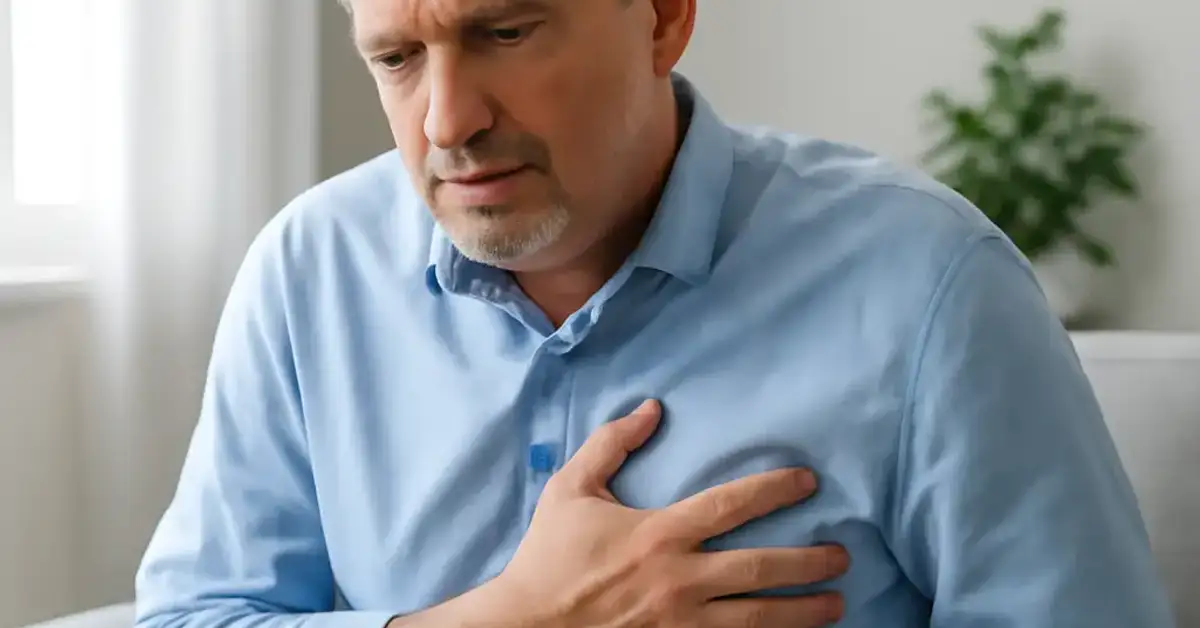
Chest pain heart issues are among the most recognized heart disease warning signs. You may feel a squeezing, burning, or heavy pressure behind the breastbone that can radiate to the shoulders, arms, neck, or jaw. This discomfort often appears during physical exertion or emotional stress and subsides with rest. It indicates that your coronary arteries may be narrowing due to plaque buildup, reducing blood flow to the heart muscle.
If you experience chest pain and pressure as cardiovascular warning signs, do not wait to see if it passes on its own. Call emergency services immediately — especially if the pain lasts more than a few minutes or is accompanied by nausea, cold sweat, or shortness of breath.
2. Shortness of Breath During Daily Activities
Becoming winded after climbing a flight of stairs or carrying groceries can be normal if you are out of shape. However, shortness of breath that occurs with minimal exertion or even at rest is a classic symptom of reduced heart function and circulation issues. When the heart cannot pump blood efficiently, fluid may accumulate in the lungs, making each breath feel harder.
This symptom is often dismissed as aging or lack of fitness, but it deserves a proper medical evaluation heart workup, especially if it develops suddenly or worsens over days.
3. Fatigue and Low Energy Linked to Heart Problems
Unusual fatigue heart disease connections are easy to overlook because tiredness has so many possible causes. Yet persistent exhaustion — feeling wiped out after a full night’s sleep or struggling to complete routine tasks — can signal that your heart is struggling to deliver enough oxygen to your tissues. This fatigue and low energy linked to heart problems often accompanies other symptoms like leg swelling or a dry cough.
If your energy levels have dropped noticeably over weeks or months without a clear explanation, mention it to your doctor. It could be an early indicator of heart and blood vessel problems such as heart failure or coronary artery disease.
4. Irregular Heartbeat and Palpitations Symptoms
Feeling your heart flutter, race, skip a beat, or pound in your chest can be unsettling. While occasional palpitations are usually harmless, frequent or sustained irregular heartbeat episodes warrant investigation. Irregular heartbeat and palpitations symptoms may indicate atrial fibrillation, a common arrhythmia that increases stroke risk fivefold.
Your doctor may use an electrocardiogram (ECG) or a Holter monitor to capture your heart’s rhythm over 24 to 48 hours. Early detection of rhythm problems allows for treatments that can prevent blood clots and heart disease prevention strategies.
5. Dizziness and Fainting Related to Poor Circulation
Feeling lightheaded when you stand up quickly can happen to anyone, but recurrent dizziness fainting episodes are more concerning. When dizziness and fainting related to poor circulation occur, your brain is not receiving enough oxygenated blood. This can result from a drop in blood pressure, heart valve disease, or an abnormal heart rhythm that prevents effective pumping.
If you ever lose consciousness — even briefly — you need a thorough clinical evaluation of heart symptoms. Never dismiss fainting as “just low blood sugar” without ruling out a cardiac cause.
6. Swelling in Legs, Ankles, and Feet From Heart Issues
Puffiness in your lower extremities, known as swelling edema, often develops when the heart cannot pump blood back up from the legs efficiently. Fluid pools in the tissues, causing visible swelling in the legs ankles and feet from heart issues. You may notice that your shoes feel tighter by evening or that pressing on the swollen area leaves a temporary dent.
This symptom is a hallmark of heart failure but can also accompany venous insufficiency or kidney problems. If swelling persists, especially with shortness of breath or fatigue, schedule a preventive cardiology appointment.
7. High Blood Pressure as a Silent Cardiovascular Risk Factor
Often called the silent killer, high blood pressure usually produces no symptoms until it has damaged arteries, the heart, or the kidneys. It is perhaps the most common cardiovascular risk factor and a major driver of heart disease warning signs like chest pain and stroke. Uncontrolled hypertension forces the heart to work harder, leading to thickening of the heart muscle and eventual failure. For a related guide, see Heart Disease: Risk Factors, Symptoms, and Prevention Guide.
Regular heart health monitoring with a home blood pressure cuff is essential, especially if you are over 40, overweight, or have a family history of hypertension. A reading consistently above 130/80 mmHg should prompt lifestyle changes and a conversation with your healthcare provider.
8. Cold Hands and Feet Indicating Poor Circulation
Chilly extremities, even in a warm environment, can be more than a minor annoyance. Cold extremities often reflect poor circulation symptoms where blood vessels narrow or become blocked. While Raynaud’s phenomenon can cause similar sensations, persistent coldness in the hands and feet — especially if accompanied by numbness or color changes — may indicate peripheral artery disease (PAD).
Circulation problems like PAD increase the risk of heart attack and stroke. A simple ankle-brachial index test can measure blood flow in your limbs and provide a clearer picture of your vascular health.
How to Know If Your Heart Is Not Healthy: Additional Red Flags
Beyond the eight core signals, several other signs deserve attention as early warning signs of deeper trouble.
Persistent Cough or Fluid Buildup in Heart Failure
A chronic, hacking cough that produces pink or white frothy mucus can indicate fluid backing up into the lungs. This persistent cough or fluid buildup in heart failure often worsens when lying down and may be mistaken for a lingering cold or asthma.
Reduced Exercise Tolerance and Stamina Decline
If you used to walk 30 minutes without stopping and now feel winded after 10, your reduced exercise tolerance and stamina decline could reflect worsening heart function. This is a key symptom of reduced heart function and circulation issues that athletes and active adults should track carefully.
Skin Discoloration and Oxygen Flow Issues
Bluish or pale skin, especially on the lips, fingers, or toes, signals oxygen flow issues known as cyanosis. This occurs when oxygen-poor blood circulates through the body instead of being properly oxygenated by the lungs and pumped by the heart.
Slow Recovery After Physical Activity
After moderate exercise, your heart rate and breathing should return to baseline within a few minutes. A prolonged recovery — still panting or feeling weak more than five minutes after stopping — can indicate slow recovery after physical activity related to reduced cardiac output.
What Are Silent Signs of Heart Disease?
Not all heart disease arrives with dramatic pain. Some silent signs of heart disease include:
- Indigestion or heartburn that does not respond to antacids
- Pain in the jaw, back, or left arm without chest discomfort
- Sudden snoring changes or sleep apnea episodes
- Erectile dysfunction in men, which often precedes a heart event by years
These vague complaints are frequently the early indicators of heart and blood vessel problems that get dismissed until a serious event occurs. If you notice any combination of these subtle symptoms, seek a medical evaluation heart screening.
Risk Factors Linked to Cardiovascular Disease Progression
Several conditions and habits accelerate the transition from mild warning signs of poor cardiovascular health to advanced disease. Understanding these risk factors linked to cardiovascular disease progression helps you prioritize prevention.
| Risk Factor | How It Affects the Heart | Actionable Step |
|---|---|---|
| High blood pressure | Damages artery walls, increases workload on the heart | Monitor BP daily; reduce sodium intake |
| High LDL cholesterol | Forms plaque that narrows coronary arteries | Eat more fiber, healthy fats; consider statins if indicated |
| Diabetes | Elevates blood sugar, injuring blood vessels | Control glucose with diet, exercise, medication |
| Smoking | Constricts vessels, raises heart rate, promotes clotting | Join a cessation program; use nicotine replacement |
| Obesity | Increases inflammation, strains the heart | Aim for 5–10% weight loss; start with walking |
| Sedentary lifestyle | Weakens heart muscle, lowers vascular flexibility | Get 150 minutes of moderate activity per week |
Why Early Detection and Medical Screening Matter
The importance of early detection and medical screening cannot be overstated. Many people with chronic heart conditions live for years without knowing their heart is compromised. Routine checks — including blood pressure measurement, lipid panels, ECG, and inflammatory markers like C-reactive protein — can uncover problems while they are still reversible.
Preventive cardiology focuses on identifying cardiovascular risk factors and intervening before symptoms escalate. This proactive approach reduces the need for invasive procedures and improves long-term outcomes.
Lifestyle Impacts on Heart and Vascular Health
Your daily choices directly influence lifestyle impacts on heart and vascular health. Even small modifications create measurable improvements in circulation problems and overall cardiac function.
- Nutrition: Emphasize vegetables, whole grains, lean protein, and omega‑3 fatty acids. Limit added sugars and trans fats.
- Physical activity: Combine aerobic exercise (walking, cycling, swimming) with resistance training twice per week.
- Stress management: Chronic stress elevates cortisol and blood pressure. Practice mindfulness, deep breathing, or yoga.
- Sleep quality: Aim for 7–9 hours per night. Untreated sleep apnea stresses the heart and worsens heart failure symptoms.
Implementing these preventive care for cardiovascular wellness strategies reduces exercise intolerance and helps maintain healthy oxygen flow.
Warning Signs Requiring Immediate Medical Attention
Some symptoms demand urgent care, not a scheduled appointment. If you or someone near you experiences any of the following, call emergency services without delay:
- Sudden, crushing chest pain lasting more than five minutes
- Pain radiating to the arm, back, neck, or jaw
- Sudden shortness of breath with or without chest discomfort
- Fainting or near-fainting episodes
- Rapid or irregular pulse accompanied by dizziness
- Bluish lips or face
These are warning signs requiring immediate medical attention and may indicate a heart attack, stroke, or severe arrhythmia.
Improving Cardiovascular Health Through Lifestyle Changes
Even after noticing early warning signs, you can reverse many patterns through dedicated improving cardiovascular health through lifestyle changes. A structured approach includes:
- Set measurable goals: For example, reduce systolic BP by 10 points in three months.
- Track your numbers: Blood pressure, weight, daily steps, and sleep hours.
- Get support: Work with a registered dietitian or cardiac rehab program.
- Stay consistent: Small daily habits beat big bursts of effort that fizzle out.
These steps align with disease prevention and early intervention strategies endorsed by the American Heart Association and the European Society of Cardiology.
Useful Resources
For deeper reading and authoritative guidelines, explore these trusted sources:
- American Heart Association – Heart Attack Warning Signs – Official symptom guide and emergency response steps.
- National Heart, Lung, and Blood Institute – Heart Failure Symptoms – Detailed explanation of fluid buildup, fatigue, and breathing difficulties.
Frequently Asked Questions About Warning Signs of Poor Cardiovascular Health
What are the warning signs of poor cardiovascular health ?
The main warning signs of poor cardiovascular health include chest pain or pressure, unexplained shortness of breath, persistent fatigue, irregular heartbeat, dizziness or fainting, swelling in the legs or ankles, high blood pressure, and cold hands or feet. Any combination of these symptoms warrants a medical checkup.
How do you know if your heart is not healthy ?
You may notice reduced stamina, frequent breathlessness, a fluttering sensation in the chest, or swelling in your lower body. Routine measurements like blood pressure, heart rate, and cholesterol levels provide objective insight into your cardiovascular health.
What are early symptoms of heart disease ?
Early symptoms often include mild chest discomfort, unusual fatigue, indigestion-like pain, and slight shortness of breath during activities you previously handled easily. These early symptoms of heart disease can be subtle but should not be ignored.
Can poor circulation affect overall health ?
Yes, poor circulation symptoms can lead to tissue damage, slow wound healing, cognitive difficulties, and increased risk of blood clots. Over time, circulation problems strain the heart and raise the likelihood of heart attack and stroke.
Why do I feel short of breath easily ?
Easy shortness of breath may result from deconditioning, but it can also indicate that your heart is not pumping efficiently. Fluid accumulation in the lungs, anemia, or lung disease are other possible causes. A medical evaluation can determine the source.
What causes irregular heartbeat and palpitations ?
Common triggers include stress, caffeine, dehydration, and electrolyte imbalances. However, recurrent irregular heartbeat and palpitations may stem from atrial fibrillation, thyroid disorders, or structural heart problems that require diagnosis and treatment.
When should I worry about chest pain ?
Worry about chest pain heart symptoms if the discomfort is severe, lasts longer than a few minutes, spreads to your arm or jaw, or occurs with nausea, sweating, or shortness of breath. These features suggest a heart attack and need emergency care.
What does swelling in the legs mean for heart health ?
Swelling in legs ankles and feet from heart issues usually indicates that the heart cannot pump blood effectively, causing fluid to pool in the lower extremities. This is a classic sign of heart failure and requires prompt evaluation.
How does fatigue relate to cardiovascular problems ?
Fatigue heart disease connections arise because a weakened heart delivers less oxygen to muscles and organs. As a result, you feel exhausted even after minimal effort. This type of fatigue differs from ordinary tiredness in that it persists despite rest.
What are silent signs of heart disease ?
Silent signs include jaw pain, back discomfort, heartburn that does not respond to medication, snoring changes, erectile dysfunction, and sudden anxiety. These silent signs of heart disease can precede a major event and are often missed.
Can stress cause heart palpitations ?
Yes, stress activates the sympathetic nervous system, which can trigger palpitations and a rapid heart rate. While occasional stress-induced palpitations are normal, frequent episodes should be discussed with a doctor.
Is it normal to have cold feet all the time?
Persistent cold extremities may indicate poor blood flow due to peripheral artery disease or other circulation problems. If you also experience numbness, color changes, or leg cramps while walking, see a vascular specialist.
What tests check for heart disease?
Common tests include an electrocardiogram (ECG), echocardiogram, stress test, coronary calcium scan, and blood work for cholesterol and inflammatory markers. These tools form the basis of medical evaluation heart screening.
Can diet reverse heart disease?
A heart-healthy diet rich in vegetables, whole grains, and healthy fats can slow or partially reverse plaque buildup and improve vascular health. However, advanced disease may also require medication or procedures.
Does exercise intolerance always mean heart problems?
Not always. Lung conditions, anemia, and deconditioning can also cause exercise intolerance. Nevertheless, it is a prominent symptom of reduced heart function and circulation issues and deserves investigation.
How often should I check my blood pressure?
If you have high blood pressure or risk factors, check it at least once a week at home. Those with normal readings can check monthly. Regular heart health monitoring catches silent hypertension early. For a related guide, see 10 Important Facts Everyone Should Know About Heart Health.
What is the connection between diabetes and heart disease?
Diabetes damages blood vessels and promotes inflammation, making it a major cardiovascular risk factor. People with diabetes are two to four times more likely to develop heart disease than those without.
Can I prevent heart failure?
Many cases of heart failure can be prevented by controlling blood pressure, managing diabetes, avoiding smoking, maintaining a healthy weight, and staying active. These disease prevention and early intervention strategies are highly effective.
Are palpitations dangerous during exercise?
Mild palpitations during intense exercise are usually benign. However, if they are accompanied by chest pain, dizziness, or fainting, stop exercising and seek medical evaluation for possible irregular heartbeat.
What should I do if I notice warning signs?
Schedule an appointment with your primary care provider or a cardiologist. Describe your symptom awareness in detail, including when symptoms occur, how long they last, and any triggers. Early action is the best defense against advanced cardiovascular disease.