
Signs Your Lifestyle May Be Hurting Your Heart Key Takeaways
Your daily habits—from what you eat to how much you move—can quietly damage your cardiovascular system long before a major event occurs.
- Many common symptoms like fatigue, shortness of breath, and chest discomfort are often dismissed but may signal underlying heart strain.
- Stress, poor sleep, and a sedentary lifestyle are major contributors to lifestyle heart disease that can be modified with intentional changes.
- Early detection of cardiovascular risk signs through awareness of poor heart health symptoms dramatically improves outcomes and quality of life.
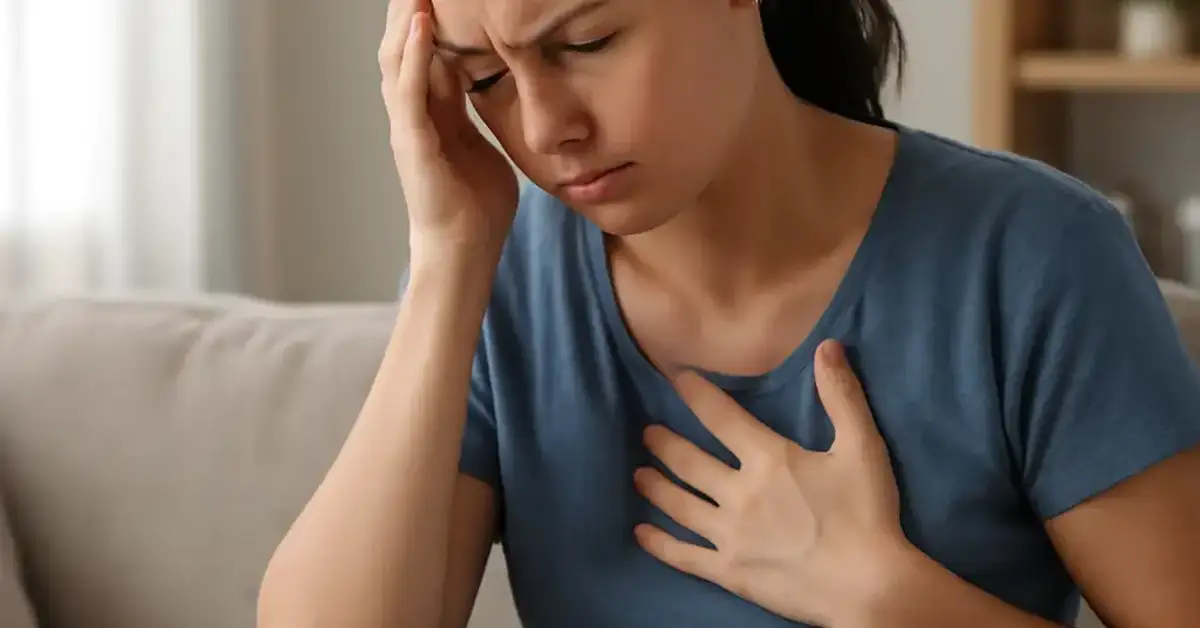
Understanding How Daily Habits Impact Your Heart
Your heart works tirelessly, pumping blood through roughly 60,000 miles of vessels every day. Yet many of the unhealthy habits heart disease patients develop over time go unnoticed until symptoms become impossible to ignore. The good news is that your body sends early warning signs long before a crisis. Learning to read those signals can save your life.
Heart health warning signs often masquerade as everyday discomforts: feeling tired after a full night’s sleep, getting winded climbing stairs, or waking up with a headache. When these persist, they may indicate your lifestyle is placing excess strain on your cardiovascular system. Let’s examine each sign in detail.
Fatigue and Low Energy as Heart Health Signals
Chronic fatigue that doesn’t improve with rest is one of the most overlooked early warning indicators of poor cardiovascular health. When your heart struggles to pump efficiently, blood flow to your muscles and brain decreases, leaving you drained. If you feel unusually tired after simple activities or need frequent naps, it could be a fatigue heart disease connection worth exploring.
Many people attribute low energy to aging, poor sleep, or busy schedules, but persistent fatigue deserves a medical evaluation. It may indicate reduced cardiac output, meaning your heart can’t meet your body’s oxygen demands. This is a classic symptom linked to unhealthy daily habits like a poor diet, insufficient movement, and chronic stress. For a related guide, see 12 Everyday Habits Linked to Heart Problems.
Shortness of Breath During Simple Activities
Getting winded while walking to the mailbox or carrying groceries is not a normal part of aging. Shortness of breath heart issues arise when your heart cannot pump enough oxygen-rich blood to meet your body’s needs. This is a common cardiovascular risk sign that people often dismiss as being “out of shape.”
If you notice that tasks you once handled with ease now leave you gasping, it’s time to pay attention. Poor heart health symptoms like breathlessness during minimal exertion suggest fluid may be backing up into your lungs, a hallmark of heart failure or coronary artery disease. A simple conversation with your doctor could clarify whether your lungs or your heart need attention.
Frequent Chest Discomfort or Pressure
Chest discomfort should never be ignored. While not every twinge signals a heart attack, persistent pressure, squeezing, or fullness in your chest can indicate reduced blood flow to your heart muscle. This sensation often appears during physical activity or emotional stress and fades with rest—a pattern known as stable angina.
This is one of the most direct early warning signs that your lifestyle may be hurting your heart. High cholesterol, smoking, and a sedentary lifestyle contribute to plaque buildup in your arteries, narrowing them and reducing oxygen supply. If you experience chest discomfort, especially with nausea, jaw pain, or arm numbness, seek emergency care immediately.
High Blood Pressure and Lifestyle Connections
Often called the silent killer, high blood pressure symptoms can be absent for years while damage accumulates. Yet many unhealthy habits heart disease patients share a common thread: diets high in sodium, low physical activity, excess weight, and chronic stress all drive blood pressure higher.
Heart health warning signs of hypertension include frequent headaches, nosebleeds, and shortness of breath, though most people have no symptoms until their numbers spike dangerously. Regular monitoring is essential. Lifestyle changes—reducing salt, increasing potassium-rich foods, managing stress—can lower blood pressure as effectively as some medications.
Weight Gain and Metabolic Strain on the Heart
Excess body weight, particularly around the abdomen, forces your heart to work harder to supply blood to extra tissue. Weight gain heart risk is well documented: each pound of fat requires miles of new blood vessels, increasing cardiac workload and blood pressure over time.
This is a clear sign your lifestyle may be hurting your heart. A diet high in processed foods and added sugars leads to insulin resistance, inflammation, and metabolic syndrome—all poor heart health symptoms that accelerate cardiovascular disease. Even modest weight loss (5–10% of body weight) significantly reduces strain on your heart and improves cholesterol and blood sugar levels. For a related guide, see How to Lower Cardiovascular Risk: Diet, Exercise, and Prevention.
Poor Sleep Quality and Cardiovascular Risk
Your heart repairs and regenerates while you sleep. Sleep and heart health are intimately connected: chronic sleep deprivation raises cortisol, increases inflammation, and disrupts the autonomic nervous system, leading to higher heart rate and blood pressure.
If you wake up feeling unrefreshed, snore loudly, or have frequent awakenings, you may be experiencing early warning indicators of poor cardiovascular health. Sleep apnea, which causes repeated pauses in breathing, is a major cardiovascular risk sign linked to arrhythmias, heart failure, and stroke. Improving sleep hygiene and seeking treatment for sleep disorders are crucial lifestyle changes heart health strategies.
Persistent Stress and Heart Health Impact
Chronic stress and heart health form a dangerous partnership. When you’re constantly under pressure, your body releases adrenaline and cortisol, which temporarily increase heart rate and blood pressure. Over months and years, this wears down your cardiovascular system.
Poor heart health symptoms driven by stress include palpitations, chest tightness, and digestive issues. Stress also promotes unhealthy habits heart disease such as emotional eating, smoking, and alcohol use. Learning to manage stress through mindfulness, exercise, or therapy is a cornerstone of preventive cardiology.
Reduced Exercise Tolerance and Stamina
If you used to jog for 30 minutes but now struggle with 10, your heart may be sending a warning. Exercise intolerance—the inability to perform physical activity at your previous level—is a classic early warning sign of declining cardiac function. It often accompanies fatigue heart disease and shortness of breath heart issues.
Sedentary lifestyle risks accelerate this decline. Without regular movement, your heart muscle weakens, blood vessels stiffen, and your body becomes less efficient at using oxygen. The solution is simple but powerful: gradual, consistent physical activity can reverse much of this damage, improving stamina and reducing cardiovascular risk signs. For a related guide, see Signs of a Heart Attack: Symptoms You Should Never Ignore.
Swelling in Legs or Ankles From Circulation Issues
Fluid retention in your lower extremities—medically called edema—is a visible poor circulation sign that your heart may be struggling to pump blood effectively. Swelling edema in the legs, ankles, or feet occurs when blood backs up in your veins because the heart’s pumping action is weak.
This is a common symptom linked to unhealthy daily habits like a high-sodium diet, prolonged sitting, or excessive alcohol intake. If you press on the swollen area and an indentation remains, it’s time for a medical evaluation. Heart disease prevention starts with recognizing that swelling is not just a cosmetic issue but a potential warning sign of poor circulation that requires attention.
Dizziness and Irregular Heartbeat Symptoms
Feeling lightheaded or faint, especially when standing up quickly or after exertion, can indicate dizziness heart issues related to arrhythmias or reduced blood flow to the brain. Poor heart health symptoms like skipped beats, fluttering, or a racing heart should never be ignored.
These episodes often stem from unhealthy habits heart disease such as excessive caffeine, alcohol, stress, or electrolyte imbalances from poor nutrition. Dizziness heart issues can also signal more serious conditions like atrial fibrillation, which increases stroke risk fivefold. If you experience recurrent dizziness or palpitations, particularly with chest discomfort or shortness of breath heart symptoms, seek medical evaluation promptly.
When Lifestyle Habits Cross the Line Into Heart Damage
Understanding how lifestyle choices damage the heart helps you recognize which habits need changing. Below is a comparison of damaging behaviors versus heart-healthy alternatives.
| Damaging Habit | Effect on Heart | Heart-Healthy Alternative |
|---|---|---|
| Smoking | Constricts arteries, raises blood pressure, damages lining | Quit smoking with support programs or nicotine replacement |
| High-sodium diet | Increases blood volume, strains heart, raises blood pressure | Cook with herbs, limit processed foods, read labels |
| Sedentary lifestyle | Weakens heart muscle, promotes weight gain, stiffens vessels | Aim for 150 minutes of moderate activity per week |
| Excess alcohol | Toxic to heart cells, raises triglycerides, weakens pump | Limit to 1 drink/day for women, 2 for men |
| Chronic stress | Raises cortisol, increases heart rate, promotes inflammation | Practice mindfulness, prioritize sleep, seek therapy |
Smoking heart damage is particularly aggressive: chemicals in tobacco smoke trigger plaque buildup, reduce oxygen in the blood, and make blood platelets stickier, raising clot risk. Similarly, alcohol heart disease can weaken the heart muscle over time, leading to alcoholic cardiomyopathy. Both are fully preventable through lifestyle change.
Preventive Awareness and Lifestyle Changes for Heart Health
Heart disease prevention is not about perfection but about consistent, small improvements. Preventive cardiology focuses on identifying early warning signs and intervening before damage becomes irreversible. Cardiovascular wellness is within reach for anyone willing to examine their daily habits.
Here is a practical checklist to get started:
- Monitor your blood pressure weekly and know your numbers.
- Track your exercise intolerance—if your stamina drops, investigate why.
- Evaluate poor quality sleep and address snoring or insomnia.
- Reduce sodium and added sugars; increase fiber and healthy fats.
- Limit alcohol and eliminate smoking entirely.
- Manage stress through regular breaks, exercise, and social connection.
Remember, lifestyle changes heart health outcomes dramatically. Studies show that adopting a heart-healthy lifestyle can reduce cardiovascular risk by up to 80%. The importance of lifestyle changes for heart health cannot be overstated—your heart is remarkably resilient and responds quickly to positive shifts.
Useful Resources
For more detailed guidance on early detection of cardiovascular problems and holistic heart wellness indicators, explore these credible sources:
- American Heart Association – Healthy Lifestyle Guidelines
- CDC – Lifestyle Risk Factors for Heart Disease
Recognizing the signs your lifestyle may be hurting your heart is the first step toward reclaiming your health. Your heart is remarkably resilient—give it the care it deserves, and it will serve you well for years to come. Start today: listen to your body, make one small change, and build from there.
Frequently Asked Questions About Signs Your Lifestyle May Be Hurting Your Heart
What are signs your lifestyle is hurting your heart?
Common signs include persistent fatigue, shortness of breath during simple tasks, chest discomfort, swelling in the legs, dizziness, poor sleep, high blood pressure, reduced exercise tolerance, and unexplained weight gain. These heart health warning signs indicate your daily habits may be straining your cardiovascular system.
How do you know if your habits affect heart health?
You can assess your risk by evaluating your diet, physical activity level, stress management, sleep quality, and whether you smoke or drink excessively. If you notice poor heart health symptoms like fatigue, breathlessness, or chest pressure during exertion, your habits are likely affecting your heart.
Can lifestyle choices damage the heart?
Yes, absolutely. Unhealthy habits heart disease includes smoking, poor diet, physical inactivity, chronic stress, and excessive alcohol—all of which damage blood vessels, raise blood pressure, and increase inflammation, leading to heart disease over time.
What are early warning signs of heart problems?
Early warning signs include unusual fatigue, shortness of breath, chest pressure, palpitations, dizziness, swelling in the legs, and difficulty sleeping. These cardiovascular risk signs often appear months or years before a major cardiac event.
How does stress affect heart health?
Chronic stress and heart health are linked through elevated cortisol and adrenaline, which increase heart rate and blood pressure, promote inflammation, and encourage unhealthy coping behaviors like overeating or smoking, all raising cardiovascular risk.
Can poor sleep harm the heart?
Sleep and heart health are deeply connected. Poor sleep increases blood pressure, triggers inflammation, and disrupts glucose metabolism. Conditions like sleep apnea directly strain the heart and raise the risk of arrhythmias, heart failure, and stroke.
How does a sedentary lifestyle impact cardiovascular health?
Sedentary lifestyle risks include weakened heart muscle, stiffened blood vessels, weight gain, higher blood pressure, and increased cholesterol. Inactivity is one of the strongest predictors of heart disease, but even small increases in daily movement significantly reduce risk.
What symptoms indicate heart strain?
Symptoms of heart strain include persistent fatigue, shortness of breath, chest tightness, palpitations, dizziness, swelling in the ankles, and reduced ability to exercise. These poor heart health symptoms suggest your heart is working harder than it should.
When should you worry about heart health?
You should worry if you experience chest discomfort that lasts more than a few minutes, shortness of breath with minimal activity, fainting, rapid or irregular heartbeat, or swelling in your legs that doesn’t improve. Immediate medical attention is needed for early detection of cardiovascular problems.
How can you improve heart health through lifestyle changes?
Start by adopting a balanced diet low in sodium and saturated fat, exercising at least 150 minutes per week, managing stress, getting 7–9 hours of quality sleep, maintaining a healthy weight, and avoiding tobacco and excess alcohol. These lifestyle changes heart health approaches are proven effective.
Is fatigue alone a sign of heart disease?
Fatigue alone is not diagnostic, but when combined with other poor heart health symptoms like shortness of breath or chest discomfort, it becomes a significant fatigue heart disease indicator. Persistent, unexplained tiredness warrants a medical evaluation.
Can high cholesterol be reversed with lifestyle changes?
Yes, cholesterol heart risk can be significantly reduced through a diet rich in fiber, healthy fats, and plant sterols, combined with regular exercise and weight management. Many people lower their LDL cholesterol by 20–30% through lifestyle alone.
Does smoking cause immediate heart damage?
Smoking heart damage begins with the first cigarette. Nicotine and carbon monoxide immediately increase heart rate, reduce oxygen supply, and damage artery linings. Over time, this accelerates atherosclerosis and increases clot risk.
Is occasional heavy drinking bad for the heart?
Yes, binge drinking can trigger arrhythmias, raise blood pressure, and weaken the heart muscle. Alcohol heart disease is dose-dependent, with even occasional heavy drinking increasing the risk of stroke and sudden cardiac death.
Can poor circulation be reversed?
Poor circulation signs can improve with lifestyle changes such as quitting smoking, increasing exercise, managing blood pressure, and eating a heart-healthy diet. In some cases, medical treatment is needed, but early intervention yields the best results.
What kind of dizziness is related to heart problems?
Dizziness heart issues often occur when standing up quickly, after exertion, or during arrhythmias. If you feel lightheaded, faint, or like your heart is skipping beats, it may indicate reduced blood flow to the brain or an irregular heartbeat.
Does weight gain always increase heart risk?
While not everyone with excess weight develops heart disease, weight gain heart risk is strongly correlated with increased blood pressure, cholesterol, and diabetes risk. Abdominal weight is particularly harmful because it promotes inflammation and insulin resistance.
Can heart damage from lifestyle be reversed?
In many cases, yes. Early lifestyle changes heart health can slow, stop, or even partially reverse heart damage. Arteries can become more flexible, blood pressure can normalize, and heart function can improve with sustained healthy habits.
How quickly can lifestyle changes improve heart health?
Positive changes can be seen within weeks. Blood pressure may drop within 2–4 weeks of dietary changes, cholesterol improves in 3–6 months, and exercise tolerance increases noticeably after 4–8 weeks of regular activity. Consistency is key for cardiovascular wellness.
What is the most important lifestyle change for heart health?
Quitting smoking is the single most impactful change. Beyond that, adopting a balanced diet like the Mediterranean diet, engaging in regular physical activity, managing stress, and prioritizing sleep are the pillars of preventive cardiology and long-term heart disease prevention.