
Common Myths About Heart Disease Key Takeaways
Common Myths About Heart Disease often keep people from taking proper care of their cardiovascular health.
- Common Myths About Heart Disease like “only older adults get heart attacks” can be dangerous — heart disease affects all ages, including young Filipinos.
- Many people ignore silent heart disease symptoms because they expect chest pain, but symptoms vary widely and can be subtle.
- Prevention of heart disease is possible with accurate knowledge, regular check-ups, and a healthy lifestyle heart habits — no matter your age or body type.
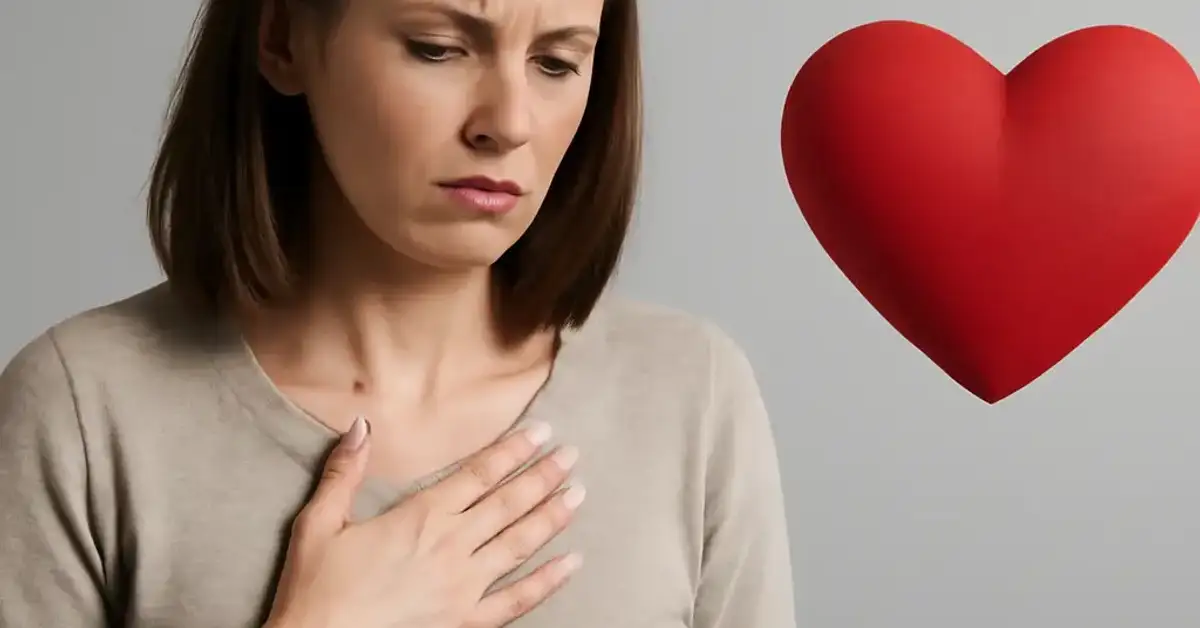
What You Need to Know About Common Myths About Heart Disease
Every day, well-meaning advice from family, friends, or social media can spread heart disease myths that sound believable. In the Philippines, where heart disease remains one of the top causes of death, believing these myths can delay life-saving actions. Let’s set the record straight with cardiovascular health facts that can save your life or the life of someone you love.
Myth #1: Only Older Adults Get Heart Disease
Heart disease myths often start with age. Many Filipinos assume heart attacks only happen to lolo or lola. The truth is that young people heart disease risk is real and growing. Sedentary lifestyles, poor diet, smoking, and stress are putting even teenagers and young professionals at risk. In fact, autopsies sometimes reveal early signs of clogged arteries in people as young as 20. For a related guide, see 10 Important Facts Everyone Should Know About Heart Health.
Whether you are 25 or 65, heart health awareness begins with knowing your numbers — blood pressure, cholesterol, and blood sugar. Don’t wait until you are “old enough” to worry.
Myth #2: Chest Pain Always Means a Heart Attack
One of the most persistent chest pain myths is that any discomfort in the chest signals a heart attack. While chest pain can be a sign, heart attacks can also show up as jaw pain, back pain, nausea, shortness of breath, or extreme fatigue. This is why silent heart disease symptoms are so dangerous — people dismiss them as indigestion or stress.
Medical health education teaches us that symptoms vary, especially in women and people with diabetes. If you feel something unusual, do not rely on the “chest pain only” rule. Seek medical help immediately.
Myth #3: Being Thin Means You Are Safe from Heart Disease
Many lean Filipinos believe their weight protects them. That is a dangerous heart disease myth. Thin people can have high cholesterol, high blood pressure, or diabetes — all major risk factors heart disease. Body weight is only one piece of the puzzle. Visceral fat (fat around organs) can be hidden even in thin individuals.
True prevention of heart disease requires checking blood markers, eating well, and staying active regardless of your body size. Don’t let a slim frame give you a false sense of security.
Myth #4: Heart Disease Always Comes with Obvious Symptoms
This myth is particularly dangerous because it prevents early detection. Silent heart disease symptoms can include mild fatigue, slight shortness of breath during normal activities, or even no symptoms at all until a heart attack strikes. Heart attack misconceptions like these cause people to delay check-ups.
Regular health screenings are essential for public health awareness. Many Filipinos only visit a doctor when they feel sick. Make annual check-ups a habit, especially if you have a family history of heart problems.
Myth #5: High Cholesterol Is Always Dangerous
Cholesterol misconceptions flood social media. Not all cholesterol is bad. Your body needs HDL (good cholesterol) to function. The real danger is high LDL (bad cholesterol) and triglycerides. Also, some people inherit genetic conditions that cause high cholesterol even with a perfect diet.
Heart disease facts vs myths show that managing cholesterol means understanding your full lipid profile, not just the total number. Work with your doctor to interpret results and create a plan that fits your lifestyle.
Myth #6: Stress Alone Can Cause Heart Disease
Stress is a major contributor, but it rarely acts alone. Believing that stress alone cause heart disease oversimplifies the issue. Chronic stress raises blood pressure, encourages overeating, and disrupts sleep — all of which increase risk factors heart disease. However, heart disease usually develops from a combination of genetics, diet, activity, smoking, and stress.
Managing stress is vital for a healthy lifestyle heart, but it must be paired with other positive habits like regular exercise and a balanced diet rich in vegetables, fish, and whole grains.
Myth #7: Heart Disease Is Always Hereditary
“It runs in my family, so there is nothing I can do.” This is a defeatist heart disease myth. While genetics play a role, lifestyle choices heavily influence your actual risk. Many people with strong family histories avoid heart disease by staying active, eating well, not smoking, and controlling blood pressure.
Prevention of heart disease is powerful even when genetics are against you. Focus on what you can control — your daily habits — and follow your doctor’s advice for monitoring and medication if needed.
Myth #8: Exercise Can Prevent All Heart Problems
Exercise is a cornerstone of heart health awareness, but it is not a magic shield. You can run marathons and still have clogged arteries if your diet is poor or if you smoke. Healthy lifestyle heart means combining regular movement with proper nutrition, stress management, and regular check-ups.
Think of exercise as one tool in a larger toolkit. It reduces risk factors heart disease but does not eliminate all danger. Balance is key.
Myth #9: All Heart Attacks Are Sudden and Severe
Heart attack misconceptions often come from movies. In reality, many heart attacks start slowly with mild discomfort. Some people experience “silent” heart attacks that they do not even recognize. Silent heart disease symptoms make it crucial to pay attention to subtle changes in your body.
If you feel unusual fatigue, indigestion, or discomfort in your arms, back, or jaw — especially if you have risk factors heart disease — do not wait. Early treatment saves heart muscle and lives.
Myth #10: Only Men Need to Worry About Heart Attacks
This outdated belief puts women at risk. Heart disease is the leading cause of death for women in the Philippines and worldwide. Women often experience different symptoms — nausea, shortness of breath, back pain — which are frequently dismissed. Cardiovascular health facts confirm that women benefit just as much from prevention of heart disease and early detection. For a related guide, see 12 Signs Your Heart May Need Medical Attention.
Every woman should know her blood pressure, cholesterol, and family history. Share this message with the women you care about — it could save a life.
Myth #11: Heart Disease Cannot Be Prevented
Perhaps the most damaging heart disease myth of all is that there is nothing you can do. The truth is that up to 80% of heart attacks and strokes are preventable. Prevention of heart disease starts with small, consistent steps: eat more vegetables and less processed food, move your body daily, avoid smoking, limit alcohol, and manage stress.
Public health awareness campaigns in the Philippines emphasize that even people with genetic risk can dramatically lower their odds with the right healthy lifestyle heart choices. Start today — your heart will thank you.
Real Risk Factors for Heart Disease Every Filipino Should Know
Now that we have debunked the common myths about heart disease, let’s focus on the real risk factors heart disease. These include high blood pressure, high cholesterol, diabetes, smoking, obesity, physical inactivity, unhealthy diet, excessive alcohol, and family history. Age and gender also matter, but they are not the whole story.
Medical health education in schools and communities can help more Filipinos recognize these risks early. If you have any of these factors, talk to your doctor about a personalized prevention plan.
How to Identify Facts vs Myths in Heart Health
With so much information online, separating heart disease facts vs myths can be challenging. Stick to trusted sources: your doctor, reputable health organizations like the Philippine Heart Association, and official medical websites. Avoid sensational headlines and anecdotal stories from social media. For a related guide, see 7 Common Myths About Type 1 and Type 2 Diabetes – What People Get Wrong (And the Real Facts).
Ask yourself: Does this claim sound too simple? Does it contradict what most doctors say? If yes, it is likely a myth. Share only cardiovascular health facts with your family to stop the spread of misinformation.
Useful Resources
For more cardiovascular health facts and personalized guidance, visit the World Health Organization cardiovascular diseases page.
For local support and education, check the Philippine Heart Association official website for patient resources and community programs.
Frequently Asked Questions About Common Myths About Heart Disease
What are the most common myths about heart disease ?
The most common heart disease myths include “only old people get heart disease,” “chest pain always means a heart attack,” and “being thin keeps you safe.” This article debunks all 11 of these misconceptions with facts.
Can young people get heart disease?
Yes. Young people heart disease risk is rising due to poor diet, lack of exercise, smoking, and stress. Autopsy studies have found early artery damage in teenagers.
Is chest pain always a sign of heart problems?
No. While chest pain can indicate a heart attack, many heart problems show up as jaw pain, back discomfort, nausea, or extreme fatigue. This is why chest pain myths are dangerous.
Does being thin mean I am safe from heart disease?
No. Thin individuals can have high cholesterol, high blood pressure, or hidden visceral fat. Weight is not the only measure of risk factors heart disease.
Can heart disease happen without symptoms?
Yes. Silent heart disease symptoms include mild fatigue, slight breathlessness, or no warning signs at all before a heart attack. Regular check-ups are essential.
Is high cholesterol always dangerous?
Not all cholesterol is harmful. HDL is protective. Cholesterol misconceptions arise when people focus only on total cholesterol without checking LDL, HDL, and triglycerides.
Can stress alone cause heart disease?
Stress alone rarely causes heart disease. It often combines with poor diet, inactivity, smoking, and genetics to increase risk factors heart disease.
Do only older adults get heart attacks?
No. Heart attacks can occur at any age. Heart disease myths about age cause many young people to ignore warning signs and delay medical help.
Is heart disease always hereditary?
No. Genetics increase risk, but lifestyle choices matter more. Prevention of heart disease works even for those with a strong family history.
Can exercise prevent all heart problems?
No. Exercise is essential for a healthy lifestyle heart, but it must be paired with good nutrition, no smoking, and regular health monitoring to fully reduce risk.
Are all heart attacks sudden and severe?
No. Many heart attacks start slowly with mild discomfort. Heart attack misconceptions often come from movies; real symptoms can be subtle.
What are the real risk factors for heart disease?
Key risk factors heart disease include high blood pressure, high cholesterol, diabetes, smoking, obesity, inactivity, unhealthy diet, excessive alcohol, and family history.
How can I tell fact from myth in heart health?
Rely on medical health education from trusted sources like your doctor or the Philippine Heart Association. Avoid sensational social media claims.
Is heart disease preventable?
Yes. Up to 80% of heart attacks and strokes can be prevented through lifestyle changes and regular medical care. Prevention of heart disease is possible at any age.
What lifestyle changes reduce heart disease risk?
Eat more vegetables, fruits, fish, and whole grains; exercise at least 30 minutes daily; avoid smoking; limit alcohol; manage stress; and get regular check-ups for blood pressure and cholesterol.
Can women get heart disease too?
Yes, heart disease is the leading cause of death for women. Women often experience different symptoms, making heart health awareness critical for everyone.
Does eating fatty food directly cause heart disease?
Not all fats are bad. Trans fats and excess saturated fats are harmful, but healthy fats from fish, nuts, and olive oil are protective. Balanced eating is key for healthy lifestyle heart habits.
Should I take aspirin daily to prevent heart attacks?
Not without a doctor’s advice. Aspirin can help some people but also causes bleeding risks. Always consult your doctor before starting any medication for prevention of heart disease.
Is heart disease more common in men?
Men develop heart disease at a younger average age, but after menopause, women’s risk catches up. Cardiovascular health facts show that both genders need equal attention.
Can I trust online health quizzes about heart disease risk?
Online quizzes can raise heart health awareness, but they are not substitutes for professional medical evaluation. See your doctor for an accurate assessment of your risk factors heart disease.