
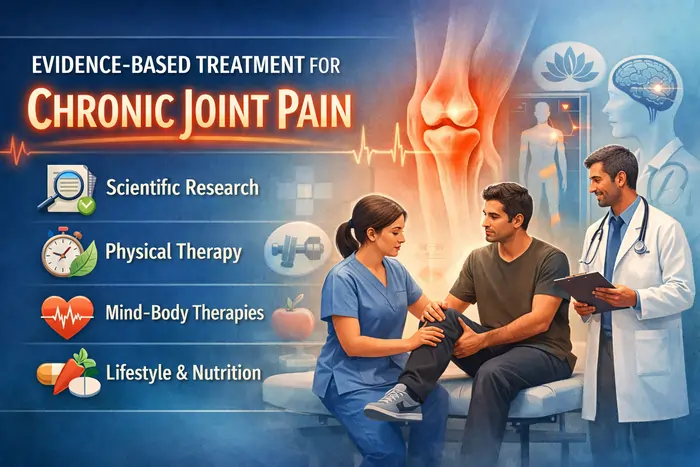
Chronic joint pain is a persistent condition that lasts for more than three months and affects millions of adults worldwide, particularly those living with osteoarthritis and inflammatory arthritis according to global arthritis pain treatment reviews. It is commonly associated with arthritis, including osteoarthritis, rheumatoid arthritis, and other inflammatory joint disorders, but chronic joint pain can also result from injury, autoimmune disease, cartilage degeneration, or long-term inflammation described in general arthritis overviews.
Effective treatment for chronic joint pain requires identifying the underlying cause and applying evidence-based therapies supported by clinical guidelines and peer-reviewed research, such as the 2019 American College of Rheumatology/Arthritis Foundation osteoarthritis guideline. If you would like a broader overview of arthritis types and long-term management, visit our main guide on chronic arthritis and joint health.
What Is Chronic Joint Pain?
Chronic joint pain refers to ongoing discomfort, stiffness, or inflammation in one or more joints lasting at least 12 weeks, aligning with definitions used in arthritis and chronic pain references. It may present as:
- Persistent aching
- Morning stiffness
- Swelling
- Reduced range of motion
- Joint tenderness
- Warmth around the joint
Common joints affected include:
- Knees
- Hips
- Hands
- Shoulders
- Spine
Chronic joint pain can significantly reduce mobility, interfere with daily activities, and impact mental health and quality of life, as highlighted in arthritis-related pain impact studies.
Common Causes of Chronic Joint Pain
Understanding the cause determines the treatment plan and is emphasized in both arthritis diagnosis and treatment articles.
1. Osteoarthritis
Osteoarthritis is a degenerative joint disease caused by cartilage breakdown and mechanical wear. You can learn more about osteoarthritis and how it differs from inflammatory arthritis in our comparative guide on osteoarthritis vs rheumatoid arthritis, which reflects distinctions also summarized in family medicine OA reviews.
2. Rheumatoid Arthritis and Inflammatory Arthritis
Rheumatoid arthritis and related inflammatory arthritides are autoimmune conditions causing persistent joint inflammation and systemic symptoms, detailed in rheumatoid arthritis treatment overviews. Early detection is critical and is consistently emphasized in rheumatology literature; you can review common warning signs in our article on early signs of inflammatory arthritis.
3. Post-Traumatic Arthritis
Post-traumatic arthritis develops after joint injury, such as fractures or ligament tears, and may appear years later, a pattern described in post-injury arthritis discussions.
4. Gout
Gout is caused by uric acid crystal accumulation in joints and often presents with sudden, severe pain and swelling, especially in the big toe, as explained in crystal arthritis resources.
5. Chronic Overuse or Repetitive Stress
Chronic overuse or repetitive stress is common in certain occupations or sports and can accelerate joint degeneration, a risk factor acknowledged in musculoskeletal overuse injury reviews.
Treatment Principles for Chronic Joint Pain
Evidence-based treatment focuses on:
- Pain reduction
- Inflammation control
- Mobility preservation
- Prevention of joint damage
- Improving quality of life
Guidelines for osteoarthritis and rheumatoid arthritis consistently recommend a multimodal treatment plan that combines education, exercise, medications, and sometimes procedures, as summarized in multi-society osteoarthritis treatment reviews.
1. Pharmacologic Treatment Options
NSAIDs (Nonsteroidal Anti-Inflammatory Drugs)
Common NSAIDs include:
- Ibuprofen
- Naproxen
NSAIDs reduce inflammation and relieve pain and are often first-line therapy for osteoarthritis and mild inflammatory arthritis, a strategy supported in ACR/Arthritis Foundation OA guidelines. Risks include gastrointestinal irritation, kidney dysfunction, and increased cardiovascular risk, so they should be used under medical supervision as emphasized in arthritis pain treatment reviews.
Acetaminophen (Paracetamol)
Acetaminophen is used for mild to moderate pain and does not reduce inflammation but may relieve discomfort; it is conditionally recommended in some OA guidelines when NSAIDs are contraindicated, as noted in the 2019 ACR/AF osteoarthritis guideline.
Corticosteroids
Corticosteroids are used for inflammatory arthritis flare-ups and are available as:
- Oral medications
- Intra-articular injections
Short-term use is preferred due to side effects, and intra-articular glucocorticoid injections are conditionally or strongly recommended for knee and hip OA in several professional society guidelines.
DMARDs (Disease-Modifying Antirheumatic Drugs)
DMARDs are used primarily for rheumatoid arthritis and autoimmune arthritis. Examples include:
- Methotrexate
- Sulfasalazine
These medications slow disease progression and prevent joint damage according to rheumatoid arthritis clinical practice guidelines.
Biologic Therapies and Targeted Agents
Biologic and targeted therapies are used for moderate to severe inflammatory arthritis and target specific inflammatory pathways. Examples include:
- TNF inhibitors
- IL-6 inhibitors
- JAK inhibitors
These options are incorporated into stepwise treatment algorithms in RA treatment recommendations.
2. Physical Therapy and Exercise
Physical therapy is one of the most effective non-drug treatments for chronic joint pain, with guidelines consistently endorsing exercise as a core therapy in hip and knee OA. Benefits include:sciencedirect+1
- Improved joint flexibility
- Muscle strengthening
- Pain reduction
- Improved circulation
Recommended low-impact exercises:
- Walking
- Swimming
- Cycling
- Stretching
- Yoga
The CDC highlights low-impact aerobic activity, muscle strengthening, and flexibility exercises as key components of physical activity programs for people with arthritis in its guidance on types of activities for arthritis. Regular movement prevents stiffness and supports joint stability, and Mayo Clinic resources on exercising with arthritis also emphasize keeping impact low and using heat before exercise when needed
3. Weight Management
Excess body weight increases stress on weight-bearing joints, especially the knees and hips. Even modest weight loss can:
- Reduce knee pain
- Slow osteoarthritis progression
- Improve mobility
Osteoarthritis guidelines group exercise and weight loss together as cornerstone therapies, as shown in hip and knee OA management recommendations.
4. Anti-Inflammatory Diet
While diet alone does not cure joint disease, it may reduce systemic inflammation and support cardiovascular health. Recommended foods include:
- Omega-3 fatty acids (fish, flaxseed)
- Leafy greens
- Berries
- Whole grains
- Lean protein
Reducing processed foods and excess sugar may also help. Heart-healthy dietary patterns align with anti-inflammatory recommendations summarized in American Heart Association nutrition guidance.
5. Heat and Cold Therapy
Heat therapy can relax muscles and improve blood flow, while cold therapy reduces swelling and numbs acute pain. Both are useful adjunct therapies and are commonly included in patient education materials on nonpharmacologic arthritis care.
6. Assistive Devices
Assistive devices such as:
- Braces
- Orthotics
- Canes
- Compression gloves
help reduce joint stress and improve function. The ACR/AF guideline notes joint support and bracing as part of a comprehensive OA plan, as described in their osteoarthritis treatment guidelines.
7. Injection Therapies
For persistent joint pain, injection options may be considered:
- Corticosteroid injections
- Hyaluronic acid injections
Intra-articular glucocorticoid injections are recommended by multiple professional societies for short-term relief in knee and hip OA, while the evidence for hyaluronic acid is mixed and leads to conditional recommendations for and against its use, as summarized in recent OA guideline comparisons.
8. Surgical Options
Surgery may be considered when:
- Pain is severe
- Function is significantly impaired
- Conservative treatments fail
Procedures include:
- Arthroscopy (for selected mechanical problems)
- Joint realignment (osteotomy)
- Total joint replacement
Joint replacement surgery has high success rates in advanced osteoarthritis and is often discussed when multimodal non-surgical options no longer provide adequate relief, as reflected in Mayo Clinic arthritis treatment discussions.
9. Psychological and Behavioral Support
Chronic pain can lead to:
- Anxiety
- Depression
- Reduced quality of life
Cognitive behavioral therapy (CBT) and pain coping strategies may improve outcomes, and CBT is conditionally recommended in OA guidelines for chronic pain management, as highlighted in the ACR/AF osteoarthritis treatment guideline. The CDC also recognizes self-management education programs shown to reduce pain and improve function in its overview of arthritis self-management and physical activity programs.
Treat-to-Target Strategy in Inflammatory Arthritis
In rheumatoid arthritis and related conditions, treatment often follows a “treat-to-target” approach:
- Monitor inflammation regularly
- Adjust therapy to achieve remission or low disease activity
Early aggressive therapy improves long-term outcomes, and this strategy is central to RA clinical practice guidelines.
When to See a Doctor
Seek evaluation if you experience:
- Joint pain lasting more than 6 weeks
- Persistent swelling
- Severe stiffness
- Progressive loss of mobility
- Fever with joint pain
Early intervention reduces long-term complications, a message echoed across arthritis diagnosis and treatment resources.
Frequently Asked Questions
What is the best treatment for chronic joint pain?
The best treatment depends on the cause and may include medications, exercise, weight management, injections, and sometimes surgery, consistent with multimodal arthritis treatment guidelines.
Can chronic joint pain be cured?
Some causes can be managed but not fully cured; early, evidence-based treatment improves outcomes and slows progression, as discussed in arthritis-related pain treatment reviews.
Is exercise safe with joint pain?
Yes, low-impact exercise is generally recommended unless contraindicated by a healthcare provider, and is a core part of arthritis care in CDC and Mayo Clinic exercise guidance.
Are supplements effective?
Some supplements like glucosamine and omega-3 fatty acids are studied, but evidence varies, and guidelines emphasize caution and shared decision-making when using them alongside established therapies.
Long-Term Outlook
With appropriate treatment:
- Pain can be controlled
- Joint damage progression can be slowed
- Mobility can be preserved
- Quality of life can improve
Multidisciplinary care that integrates medical, physical, and psychosocial interventions offers the best outcomes, as reflected in contemporary osteoarthritis management reviews.
Final Thoughts
Chronic joint pain is common but manageable. Identifying the underlying cause, applying evidence-based therapies, and maintaining lifestyle modifications are key components of effective treatment. If symptoms persist or worsen, early medical evaluation is essential so that a tailored, guideline-based plan can be put in place.
For comprehensive arthritis education, you can revisit our main guide on chronic arthritis and joint health.
⚠️ Medical Disclaimer
The information provided on MedEduHub is for educational purposes only and does not replace professional medical advice, diagnosis, or treatment. If you experience severe swelling, fever, sudden immobility, chest pain, or signs of a medical emergency, seek immediate medical attention or contact emergency services. Always consult a licensed healthcare provider before starting, stopping, or changing any treatment plan.
Written by: Eden Grace Ramos-Arsenio, RN
📚 Medical Sources & References
This article is based on current clinical guidelines and peer-reviewed research from organizations such as the American College of Rheumatology/Arthritis Foundation osteoarthritis guideline panel, CDC arthritis physical activity and self‑management programs, and multi-society reviews of evidence-based osteoarthritis treatment.