
The most effective immune supplements that actually work include vitamin C, vitamin D, zinc, probiotics, and selenium. These immune boosting supplements are backed by research for supporting immune response, reducing inflammation, and improving overall resilience. However, supplements work best when combined with a healthy lifestyle, including proper diet, sleep, and stress management.
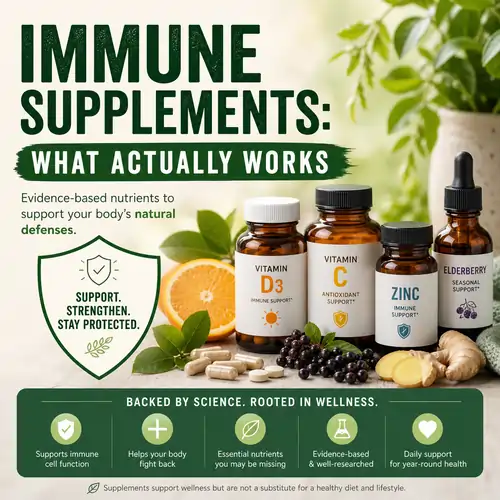
Introduction: The Truth About Immune Supplements
In recent years, interest in immune supplements has surged, especially as people look for ways to protect themselves from infections and improve overall health. The market is flooded with products claiming to offer the best supplements for immune system, but not all are equally effective.
Understanding what supplements actually work for immunity requires separating science from marketing hype. While some supplements are supported by strong evidence, others offer minimal or no real benefit.
This guide explores the most effective immune system supplements, how they work, and how to use them safely for optimal results.
How the Immune System Works
Before diving into supplements, it’s important to understand the basics of the immune system function.
The immune system includes:
- White blood cells
- Antibodies
- Lymphatic system
- Bone marrow
- Spleen
These components work together to identify and eliminate harmful pathogens. Proper nutritional support for immune system is essential for maintaining this defense system.
Do Immune Supplements Really Work?
The answer is yes—but with limitations. Immune supplements that work are those that:
- Address nutrient deficiencies
- Support immune cell function
- Reduce inflammation
- Enhance recovery
However, no supplement can replace a healthy lifestyle. Natural immune support remains the foundation of good health.
Top Immune Supplements That Actually Work
1. Vitamin C Immune Support
Vitamin C supplements for immunity are among the most widely used and studied.
Benefits:
- Boosts white blood cell production
- Acts as a powerful antioxidant
- Shortens duration of colds
Best Use:
Daily supplementation or increased intake during illness.
2. Vitamin D for Immune System
Vitamin D immune supplement plays a critical role in regulating immune responses.
Benefits:
- Reduces inflammation
- Supports respiratory health
- Enhances immune defense
Why It Matters:
Low levels of vitamin D for immunity are linked to higher infection risk.
3. Zinc for Immune Support
Zinc supplements for immune system are essential for immune cell communication.
Benefits:
- Reduces severity of colds
- Supports wound healing
- Improves immune response
Best Use:
Short-term supplementation during illness.
4. Probiotics for Immune Health
Probiotic supplements for immunity support gut health, where a large portion of immunity resides.
Benefits:
- Improve gut microbiome
- Enhance immune signaling
- Reduce inflammation
5. Selenium for Immune System
Selenium immune supplement is a powerful antioxidant.
Benefits:
- Supports immune enzymes
- Reduces oxidative stress
- Enhances immune response
6. Elderberry for Immune Support
Elderberry supplements for immunity are popular natural remedies.
Benefits:
- May reduce cold and flu symptoms
- Rich in antioxidants
Note:
Evidence is promising but still evolving.
7. Echinacea for Immune Boost
Echinacea immune supplement is often used to prevent colds.
Benefits:
- Supports immune response
- May reduce illness duration
8. Multivitamins for Immune Health
Immune support multivitamins combine essential nutrients.
Benefits:
- Fill nutritional gaps
- Support overall health
Supplements That May Not Work as Expected
Some products marketed as immune boosting supplements lack strong evidence.
Examples:
- Excessive vitamin megadoses
- Unverified herbal blends
- Trend-based supplements
Always evaluate claims critically.
How to Choose the Best Immune Supplements
Look for:
- Clinically supported ingredients
- Proper dosage levels
- Third-party testing
Avoid:
- Overhyped claims
- Unknown brands
- Excessive combinations
Choosing the right immune system supplement ensures safety and effectiveness.
Natural Ways to Enhance Supplement Effectiveness
Even the best supplements for immune system work better with healthy habits.
Key Lifestyle Factors:
- Balanced diet
- Regular exercise
- Quality sleep
- Stress management
Combining supplements with healthy lifestyle for immunity maximizes results.
Signs You May Need Immune Supplements
You might benefit from immune support supplements if you experience:
- Frequent infections
- Fatigue
- Slow recovery
- Nutrient deficiencies
Consulting a healthcare provider is recommended.
Risks and Safety Considerations
While immune supplements can help, overuse may cause:
- Toxicity
- Interactions with medications
- Side effects
Always follow recommended dosages and seek professional advice.
Common Myths About Immune Supplements
Myth 1: More is Better
Excessive intake of immune vitamins can be harmful.
Myth 2: Supplements Work Instantly
Building immunity takes time.
Myth 3: All Supplements Are Equal
Quality and formulation matter.
Building a Smart Supplement Routine
Daily Routine:
- Multivitamin
- Vitamin D
- Balanced diet
During Illness:
- Vitamin C
- Zinc
- Hydration
This approach supports effective immune supplementation.
FAQ: Immune Supplements That Work
1. What are the best immune supplements?
The best immune supplements include vitamin C, vitamin D, zinc, and probiotics. These nutrients support immune function and overall health. Consistent use is important.
2. Do immune supplements really work?
Yes, some immune supplements that work are backed by science. They support immune response and reduce deficiencies. However, they are not a cure.
3. Can supplements prevent illness?
Supplements support immunity but do not guarantee prevention. They reduce risk and severity. Healthy habits are also important.
4. How long do supplements take to work?
It depends on your health and deficiencies. Some effects appear within weeks. Consistency is key.
5. Is vitamin C effective for immunity?
Yes, vitamin C immune support helps boost white blood cells. It reduces cold duration. Regular intake is beneficial.
6. Do probiotics help the immune system?
Yes, probiotics for immunity support gut health. A healthy gut improves immune response. Regular intake is helpful.
7. Is zinc good for colds?
Yes, zinc immune support can shorten cold duration. It supports immune function. Proper dosage is important.
8. Can I take multiple supplements together?
Yes, but avoid excessive doses. Combining supplements should be done carefully. Consult a professional if unsure.
9. Are natural supplements better?
Some natural options are effective. However, evidence varies. Choose scientifically supported supplements.
10. Do I need supplements daily?
It depends on your diet and health. Some people benefit from daily use. Others may not need them.
11. Can supplements replace food?
No, supplements should not replace a healthy diet. Whole foods provide more nutrients. Use supplements as support.
12. Are immune supplements safe?
Most are safe when used correctly. Overuse can cause side effects. Follow recommended guidelines.
13. What is the best time to take supplements?
Many are taken with meals. Fat-soluble vitamins absorb better with food. Consistency matters most.
14. Can children take immune supplements?
Some supplements are safe for children. Dosages must be appropriate. Consult a pediatrician.
15. Do supplements help with fatigue?
They can help if fatigue is linked to deficiencies. Proper nutrition improves energy. Results vary.
16. Can vitamin D deficiency affect immunity?
Yes, low vitamin D levels weaken immune response. Maintaining levels is important. Testing is recommended.
17. Are herbal supplements effective?
Some herbs show benefits. However, evidence varies. Choose carefully.
18. How do I choose quality supplements?
Look for tested products with clear labeling. Avoid unknown brands. Quality matters.
19. Can supplements interact with medications?
Yes, some immune supplements can interact with drugs. Always check with a healthcare provider. Safety is important.
20. What is the fastest way to boost immunity?
There is no instant solution. Combining supplements and healthy habits works best. Consistency provides results.
Disclaimer
This article is for informational purposes only and does not constitute medical advice. While immune supplements can support overall health, they should not replace professional medical consultation, diagnosis, or treatment. Always consult a qualified healthcare provider before starting any supplement, especially if you have underlying health conditions, are pregnant, or are taking medications.