
home remedies for cold and flu Key Takeaways
When cold and flu season hits, reaching for natural solutions can provide meaningful relief without relying solely on over-the-counter medications.
- Home remedies for cold and flu such as honey, steam inhalation, and ginger tea can shorten symptom duration and improve comfort when used correctly.
- Hydration, rest, and nutrient-rich foods like chicken soup play a fundamental role in supporting your immune system during recovery.
- Knowing when symptoms warrant medical attention is as important as knowing which remedies to try first.
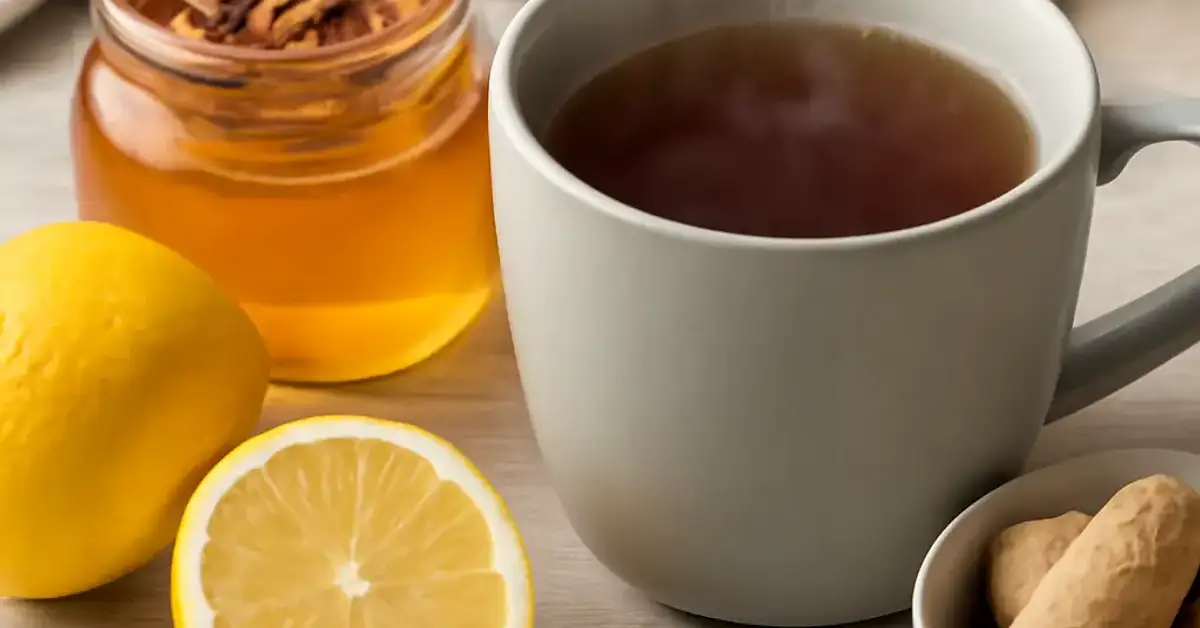
Why Natural Home Remedies for Cold and Flu Work
Your body has a remarkable ability to fight off respiratory viruses, and the right supportive care can make that process more comfortable. Natural remedies often work by soothing irritated tissues, thinning mucus, or providing antimicrobial compounds that help your immune system do its job. Unlike some medications that only mask symptoms, many home remedies for cold and flu address root causes like inflammation and congestion while being gentle enough for daily use. For a related guide, see 15 Proven Immune-Boosting Habits to Prevent Colds and Flu.
Understanding the Limits of Effective Flu Remedies
While effective flu remedies from your kitchen can ease discomfort, they are not a substitute for antiviral medications if you are at high risk for complications. Pregnant women, young children, older adults, and people with chronic conditions should consult a healthcare provider. For most otherwise healthy individuals, however, these 15 remedies offer safe, accessible ways to manage symptoms from the first tickle in your throat to the final cough. You can also browse more posts in cold-flu.
15 Natural Cold Relief Remedies to Try at Home
1. Raw Honey for Sore Throat Relief
A spoonful of raw honey coats the throat and provides antimicrobial benefits. Studies have shown honey can be as effective as some cough suppressants for nighttime coughing. Take one tablespoon directly or stir it into warm water with lemon. Never give honey to children under one year due to botulism risk.
2. Steam Inhalation for Congestion
Steam loosens thick mucus and soothes inflamed nasal passages. Fill a bowl with hot water, lean over it with a towel over your head, and breathe deeply for 5–10 minutes. Adding a few drops of eucalyptus or peppermint oil can enhance the effect through their decongestant properties.
3. Saltwater Gargle for Throat Irritation
Gargling with warm salt water reduces swelling and helps clear mucus from the back of the throat. Dissolve half a teaspoon of salt in a cup of warm water and gargle for 30 seconds, then spit. Repeat every few hours for best cold and flu relief at home.
4. Ginger Tea for Nausea and Inflammation
Fresh ginger contains gingerol, a compound with anti-inflammatory and antioxidant effects. Steep thin slices of fresh ginger in boiling water for 10 minutes, strain, and add a squeeze of lemon and honey. This tea can help settle an upset stomach often associated with flu.
5. Chicken Soup as an Immune Booster
Research suggests chicken soup has mild anti-inflammatory effects and can slow the movement of neutrophils, reducing upper respiratory symptoms. The warm broth also keeps you hydrated and the steam helps open nasal passages. Make it from scratch with bone broth, vegetables, and herbs for maximum benefit.
6. Warm Compress for Sinus Pressure
Applying a warm, damp cloth over your sinuses (forehead and cheeks) for 10–15 minutes can relieve pain and help sinus drainage. The gentle heat also relaxes facial muscles tense from coughing or congestion.
7. Probiotic-Rich Foods for Gut Immunity
Yogurt, kefir, kimchi, and sauerkraut contain live cultures that support gut health, which is closely linked to immune function. Including these foods while you are sick can help maintain digestive balance, especially if you are taking antibiotics.
8. Elderberry Syrup for Antiviral Support
Elderberry extract has been shown in some studies to reduce the duration of flu symptoms by up to four days. Look for a reputable brand without added sugars. Take as directed on the bottle at the first sign of illness.
9. Neti Pot or Saline Rinse for Nasal Relief
A neti pot uses a saline solution to flush out nasal passages, removing viruses, allergens, and excess mucus. Use only distilled, sterile, or boiled water that has cooled. Rinse once or twice daily for congestion relief.
10. Garlic for Immune Stimulation
Garlic contains allicin, a compound with antimicrobial properties. Crush a clove and let it sit for 10 minutes before eating to activate the beneficial compounds. Add it to meals or mix raw crushed garlic with a little honey — but be aware it is quite pungent.
11. Peppermint Tea for Respiratory Comfort
Peppermint contains menthol, which acts as a natural decongestant. Drinking a warm cup of peppermint tea can soothe a scratchy throat and ease coughs. The steam from the tea also provides additional nasal relief.
12. Humidifier for Dry Air Relief
Dry indoor air can worsen cough and congestion. Using a cool-mist humidifier in your bedroom adds moisture to the air, making it easier to breathe and sleep. Clean the humidifier regularly to prevent mold growth.
13. Vitamin C-Rich Foods for Recovery
While vitamin C does not prevent colds, it may shorten their duration. Focus on whole food sources like oranges, strawberries, kiwi, bell peppers, and broccoli rather than supplements, which can cause digestive upset in high doses.
14. Turmeric Milk for Inflammation
Turmeric‘s active compound, curcumin, is a powerful anti-inflammatory. Mix a teaspoon of turmeric powder into warm milk (dairy or plant-based) with a pinch of black pepper, which enhances absorption. Drink it before bed to help calm a cough.
15. Proper Hydration for Mucus Flow
Staying hydrated keeps mucus thin and easier to expel. Water, herbal teas, and clear broths are best. Avoid alcohol and excessive caffeine, which can dehydrate you and prolong recovery.
When to See a Doctor for Cold and Flu Relief at Home
Most viral infections resolve on their own within 7–10 days with rest and supportive care. However, you should contact your healthcare provider if you experience high fever exceeding 103°F, difficulty breathing, chest pain, confusion, severe headache, or symptoms that improve then suddenly worsen. Children and older adults should be monitored especially closely for signs of dehydration or respiratory distress.
Useful Resources
For additional reading on the science behind these remedies, visit the NIH review on honey for cough and the Mayo Clinic guide to cold symptom relief.
Frequently Asked Questions About home remedies for cold and flu
Can home remedies cure the flu or common cold?
No, home remedies cannot cure viral infections, but they can effectively manage symptoms and support your immune system while your body fights the virus.
Is honey safe for children during colds?
Honey is safe for children over one year old and can help with nighttime cough. It should never be given to infants under 12 months due to botulism risk.
How often should I gargle with salt water?
You can safely gargle with salt water every 3–4 hours as needed for sore throat relief. Overdoing it may irritate the throat lining.
Does steam inhalation actually help congestion?
Yes, steam inhalation loosens thick mucus and moisturizes nasal passages, providing temporary relief from congestion. Use caution to avoid burns.
Can I take elderberry with other medications?
Elderberry is generally safe, but it may interact with immunosuppressants or diuretics. Consult your doctor if you take prescription medications.
How much ginger can I safely consume daily?
Up to 4 grams of ginger per day (about one tablespoon of fresh grated ginger) is considered safe for most adults. Higher doses may cause heartburn.
Is chicken soup better than plain broth?
Yes, chicken soup provides additional nutrients from vegetables and chicken, plus compounds that may reduce inflammation more effectively than plain broth.
Can I use a neti pot with tap water?
No, always use distilled, sterile, or previously boiled water to avoid the risk of serious infection from amoebas present in tap water.
Does vitamin C prevent colds?
Regular vitamin C supplementation does not prevent colds, but it may shorten their duration by about 8% in adults and 14% in children.
How does garlic help with colds?
Garlic‘s active compound allicin has antimicrobial properties that may help your immune system fight off viruses, though evidence is limited.
What is the best room humidity for cold recovery?
Aim for humidity levels between 40% and 60%. Too high can promote mold, while too low dries out nasal passages.
Should I exercise while sick?
Light activity like walking is okay if symptoms are above the neck, but rest is more important. Avoid strenuous exercise until you fully recover.
Can drinking orange juice help a cold go away faster?
Orange juice provides vitamin C and hydration, which support immunity, but it will not cure or drastically shorten a cold.
Does turmeric interact with any medications?
High doses of turmeric may interact with blood thinners and diabetes medications. Culinary amounts are generally safe for everyone.
How long should I wait before seeing a doctor for flu symptoms?
Seek medical care if you have difficulty breathing, high fever lasting more than three days, or if symptoms suddenly worsen after improving.
Are essential oils safe to ingest for cold relief?
No, most essential oils are toxic if swallowed. Only use them for inhalation or diluted on the skin after a patch test.
Can I use these remedies during pregnancy?
Many remedies like honey, salt water gargles, and chicken soup are safe, but always consult your obstetrician before using herbs or supplements.
What should I eat when I have the flu and no appetite?
Focus on clear broths, smoothies, applesauce, and electrolyte-rich drinks to stay hydrated and get calories without overwhelming your stomach.
Does sleeping more really help you get over a cold faster?
Yes, sleep is essential for immune function. Studies show people who sleep less than seven hours are more likely to catch colds after virus exposure.
Can I combine multiple home remedies at once?
Yes, combining remedies like honey tea, steam, and a humidifier is safe and often more effective than using any single remedy alone.