
Postpartum anxiety is a common but often overlooked condition affecting new mothers after childbirth. Key postpartum anxiety symptoms include excessive worry, racing thoughts, restlessness, sleep disturbances, and physical tension. Early recognition and proper postpartum anxiety treatment—including therapy, lifestyle support, and medical care—can help mothers recover and maintain healthy emotional well-being.
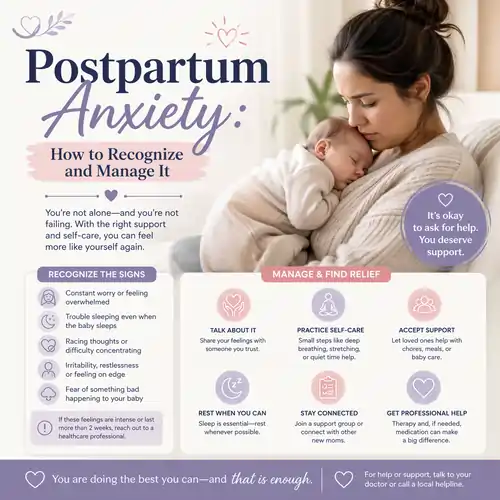
Postpartum anxiety is a mental health condition that affects many women after giving birth. While much attention is given to postpartum depression, anxiety-related conditions are just as common and can significantly impact a mother’s quality of life.
Understanding how to recognize postpartum anxiety and applying effective postpartum anxiety management strategies are essential steps toward recovery. This guide provides a comprehensive look at symptoms, causes, risk factors, and evidence-based ways to manage anxiety after childbirth.
Understanding Postpartum Anxiety
Postpartum anxiety disorder refers to excessive worry, fear, or nervousness that occurs after childbirth. It is part of the broader category of postpartum mental health disorders.
Unlike general stress, this condition involves persistent and overwhelming thoughts that interfere with daily functioning.
Types of Postpartum Anxiety:
- Generalized anxiety disorder postpartum
- Postpartum panic disorder
- Postpartum obsessive-compulsive disorder (OCD)
- Health anxiety after childbirth
Each type may present differently but shares core features of heightened fear and worry.
Why Postpartum Anxiety Happens
Several biological and psychological factors contribute to anxiety after childbirth.
1. Hormonal Changes
After delivery, there is a sudden drop in estrogen and progesterone. These changes affect brain chemistry and emotional regulation, leading to hormonal anxiety after pregnancy.
2. Sleep Deprivation
New mothers often experience disrupted sleep. Lack of rest increases stress and contributes to postpartum anxiety symptoms.
3. Life Transition
Adjusting to motherhood brings new responsibilities and uncertainties, which can trigger maternal anxiety.
4. Previous Mental Health History
Women with a history of anxiety or depression are at higher risk.
Common Symptoms of Postpartum Anxiety
Recognizing symptoms of postpartum anxiety is crucial for early intervention.
Emotional Symptoms:
- Excessive worry about the baby’s health
- Feeling constantly on edge
- Irritability
- Fear of something going wrong
Physical Symptoms:
- Rapid heartbeat
- Shortness of breath
- Muscle tension
- Fatigue
Cognitive Symptoms:
- Racing thoughts
- Difficulty concentrating
- Intrusive thoughts
Behavioral Symptoms:
- Avoidance behaviors
- Reassurance-seeking
- Overchecking on the baby
These are key indicators of postpartum anxiety disorder symptoms.
Postpartum Anxiety vs Postpartum Depression
Although related, these are different conditions.
Postpartum Anxiety:
- Dominated by worry and fear
- Restlessness and hypervigilance
Postpartum Depression:
- Persistent sadness
- Loss of interest in activities
Understanding this distinction helps in proper diagnosis of postpartum mental health conditions.
When Postpartum Anxiety Becomes Serious
Seek help if:
- Symptoms persist beyond a few weeks
- Anxiety interferes with daily functioning
- Intrusive thoughts become distressing
These may indicate clinical postpartum anxiety requiring professional care.
Risk Factors for Postpartum Anxiety
Several factors increase the likelihood of anxiety after childbirth:
- Hormonal imbalance
- Traumatic birth experience
- Lack of support
- Financial or relationship stress
- High expectations of motherhood
Effects of Postpartum Anxiety on Daily Life
Untreated postpartum anxiety can affect:
- Bonding with the baby
- Sleep quality
- Physical health
- Relationships
It may also increase the risk of long-term mental health issues.
How to Recognize Postpartum Anxiety Early
Early detection is key.
Warning Signs:
- Constant fear about the baby
- Inability to relax
- Overthinking worst-case scenarios
Recognizing these patterns helps in applying early postpartum anxiety intervention strategies.
Effective Ways to Manage Postpartum Anxiety
1. Practice Mindfulness
Mindfulness for postpartum anxiety helps reduce overthinking and improves emotional awareness.
2. Use Breathing Techniques
Deep breathing exercises for anxiety calm the nervous system and reduce physical symptoms.
3. Establish a Routine
A structured daily routine provides stability and reduces uncertainty.
4. Prioritize Sleep
Improving sleep supports emotional regulation.
5. Limit Information Overload
Avoid excessive online searching about baby health, which can increase anxiety.
Natural Remedies for Postpartum Anxiety
1. Physical Activity
Light exercise helps reduce stress hormones.
2. Balanced Nutrition
A healthy diet supports hormonal balance and mental health.
3. Social Support
Talking to family or friends reduces emotional burden.
4. Relaxation Techniques
Activities like reading or listening to music support stress reduction techniques.
Professional Treatment Options
1. Therapy
Cognitive Behavioral Therapy (CBT for postpartum anxiety) is highly effective.
2. Medication
In some cases, medication may be recommended under medical supervision.
3. Support Groups
Connecting with other mothers provides reassurance and shared experiences.
Role of Partners and Family
Support from loved ones is essential.
How They Can Help:
- Offer emotional support
- Assist with childcare
- Encourage professional help
This strengthens maternal mental health recovery.
Long-Term Recovery and Outlook
With proper care, most women recover fully from postpartum anxiety disorder. Early intervention and consistent support improve outcomes significantly.
Frequently Asked Questions (FAQ)
1. What is postpartum anxiety?
Postpartum anxiety is a mental health condition that occurs after childbirth. It involves excessive worry and fear that interfere with daily life. It is different from normal stress.
2. How common is postpartum anxiety?
It is more common than many people realize. Many cases go undiagnosed or unreported. Awareness is increasing in recent years.
3. What are the main symptoms of postpartum anxiety?
Symptoms include excessive worry, restlessness, and racing thoughts. Physical symptoms like fatigue and rapid heartbeat are also common. Behavioral changes may occur.
4. How is postpartum anxiety different from depression?
Anxiety involves fear and worry, while depression involves sadness. Both can occur together. Proper diagnosis is important.
5. What causes postpartum anxiety?
Hormonal changes, sleep deprivation, and life transitions contribute. Emotional and psychological factors also play a role. Each experience is unique.
6. Can postpartum anxiety go away on its own?
Mild cases may improve with time and support. Persistent symptoms often require treatment. Early intervention is beneficial.
7. When should I seek help?
Seek help if symptoms interfere with daily life. Persistent or worsening symptoms require attention. Professional support is recommended.
8. Is postpartum anxiety treatable?
Yes, it is highly treatable. Therapy and lifestyle changes are effective. Medical treatment may also help.
9. Can therapy help postpartum anxiety?
Yes, therapy provides tools to manage anxiety. CBT is particularly effective. It helps change thought patterns.
10. Are medications safe for postpartum anxiety?
Some medications may be safe under medical supervision. A healthcare provider will assess risks and benefits. Never self-medicate.
11. Can lack of sleep worsen anxiety?
Yes, sleep deprivation increases stress levels. It affects emotional regulation. Improving sleep can reduce symptoms.
12. What natural remedies help postpartum anxiety?
Mindfulness, exercise, and social support are helpful. Healthy routines improve mental health. Consistency is key.
13. Can postpartum anxiety affect bonding with the baby?
Yes, severe anxiety can impact bonding. It may cause emotional distance. Treatment helps improve connection.
14. How long does postpartum anxiety last?
Duration varies among individuals. Some recover within weeks, others take longer. Treatment speeds recovery.
15. Can partners help with postpartum anxiety?
Yes, emotional and practical support is crucial. Partners can help reduce stress. Support improves recovery outcomes.
16. Is postpartum anxiety normal?
Mild anxiety can occur after childbirth. Persistent anxiety is not considered normal. It should be addressed.
17. Can stress increase postpartum anxiety?
Yes, stress can worsen symptoms. Managing stress is important. Support systems help reduce impact.
18. What are intrusive thoughts?
Intrusive thoughts are unwanted, distressing thoughts. They are common in anxiety conditions. They do not reflect intent.
19. Can postpartum anxiety return later?
Yes, it can recur if triggers are present. Ongoing self-care is important. Monitoring symptoms helps prevent relapse.
20. How can I manage anxiety daily?
Daily habits like mindfulness and routine help. Social support and rest are important. Small steps make a difference.
Disclaimer
This article is for informational purposes only and does not replace professional medical advice, diagnosis, or treatment. While this guide on postpartum anxiety and its management is based on current knowledge and best practices, individual experiences may vary. Always consult a qualified healthcare provider for personalized care, especially if symptoms are persistent or severe.