
facts about depression Key Takeaways
Depression is one of the most misunderstood health conditions worldwide, yet it affects millions of people every year.
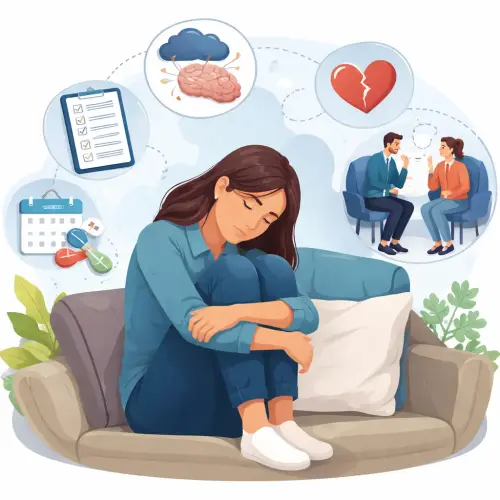
Understanding the Core facts about depression
Depression, clinically known as major depressive disorder (MDD), is a serious mood disorder that causes persistent feelings of sadness and loss of interest. It is not something you can simply “snap out of.” Recognizing the important facts about depression everyone should know is the first step toward healing.
Below are the 15 essential insights that can change how you view and respond to depression.
1. Depression Is a Medical Condition, Not a Weakness
One of the most crucial facts about depression is that it is a legitimate medical illness involving changes in brain chemistry, genetics, and hormone levels. It is no more a personal failure than diabetes or heart disease is.
2. Symptoms Go Beyond Sadness
While sadness is common, depression also includes irritability, loss of interest in hobbies, changes in sleep patterns, difficulty concentrating, and even unexplained physical aches and pains. Knowing these broader symptoms is among the important facts about depression everyone should know. For a related guide, see Thyroid Symptoms in Women.
3. Depression Affects People of All Ages
Contrary to old stereotypes, depression does not only affect adults. Children, teenagers, and the elderly all experience it, often with different symptoms. In older adults, it may be mistaken for dementia.
4. Physical Symptoms Are Real
Depression can manifest as chronic fatigue, headaches, digestive problems, and back pain. These physical signs are not “all in your head” — they are direct results of the illness affecting the nervous system.
5. It Is One of the Leading Causes of Disability Worldwide
The World Health Organization (WHO) ranks depression as a leading cause of disability globally. This startling fact about depression underscores how seriously it impacts daily functioning and quality of life.
6. Genetics Play a Significant Role
If a close family member has depression, your risk increases by two to three times. However, genetics alone do not determine destiny — environmental factors and life events also play a major role.
7. Stress and Trauma Can Trigger Episodes
Major life changes, trauma, loss of a loved one, or chronic stress can trigger depressive episodes. Understanding these triggers is part of the core facts about depression that help with prevention and management.
8. Hormonal Changes Are a Factor
Postpartum depression, premenstrual dysphoric disorder (PMDD), and depression during perimenopause or menopause all demonstrate how hormonal shifts can profoundly affect mood and brain function.
9. Depression Is Highly Treatable
This is one of the most hopeful important facts about depression everyone should know. With psychotherapy, medication, lifestyle changes, or a combination of these, 80% to 90% of people with depression eventually respond well to treatment.
10. Therapy Is Not the Only Option
While talk therapy (like cognitive behavioral therapy) is highly effective, other treatments include medication, brain stimulation therapies like transcranial magnetic stimulation (TMS), exercise, mindfulness, and dietary changes.
11. Social Isolation Makes Depression Worse
Depression often convinces people they are alone or unwanted, leading to withdrawal from friends and family. This isolation feeds the cycle, making recovery harder. Reaching out, even briefly, is a vital step.
12. Substance Abuse Often Co-Occurs
People with depression may turn to alcohol, drugs, or even gambling for temporary relief. Unfortunately, this only worsens symptoms over time. Dual-diagnosis treatment addresses both issues at once.
13. Suicide Is a Real Risk
One of the most serious facts about depression is its link to suicide. If you or someone you know is in crisis, call the 988 Suicide and Crisis Lifeline (US) or your local emergency number immediately.
14. Recovery Takes Time
Treatment is not a quick fix. It may take weeks or months to find the right combination of therapies and for symptoms to lift significantly. Patience and consistency are crucial.
15. You Are Not Alone — Millions Recover Every Year
The most encouraging of all facts about depression is that millions of people around the world have successfully treated their depression and now live full, meaningful lives. Hope is real, and help is available.
The Biological Basis Behind the facts about depression
Understanding what happens in the brain helps remove shame and confusion. Depression involves imbalances in neurotransmitters like serotonin, dopamine, and norepinephrine that regulate mood, sleep, and appetite. The hippocampus (memory center) can even shrink during prolonged episodes, though treatment can reverse this.
How Inflammation Plays a Role
New research shows chronic inflammation in the body can affect brain function and contribute to depression. This is why anti-inflammatory diets and regular exercise are increasingly recommended as part of treatment plans.
How to Use These facts about depression to Help Yourself or Others
Knowledge is only powerful when applied. If you recognize symptoms in yourself, start by talking to a primary care doctor or mental health professional. If you suspect a loved one is struggling, listen without judgment and gently encourage them to seek support.
Practical First Steps
- Keep a simple mood and symptom journal for two weeks.
- Practice one small act of self-care daily, like a 10-minute walk or a call with a friend.
- Avoid alcohol and limit caffeine, especially in the afternoon.
- Explore therapy options online or in your community.
| Symptom Type | Common Examples | What Helps |
|---|---|---|
| Emotional | Sadness, hopelessness, guilt | Therapy, journaling, support groups |
| Physical | Fatigue, body aches, sleep issues | Exercise, sleep hygiene, medical check-up |
| Cognitive | Poor concentration, indecisiveness | Structured routines, mindfulness, breaks |
| Behavioral | Withdrawal, loss of interest | Small goals, social activities, professional help |
Useful Resources
For more evidence-based information about facts about depression, refer to these authoritative sources:
- National Institute of Mental Health — Depression Overview — In-depth explanations of symptoms, causes, and treatment options.
- World Health Organization — Depression Fact Sheet — Global statistics, risk factors, and prevention guidelines.
Depression may feel overwhelming, but understanding these facts about depression is the first empowering step. Help is real, recovery is possible, and you deserve support. If this article has helped you, consider sharing it with someone who might need to read it today.
Frequently Asked Questions About facts about depression
What is the most important fact about depression?
That depression is a treatable medical condition and not a personal weakness. With proper support, most people improve significantly.
What are the first signs of depression?
Early signs can include persistent sadness, loss of interest in activities you once enjoyed, fatigue, sleep changes, and difficulty concentrating.
How is depression different from sadness?
Sadness is a normal emotion that usually passes with time. Depression lasts for two weeks or longer and interferes with your ability to function in daily life.
Can depression go away on its own?
While some mild episodes may resolve without treatment, moderate to severe depression typically requires professional intervention to achieve full recovery.
What causes depression?
Depression is caused by a combination of genetic, biological, environmental, and psychological factors. There is rarely a single cause.
Is depression genetic?
Yes, genetics can increase your risk, especially if a first-degree relative has depression. However, lifestyle and environment also play critical roles.
Can children get depression?
Yes, children as young as preschool age can experience depression. Signs may include irritability, social withdrawal, and declining school performance.
What is postpartum depression?
It is a serious condition that can occur after childbirth, affecting the mother’s ability to bond with her baby and function. It requires treatment.
How long does depression usually last?
An untreated depressive episode can last for months or even years. With treatment, symptoms often improve within several weeks to a few months.
What treatments are most effective?
Cognitive behavioral therapy (CBT), antidepressant medications, exercise, mindfulness, and brain stimulation therapies are all evidence-based treatments.
Can diet affect depression?
Yes, a diet rich in whole foods, vegetables, and omega-3 fatty acids can support brain health and reduce inflammation, potentially improving mood.
Is exercise helpful for depression?
Regular physical activity boosts endorphins and serotonin, acting as a natural antidepressant. Even a 20-minute walk can have benefits.
Can depression cause physical pain?
Absolutely. Back pain, headaches, digestive issues, and joint pain are common physical symptoms of depression due to brain-body communication pathways.
Is there a link between depression and sleep?
Yes, depression can cause insomnia or hypersomnia (sleeping too much). Poor sleep also worsens depression, creating a harmful cycle.
Do antidepressants change your personality?
No, antidepressants do not change your core personality. They help correct chemical imbalances and can help you feel more like your true self again.
What should I say to someone with depression?
Say, “I’m here for you,” “You don’t have to go through this alone,” and “I care about you.” Avoid dismissive phrases like “Just cheer up.”
Can depression be prevented?
While not always preventable, building strong social connections, managing stress, staying active, and seeking help early can reduce the risk.
Is depression more common in women or men?
Women are diagnosed with depression roughly twice as often as men, partly due to hormonal differences and societal pressures, but men may underreport symptoms.
Can depression lead to other health problems?
Yes, untreated depression is linked to increased risk of heart disease, diabetes, stroke, and a weakened immune system.
Where can I find immediate help for depression?
Contact the 988 Suicide and Crisis Lifeline (US) by calling or texting 988, or visit your local emergency room. You can also reach the Crisis Text Line by texting HOME to 741741.