
Self Care Ideas for Inner Peace and Emotional Balance Key Takeaways
Self Care Ideas for Inner Peace and Emotional Balance are simple, practical habits that help anyone reduce stress, improve emotional stability, and create a lasting sense of inner calm.
- Self Care Ideas for Inner Peace and Emotional Balance focus on actionable habits that anyone can start today.
- Mindfulness, journaling, and sleep hygiene are among the most effective natural stress relief methods.
- Setting boundaries and reducing screen time directly support emotional well-being without requiring expensive tools.
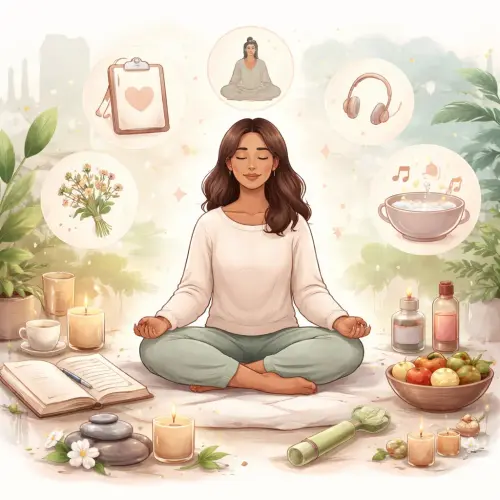
Why Self Care Ideas for Inner Peace and Emotional Balance Matter Today
Life moves fast. Between work deadlines, family responsibilities, and constant digital notifications, your nervous system rarely gets a break. This is why self care ideas for inner peace and emotional balance have become essential tools, not optional luxuries. They help you reset your baseline, manage emotional fatigue, and prevent burnout. When you practice consistent self-care, you build a stronger foundation for handling life’s inevitable ups and downs. For a related guide, see 9 Doctor Approved Tips to Calm Your Mind at Home Fast.
Many people assume self-care means expensive spa days or long vacations. In reality, the most powerful habits are free, simple, and can be done in under ten minutes. The key is consistency, not intensity.
How Does Self-Care Improve Emotional Well-Being?
Self-care improves emotional well-being by regulating your stress response. When you take time to calm your mind, your body produces less cortisol, the primary stress hormone. Activities like deep breathing, walking in nature, or journaling activate your parasympathetic nervous system, which helps you feel safe and relaxed. Over time, this reduces anxiety, improves mood, and helps you respond to challenges with greater clarity instead of reacting impulsively.
11 Self Care Ideas for Inner Peace and Emotional Balance: Proven Habits to Start Today
The following 11 self-care ideas for inner peace are designed to be practical, research-backed, and easy to integrate into your daily routine. Each idea includes a clear explanation, a practical tip, and is connected to one of your most pressing questions about emotional balance.
1. Morning Mindfulness Meditation
Mindfulness meditation is one of the most effective self-care ideas for emotional balance. Spending just five minutes sitting quietly, focusing on your breath, can shift your entire day. Mindfulness trains your brain to stay present, which directly reduces rumination and worry.
How can mindfulness create inner peace? Mindfulness creates inner peace by teaching you to observe your thoughts without judgment. Instead of getting caught in a spiral of anxiety, you learn to notice the thought, let it pass, and return to the present moment. This simple shift reduces emotional reactivity and cultivates a calm baseline throughout the day.
Practical tip: Start with a guided app like Headspace or Calm, or simply set a timer for five minutes and focus on the sensation of your breath entering and leaving your nostrils.
2. Daily Journaling for Emotional Clarity
Journaling is a powerful way to process emotions and reduce mental clutter. Writing down your thoughts helps you make sense of feelings that feel overwhelming when stuck in your head. It is one of the most accessible self care ideas for inner peace and emotional balance because it requires nothing more than a pen and paper.
How does journaling support mental health? Journaling supports mental health by providing a safe space to express difficult emotions, track patterns, and practice gratitude. It lowers anxiety, improves mood, and can even strengthen your immune system over time. When you write regularly, you gain perspective on what truly matters and what you can let go of.
Practical tip: Try the “morning pages” method: write three pages of stream-of-consciousness thoughts first thing in the morning, without editing or judging yourself.
3. Prioritize Consistent Sleep Hygiene
Sleep is the foundation of emotional balance. Without quality rest, your brain struggles to regulate mood, handle stress, and make sound decisions. Incorporating sleep hygiene into your self care ideas for inner peace routine is non-negotiable.
How do sleep habits affect emotional balance? Sleep habits directly affect emotional balance by controlling the brain’s ability to process emotions. During deep sleep, your brain sorts through the day’s experiences, filing memories and calming emotional centers. Poor sleep increases irritability, anxiety, and impulsivity, while consistent rest strengthens resilience.
Practical tip: Create a wind-down routine 30 minutes before bed: dim the lights, put away screens, and read a physical book or practice gentle stretching.
4. The Power of a Digital Detox
Constant notifications, social media comparisons, and news cycles keep your brain in a state of low-grade alert. A digital detox means intentionally stepping away from screens for a set period, even if just for 30 minutes a day.
What is a digital detox and why is it important? A digital detox is a deliberate break from electronic devices, especially smartphones and computers. It is important because it reduces mental fatigue, improves sleep, and lowers anxiety. Without the constant input of digital information, your mind has space to relax, reflect, and reconnect with the real world.
Practical tip: Schedule “phone-free hours” in your calendar, such as the first hour after you wake up or the last hour before bed.
5. Light Exercise for Emotional Stability
Exercise does not need to be intense to benefit your mental health. Gentle movement like walking, yoga, or swimming releases endorphins, the brain’s natural mood elevators.
Can exercise improve emotional stability? Yes, exercise improves emotional stability by balancing neurotransmitters like serotonin and dopamine. Regular physical activity reduces symptoms of depression and anxiety, improves self-esteem, and provides a healthy outlet for stress. Even a 20-minute walk in nature can significantly improve your mood. For a related guide, see 14 Healthy Foods That Improve Mood and Reduce Tension.
Practical tip: Aim for 20–30 minutes of moderate movement daily. A brisk walk around your neighborhood counts and is one of the simplest self-care ideas for emotional balance.
6. Practice Gratitude Daily
Gratitude shifts your focus from what is missing to what is present. This simple mental habit rewires your brain to notice positive experiences more easily over time.
How does gratitude improve mental wellness? Gratitude improves mental wellness by increasing levels of dopamine and serotonin, the brain’s “feel-good” chemicals. It reduces envy, resentment, and frustration while enhancing optimism and life satisfaction. Practicing gratitude regularly can even improve physical health by lowering blood pressure and improving sleep.
Practical tip: Each evening, write down three specific things you were grateful for that day. Be as detailed as possible, like “the warm sunlight on my face during lunch” instead of a generic “good weather.”
7. Deep Breathing Exercises for Instant Calm
When stress spikes, your breath becomes shallow and rapid. Deep breathing exercises reverse this by activating your body’s relaxation response.
What are natural ways to calm the mind? Natural ways to calm the mind include deep breathing, progressive muscle relaxation, and spending time in quiet. Deep breathing specifically lowers heart rate and blood pressure, signaling your brain that it is safe to relax. Techniques like box breathing (inhale for 4 counts, hold for 4, exhale for 4, hold for 4) are highly effective.
Practical tip: Whenever you feel overwhelmed, pause and take five slow, deep breaths, making your exhale longer than your inhale.
8. Engage in Creative or Relaxing Hobbies
Hobbies provide a mental escape and a sense of accomplishment unrelated to work or responsibilities. They are a vital part of self care ideas for inner peace and emotional balance.
What hobbies reduce stress and anxiety? Hobbies that involve flow states, where you lose track of time, are best for stress reduction. Examples include painting, gardening, playing a musical instrument, knitting, cooking, reading fiction, or woodworking. These activities engage your hands and mind in a repetitive, soothing rhythm, lowering cortisol levels.
Practical tip: Dedicate two evenings a week to a hobby with no screens involved. Even 30 minutes can make a significant difference in your stress levels.
9. Set and Maintain Healthy Boundaries
Boundaries are the invisible lines that protect your energy and time. Without them, you risk emotional exhaustion and resentment.
How do boundaries improve emotional health? Boundaries improve emotional health by preventing overcommitment, reducing resentment, and protecting your mental space. When you say “no” to things that drain you, you free up energy for things that nourish you. Healthy boundaries also teach others how to treat you, which builds mutual respect and reduces conflict.
Practical tip: Identify one area where you consistently feel drained, whether it is checking emails after hours or agreeing to social plans you do not want. Practice a polite but firm script like, “I appreciate the invitation, but I cannot make it this time.”
10. Balanced Nutrition for a Calm Mind
What you eat directly affects your mood and energy levels. A diet rich in whole foods supports stable blood sugar and healthy brain function.
How can self-care prevent burnout? Self-care prevents burnout by addressing the root causes of physical and mental exhaustion. Balanced nutrition plays a critical role by providing the vitamins and minerals your brain needs to produce mood-regulating neurotransmitters. Omega-3 fatty acids, B vitamins, magnesium, and complex carbohydrates all support emotional stability and reduce fatigue.
Practical tip: Start your day with a protein-rich breakfast, such as eggs or Greek yogurt with berries, to stabilize your blood sugar and mood.
11. Spend Time in Nature Regularly
Nature has a profound calming effect on the human brain. Even a few minutes outdoors can lower stress and improve focus.
What activities improve emotional balance naturally? Activities that improve emotional balance naturally include walking in a park, gardening, hiking, sitting by a body of water, or simply watching a sunset. These activities reduce mental fatigue, restore attention, and lower cortisol levels. Being in nature encourages mindfulness because it engages your senses in a gentle, grounding way.
Practical tip: Aim for at least 15 minutes of outdoor time each day, even if it is just sitting on a bench during your lunch break.
What Are the Best Self-Care Habits for Stress Relief?
The best self-care habits for stress relief combine mental, physical, and social elements. Based on the 11 ideas above, the most impactful habits are mindfulness meditation, journaling, regular exercise, and setting boundaries. These four habits address stress from multiple angles: they calm your mind, process your emotions, release physical tension, and protect your energy from external demands. How to reduce stress naturally starts with choosing one of these habits and practicing it daily for at least two weeks.
How to Build a Simple Daily Self-Care Routine
You do not need to do all 11 ideas every day. Start small and layer habits gradually. A simple daily routine might include:
- Morning: 5 minutes of mindfulness meditation + a healthy breakfast.
- Midday: A 10-minute walk outside without your phone.
- Evening: 10 minutes of journaling + gratitude listing + a screen-free wind-down.
What are simple daily self-care routines? Simple daily self-care routines are short, repeatable practices that fit into your existing schedule. They do not require extra time, they replace less helpful habits like doom-scrolling or mindless TV. The secret is to attach them to existing cues, like meditating right after brushing your teeth.
Useful Resources
To deepen your practice of self care ideas for inner peace and emotional balance, explore these credible resources:
- Harvard Health: The importance of self-care — A comprehensive overview of how self-care impacts mental and physical health.
- Mayo Clinic: Stress relief techniques — Evidence-based methods for managing stress, including deep breathing and exercise.
Frequently Asked Questions About Self Care Ideas for Inner Peace and Emotional Balance
What are 11 self-care ideas for inner peace and emotional balance?
The 11 ideas are mindfulness meditation, journaling, sleep hygiene, digital detox, light exercise, gratitude practice, deep breathing, hobbies, setting boundaries, balanced nutrition, and spending time in nature.
How does self-care improve emotional well-being?
Self-care improves emotional well-being by lowering stress hormones, activating the relaxation response, and building resilience, making it easier to handle daily challenges.
What are the best self-care habits for stress relief?
The best habits are mindfulness, deep breathing, light exercise, and journaling, as they directly lower cortisol and calm the nervous system.
How can mindfulness create inner peace?
Mindfulness creates inner peace by training you to observe thoughts without judgment, reducing rumination and emotional reactivity, and fostering a calm present-moment awareness.
What activities improve emotional balance naturally?
Walking in nature, gardening, yoga, painting, and spending time near water naturally improve emotional balance by engaging your senses and lowering stress.
How does journaling support mental health?
Journaling supports mental health by providing a safe space to process emotions, track patterns, reduce anxiety, and gain perspective on challenges.
Can exercise improve emotional stability?
Yes, regular exercise balances neurotransmitters like serotonin and dopamine, reduces depression and anxiety, and provides a healthy outlet for stress.
What is a digital detox and why is it important?
A digital detox is a break from electronic devices. It reduces mental fatigue, improves sleep, and lowers anxiety by removing constant stimulation.
How do sleep habits affect emotional balance?
Sleep habits directly affect emotional regulation; poor sleep increases irritability and anxiety, while consistent rest strengthens resilience and mood stability.
What are simple daily self-care routines?
Simple routines include five-minute morning meditation, a short walk at lunch, evening journaling, and a screen-free wind-down before bed.
How does gratitude improve mental wellness?
Gratitude increases dopamine and serotonin, reduces envy and frustration, and enhances optimism, leading to greater life satisfaction and lower stress.
What hobbies reduce stress and anxiety?
Hobbies that induce flow states, such as painting, knitting, gardening, cooking, or playing an instrument, are highly effective for reducing stress and anxiety.
How can self-care prevent burnout?
Self-care prevents burnout by addressing physical and mental exhaustion through rest, nutrition, boundaries, and stress-relief practices that restore energy.
What are natural ways to calm the mind?
Natural calm methods include deep breathing, progressive muscle relaxation, spending time in quiet nature, and practicing mindfulness meditation.
How do boundaries improve emotional health?
Boundaries improve emotional health by preventing overcommitment, reducing resentment, and protecting your mental energy, which builds self-respect and reduces conflict.
How long does it take to see results from self-care?
Many people notice reduced stress and improved mood within one to two weeks of consistent practice, with deeper changes occurring over several months.
Can self-care replace therapy or medication?
No, self-care is a complementary practice, not a replacement for professional mental health treatment when needed. Always consult a professional for serious conditions.
What if I don’t have time for self-care?
Start with micro-habits like three deep breaths or one minute of gratitude. Even tiny practices build momentum and can be expanded over time.
How do I stay consistent with self-care?
Attach new habits to existing routines, use habit trackers, and start with just one habit. Consistency comes from simplicity and repetition.
Are these ideas suitable for beginners?
Yes, all 11 ideas are beginner-friendly and require no special equipment or prior experience, making them perfect for anyone new to self-care.