
Doctor Approved Tips to Calm Your Mind Key Takeaways
Modern life is full of triggers—work deadlines, family responsibilities, constant notifications—that keep your nervous system in a heightened state.
- Simple breathing exercises and mindfulness techniques can lower cortisol and quiet racing thoughts within minutes.
- Lifestyle adjustments like limiting screen time, staying hydrated, and improving sleep habits support long-term stress resilience.
- Natural remedies such as aromatherapy and grounding techniques provide immediate comfort without side effects.
Why Doctor Approved Tips to Calm Your Mind Work
Modern life is full of triggers—work deadlines, family responsibilities, constant notifications—that keep your nervous system in a heightened state. Over time, this chronic stress can lead to burnout, anxiety disorders, and even physical health issues. That’s why experts recommend building a toolkit of reliable, fast-acting techniques you can use anywhere, especially at home.
These nine tips are not just popular wellness trends; they are grounded in medical research and recommended by physicians, psychiatrists, and clinical psychologists. They target the root causes of stress—overstimulation, shallow breathing, muscle tension, and disrupted sleep—and help you regain control naturally.
9 Doctor-Approved Strategies to Calm Your Mind at Home Fast
Below are nine actionable methods you can start using today. Each one includes a brief explanation of why it works, plus step-by-step instructions.
1. Deep Breathing: The Fastest Way to Lower Stress
Deep breathing reduces anxiety by activating the parasympathetic nervous system—your body’s “rest and digest” mode. When you take slow, deep breaths, your heart rate slows, blood pressure drops, and your mind becomes clearer.
How to do it: Try the 4-7-8 technique. Inhale through your nose for 4 seconds, hold your breath for 7 seconds, then exhale slowly through your mouth for 8 seconds. Repeat 4-5 times. You’ll feel a shift within one minute.
2. Mindfulness for Racing Thoughts: A Simple Meditation
Mindfulness for racing thoughts helps you step out of the mental spiral. Instead of fighting anxious thoughts, you observe them without judgment, which reduces their power.
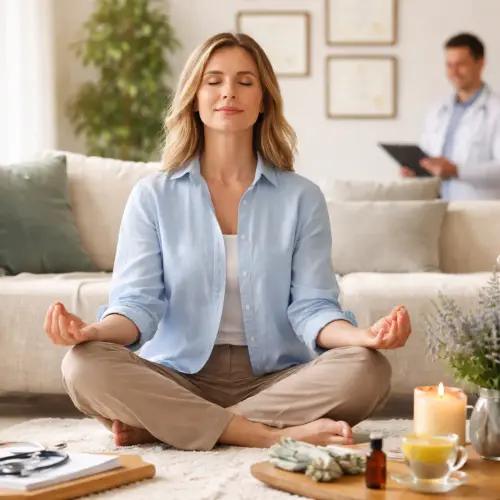
How to practice: Sit comfortably, close your eyes, and focus on your breath. When a thought arises, simply label it “thinking” and return to your breath. Start with 3 minutes a day. Apps like Calm or Headspace can guide you.
3. Grounding Techniques for Panic: The 5-4-3-2-1 Method
Grounding techniques for panic anchor you in the present moment, distracting your brain from overwhelming fear. This is especially helpful during sudden anxiety attacks.
Try this: Name 5 things you can see, 4 things you can touch, 3 things you hear, 2 things you smell, and 1 thing you can taste. By the time you finish, your panic response will have naturally subsided.
4. Limit Screen Time to Reduce Mental Overwhelm
Blue light from phones, tablets, and computers disrupts your natural sleep-wake cycle and keeps your brain in a state of alertness. Excessive scrolling also exposes you to negative news and social comparison, which fuels anxiety.
Set a digital curfew: Turn off all screens at least 60 minutes before bed. Use “Do Not Disturb” mode during meals and dedicated relaxation time. Your brain needs this break to reset.
5. Home Remedies for Anxiety: Aromatherapy and Herbal Teas
Home remedies for anxiety are safe, affordable, and easy to use. Lavender essential oil has been shown in clinical studies to reduce anxiety levels. Chamomile and passionflower teas promote calmness and improve sleep quality.
Use them: Add 3-4 drops of lavender oil to a diffuser, or place a drop on your pillow. Sip a warm cup of chamomile tea in the evening. These small rituals signal your brain that it’s time to unwind.
6. Light Physical Activity to Release Tension
Exercise is one of the most effective natural stress relief methods. Physical movement releases endorphins, which act as natural painkillers and mood elevators, and it burns off stress hormones like cortisol. For a related guide, see 14 Healthy Foods That Improve Mood and Reduce Tension.
You don’t need a gym: A 10-minute walk around your neighborhood, gentle yoga stretches, or even dancing to your favorite song can calm your nervous system quickly. Focus on moving your body without forcing intensity.
7. Listening to Calming Music to Soothe the Mind
Music helps reduce stress and tension by slowing your heart rate and lowering blood pressure. Certain tempos (around 60 beats per minute) can even synchronize your brainwaves to an alpha state, associated with relaxation.
Create a playlist: Include instrumental tracks, nature sounds (rain, ocean waves), or lo-fi beats. Listen for 15-20 minutes when you feel overwhelmed, or use it as background during work to stay focused.
8. Hydration and Its Role in Mental Clarity
Even mild dehydration can affect your mood, energy, and ability to concentrate. Studies show that hydration can improve mood and mental clarity significantly. When you’re stressed, you may forget to drink enough water, which worsens anxiety.
Stay on track: Keep a water bottle at your desk and sip throughout the day. Aim for 8-10 glasses. Add a slice of lemon or cucumber for flavor if plain water feels boring.
9. Prioritizing Sleep for Emotional Balance
Sleep is when your brain processes emotions and clears out stress-related chemicals. Sleep affects emotional balance and stress more than any other single factor. Without enough quality sleep, your ability to handle daily challenges drops dramatically.
Improve your sleep hygiene: Go to bed at the same time every night, keep your bedroom cool and dark, avoid caffeine after 2 PM, and create a winding-down routine that includes reading, journaling, or gentle stretching.
Comparison of Quick Relaxation Techniques for Stress Relief
| Technique | Time Needed | Best For | Evidence Level |
|---|---|---|---|
| Deep Breathing (4-7-8) | 1-2 minutes | Immediate anxiety | Strong |
| Grounding (5-4-3-2-1) | 2-3 minutes | Panic attacks | Moderate |
| Mindfulness Meditation | 5-10 minutes | Racing thoughts | Strong |
| Lavender Aromatherapy | 15-20 minutes | Evening wind-down | Moderate |
| 10-Minute Walk | 10 minutes | Physical tension | Strong |
Useful Resources
- Harvard Health: Relaxation techniques – breath control helps quell stress – A research-backed overview of how controlled breathing affects the nervous system.
- American Psychological Association: Mindfulness meditation – Official guidance on the benefits of mindfulness for anxiety and emotional regulation.
Final Thoughts on Doctor Approved Tips to Calm Your Mind
Stress doesn’t have to control your life. By integrating these Doctor Approved Tips to Calm Your Mind into your daily routine, you can calm your mind at home fast and build lasting emotional resilience. Start with one or two techniques that resonate with you, and practice them consistently. Your mind—and your body—will thank you.
Frequently Asked Questions About Doctor Approved Tips to Calm Your Mind
What are 9 doctor-approved tips to calm your mind at home fast ?
The nine tips include deep breathing, mindfulness meditation, grounding techniques, limiting screen time, using aromatherapy, light physical activity, listening to calming music, staying hydrated, and prioritizing quality sleep. Each is backed by medical research and easy to implement at home. For a related guide, see 15 Easy Ways to Find Stress Relief and Feel Better Fast.
How can I calm my mind naturally at home?
Natural methods include deep breathing exercises, mindfulness, grounding techniques, herbal teas like chamomile, lavender aromatherapy, and reducing screen exposure. These approaches help regulate your nervous system without medications.
What are the best relaxation techniques for stress relief ?
The most effective techniques include the 4-7-8 breathing method, progressive muscle relaxation, body scan meditation, and guided imagery. They work by shifting your body from fight-or-flight to a relaxed state.
How does deep breathing reduce anxiety quickly?
Deep breathing activates the vagus nerve, which triggers the parasympathetic nervous system. This lowers heart rate, reduces blood pressure, and signals your brain that it’s safe to relax, often within seconds.
Can mindfulness help calm racing thoughts?
Yes. Mindfulness helps you detach from racing thoughts by observing them without judgment. Regular practice reduces the frequency and intensity of anxious thinking patterns.
What are grounding techniques for stress and panic?
Grounding techniques like the 5-4-3-2-1 method use your senses to anchor you in the present moment. They are highly effective for panic attacks and sudden stress because they redirect your brain’s focus.
How does music help reduce stress and tension?
Music with a slow tempo (around 60 BPM) can synchronize brainwaves to an alpha state, promoting relaxation. It also lowers cortisol levels and distracts from negative thoughts.
What home remedies help with anxiety naturally?
Common home remedies include lavender or chamomile aromatherapy, passionflower tea, warm baths with Epsom salts, and breathing exercises. These are generally safe for most people.
How does screen time affect mental stress?
Excessive screen time exposes your brain to blue light, disrupts sleep, and invites constant stimuli from notifications and news. This keeps your nervous system in a heightened alert state, increasing stress.
What are simple ways to relax after a stressful day?
You can take a warm bath, practice deep breathing for 2 minutes, listen to calming music, go for a short walk, or journal your thoughts. Even 10 minutes of purposeful relaxation can reset your evening.
Can hydration improve mood and mental clarity?
Yes. Even mild dehydration can cause irritability, brain fog, and fatigue. Staying well-hydrated helps maintain cognitive function and emotional stability.
How does sleep affect emotional balance and stress?
Sleep is essential for emotional regulation. During deep sleep, the brain processes emotions and clears stress chemicals. Lack of sleep lowers your tolerance for stress and increases reactivity.
What exercises calm the nervous system quickly?
Low-intensity exercises like walking, gentle yoga, tai chi, and stretching are best for calming the nervous system. They release muscle tension and stimulate dopamine production without raising cortisol.
How can I reduce mental overwhelm at home?
Reduce mental clutter by setting a daily priority list, taking short mindfulness breaks, limiting noise and screen time, and creating a designated quiet space. Small environmental changes have a big impact.
What habits improve relaxation and inner calm?
Daily habits like morning meditation, regular exercise, consistent sleep schedules, journaling, and spending time in nature all build long-term resilience to stress.
Are these tips safe for people with severe anxiety?
Most of these techniques are safe for general use, but if you have a diagnosed anxiety disorder, consult your doctor before changing your routine. These methods can complement professional treatment.
How long does it take to feel effects from these techniques?
Deep breathing and grounding can provide relief in under 2 minutes. Mindfulness and aromatherapy may take 5-15 minutes. Lifestyle changes like better sleep and hydration show effects over days to weeks.
Can I combine multiple techniques at once?
Yes. For example, you can practice deep breathing while listening to calming music and using lavender aromatherapy. Combining techniques often enhances relaxation more than using them alone.
Do I need special equipment to practice these tips?
No. Most techniques require nothing more than your breath, your senses, and a quiet space. Aromatherapy or a meditation app can be helpful but are not required.
Can children and teens use these methods too?
Absolutely. Deep breathing, grounding, and limiting screen time are safe and effective for all ages. Teach kids the 5-4-3-2-1 technique for school-related anxiety.