
Healthy Foods That Improve Mood and Reduce Tension Key Takeaways
Stress isn’t just a mental state — it’s a physiological reaction that your body feels head to toe.
- Omega-3-rich fish like salmon and sardines reduce brain inflammation and support emotional stability.
- Fermented foods, dark leafy greens, and berries feed your gut microbiome, which directly influences anxiety and mood.
- Avoiding refined sugar and processed snacks prevents the energy crashes that trigger irritability and tension.
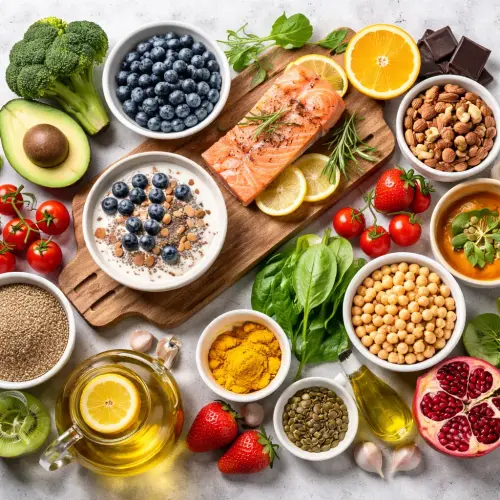
What Readers Should Know About Healthy Foods That Improve Mood and Reduce Tension
Stress isn’t just a mental state — it’s a physiological reaction that your body feels head to toe. When you’re under pressure, your adrenal glands release cortisol, your blood sugar can spike, and inflammation levels rise. Over time, this wears down your mood and energy.
Nutrition offers one of the most practical, drug-free ways to counter that cycle. The foods that reduce anxiety naturally work through several mechanisms: they supply building blocks for neurotransmitters, reduce oxidative stress, and feed the trillions of gut bacteria that communicate directly with your brain via the vagus nerve. For a related guide, see Daily Habits to Reduce Anxiety Naturally Without Medication.
This guide covers 14 science-backed foods, each with a clear explanation of how food affects mental health, plus simple ways to add them to your day.
14 Nutrient-Packed Foods for a Calmer, Brighter Mood
1. Salmon — Omega-3 Powerhouse for Brain Health
Salmon is one of the richest sources of long-chain omega-3 fatty acids (EPA and DHA). These fats are critical structural components of brain cell membranes, and they help regulate neurotransmitters like dopamine and serotonin. Research shows that people with higher omega-3 intake report less anxiety and fewer mood swings. The link between omega-3 foods brain health stress is well established: EPA, in particular, lowers inflammation in the brain, which can quiet the hyper-aroused stress response.
Serving tip: Aim for two 4-ounce servings of wild-caught salmon per week. Try a simple grilled salmon fillet with lemon and dill over a bed of arugula.
2. Dark Chocolate — A Treat That Lowers Cortisol
Many people wonder, Can dark chocolate really reduce stress? Yes — but you need the right kind. Dark chocolate with at least 70% cocoa contains flavonoids that improve blood flow to the brain and reduce cortisol levels. It also contains a small amount of tryptophan, the amino acid your body uses to make serotonin. A 2019 study found that participants who ate dark chocolate daily for two weeks reported lower perceived stress and reduced levels of stress hormones.
Serving tip: Enjoy one or two small squares (about 10–15 grams) of high-quality dark chocolate after lunch or as an afternoon treat. Avoid milk chocolate, which is high in sugar.
3. Bananas — Nature’s Serotonin Booster
Bananas are often cited among foods increase serotonin levels, and for good reason. They are rich in vitamin B6, which helps convert tryptophan into serotonin. They also provide natural sugars and fiber, which steady blood sugar — preventing the jittery feeling that can mimic anxiety. The potassium in bananas also supports nerve function and muscle relaxation.
Serving tip: Slice a banana over oatmeal, blend into a smoothie with spinach and almond milk, or simply eat as a pre-workout snack.
4. Berries — Antioxidant Protection for Your Brain
Blueberries, strawberries, blackberries, and raspberries are packed with anthocyanins — compounds that reduce inflammation and oxidative stress. Since chronic inflammation is linked to depression and anxiety disorders, eating berries regularly helps protect your mood. They are among the best fruits best for mental wellness because they support the hippocampus, the brain region responsible for emotional regulation. For a related guide, see 7 Daily Routines for Mental Wellness and Inner Balance.
Serving tip: Add a cup of mixed berries to your breakfast yogurt or eat them fresh as a snack. Frozen berries retain nearly all their nutrients and are more affordable.
5. Leafy Greens — Magnesium for Calm Nerves
Spinach, kale, Swiss chard, and collard greens are loaded with magnesium, a mineral that acts as a natural relaxant for the nervous system. Magnesium helps regulate the GABA receptor — a neurotransmitter that calms brain activity — and lowers cortisol. If you’re looking for foods calm nervous system, leafy greens should be at the top of your list.
Serving tip: Sauté a handful of spinach in olive oil with garlic as a side dish, or blend kale into a green smoothie with pineapple and ginger.
6. Nuts and Seeds — Healthy Fats That Stabilize Mood
Almonds, walnuts, chia seeds, flaxseeds, and pumpkin seeds supply a mix of omega-3s (especially ALA from walnuts and chia), zinc, and vitamin E. Zinc deficiency has been linked to higher anxiety levels, and vitamin E protects brain cells from oxidative damage. Walnuts, in particular, have been shown to improve mood in young adults when eaten regularly.
Serving tip: Keep a small handful of raw almonds and walnuts in your bag for a quick snack. Sprinkle chia seeds on oatmeal or in water with lemon for a hydrating drink.
7. Yogurt and Fermented Foods — Gut Health Equals Mental Health
The gut health mood anxiety connection is one of the most exciting areas of nutritional science. Fermented foods like yogurt, kefir, sauerkraut, kimchi, and kombucha contain probiotics that support a diverse gut microbiome. A healthy gut lining keeps inflammatory molecules from entering the bloodstream and signaling stress to the brain. Studies show that people who consume fermented foods daily report fewer social anxiety symptoms.
Serving tip: Choose plain, unsweetened yogurt with live cultures. Add berries and a drizzle of honey. Include a serving of sauerkraut or kimchi alongside lunch.
8. Avocados — Creamy Brain Fuel
Avocados are rich in monounsaturated fats, potassium, and B vitamins. Healthy fats support stable blood sugar levels, which prevents the mood drops that happen after a high-carb meal. Avocados also contain folate (vitamin B9), and low folate levels are consistently linked to depression. Including avocados in your diet is a delicious way to support nutrition emotional stability.
Serving tip: Spread half an avocado on whole-grain toast with a pinch of sea salt and red pepper flakes. Or cube it into a salad with black beans and lime juice.
9. Green Tea — L-Theanine for Gentle Calm
Can green tea reduce anxiety tension? Yes, mainly because of an amino acid called L-theanine, which promotes alpha brain waves — the state associated with relaxed alertness, similar to meditation. L-theanine also boosts the calming neurotransmitter GABA while reducing excitatory chemicals. Green tea contains a small amount of caffeine (about 30–40 mg per cup), which is moderated by L-theanine’s calming effect, so you get focus without jitters.
Serving tip: Brew a cup of matcha or high-quality green tea in the morning or early afternoon. Avoid adding sugar.
10. Whole Grains — Steady Energy for Emotional Balance
Oats, quinoa, brown rice, barley, and whole-wheat bread are complex carbohydrates that provide a slow, steady release of glucose into the bloodstream. This prevents the blood sugar spikes and crashes that can trigger irritability, fatigue, and mood swings — exactly the sugar impact stress mood swings problem. Whole grains also help tryptophan cross the blood-brain barrier more easily, supporting serotonin production.
Serving tip: Start your day with a bowl of steel-cut oats topped with berries and walnuts. Swap white rice for quinoa in lunch bowls.
11. Eggs — Complete Protein for Neurotransmitter Production
Eggs, especially the yolks, are rich in choline, vitamin D, and tryptophan. Choline is used to produce acetylcholine, a neurotransmitter involved in memory and mood regulation. Vitamin D deficiency is associated with a higher risk of depression. Eggs also provide high-quality protein that helps maintain stable blood sugar levels throughout the day.
Serving tip: Enjoy two poached or boiled eggs for breakfast with a side of sautéed spinach. If you are concerned about cholesterol, the current evidence suggests that dietary cholesterol from eggs has a minimal effect on blood cholesterol for most people.
12. Turmeric — The Golden Spice Against Inflammation
Turmeric contains curcumin, a potent anti-inflammatory compound that can cross the blood-brain barrier. Curcumin reduces the inflammatory markers that are elevated in people with depression and anxiety. When paired with black pepper (which contains piperine), absorption increases dramatically. If you are looking for what is the best diet for emotional balance, including turmeric is a smart anti-inflammatory addition.
Serving tip: Add a teaspoon of turmeric and a pinch of black pepper to soups, stews, scrambled eggs, or golden milk (warm oat milk with turmeric, ginger, and cinnamon).
13. Legumes — Fiber for Gut and Brain
Lentils, chickpeas, black beans, and kidney beans are excellent sources of fiber, folate, and magnesium. Fiber feeds beneficial gut bacteria, which in turn produce short-chain fatty acids that support brain health. Legumes also stabilize blood sugar because their low glycemic index prevents sharp insulin spikes. This makes them a staple for foods that reduce anxiety naturally via blood sugar regulation.
Serving tip: Make a lentil soup with carrots and celery for a comforting lunch. Blend chickpeas into hummus and eat with raw vegetables.
14. Sardines — Small Fish, Big Brain Benefits
Sardines are one of the most concentrated sources of omega-3s and vitamin D. They are also low in mercury because they are small and short-lived. The combination of EPA, DHA, and vitamin D supports serotonin synthesis and reduces inflammation. If you want best foods for improving mood quickly, a small can of sardines on a cracker can provide almost instant nutrient density.
Serving tip: Mash sardines with a little lemon juice and black pepper, spread on whole-grain toast, or toss into a salad.
Quick-Reference Summary: 14 Foods at a Glance
| Food | Key Nutrient | Mood and Stress Benefit | Easy Serving Idea |
|---|---|---|---|
| Salmon | Omega-3 (EPA/DHA) | Reduces brain inflammation | Grilled with lemon and dill |
| Dark chocolate | Flavonoids, tryptophan | Lowers cortisol | 1-2 squares (70%+ cocoa) |
| Bananas | Vitamin B6, potassium | Boosts serotonin, steadies sugar | Slice into oatmeal |
| Berries | Anthocyanins | Protects hippocampus | Add to breakfast yogurt |
| Leafy greens | Magnesium | Calms nervous system | Sauté with garlic |
| Nuts and seeds | Omega-3 (ALA), zinc | Prevents anxiety | Handful as a snack |
| Yogurt | Probiotics | Supports gut-brain axis | Plain with berries |
| Avocados | Healthy fats, folate | Stabilizes blood sugar | On whole-grain toast |
| Green tea | L-theanine | Promotes relaxed focus | Brewed in the morning |
| Whole grains | Complex carbs, B-vitamins | Smooth energy release | Steel-cut oats for breakfast |
| Eggs | Choline, tryptophan | Supports neurotransmitter production | Poached with spinach |
| Turmeric | Curcumin | Reduces inflammatory markers | Add to soups or golden milk |
| Legumes | Fiber, folate | Steadies blood sugar | Lentil soup or hummus |
| Sardines | Omega-3, vitamin D | Rapid nutrient density | Mashed on whole-grain toast |
What to Avoid for Better Mental Health
Knowing what to avoid is just as important as knowing what to eat. Sugar impact stress mood swings is a real phenomenon: refined sugar causes a rapid spike in blood glucose, followed by a crash that activates the stress response and leaves you feeling irritable and tired. Processed foods, trans fats, excessive caffeine, and alcohol also disrupt neurotransmitter balance and gut health. When you are evaluating foods avoid for better mental health, the top categories are sugary drinks, white bread and pastries, fried foods, and anything with artificial sweeteners like aspartame, which can interfere with dopamine function.
How to Build Your Best Diet for Emotional Balance
You do not need to overhaul everything overnight. Start with one or two changes: replace a sugary afternoon snack with a handful of almonds and a square of dark chocolate, or swap white rice for quinoa at dinner. The key is consistency — eating a variety of healthy foods that improve mood and reduce tension most days of the week. Over time, these small shifts compound into noticeable improvements in energy, resilience, and overall emotional stability.
Useful Resources
For more depth on the food affect mental health connection, the Harvard Health article on nutritional psychiatry gives a clear overview of how diet influences mood disorders.
The 2019 study on dark chocolate and stress reduction (published in the Journal of Personalized Medicine) provides solid evidence for the cortisol-lowering effect of high-cocoa dark chocolate.
Frequently Asked Questions About Healthy Foods That Improve Mood and Reduce Tension
What are 14 healthy foods that improve mood and reduce tension ?
Salmon, dark chocolate, bananas, berries, leafy greens, nuts and seeds, yogurt, avocados, green tea, whole grains, eggs, turmeric, legumes, and sardines. Each supports brain chemistry, reduces inflammation, or stabilizes blood sugar.
How does food affect mental health and stress levels?
Food provides the raw materials for neurotransmitters like serotonin and dopamine. It also influences inflammation, blood sugar, and gut bacteria — all of which directly impact mood and stress resilience.
Which foods help reduce anxiety naturally?
Leafy greens (magnesium), salmon (omega-3s), yogurt (probiotics), dark chocolate (flavonoids), and green tea (L-theanine) are among the most effective natural anxiety-reducing foods.
What are the best foods for improving mood quickly ?
Bananas, a small piece of dark chocolate, a handful of walnuts, or a cup of green tea can provide a noticeable mood lift within 30–60 minutes by supplying tryptophan, healthy fats, or L-theanine.
How do omega-3 foods help brain health and stress?
Omega-3s (especially EPA and DHA) are structural components of brain cells. They reduce inflammation, support neurotransmitter function, and help the brain adapt to stress more effectively.
Can dark chocolate really reduce stress?
Yes, when you choose dark chocolate with at least 70% cocoa. Its flavonoids lower cortisol and improve blood flow to the brain, which together reduce perceived stress levels.
What foods increase serotonin levels in the brain?
Bananas, eggs, salmon, tofu, pineapple, and dark chocolate are good sources of tryptophan or vitamin B6, both needed for serotonin production. Eating them with complex carbs enhances uptake.
How does gut health affect mood and anxiety?
The gut is lined with neurons and houses trillions of bacteria that produce neurotransmitters and regulate inflammation. When gut bacteria are imbalanced, the stress response becomes overactive.
Which fruits are best for mental wellness?
Berries (blueberries, strawberries) are top because of their antioxidant content. Bananas are excellent for immediate energy and serotonin support. Avocados (technically a fruit) provide healthy brain fats.
What foods help calm the nervous system?
Leafy greens (magnesium), green tea (L-theanine), fatty fish (omega-3s), and whole grains (slow-release energy) all directly calm the nervous system by lowering cortisol and supporting GABA.
How does sugar impact stress and mood swings?
Refined sugar causes a rapid spike then crash in blood glucose. This crash triggers adrenaline release, leading to irritability, anxiety, and fatigue that can persist for hours.
What is the best diet for emotional balance ?
A Mediterranean-style pattern — rich in fish, leafy greens, nuts, legumes, olive oil, and berries — is consistently linked to lower rates of depression and better stress management.
Can green tea help reduce anxiety and tension?
Yes, thanks to the amino acid L-theanine, which increases calming alpha brain waves and reduces cortisol. The small amount of caffeine is balanced by L-theanine for focused calmness.
What foods should I avoid for better mental health?
Avoid sugary drinks, refined grains (white bread, pastries), fried foods, trans fats, excessive alcohol, and artificial sweeteners like aspartame. These disrupt blood sugar, gut health, and neurotransmitter balance.
How does nutrition support emotional stability?
Nutrition provides the building blocks for neurotransmitters, regulates inflammation and blood sugar, and supports the gut-brain axis. Consistent, high-quality nutrition creates a stable biochemical foundation for mood.
Can eating too little affect my mood?
Yes. Undereating deprives the brain of glucose and essential nutrients, leading to low blood sugar, irritability, poor concentration, and increased anxiety. Regular balanced meals are key.
How long does it take for diet to improve mood?
Some foods, like dark chocolate or green tea, can improve mood within an hour. Long-term improvements in anxiety and stress resilience typically take 2–4 weeks of consistent dietary changes.
Are there any risks with eating too much dark chocolate?
Dark chocolate is calorie-dense and contains caffeine. Eating more than 20–30 grams per day can lead to excess caffeine intake or digestive discomfort. Moderation is best.
What is the easiest mood-boosting snack?
A banana with a small handful of walnuts and a square of dark chocolate provides a quick combination of tryptophan, healthy fats, and antioxidants that support mood within minutes.
Should I take supplements instead of eating these foods?
Whole foods provide synergy between nutrients that supplements cannot replicate. For example, eating salmon delivers not only omega-3s but also vitamin D and selenium. Food first is the best strategy.