
Natural Remedies for Anxiety and Mental Balance Key Takeaways
Anxiety affects millions of people worldwide, and the search for sustainable calm often leads beyond prescription bottles.
- Breathing exercises and mindfulness techniques directly calm the nervous system, making them among the most effective natural remedies for anxiety and mental balance .
- Herbs like ashwagandha and chamomile, along with a brain-supporting diet, provide nutritional foundations for emotional stability.
- Consistent physical activity and quality sleep are non-negotiable habits for maintaining mental equilibrium every day.
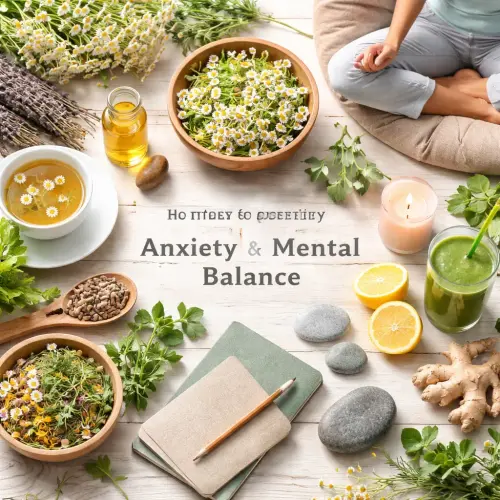
What Readers Should Know About Natural Remedies for Anxiety and Mental Balance
Many people wonder what are natural remedies for anxiety relief that actually work. The answer lies in a holistic approach that addresses both the mind and body. These remedies don’t replace professional medical advice, but they serve as powerful complementary tools. How can people improve mental balance naturally? By understanding that anxiety often stems from a dysregulated nervous system, and that certain practices can restore equilibrium. This guide answers that question with six distinct, research-supported methods anyone can start today. For a related guide, see Postpartum Anxiety: How to Recognize and Manage It.
The Role of the Nervous System in Anxiety
Anxiety is not a character flaw; it is a physiological response. The sympathetic nervous system, often called the fight-or-flight response, becomes overactive in chronic stress. Why do relaxation techniques help reduce stress? Because they activate the parasympathetic nervous system, the rest-and-digest mode, which counteracts that hyperarousal. This biological shift is the foundation for all natural stress relief methods.
Herbal Allies for Calm: What Herbs Are Commonly Used for Anxiety Support
Plants have been used for centuries to soothe frayed nerves. Modern research confirms that certain herbs can modulate neurotransmitters and reduce cortisol levels. What herbs are commonly used for anxiety support? Here are four with strong evidence:
- Ashwagandha: An adaptogen that lowers cortisol, helping the body handle stress more effectively.
- Chamomile: Contains apigenin, which binds to GABA receptors in the brain to promote relaxation.
- Lavender: Aromatherapy with lavender oil has been shown to reduce anxiety scores in clinical trials.
- Passionflower: Increases GABA levels in the brain, similar to some prescription anti-anxiety medications.
When using herbs, quality matters. Look for standardized extracts from reputable brands and consult a healthcare provider, especially if you take other medications. These herbs offer a gentle yet effective way to support mental calmness daily.
How to Incorporate Herbal Support Safely
Start with one herb at a time, in tea or tincture form, and observe how your body responds. Many people ask how can people calm anxious thoughts naturally with herbs; a cup of chamomile tea before bed or lavender oil on the wrists during a stressful workday can be simple, effective rituals.
Movement as Medicine: How Does Exercise Improve Emotional Wellness
Physical activity is one of the most potent natural remedies for anxiety. When you move, your brain releases endorphins, dopamine, and serotonin—chemicals that directly improve mood. How does exercise improve emotional wellness? It also burns off excess cortisol and adrenaline, the stress hormones that fuel anxiety.
You don’t need a gym membership to benefit. A brisk 20-minute walk, a yoga flow, or even dancing in your living room can shift your state. The key is consistency rather than intensity. For those wondering what are healthy ways to manage daily stress, scheduling short movement breaks—perhaps a lunchtime walk or morning stretching—can prevent stress from accumulating.
Practical Types of Exercise for Anxiety Relief
- Yoga: Combines movement with breathwork, directly calming the nervous system.
- Walking in Nature: Lowers rumination and improves mood through both exercise and green space exposure.
- Strength Training: Builds physical resilience, which translates to mental toughness.
- Dance or Aerobics: Raises heart rate and provides an emotional release.
Brain-Focused Nutrition: What Foods Support Mental Calmness and Balance
The gut-brain axis means your diet directly affects your mood. What foods support mental calmness and balance? Prioritize whole foods that stabilize blood sugar and provide key nutrients for neurotransmitter production.
Foods rich in magnesium (leafy greens, almonds, dark chocolate) help relax muscles and nerves. Omega-3 fatty acids from salmon, walnuts, and flaxseeds reduce inflammation and support brain health. Fermented foods like yogurt, kimchi, and sauerkraut feed beneficial gut bacteria, which produce mood-regulating neurotransmitters. Finally, complex carbohydrates like oats and sweet potatoes help produce serotonin, the feel-good chemical.
| Nutrient | Food Sources | Anxiety Benefit |
|---|---|---|
| Magnesium | Spinach, almonds, pumpkin seeds, dark chocolate | Relaxes muscles and nerves |
| Omega-3s | Salmon, sardines, walnuts, flaxseeds | Reduces brain inflammation |
| Probiotics | Yogurt, kefir, sauerkraut, kimchi | Supports gut-brain axis |
| Vitamin B6 | Chickpeas, bananas, poultry | Helps produce serotonin |
For those seeking effective natural stress relief methods, shifting from processed foods to nutrient-dense meals is a foundational step. Small changes, like swapping sugary snacks for nuts or fruit, can stabilize energy and mood.
The Power of the Breath: How Can Breathing Exercises Reduce Anxiety Symptoms
Breathing is the fastest way to influence your nervous system. How can breathing exercises reduce anxiety symptoms? Slow, diaphragmatic breathing sends signals to the brain that it is safe, reducing heart rate and lowering cortisol. This is why relaxation techniques help reduce stress so effectively.
One of the simplest protocols is the 4-7-8 technique: inhale through the nose for 4 counts, hold for 7 counts, exhale through the mouth for 8 counts. Repeat four times. Another powerful method is box breathing—inhale 4, hold 4, exhale 4, hold 4. These techniques can be done anywhere, making them ideal for those asking how can people calm anxious thoughts naturally in the moment.
Building a Daily Breathwork Habit
Set aside three minutes twice a day—morning and evening—to practice. Over time, this trains your body to default to calm more quickly. For deeper learning, apps like Breathwrk or Calm offer guided sessions. Integrating breathwork into your routine answers the question what are healthy ways to manage daily stress with a zero-cost, high-impact tool.
Sleep and Emotional Resilience: How Does Sleep Affect Mental Wellness
Sleep is when the brain processes emotions and clears metabolic waste. How does sleep affect mental wellness? Chronic sleep deprivation increases amygdala reactivity, making you more prone to anxiety and less able to regulate emotions. It also raises cortisol, creating a vicious cycle of stress and poor sleep.
To improve sleep hygiene, create a consistent bedtime routine: dim lights an hour before bed, avoid screens, and keep the room cool and dark. Consider a magnesium supplement or a cup of chamomile tea to ease the transition. For those wondering what habits support emotional stability, prioritizing seven to nine hours of quality sleep is non-negotiable.
Even small improvements matter. If you currently sleep only five hours, adding even forty-five minutes can significantly reduce anxiety. This is one of the most overlooked natural remedies for anxiety and mental balance.
Mindfulness in Daily Life: What Mindfulness Techniques Help Emotional Balance
Mindfulness is the practice of paying attention to the present moment without judgment. What mindfulness techniques help emotional balance? The most effective ones are simple enough to do anywhere.
- Body Scan: Mentally scan from head to toe, noticing tension without trying to change it.
- Five Senses Exercise: Name 5 things you see, 4 you feel, 3 you hear, 2 you smell, and 1 you taste.
- Mindful Walking: Focus on the sensation of your feet touching the ground.
- Loving-Kindness Meditation: Repeat phrases like “May I be happy, may I be safe” to cultivate compassion.
These techniques interrupt the thought spirals that fuel anxiety. People often ask how can people improve mental balance naturally; mindfulness trains the brain to respond rather than react. Even five minutes a day can make a noticeable difference. For a structured approach, apps like Headspace or Insight Timer offer guided sessions for beginners.
How Lifestyle Changes Improve Mental Health and Maintain Daily Balance
Small, consistent changes create lasting transformation. How can lifestyle changes improve mental health? By replacing reactive habits with intentional routines that support the nervous system. What habits support emotional stability? A morning routine that avoids doomscrolling, regular movement, balanced meals, and a wind-down ritual for sleep are foundational. For a related guide, see 11 Healthy Habits That Reduce Anxiety and Improve Mood.
For those asking how can people maintain mental balance every day, the key is not perfection but consistency. Choose one or two of the remedies in this article—perhaps daily breathwork and adding a magnesium-rich snack—and commit for a month. Track how you feel. Over time, these practices compound into profound shifts in emotional resilience.
Remember: natural remedies for anxiety and mental balance are not a quick fix but a sustainable path to wellness. They work best when combined with professional support when needed. The goal is not to eliminate all stress but to build a life where stress no longer controls you.
Useful Resources
For deeper research on herbs and anxiety, visit the National Center for Biotechnology Information review of herbal treatments for anxiety.
To explore the science behind breathwork and the nervous system, read Harvard Health’s guide to breath control for stress relief.
Frequently Asked Questions About Natural Remedies for Anxiety and Mental Balance
What are natural remedies for anxiety relief that work fast?
Deep breathing exercises, specifically the 4-7-8 technique, can reduce anxiety symptoms within minutes. Lavender aromatherapy and a short walk also provide rapid relief by calming the nervous system.
How can people improve mental balance naturally ?
Improving mental balance naturally involves consistent practices like mindfulness meditation, regular exercise, a nutrient-dense diet, quality sleep, and stress management techniques such as breathwork and time in nature.
Why do relaxation techniques help reduce stress ?
Relaxation techniques activate the parasympathetic nervous system, which counteracts the fight-or-flight response. This lowers heart rate, reduces cortisol levels, and promotes a state of calm.
What herbs are commonly used for anxiety support ?
Common herbs include ashwagandha, chamomile, lavender, and passionflower. These herbs modulate neurotransmitters like GABA and reduce cortisol, offering gentle, natural support for anxiety.
How does exercise improve emotional wellness ?
Exercise releases endorphins, dopamine, and serotonin, all of which improve mood. It also burns off stress hormones like cortisol and adrenaline, providing both immediate and long-term emotional benefits.
What foods support mental calmness and balance ?
Foods rich in magnesium (leafy greens, dark chocolate), omega-3 fatty acids (salmon, walnuts), probiotics (yogurt, kimchi), and complex carbohydrates (oats, sweet potatoes) all support brain function and mood regulation.
How can breathing exercises reduce anxiety symptoms ?
Slow, diaphragmatic breathing activates the vagus nerve, signaling the brain to lower heart rate and cortisol. Techniques like box breathing and 4-7-8 breathing can stop panic spirals.
What are healthy ways to manage daily stress ?
Healthy daily stress management includes taking movement breaks, practicing mindfulness, setting boundaries with screen time, eating balanced meals, and using short breathwork sessions during the workday.
How does sleep affect mental wellness ?
Sleep allows the brain to process emotions and clear metabolic waste. Poor sleep increases amygdala reactivity and cortisol, making anxiety worse. Quality sleep is essential for emotional resilience.
What mindfulness techniques help emotional balance ?
Body scans, the five senses exercise, mindful walking, and loving-kindness meditation help anchor you in the present moment, reducing rumination and improving emotional stability.
How can people calm anxious thoughts naturally ?
Natural methods include grounding exercises (like naming objects around you), deep breathing, repeating a calming mantra, going for a walk, or drinking a cup of herbal tea to shift focus.
What are effective natural stress relief methods ?
Effective natural stress relief includes adaptogenic herbs (ashwagandha), regular aerobic exercise, mindfulness meditation, spending time in nature, and maintaining consistent sleep and meal schedules.
How can lifestyle changes improve mental health ?
Lifestyle changes such as reducing caffeine and alcohol, increasing physical activity, prioritizing sleep, and eating whole foods directly influence neurotransmitter balance and cortisol levels, improving mental health.
What habits support emotional stability ?
Habits like a consistent sleep-wake cycle, daily movement, regular meals, brief mindfulness practice, and avoiding emotional reactivity through journaling support long-term emotional stability.
How can people maintain mental balance every day ?
Daily mental balance comes from a morning routine that centers you, scheduled breaks for movement and breathwork, making time for hobbies, and ending the day with a screen-free wind-down ritual.
Is it safe to use herbs alongside prescription anxiety medication?
Always consult a healthcare provider before combining herbs with prescription medication. Some herbs can interact with drugs, so professional guidance is essential for safety.
How long does it take for natural remedies to work?
Some remedies like breathing exercises provide immediate relief, while others like dietary changes and herbal supplements may take a few weeks of consistent use before noticeable improvements occur.
Can natural remedies replace therapy or medication?
Natural remedies are best used as complementary tools, not replacements. For moderate to severe anxiety, professional therapy and medication may still be necessary. Always follow your healthcare provider’s advice.
What is the most important natural remedy to start with?
Breathing exercises are the most accessible and immediately effective. Starting with daily breathwork can create a foundation of calm that makes other lifestyle changes easier to adopt.
How do I know if a natural remedy is working for my anxiety?
Pay attention to how you feel over a two- to four-week period. Track your mood, sleep quality, and anxiety levels. If you notice lower stress reactivity or improved emotional balance, the remedy is likely working.