
Healthy Habits That Reduce Anxiety and Improve Mood Key Takeaways
Anxiety and low mood affect millions of people worldwide, but you don’t need a complete life overhaul to feel better.
- Daily exercise and balanced nutrition are foundational natural ways to improve mental health .
- Mindfulness, journaling, and quality sleep directly support emotional stability and stress resilience.
- Small, consistent changes — like hydration and social connection — create cumulative benefits for your mood.
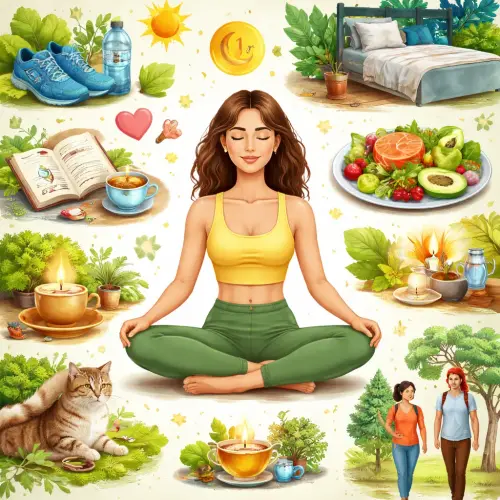
What You Need to Know About Healthy Habits That Reduce Anxiety and Improve Mood
Anxiety and low mood affect millions of people worldwide, but you don’t need a complete life overhaul to feel better. The most effective strategies are often the simplest: daily habits that support your brain chemistry, nervous system, and overall well-being. When you understand how daily routines improve mood, you can make intentional choices that reduce stress and increase feelings of calm and happiness. For a related guide, see 14 Doctor Approved Ways to Manage Anxiety Better.
The key is consistency — not perfection. Research from the American Psychological Association confirms that small, repeated behaviors can rewire your brain over time, lowering baseline anxiety and boosting resilience. This article breaks down 11 actionable habits you can start today.
How the 11 Habits Work Together for Emotional Balance
Each habit below targets a different aspect of mental health — from physical activity and sleep to social interaction and self-reflection. When combined, they create a powerful framework for emotional stability. Below, we explore each habit in depth, answering common questions like why does exercise help mental wellness and what foods support emotional balance.
1. Daily Movement: More Than Just a Workout
Exercise is one of the most researched natural ways to improve mental health. Even 20 minutes of brisk walking releases endorphins, dopamine, and serotonin — neurotransmitters that directly lift mood and reduce anxiety. Why does exercise help mental wellness? It lowers cortisol levels, improves blood flow to the brain, and provides a natural outlet for pent-up stress.
You don’t need a gym membership. Try:
- A 15-minute morning stretch or yoga flow
- A lunchtime walk outside
- Dancing to your favorite playlist for 10 minutes
2. Prioritize Quality Sleep Every Night
Sleep and mental health are deeply connected. How does sleep affect anxiety and stress? Poor sleep increases activity in the amygdala (the brain’s fear center) and disrupts emotional regulation. Aim for 7–9 hours of consistent sleep by setting a regular bedtime, reducing screen time an hour before sleep, and keeping your bedroom cool and dark.
If you struggle with racing thoughts at night, try a “brain dump” — write down everything on your mind before bed to reduce mental clutter.
3. Eat for Emotional Balance
What foods support emotional balance? The gut-brain axis means that your diet directly influences your mood. Omega-3 fatty acids (found in salmon, walnuts, and flaxseeds) reduce inflammation linked to depression. Complex carbohydrates (oats, quinoa, sweet potatoes) stabilize blood sugar and serotonin production. Fermented foods like yogurt, kimchi, and sauerkraut support gut health, which is tied to lower anxiety. For a related guide, see 14 Healthy Foods That Improve Mood and Reduce Tension.
Include what foods support emotional balance in your daily meals: leafy greens, berries, nuts, seeds, and lean protein. Avoid excessive sugar and processed foods, which can spike and crash your energy.
4. Stay Hydrated
How does hydration influence mood and energy? Even mild dehydration — a 1–2% loss of body water — can cause fatigue, irritability, and difficulty concentrating. The brain is about 75% water, so staying hydrated is one of the simplest natural ways to improve mental health. Keep a water bottle at your desk and drink at least 8 glasses per day, more if you exercise or live in a hot climate.
5. Practice Mindfulness Meditation
How can mindfulness reduce anxious thoughts? Mindfulness trains you to observe thoughts without judgment, breaking the cycle of worry and rumination. A 10-minute daily meditation has been shown to shrink the amygdala’s size and strengthen the prefrontal cortex — the part of the brain responsible for decision-making and calm. Apps like Headspace or Calm can help beginners get started.
6. Journal to Process Emotions
How can journaling improve emotional wellness? Writing down your thoughts helps you identify patterns, release pent-up emotions, and problem-solve more effectively. Try a “gratitude journal” where you list three things you’re thankful for each day. This simple practice shifts your brain’s focus from threats to positives, which directly supports Healthy Habits That Reduce Anxiety and Improve Mood.
7. Build Social Connections
How can social connection improve mental health? Humans are wired for connection. Loneliness increases cortisol and inflammation, while positive social interactions release oxytocin — the “bonding hormone.” Schedule regular phone calls, join a hobby group, or volunteer. Even a five-minute conversation with a friend can lower stress.
8. Establish Calming Morning and Evening Routines
What are calming routines for anxiety relief? Your brain craves predictability. A consistent morning routine (wake at the same time, stretch, drink water, eat breakfast) and a soothing evening routine (dim lights, read, avoid screens) signal safety to your nervous system. This is one of the most effective lifestyle changes that reduce stress levels.
9. Limit Caffeine and Alcohol
How can mindfulness reduce anxious thoughts? While not a direct mindfulness topic, being mindful of what you consume matters. Caffeine can spike anxiety and disrupt sleep; alcohol initially relaxes but later increases anxiety as it wears off. Replace one cup of coffee with herbal tea, and limit alcohol to moderate levels (one drink per day for women, two for men).
10. Practice Deep Breathing and Grounding
What are effective stress management techniques? Deep breathing activates the vagus nerve, which calms the fight-or-flight response. Try the 4-7-8 method: inhale for 4 seconds, hold for 7, exhale for 8. Grounding techniques — like naming five things you see around you — can also pull you out of anxious thoughts and into the present moment.
11. Adopt a Growth Mindset
How can people maintain a positive mindset naturally? A growth mindset — believing that challenges are opportunities to learn — reduces helplessness and boosts resilience. When you reframe negative self-talk (“I can’t handle this” becomes “I can learn to handle this”), you lower anxiety and build self-efficacy. This habit ties together all the others, helping you stay committed to your wellness journey.
Comparison Table: Healthy Habits That Reduce Anxiety and Improve Mood at a Glance
| Habit | Primary Benefit | Time Needed |
|---|---|---|
| Daily Movement | Lowers cortisol, boosts endorphins | 15–30 minutes |
| Quality Sleep | Regulates emotions, reduces stress | 7–9 hours |
| Balanced Nutrition | Stabilizes blood sugar, supports gut health | Meal planning |
| Hydration | Improves energy and focus | All day |
| Mindfulness | Reduces rumination, increases calm | 10 minutes |
| Journaling | Processes emotions, builds gratitude | 5–10 minutes |
| Social Connection | Releases oxytocin, reduces loneliness | Varies |
| Calming Routines | Signals safety to nervous system | 15 minutes each |
| Limit Caffeine and Alcohol | Prevents anxiety spikes | Mindful choices |
| Deep Breathing and Grounding | Activates relaxation response | 2–5 minutes |
| Growth Mindset | Builds resilience and self-efficacy | Ongoing |
Who Benefits Most From Natural Ways to Improve Mental Health?
These habits are designed for anyone feeling overwhelmed by stress, students juggling deadlines, busy professionals, parents managing family demands, remote workers struggling with isolation, and wellness readers seeking sustainable self-care strategies. Whether you’re new to natural ways to improve mental health or looking to deepen your practice, these habits offer a flexible framework that fits your lifestyle.
Useful Resources
Explore these trusted sources for more information on natural ways to improve mental health and how daily routines improve mood:
- National Institute of Mental Health — Caring for Your Mental Health
- Harvard Health — Exercise and Depression
Frequently Asked Questions About Healthy Habits That Reduce Anxiety and Improve Mood
What healthy habits reduce anxiety naturally?
Exercise, quality sleep, balanced nutrition, hydration, mindfulness, journaling, and social connection are among the most effective habits. They work by regulating stress hormones, supporting brain chemistry, and building emotional resilience.
How can daily routines improve mood?
Consistent routines reduce decision fatigue and create predictability, which calms the nervous system. When you automate healthy behaviors like exercise, meals, and sleep, you free up mental energy and stabilize your mood throughout the day.
Why does exercise help mental wellness?
Exercise releases endorphins, dopamine, and serotonin — natural mood elevators. It also lowers cortisol and provides a healthy distraction from anxious thoughts. Even moderate activity like walking has significant benefits.
What foods support emotional balance ?
Omega-3 fatty acids (salmon, walnuts, flaxseeds), complex carbohydrates (oats, quinoa), fermented foods (yogurt, kimchi), and leafy greens support brain health and stabilize mood. Avoid high-sugar and heavily processed foods.
How does sleep affect anxiety and stress?
Poor sleep increases amygdala activity and impairs emotional regulation. Sleep deprivation raises cortisol and makes you more reactive to stress. Prioritizing 7–9 hours of quality sleep is essential for anxiety reduction.
What are natural ways to improve mental health ?
Natural approaches include regular physical activity, a nutrient-rich diet, adequate sleep, mindfulness meditation, spending time in nature, social connection, and stress management techniques like deep breathing and journaling.
How can mindfulness reduce anxious thoughts?
Mindfulness teaches you to observe thoughts without judgment, reducing the power of anxious narratives. Regular practice shrinks the amygdala and strengthens the prefrontal cortex, making it easier to stay calm.
What habits support emotional stability?
Consistent sleep, regular movement, balanced meals, hydration, journaling, and social connection create a stable foundation. Avoiding excess caffeine and alcohol also helps prevent mood swings.
How does hydration influence mood and energy?
Even mild dehydration can cause fatigue, irritability, and brain fog. Water is essential for neurotransmitter production and nutrient transport, so staying hydrated keeps your energy and mood steady.
What are effective stress management techniques?
Deep breathing, progressive muscle relaxation, grounding exercises, time management, and physical activity are highly effective. Combining these with self-care routines maximizes their benefit.
How can journaling improve emotional wellness?
Journaling helps you process emotions, identify triggers, and gain perspective. Gratitude journaling specifically shifts focus to positive experiences, which reduces anxiety and lifts mood over time.
What are calming routines for anxiety relief?
Morning routines (sunlight exposure, hydration, gentle movement) and evening routines (dim lights, no screens, reading or meditation) signal safety to your brain. Consistency is more important than complexity.
How can social connection improve mental health?
Positive social interactions lower cortisol and increase oxytocin. Belonging to a community reduces feelings of isolation and provides emotional support, which buffers against stress and anxiety.
What lifestyle changes reduce stress levels?
Setting boundaries, reducing screen time, delegating tasks, incorporating regular movement, and prioritizing sleep are powerful lifestyle changes. Small, consistent adjustments yield lasting results.
How can people maintain a positive mindset naturally?
Cultivate gratitude, practice self-compassion, reframe negative thoughts, and focus on what you can control. A growth mindset — seeing challenges as opportunities — helps maintain optimism even during difficult times.
How long does it take to see results from these habits?
Some benefits — like improved mood after exercise — are immediate. Long-term changes in anxiety levels often take 2–4 weeks of consistent practice. Patience and persistence are key.
Can these habits replace therapy or medication?
Healthy habits complement professional treatment but should not replace it. If you have severe anxiety or depression, consult a mental health professional. These habits are a supportive part of a broader wellness plan.
Which habit is most important for anxiety?
Regular physical activity is often cited as the most impactful because it addresses both physical and mental aspects of anxiety. However, consistent sleep and mindfulness are equally foundational for many people.
How can I remember to practice these habits daily?
Start with one habit and link it to an existing routine. For example, journal after your morning coffee or walk right after lunch. Use phone reminders or habit-tracking apps to stay accountable.
What if I miss a day or fall off track?
Perfection is not the goal. Just pick up the habit again the next day. Consistency over weeks and months matters far more than never missing a day. Be kind to yourself and keep going.