Essential Vitamins Your Body Needs for Better Health Key Takeaways
Vitamins are organic compounds that your body requires in small amounts to function properly.
- There are 13 essential vitamins your body needs for better health ; this article covers the core 15 most vital ones including biotin and choline.
- Vitamins are classified as fat-soluble (A, D, E, K) or water-soluble (B-complex and C), which affects how they are stored and used.
- Deficiencies can lead to symptoms like fatigue, poor immunity, and skin issues, but a balanced diet usually prevents these problems.
What Are the 15 Essential Vitamins Your Body Needs for Better Health?
Understanding essential vitamins your body needs for better health begins with knowing what each vitamin does and where to find it. These nutrients are vital because they cannot be synthesized by the body in sufficient amounts; they must come from food or supplements. Below is a detailed breakdown of each vitamin, its role, top food sources, and symptoms of deficiency.
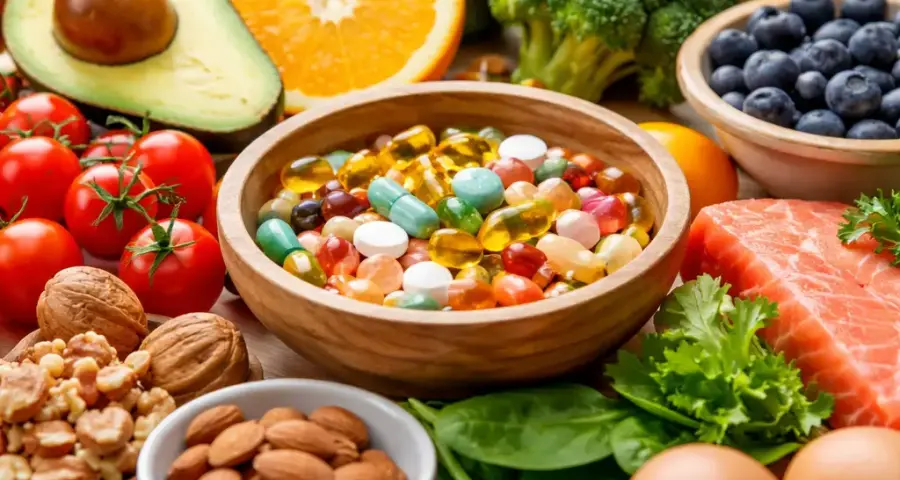
Vitamin A: Vision, Immunity, and Skin
Vitamin A supports vision, particularly night vision, and helps maintain healthy skin and mucous membranes. It also plays a key role in immune function. Good sources include carrots, sweet potatoes, spinach, and liver. A deficiency can cause night blindness, dry skin, and increased infection risk. The daily vitamin requirement for adults is about 700–900 micrograms (RAE) per day.
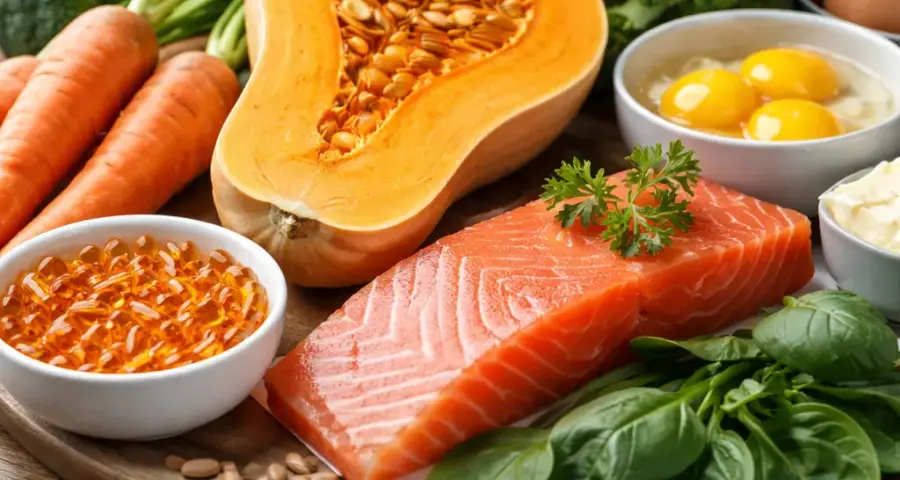
Vitamin B1 (Thiamine): Energy Metabolism
Thiamine helps convert carbohydrates into energy and supports nerve function. Found in whole grains, pork, fish, and legumes, a deficiency leads to fatigue, muscle weakness, and beriberi. Adults need about 1.1–1.2 mg daily.
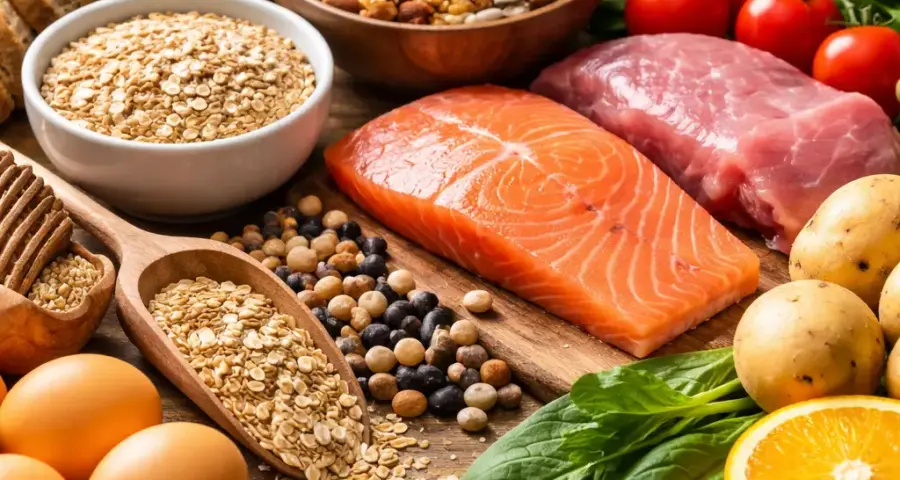
Vitamin B2 (Riboflavin): Energy and Skin Health
Riboflavin is essential for energy production and skin health. It also acts as an antioxidant. Milk, yogurt, eggs, and green leafy vegetables are rich sources. A deficiency causes cracks in the corners of the mouth and sore throat. Recommended intake is 1.1–1.3 mg per day.
Vitamin B3 (Niacin): Metabolism and Nervous System
Niacin supports metabolism, DNA repair, and nervous system function. Chicken, turkey, tuna, and peanuts provide niacin. Pellagra is a severe deficiency disease characterized by dermatitis, diarrhea, and dementia. Adults require 14–16 mg daily.
Vitamin B5 (Pantothenic Acid): Hormone Production
Pantothenic acid is vital for synthesizing coenzyme A, which is involved in fatty acid metabolism and hormone production. It is found in almost all foods, especially avocados, mushrooms, and eggs. Deficiency is rare but can cause fatigue and numbness. Adequate intake is about 5 mg per day.
Vitamin B6 (Pyridoxine): Brain Health and Immunity
Pyridoxine supports brain development, mood regulation, and immune function. Chickpeas, poultry, bananas, and potatoes are excellent sources. Low levels are linked to depression, confusion, and weakened immunity. Adults need 1.3–1.7 mg daily.
Vitamin B7 (Biotin): Hair, Skin, and Nails
Biotin is famous for promoting healthy hair, skin, and nails. It also aids in carbohydrate and fat metabolism. Egg yolks, nuts, seeds, and sweet potatoes contain biotin. Deficiency causes hair thinning, brittle nails, and rash. Adequate intake for adults is 30 micrograms per day.
Vitamin B9 (Folate): Cell Division and Pregnancy
Folate is crucial for DNA synthesis, cell division, and fetal development. Dark leafy greens, legumes, asparagus, and fortified grains are rich in folate. Deficiency during pregnancy increases the risk of neural tube defects. Adults need 400 micrograms daily, with 600 mcg recommended during pregnancy.
Vitamin B12 (Cobalamin): Nerve Function and Blood Cells
Vitamin B12 is essential for nerve tissue health, red blood cell formation, and DNA synthesis. It is found naturally only in animal products like meat, fish, dairy, and eggs. Deficiency causes pernicious anemia, fatigue, and neurological issues. Vegans should consider fortified foods or supplements. Adults require 2.4 micrograms per day.
Vitamin C: Immunity and Collagen
Vitamin C is a powerful antioxidant that supports the immune system, collagen production, and iron absorption. Citrus fruits, bell peppers, strawberries, and broccoli are top sources. Scurvy, characterized by bleeding gums and fatigue, results from severe deficiency. The recommended intake is 75–90 mg daily for adults.
Vitamin D: Bone Health and Immunity
Vitamin D helps the body absorb calcium, making it essential for bone strength. It also modulates immune function. Sunlight exposure triggers skin synthesis, and food sources include fatty fish, fortified milk, and egg yolks. Deficiency leads to rickets in children and osteomalacia in adults. Adults need 600–800 IU (15–20 micrograms) per day.
Vitamin E: Antioxidant Protection
Vitamin E protects cell membranes from oxidative damage and supports immune function. Nuts, seeds, spinach, and vegetable oils are rich in vitamin E. Deficiency is rare but can cause nerve damage. Daily requirement is 15 mg for adults.
Vitamin K: Blood Clotting and Bone Metabolism
Vitamin K is necessary for blood clotting and helps direct calcium to bones. Green leafy vegetables like kale, spinach, and broccoli are excellent sources. Deficiency can cause easy bruising and bleeding. Adequate intake for adults is 90–120 micrograms per day.
Choline: Brain and Liver Function
Though not technically a vitamin, choline is an essential nutrient often grouped with the B vitamins. It supports brain development, nerve function, and liver health. Eggs, meat, fish, and soybeans provide choline. Deficiency may contribute to liver damage and neurological issues. Adequate intake is 425–550 mg per day.
Biotin (already covered as B7) and Inositol
Biotin is listed above. Inositol is another nutrient sometimes considered vitamin-like; it influences insulin signaling and neurotransmitter function. Sources include whole grains, citrus, and beans. Though not formally a vitamin, it supports metabolic health.
Why Are Vitamins Important for Overall Health?
Vitamins are vital because they act as cofactors for enzymes that drive hundreds of biochemical reactions. Without adequate vitamins, your body cannot produce energy, repair tissues, or fight infections effectively. For athletes and active individuals, best vitamins for energy include B-complex vitamins and vitamin C. For students and professionals needing mental clarity, vitamins for brain health such as B6, B12, and folate play a key role. Even vitamins for skin health like A, C, and E help maintain a youthful appearance. For a related guide, see Immune System: Daily Habits to Boost Health.
Fat-Soluble vs Water-Soluble Vitamins: What’s the Difference?
The distinction between fat-soluble and water-soluble vitamins affects how your body stores and uses them. Here is a clear comparison:
| Property | Fat-Soluble Vitamins | Water-Soluble Vitamins |
|---|---|---|
| List of Vitamins | A, D, E, K | B-complex (B1, B2, B3, B5, B6, B7, B9, B12) and C |
| Storage in Body | Stored in liver and adipose tissue | Not stored (excess excreted in urine) |
| Need for Daily Intake | Less critical; can last days to months | Recommended daily intake is important |
| Risk of Toxicity | Higher risk if taken in excess | Low risk; excess is typically removed |
| Best Absorption | With dietary fat | With water, on an empty stomach or with small meals |
Understanding this difference helps you plan your meals. For example, a salad with spinach (vitamin K) and avocado (healthy fat) improves absorption. Similarly, vitamin absorption in the body for water-soluble vitamins is more efficient in smaller, frequent doses.
How Do Essential Vitamins Support the Immune System?
Vitamins play a direct role in immune defense. Immune system vitamins like vitamin C, D, and B6 support the production and activity of white blood cells. Vitamin A maintains mucosal barriers in the respiratory tract. Zinc is a mineral, but it works alongside vitamins to enhance immunity. A deficiency in any of these can weaken your body’s ability to fight off common illnesses like colds and flu. For a related guide, see Immunity Foods: Top Picks for Better Defense.
What Foods Are Rich in Essential Vitamins?
A vitamin-rich food list should include colorful fruits and vegetables, lean proteins, whole grains, and healthy fats. Here are some top examples:
- Vitamin A: Carrots, sweet potatoes, spinach, cantaloupe
- Vitamin C: Oranges, strawberries, kiwi, red bell peppers
- Vitamin D: Salmon, mackerel, fortified milk, egg yolks
- Vitamin E: Almonds, sunflower seeds, hazelnuts
- Vitamin K: Kale, broccoli, Brussels sprouts
- B-complex: Whole grains, legumes, poultry, bananas
For a healthy diet vitamins checklist, aim to eat at least five servings of fruits and vegetables per day, include lean protein, and choose whole grains over refined ones.
How Can Vitamin Deficiency Affect the Body?
Vitamin deficiency symptoms range from mild to severe. Common signs include chronic fatigue, frequent infections, poor wound healing, brittle nails, and hair loss. For example, a lack of vitamin B12 can cause nerve damage and memory loss, while low vitamin D leads to bone pain and muscle weakness. If you experience such symptoms, consider consulting a healthcare professional and assessing your diet.
What Are the Best Daily Vitamins for Energy and Immunity?
For energy, focus on the B-complex vitamins (especially B1, B2, B3, B5, B6, B12) and vitamin C. For immunity, vitamins A, C, D, and E are most important. Many people find a high-quality multivitamin helpful, but it is always better to obtain nutrients from food first. Vitamin supplements vs food sources: whole foods provide fiber, antioxidants, and synergistic compounds that supplements cannot fully replicate.
How Do I Know If I Have a Vitamin Deficiency?
Signs of deficiency include fatigue, pale skin, shortness of breath, tingling in the hands or feet, frequent infections, and slow wound healing. Blood tests performed by your doctor can confirm deficiencies. If you are unsure about your intake, keeping a food diary for a week can reveal gaps. For personalized advice, consult a registered dietitian.
Which Vitamins Are Most Important for Brain Health?
Brain function vitamins include vitamin B6, B9, B12, and C. They help produce neurotransmitters, reduce inflammation, and protect against cognitive decline. Omega-3 fatty acids also support brain health, but they are not vitamins. Adults over 50 may benefit from extra B12 due to reduced absorption.
How Can Vitamins Improve Skin, Hair, and Nail Health?
For vitamins for hair skin nails, prioritize biotin, vitamin C, and vitamin E. Biotin strengthens keratin, C supports collagen, and E protects cell membranes. Vitamin A helps with skin repair, while B-complex vitamins improve circulation to hair follicles. A consistent intake of these skin health nutrients can enhance appearance and resilience.
What Are the Symptoms of Low Vitamin Intake?
Low intake over time leads to vague symptoms that often go unnoticed. These include tiredness, irritability, poor concentration, dry skin, and increased bruising. More specific signs like cracks at the corners of the mouth may indicate riboflavin (B2) deficiency, while bleeding gums suggest vitamin C deficiency. Paying attention to these signals can help you adjust your diet early.
What Is the Best Way to Get Vitamins Naturally from Food?
The best approach is to eat a varied diet that includes plenty of fruits, vegetables, whole grains, lean protein, and healthy fats. Natural vitamin sources are more bioavailable and contain co-factors that enhance absorption. For example, the vitamin C in an orange improves non-heme iron absorption from spinach. Aim to build a vitamin rich diet plan with foods from every color group.
Do I Need Vitamin Supplements or Just a Healthy Diet?
For most healthy individuals, a balanced diet provides sufficient vitamins. However, certain populations may need supplements: pregnant women (folic acid), older adults (B12 and D), vegans (B12), and people with malabsorption issues. Vitamin supplements vs food sources — supplements can fill gaps but should not replace whole foods. Over-reliance on supplements can lead to imbalances or even toxicity with fat-soluble vitamins.
Which Vitamins Help Improve Metabolism?
Metabolic health nutrients include B-complex vitamins (especially B1, B2, B3, B5, B7) and vitamin C. They act as coenzymes in energy production pathways. Vitamins for metabolism work best when combined with regular physical activity and adequate hydration. A deficiency in these vitamins can slow down metabolism, leading to fatigue and weight gain.
How Do Vitamins Support Bone Health and Strength?
Bone health vitamins primarily include vitamin D (calcium absorption), vitamin K (bone mineralization), and vitamin C (collagen synthesis). Bone strengthening nutrients also require adequate calcium and magnesium. For children, vitamin D is critical for proper bone growth; for older adults, it helps prevent osteoporosis.
What Are the Risks of Taking Too Many Vitamins?
Excessive intake of fat-soluble vitamins (A, D, E, K) can lead to toxicity because they accumulate in the body. Vitamin A toxicity causes liver damage and birth defects; vitamin D excess leads to hypercalcemia and kidney stones. Water-soluble vitamins are safer, but megadoses of B6 over time can cause nerve damage. Always follow recommended daily intakes and consult a healthcare provider before high-dose supplementation.
Which Vitamins Are Essential for Children and Adults?
Both children and adults require the same core vitamins, but amounts differ. Essential vitamins for health in children support growth and development; for adults, they maintain tissue repair and prevent age-related decline. Pregnant women need extra folate and iron. Older adults benefit from higher vitamin D and B12 to offset absorption decline.
How Can I Balance My Daily Vitamin Intake?
Vitamin balance in diet involves eating a rainbow of foods each day. Use this simple checklist:
- Breakfast: fortified cereal or eggs + fruit
- Lunch: salad with leafy greens, colorful vegetables, and lean protein
- Snack: nuts or yogurt
- Dinner: whole grain, fish or chicken, steamed vegetables
Consider a daily nutrition intake tracker app for a few weeks to see where you might be missing key nutrients.
What Role Do Vitamins Play in Preventing Diseases?
Disease prevention nutrition relies on vitamins that act as antioxidants (C, E, beta-carotene) to reduce oxidative stress and inflammation. Adequate vitamin D is linked to lower risk of autoimmune conditions. Folate reduces the risk of neural tube defects. While no vitamin guarantees prevention, consistent intake lowers your overall risk profile.
How Do Vitamins Interact with Minerals in the Body?
Vitamins and minerals work synergistically. For example, vitamin C enhances iron absorption; vitamin D helps absorb calcium and phosphorus; vitamin K regulates calcium deposition in bones. Vitamin synergy with minerals means that a deficiency in one can affect the utilization of another. Pair foods to maximize absorption — for instance, add lemon juice to spinach salads to improve iron uptake.
Practical Tips for Integrating Essential Vitamins into Daily Life
Here are actionable strategies for every audience segment:
- For busy professionals: Batch-cook meals with vitamin-rich vegetables; keep nuts and seeds at your desk for snacks.
- For athletes: Focus on B vitamins for energy and vitamin C for recovery post-workout.
- For parents: Include a variety of colorful fruits at snack time; use fortified cereals for breakfast.
- For older adults: Check B12 and D levels annually; consider fortified dairy alternatives.
- For vegans: Use fortified plant milks, nutritional yeast for B12, and include sunflower seeds for vitamin E.
Essential nutrients list is not just about avoiding deficiency — it is about thriving. A balanced diet covers most bases, but informed choices make the difference.
Useful Resources
For deeper reading on vitamin functions and food sources, explore these external resources:
- National Institutes of Health: Vitamin and Mineral Fact Sheets — Comprehensive, evidence-based information on each vitamin’s role, dosages, and safety.
- Harvard Health Publishing: A Guide to the Essential Vitamins — Practical advice on meeting daily needs through diet and when supplements are appropriate.
Frequently Asked Questions About Essential Vitamins Your Body Needs for Better Health
What are the 15 essential vitamins your body needs for better health ?
The 15 essential vitamins most commonly referenced include vitamin A, B1, B2, B3, B5, B6, B7 (biotin), B9 (folate), B12, C, D, E, K, plus choline and biotin sometimes counted separately. They cover energy metabolism, immune function, and structural health.
Why are vitamins important for overall health?
Vitamins regulate hundreds of chemical reactions in the body, from converting food into energy to building bone tissue. Without them, critical processes slow down or fail, leading to disease and poor quality of life.
How do essential vitamins support the immune system?
Vitamins A, C, D, and B6 support immune cell production and function. Vitamin A maintains barrier tissues, C acts as an antioxidant, D modulates immune responses, and B6 aids antibody production.
What foods are rich in essential vitamins?
Leafy greens (A, K, folate), citrus fruits (C), nuts and seeds (E), fatty fish (D), eggs (B12, D), whole grains (B1, B2, B3), and legumes (B6, folate) are dense sources.
How can vitamin deficiency affect the body?
Deficiencies cause fatigue, weakened immunity, bone pain, skin issues, and neurological problems. Severe or prolonged deficiency can lead to diseases like scurvy, rickets, or beriberi.
What are the best daily vitamins for energy and immunity?
B-complex vitamins (especially B1, B2, B3, B5, B12) and vitamin C support energy production. Vitamins A, C, D, and E are key for immune strength.
How do I know if I have a vitamin deficiency?
Common signs include persistent fatigue, pale skin, brittle nails, frequent infections, and mood changes. Blood tests from a healthcare provider can confirm deficiencies.
What is the difference between fat-soluble and water-soluble vitamins ?
Fat-soluble vitamins (A, D, E, K) dissolve in fat and are stored in tissues, so they do not need daily intake. Water-soluble vitamins (B-complex, C) dissolve in water and must be consumed regularly.
Which vitamins are most important for brain health?
Vitamin B6, B9 (folate), B12, and vitamin C are crucial for neurotransmitter production and protection against cognitive decline.
How can vitamins improve skin, hair, and nail health?
Biotin strengthens nails and hair; vitamin C supports collagen; vitamin E protects cell membranes; vitamin A aids skin repair.
What are the symptoms of low vitamin intake?
Common symptoms include fatigue, dry skin, hair loss, cracks at the corners of the mouth, bleeding gums, and poor wound healing.
What is the best way to get vitamins naturally from food?
Eat a diet rich in fruits, vegetables, whole grains, lean proteins, and healthy fats. Variety ensures you cover all necessary vitamins.
Do I need vitamin supplements or just a healthy diet?
Most people can meet their needs through diet. Supplements are helpful for specific deficiencies, pregnancy, vegan diets, and older age.
Which vitamins help improve metabolism?
B-complex vitamins (B1, B2, B3, B5, B7) directly support metabolic processes by acting as coenzymes in energy production.
How do vitamins support bone health and strength?
Vitamin D promotes calcium absorption, vitamin K directs calcium to bones, and vitamin C aids collagen formation for bone structure.
What are the risks of taking too many vitamins?
Excess fat-soluble vitamins can cause toxicity, leading to liver damage, kidney stones, or nerve damage. Water-soluble vitamins are safer but megadoses are still risky.
Which vitamins are essential for children and adults?
Both groups need all 13 vitamins. Children require adequate B12 and D for growth; adults need B6 and B12 for nerve health and D for bone density.
How can I balance my daily vitamin intake?
Plan meals around a variety of whole foods, include different colors, and consider a daily multivitamin if you have dietary gaps.
What role do vitamins play in preventing diseases?
Antioxidant vitamins (C, E, A) reduce oxidative stress; vitamin D lowers autoimmune risk; folate prevents birth defects; B6 and B12 support cardiovascular health.
How do vitamins interact with minerals in the body?
Vitamin C boosts iron absorption; vitamin D regulates calcium; vitamin K controls calcium deposition; B6 aids magnesium transport.