
Essential Neurology Concepts Key Takeaways
Neurology can feel overwhelming, but mastering a core set of essential neurology concepts gives you the confidence to approach the nervous system systematically.
- Essential neurology concepts start with neuron structure and the action potential, the fundamental unit of all nervous system activity.
- Understanding brain and spinal cord anatomy , along with major pathways, is the foundation of clinical localization.
- Key neurological disorders like stroke, epilepsy, and multiple sclerosis illustrate how pathophysiology shapes diagnosis and treatment.
What Are the Core Essential Neurology Concepts?
Every medical student begins their neurology journey with a set of foundational ideas that unify the entire specialty. These essential neurology concepts range from microscopic neuron communication to macroscopic brain organization. By internalizing these principles early, you will find it easier to interpret clinical findings, understand pathological processes, and prepare for board exams.
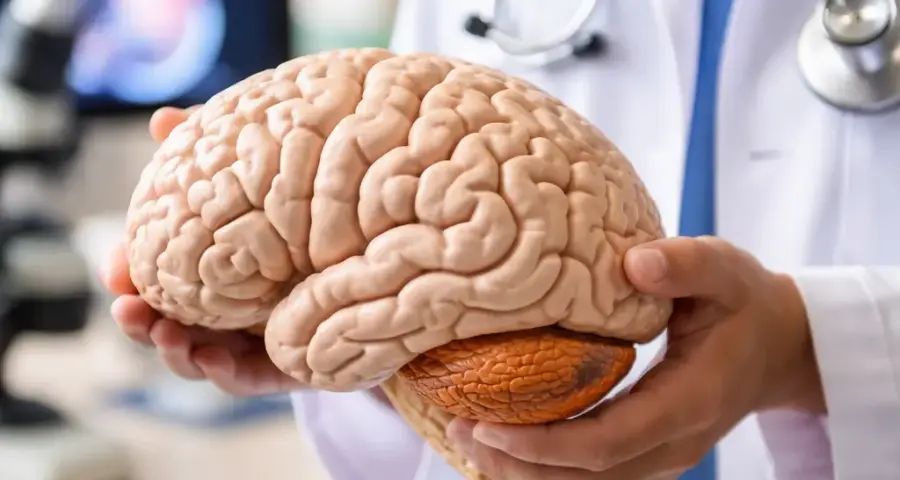
The nervous system is built for rapid, precise signaling. A deep grasp of medical student neurology topics such as synaptic transmission, receptor function, and neural circuits allows you to predict how disruptions cause symptoms. This article walks through ten pillars that support all of clinical neurology fundamentals.
Concept 1: Neuron Structure and the Action Potential
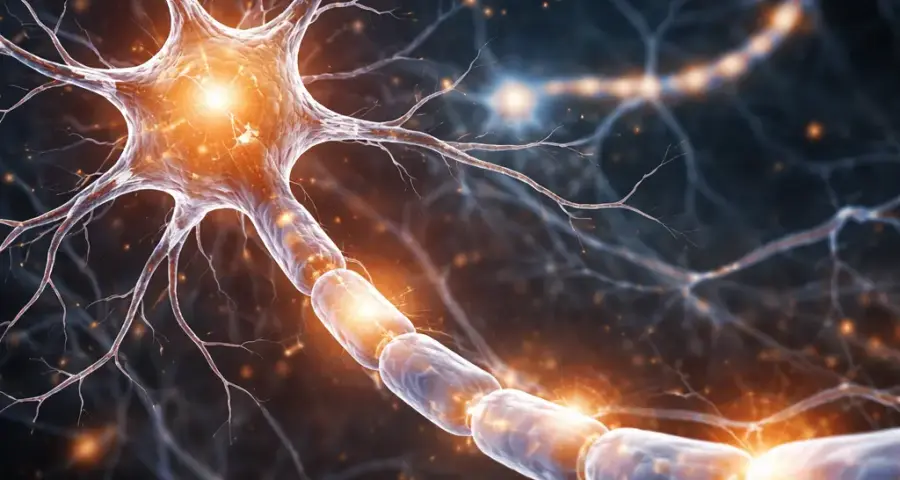
The neuron is the functional unit of the nervous system. Its specialized structure—dendrites, soma, axon, and synaptic terminals—supports the generation and propagation of electrical signals. The action potential is an all-or-none event driven by voltage-gated sodium and potassium channels.
How Neurons Communicate
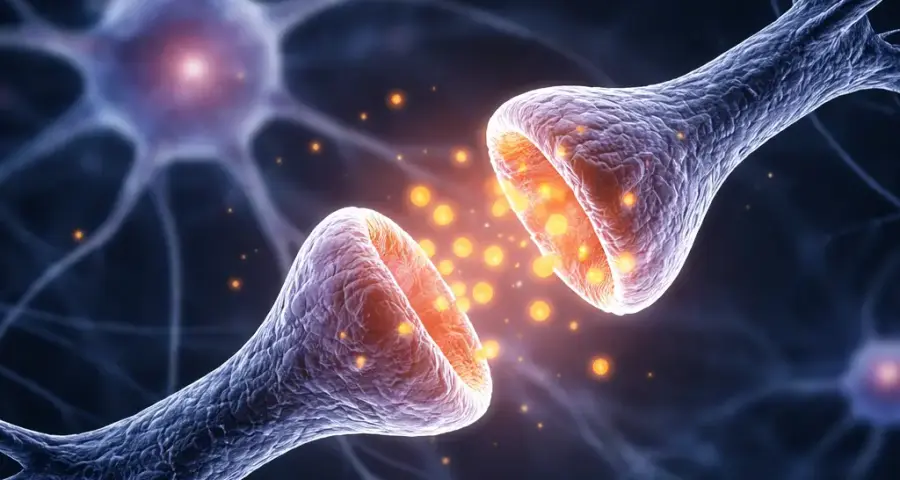
When a stimulus depolarizes the membrane to threshold, sodium channels open, causing rapid depolarization. Potassium channels then repolarize the cell. This wave travels down the axon to the presynaptic terminal, where it triggers neurotransmitter release. Understanding this process is central to neuron communication pathways. For a related guide, see 9 Key Minerals Your Body Needs to Function Well.
Clinical Application of Action Potentials
Local anesthetics like lidocaine block sodium channels, preventing action potential propagation and pain perception. Demyelinating diseases, such as multiple sclerosis, slow or block conduction, leading to weakness and sensory loss.
Concept 2: Synaptic Transmission and Neurotransmitters
Synaptic transmission converts an electrical signal into a chemical one. Vesicles release neurotransmitters into the synaptic cleft, where they bind to postsynaptic receptors. This process can be excitatory (e.g., glutamate) or inhibitory (e.g., GABA).
Key Neurotransmitter Systems
Medical students should know the major transmitter pathways: dopaminergic (movement, reward), serotonergic (mood, sleep), cholinergic (memory, autonomic), and noradrenergic (arousal, fight-or-flight). Dysregulation in these systems underlies many psychiatric and neurological conditions.
Study Tip
Draw a simple diagram of a synapse with labels for the presynaptic terminal, synaptic vesicles, cleft, and postsynaptic receptors. Add one excitatory and one inhibitory transmitter pathway to reinforce the concept.
Concept 3: Brain and Spinal Cord Anatomy
Knowing the gross and functional anatomy of the central nervous system is non-negotiable. The brain consists of the cerebrum (lobes, basal ganglia, limbic system), cerebellum, and brainstem. The spinal cord contains ascending sensory tracts and descending motor tracts.
Cerebral Cortex Functions
The frontal lobe governs executive function and voluntary movement; the parietal lobe processes sensation; the temporal lobe handles hearing and memory; the occipital lobe processes vision. Localizing a lesion to the correct lobe is a fundamental clinical neurology fundamental.
Brainstem and Spinal Cord Roles
The brainstem houses cranial nerve nuclei and vital centers (respiratory, cardiovascular). The spinal cord transmits information between brain and body and mediates reflexes. Understanding these structures helps you interpret neurological examination basics like pupillary light reflex and deep tendon reflexes.
Concept 4: The Neurological Examination Basics
The neurological exam systematically evaluates the nervous system: mental status, cranial nerves, motor system, sensory system, reflexes, coordination, and gait. Each component tests specific neural structures.
Essential Exam Steps
- Mental status: Assess alertness, orientation, language, and memory.
- Cranial nerves: Test each of the 12 nerves—smell (I), visual fields (II), pupillary response (III), eye movements (III, IV, VI), facial sensation (V), facial movement (VII), hearing (VIII), swallowing (IX, X), shoulder shrug (XI), tongue protrusion (XII).
- Motor: Check bulk, tone, and strength.
- Sensory: Evaluate light touch, pain, temperature, vibration, and proprioception.
- Reflexes: Test deep tendon reflexes (biceps, triceps, patellar, Achilles) and plantar response.
- Coordination and gait: Perform finger-to-nose, heel-to-shin, and observe walking.
Mastering this exam is a priority for every medical student because it guides localization and differential diagnosis.
Concept 5: Motor and Sensory Pathways
The corticospinal (pyramidal) tract carries voluntary motor commands from the motor cortex to spinal motor neurons. Sensory pathways include the dorsal column-medial lemniscus pathway (fine touch, vibration, proprioception) and the spinothalamic tract (pain, temperature).
Localizing Lesions
A lesion in the left motor cortex causes right-sided weakness. A spinal cord hemisection (Brown-Séquard syndrome) produces ipsilateral loss of motor function and proprioception below the lesion, with contralateral loss of pain and temperature. These patterns are classic medical student neurology topics.
Concept 6: The Reflex Arc and Spinal Reflexes
The reflex arc is the simplest neural circuit. A sensory neuron detects a stimulus, synapses in the spinal cord, and activates a motor neuron directly (monosynaptic) or through an interneuron (polysynaptic). The patellar reflex is a classic monosynaptic example.
Clinical Significance
Hyperreflexia suggests upper motor neuron lesions; hyporeflexia indicates lower motor neuron or peripheral nerve pathology. The Babinski sign (upgoing toe) is an upper motor neuron sign that every student must recognize.
Concept 7: Neuroplasticity Basics
Neuroplasticity refers to the brain’s ability to reorganize itself by forming new neural connections throughout life. This occurs during learning, after injury, and in response to environmental changes.
Mechanisms of Plasticity
Synaptic plasticity involves long-term potentiation (LTP) and long-term depression (LTD), which strengthen or weaken synapses. Structural plasticity includes dendritic sprouting and synaptogenesis. These concepts are vital for understanding recovery after stroke or TBI and for rehabilitation strategies.
Concept 8: Cerebrovascular Anatomy and Stroke Pathophysiology
The brain receives blood via the internal carotid and vertebral arteries, which form the Circle of Willis. Stroke is a leading cause of disability and death. Ischemic strokes (85%) result from thrombus or embolus; hemorrhagic strokes (15%) result from vessel rupture.
Key Stroke Syndromes
Middle cerebral artery (MCA) stroke causes contralateral weakness and sensory loss, with gaze preference toward the lesion. Lacunar strokes affect deep structures like basal ganglia and thalamus. Recognizing these patterns is a core part of clinical neurology fundamentals. For a related guide, see 14 Doctor Approved Supplements Worth Taking Daily.
Concept 9: Epilepsy Basics Understanding
Epilepsy is a disorder of recurrent, unprovoked seizures due to abnormal synchronous neuronal activity. Seizures are classified as focal (originating in one hemisphere) or generalized (involving both hemispheres).
Pathophysiology and Treatment
An imbalance between excitatory (glutamatergic) and inhibitory (GABAergic) transmission underlies seizure generation. Antiepileptic drugs work by enhancing inhibition (e.g., benzodiazepines) or reducing excitation (e.g., phenytoin). Status epilepticus is a medical emergency requiring immediate intervention.
Concept 10: Multiple Sclerosis Concepts
Multiple sclerosis (MS) is a chronic autoimmune demyelinating disease of the central nervous system. It presents with episodes of neurological deficits separated in time and space.
Pathophysiology
Immune cells attack oligodendrocytes, destroying myelin sheaths and forming plaques. This disrupts saltatory conduction, causing symptoms like optic neuritis, weakness, numbness, and ataxia. Disease-modifying therapies reduce relapse frequency and slow progression.
How to Master Essential Neurology Concepts for Exams
Studying neurology effectively requires active learning strategies. Here are tips to solidify these essential neurology concepts:
- Create concept maps linking anatomy, function, and pathology.
- Practice the neurological exam on classmates or standardized patients.
- Use mnemonics for cranial nerves and brainstem nuclei.
- Work through clinical cases to apply localization principles.
- Review high-yield board question banks focusing on medical student neurology topics.
Consistent, spaced repetition of these clinical neurology fundamentals will help you retain the information long-term.
Useful Resources
For deeper study, explore these authoritative sources:
- NCBI Bookshelf: Clinical Neurology for Medical Students – Comprehensive, peer-reviewed textbook resource.
- American Academy of Neurology (AAN) – Access clinical guidelines, case studies, and educational materials for trainees.
Frequently Asked Questions About Essential Neurology Concepts
What are the 10 essential neurology concepts every medical student must know?
The ten core concepts include neuron structure and action potential, synaptic transmission, brain and spinal cord anatomy, neurological exam basics, motor and sensory pathways, reflex arcs, neuroplasticity, stroke pathophysiology, epilepsy, and multiple sclerosis.
What are the basic principles of neurology for beginners?
Start with neuron communication, central nervous system anatomy, and the neurological exam. Focus on understanding localization—where a lesion is based on symptoms—and the major disease categories like vascular, demyelinating, and degenerative.
How does the nervous system function in simple terms?
The nervous system detects environmental changes via sensory neurons, processes information in the brain and spinal cord, and sends commands via motor neurons to muscles and glands. This input-integration-output loop controls everything from reflexes to complex thought.
What are the most important neurological disorders to study?
Stroke, epilepsy, multiple sclerosis, Parkinson’s disease, Alzheimer’s disease, migraine, spinal cord injury, peripheral neuropathy, brain tumors, and meningitis are high-yield for medical students because they illustrate key pathophysiological mechanisms.
What are the core concepts of brain and nerve function?
Core concepts include neuronal excitability, synaptic transmission, neural circuit organization, sensory and motor pathway segregation, cortical localization, and the role of glial cells in homeostasis and myelination.
How do neurons communicate in the nervous system?
Neurons communicate via electrochemical signals. An action potential travels down the axon, triggers neurotransmitter release at the synapse, and the neurotransmitter binds to receptors on the next neuron, generating a postsynaptic potential.
What are common neurological examination findings?
Common findings include nystagmus (abnormal eye movements), pronator drift (upper motor neuron sign), hyperreflexia or hyporeflexia, sensory level (spinal cord lesion), ataxia (cerebellar dysfunction), and abnormal Babinski sign (upper motor neuron lesion).
What should medical students focus on in neurology?
Focus on neuroanatomy, localization, the neurological exam, and high-yield diseases. Understanding how anatomy predicts symptoms is more valuable than memorizing isolated facts. Practice with clinical vignettes to apply these essential neurology concepts.
What are key topics in clinical neurology?
Key topics include stroke, headache disorders, epilepsy, movement disorders, dementia, neuromuscular diseases, spinal cord disorders, infectious diseases of the nervous system, and neuro-oncology.
How do you understand brain anatomy and function easily?
Use a combination of labeled diagrams, 3D models (physical or digital), and clinical cases. Learn the major lobes, their primary functions, and key white matter tracts. Relate each structure to a specific symptom when damaged.
What is the difference between the central and peripheral nervous system?
The central nervous system (CNS) consists of the brain and spinal cord. The peripheral nervous system (PNS) includes all nerves and ganglia outside the CNS. The PNS connects the CNS to the limbs and organs.
What are the main parts of a neuron?
A neuron has dendrites (receive signals), a cell body (soma) containing the nucleus, an axon (conducts impulses), and synaptic terminals (release neurotransmitters). Myelin sheaths along the axon speed conduction.
What is the role of myelin in the nervous system?
Myelin is an insulating layer produced by oligodendrocytes (CNS) and Schwann cells (PNS). It speeds action potential propagation via saltatory conduction and prevents signal spread to adjacent axons.
What are the cranial nerves and their main functions?
The 12 cranial nerves serve sensory, motor, or both functions: I (olfaction), II (vision), III (eye movement, pupil), IV (eye movement), V (facial sensation, mastication), VI (eye abduction), VII (facial movement, taste), VIII (hearing, balance), IX (taste, swallowing), X (autonomic, swallowing, speech), XI (shoulder shrug), XII (tongue movement).
What is the blood-brain barrier?
The blood-brain barrier (BBB) is a selective permeability barrier formed by tight junctions between endothelial cells of brain capillaries. It protects the brain from toxins and pathogens while allowing essential nutrients through.
What are the basal ganglia and what do they do?
The basal ganglia are a group of subcortical nuclei (caudate, putamen, globus pallidus, substantia nigra, subthalamic nucleus) that regulate voluntary movement. Dysfunction leads to movement disorders like Parkinson’s (hypokinesia) or Huntington’s (hyperkinesia).
What is the limbic system?
The limbic system (hippocampus, amygdala, cingulate gyrus, hypothalamus) is involved in emotion, memory, and motivation. The hippocampus is critical for forming new long-term memories; the amygdala processes fear and aggression.
How does the autonomic nervous system work?
The autonomic nervous system (ANS) regulates involuntary functions via two divisions: sympathetic (fight-or-flight) and parasympathetic (rest-and-digest). It controls heart rate, digestion, respiratory rate, pupillary response, and more.
What is a stroke and what are the main types?
A stroke is a sudden interruption of blood supply to the brain. Ischemic stroke (most common) is caused by a clot; hemorrhagic stroke is caused by a ruptured blood vessel. Both result in brain tissue damage and neurological deficits.
What is neuroplasticity and why is it important?
Neuroplasticity is the brain’s ability to reorganize structure and function in response to experience, learning, or injury. It underlies rehabilitation after brain injury and is the basis for skill acquisition throughout life.