
Proven Nutrients for Better Health Key Takeaways
Recovery isn’t just about rest—it’s about giving your body the proven nutrients for better health that directly support tissue repair, reduce inflammation, and restore energy.
- Proven nutrients for better health like protein, vitamin C, zinc, and omega-3s actively support muscle repair, immune function, and inflammation control.
- Foods rich in these nutrients—think lean meats, citrus, fatty fish, nuts, and leafy greens—can be combined into a simple daily recovery diet.
- Strategic supplementation may help when dietary gaps exist, but whole foods should always be the foundation of your recovery plan.
What Are the 11 Proven Nutrients for Better Health and Recovery?
These 11 nutrients have been repeatedly validated in clinical nutrition research for their role in healing, immune function, and metabolic recovery. Each one targets a specific aspect of the recovery process—from rebuilding muscle fibers to quenching oxidative stress. Let’s explore each nutrient in detail, including how it works, who benefits most, and the best food sources. For a related guide, see 8 Science Backed Supplements for Everyday Health.
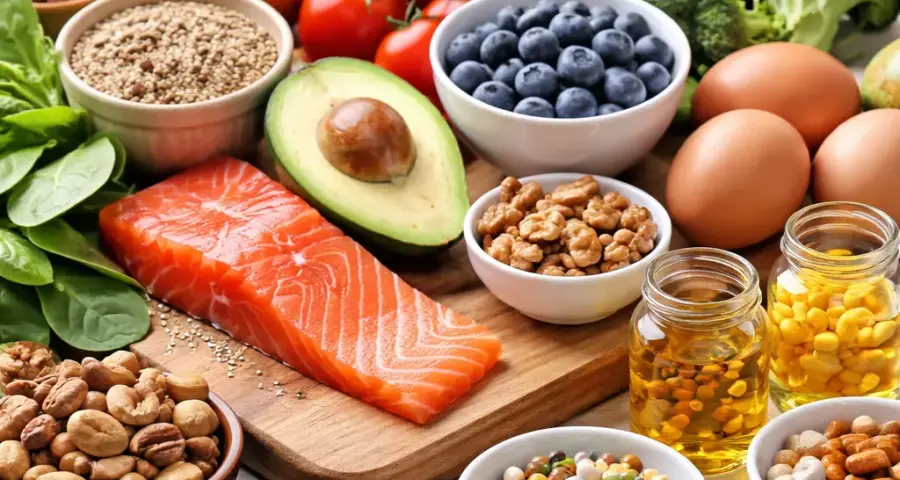
1. Protein: The Foundation of Tissue Repair
Protein supplies amino acids—the building blocks for repairing muscle, skin, and organ tissue. After exercise or injury, your body increases protein turnover, making adequate intake essential. Aim for 20–30 grams of high-quality protein per meal from sources like chicken breast, eggs, Greek yogurt, or plant-based options like lentils and tofu. For athletes, whey or casein protein can offer rapid or sustained amino acid release. For a related guide, see 12 Proven Fitness Habits for a Healthier Lifestyle.

2. Vitamin C: Collagen Synthesis and Immune Support
Vitamin C is a cofactor for collagen production, the structural protein in skin, tendons, and ligaments. It also acts as a powerful antioxidant, protecting cells from damage during recovery. Citrus fruits, bell peppers, strawberries, and broccoli are excellent sources. A daily intake of 75–90 mg supports wound healing and immune function.

3. Zinc: Immune Repair Function and Wound Healing
Zinc plays a direct role in cell division, protein synthesis, and immune cell activity. Deficiency impairs wound healing and increases infection risk. Oysters, beef, pumpkin seeds, and chickpeas are top sources. The recommended daily allowance is 8–11 mg for adults.
4. Omega-3 Fatty Acids: Anti-Inflammatory Benefits
Omega-3s, particularly EPA and DHA from fatty fish, reduce systemic inflammation and support muscle recovery by modulating cytokine production. Consuming two servings of salmon, mackerel, or sardines per week provides therapeutic levels. Plant-based ALA from flaxseeds and walnuts offers milder benefits.
5. Magnesium: Muscle Recovery and Relaxation
Magnesium helps regulate muscle contraction, nerve function, and ATP energy production. Low magnesium is linked to muscle cramps and fatigue. Dark leafy greens, almonds, avocado, and black beans are rich sources. Aim for 310–420 mg daily from food or supplements.
6. Vitamin D: Immune Recovery and Bone Health
Vitamin D modulates the immune system and supports calcium absorption for bone repair. Many people are deficient, especially in winter. Sunlight exposure, fatty fish, fortified dairy, and egg yolks help. Supplementation of 600–800 IU daily is common for those with low levels.
7. B-Complex Vitamins: Energy Recovery and Red Blood Cell Production
B vitamins (B6, B12, folate, niacin, riboflavin) convert food into usable energy and support red blood cell formation, which is critical for oxygen delivery to healing tissues. Whole grains, lean meats, eggs, legumes, and leafy greens provide a full spectrum. Deficiency can prolong fatigue.
8. Iron: Oxygen Transport and Energy Metabolism
Iron is essential for hemoglobin, which carries oxygen to muscles and organs. Without enough iron, recovery slows and fatigue deepens. Heme iron from red meat and poultry is most absorbable; plant sources like spinach and lentils benefit from pairing with vitamin C.
9. Vitamin A: Cellular Regeneration and Immune Function
Vitamin A supports epithelial tissue integrity and immune cell production. Sweet potatoes, carrots, spinach, and liver are rich in beta-carotene or preformed vitamin A. Adequate intake helps skin and mucous membranes heal after injury or surgery.
10. Electrolytes (Sodium, Potassium, Calcium): Hydration Recovery
Electrolytes maintain fluid balance, nerve signaling, and muscle contraction. During illness or intense exercise, losses accelerate. Coconut water, bananas, dairy, and salted meals help replenish. Proper hydration is a prerequisite for all other recovery processes.
11. Antioxidants (Polyphenols, Vitamin E, Selenium): Oxidative Stress Defense
Berries, dark chocolate, nuts, and green tea supply polyphenols and selenium that neutralize free radicals produced during exercise or illness. This reduces muscle soreness and supports cellular regeneration. A colorful diet generally covers antioxidant needs.
How Do These Proven Nutrients Improve Physical Recovery?
Each nutrient enters a specific biochemical pathway. For example, after a workout, micro-tears in muscle fibers trigger an inflammatory response. Omega-3s dampen excessive inflammation, while protein and zinc provide the raw materials for repair. Vitamin C and copper cross-link collagen fibers, strengthening the newly formed tissue. Meanwhile, B vitamins and iron ensure energy production keeps pace with healing demands.
This orchestrated process is why a single-nutrient approach rarely works. A balanced intake of proven nutrients for better health creates synergy—one nutrient amplifies another’s effect. For instance, vitamin C enhances iron absorption, and zinc supports vitamin A transport.
Which Foods Contain Nutrients That Support Healing and Recovery?
Building a recovery diet doesn’t require exotic ingredients. Focus on these whole-food categories:
- Lean proteins: chicken, turkey, fish, eggs, tofu, tempeh
- Healthy fats: avocado, olive oil, nuts, seeds, fatty fish
- Complex carbohydrates: oats, quinoa, brown rice, sweet potatoes
- Colorful vegetables: spinach, bell peppers, broccoli, carrots
- Fruits: berries, citrus, kiwi, bananas
- Legumes: lentils, chickpeas, black beans
- Dairy or alternatives: Greek yogurt, milk, fortified plant milks
What Is the Best Daily Nutrient Plan for Recovery?
A practical daily plan for adults focused on recovery might look like this:
| Meal | Foods | Key Nutrients |
|---|---|---|
| Breakfast | Scrambled eggs with spinach and whole-grain toast + orange juice | Protein, vitamin C, iron, B vitamins |
| Snack | Greek yogurt with mixed berries and a handful of almonds | Protein, calcium, antioxidants, magnesium |
| Lunch | Grilled chicken salad with avocado, bell peppers, cherry tomatoes, and olive oil dressing | Protein, vitamin C, vitamin E, healthy fats |
| Snack | Banana with peanut butter | Potassium, protein, healthy fats |
| Dinner | Baked salmon with quinoa and steamed broccoli | Omega-3s, protein, B vitamins, vitamin C, fiber |
| Evening | Warm milk or herbal tea + a small square of dark chocolate | Calcium, magnesium, antioxidants |
Do I Need Supplements for Faster Recovery?
Supplements can fill gaps but are not a substitute for a nutrient-dense diet. For most people, focusing on whole foods first provides the proven nutrients for better health in forms that are better absorbed and utilized. However, certain populations may benefit from targeted supplements: athletes with high training volumes may use whey protein or omega-3 capsules; individuals recovering from surgery might need additional vitamin C and zinc; vegans often require B12 and iron; and seniors may need vitamin D and calcium.
Always consult a healthcare provider before starting a new supplement regimen, especially after illness or surgery.
Useful Resources
For more detailed information on nutrient roles in recovery, visit the National Institutes of Health Office of Dietary Supplements fact sheets at ods.od.nih.gov. For sports nutrition guidance, the International Society of Sports Nutrition publishes evidence-based position stands at jissn.com.
Frequently Asked Questions About Proven Nutrients for Better Health
What are the 11 proven nutrients for better health and recovery?
The 11 proven nutrients are protein, vitamin C, zinc, omega-3 fatty acids, magnesium, vitamin D, B-complex vitamins, iron, vitamin A, electrolytes (sodium, potassium, calcium), and antioxidants (polyphenols, vitamin E, selenium). They support muscle repair, immune function, inflammation control, and energy production.
Which nutrients help the body recover faster?
Protein, vitamin C, zinc, and omega-3s are among the most effective for speeding recovery. Protein rebuilds tissues, vitamin C synthesizes collagen, zinc supports immune cell division, and omega-3s lower inflammation.
What foods contain nutrients that support healing and recovery?
Lean meats, fish, eggs, dairy, legumes, citrus fruits, berries, leafy greens, nuts, seeds, whole grains, and fatty fish like salmon all contain key recovery nutrients.
How do nutrients improve physical recovery after illness or exercise?
Nutrients provide raw materials for tissue repair, fuel for energy production, and regulatory molecules that control inflammation and immune activity. Without them, recovery slows and fatigue lingers.
What are the best nutrients for muscle recovery and repair?
Protein (especially leucine-rich sources), magnesium, omega-3s, and vitamin D are top choices. They reduce muscle soreness, support protein synthesis, and maintain muscle function.
Can nutrients speed up wound healing and tissue repair?
Yes. Vitamin C, zinc, protein, and vitamin A are directly involved in collagen formation, cell proliferation, and epithelial regeneration. Adequate intake significantly reduces healing time.
What vitamins and minerals help the immune system recover?
Vitamin C, vitamin D, zinc, and selenium are critical for immune cell function and antibody production. B vitamins also support energy metabolism in immune cells.
Which nutrients reduce inflammation and fatigue?
Omega-3 fatty acids, antioxidants (polyphenols, vitamin E), magnesium, and B-complex vitamins help lower inflammatory markers and combat fatigue by improving mitochondrial function.
What is the best daily nutrient plan for recovery?
A plan including lean protein at each meal, plenty of colorful vegetables and fruits, healthy fats, whole grains, and adequate hydration provides all 11 proven nutrients. Sample meal timing is outlined in the article above.
Do I need supplements for faster recovery?
Unless you have a diagnosed deficiency or a specific medical need, whole foods are superior. Supplements can help fill gaps but should not replace a balanced diet.
What are the most proven nutrients for recovery after surgery?
Protein, vitamin C, zinc, and vitamin A are most critical for surgical wound healing. Vitamin D and iron also support immune function and oxygen transport during recovery.
How much protein do I need for muscle recovery?
For active individuals, 1.2–2.0 grams per kilogram of body weight per day, spread across meals. A single dose of 20–40 grams post-exercise is recommended.
Can I get enough omega-3s from plant sources?
Plant sources like flaxseeds and walnuts provide ALA, but conversion to active EPA and DHA is limited. Fatty fish or algae-based supplements are more reliable for anti-inflammatory benefits.
How does magnesium help with muscle recovery?
Magnesium relaxes muscles, reduces cramping, and supports ATP production. It also lowers cortisol, which can interfere with recovery when chronically elevated.
What is the role of vitamin C in collagen formation?
Vitamin C is a cofactor for enzymes that stabilize and cross-link collagen fibers. Without it, collagen is weak and wound healing is delayed.
How do electrolytes affect recovery after exercise?
Electrolytes maintain fluid balance and nerve signals. Replenishing sodium, potassium, and calcium after sweating prevents cramps and supports rehydration, enabling other recovery processes.
Are there nutrients that specifically help senior recovery?
Yes. Vitamin D and calcium support bone healing, protein counteracts sarcopenia, B vitamins maintain energy, and omega-3s reduce age-related inflammation.
Can nutrition really accelerate post-illness recovery?
Absolutely. Adequate protein, vitamins C and D, zinc, and antioxidants help the immune system clear pathogens, repair damaged tissues, and restore energy levels faster.
Should I take iron supplements for recovery?
Only if a blood test confirms deficiency. Excess iron can be harmful. For most people, iron-rich foods like lean red meat or lentils are sufficient.
How quickly do nutrient improvements affect recovery time?
With consistent intake, measurable improvements in muscle soreness and energy can appear within a few days. Tissue healing and immune normalization may take one to two weeks depending on the extent of injury or illness.