
Natural Ways to Boost Nutrient Intake Key Takeaways
Maximizing the vitamins and minerals your body actually absorbs from food goes beyond simply eating a balanced plate.
- Pair iron-rich foods with vitamin C sources to double absorption — a simple, science-backed natural way to boost nutrient intake .
- Soaking, sprouting, and fermenting reduce anti-nutrients like phytates, making minerals more available to your body.
- Healthy fats are essential for absorbing fat-soluble vitamins A, D, E, and K; drizzling olive oil over vegetables can dramatically increase nutrient uptake.
Why Whole Food Nutrition Outperforms Supplements for Daily Health
Relying on pills can fill gaps, but whole foods deliver a complex matrix of fiber, enzymes, and cofactors that enhance bioavailability of nutrients. When you choose food based vitamin sources like spinach, bell peppers, and salmon, you also get phytonutrients and antioxidants that supplements cannot replicate. Moreover, daily nutrition improvement habits built around whole foods support your microbiome, which in turn boosts digestion and nutrient uptake for years to come. For a related guide, see Immune System: Daily Habits to Boost Health.
The Synergy Factor in Whole Foods
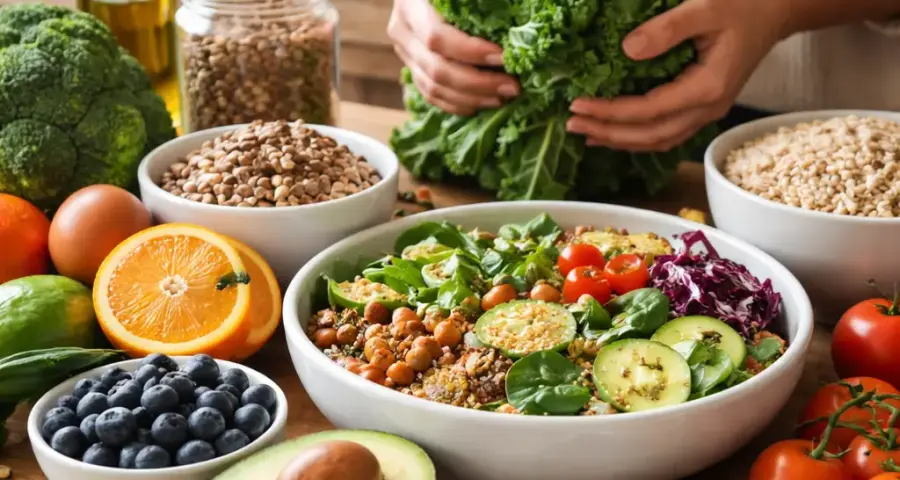
Vitamin D in salmon works better when paired with the healthy fats naturally present in the fish. The iron in spinach is more available when eaten alongside the vitamin C in tomatoes. This synergy is difficult to replicate in a pill and is a cornerstone of a whole food nutrition strategy.
Common Pitfall: Thinking “More Is Better”
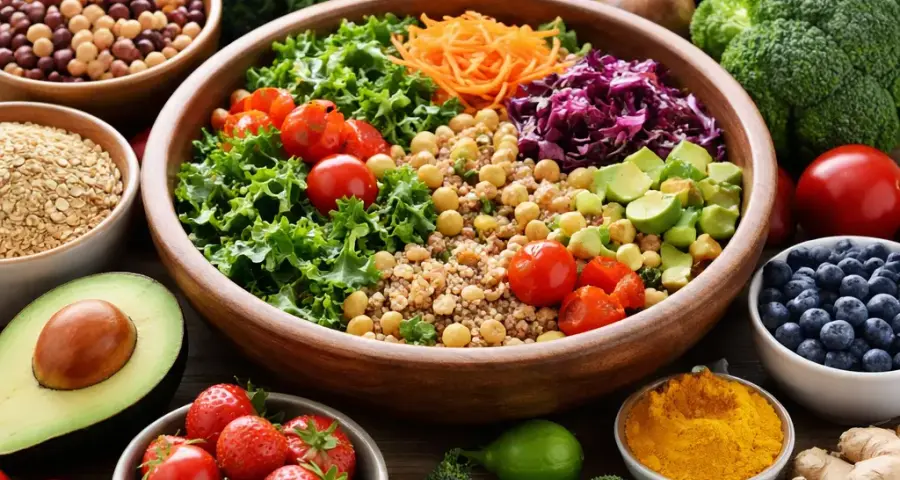
Over-supplementing can actually hinder absorption. For example, taking high-dose zinc can deplete copper levels, and too much calcium may block magnesium. A natural diet optimization approach avoids these imbalances by relying on whole foods first.

13 Natural Ways to Boost Nutrient Intake Every Day
1. Pair Vitamin C with Plant Iron
Iron from plant sources (non-heme iron) is less readily absorbed than animal-based iron. Combining foods like lentils, spinach, or quinoa with a squeeze of lemon, diced bell peppers, or strawberries can triple iron absorption. This is one of the fastest natural ways to boost nutrient intake with zero extra effort.
2. Add Healthy Fats to Every Meal
Vitamins A, D, E, and K need fat for transport. Drizzle extra-virgin olive oil over roasted vegetables, add avocado to salads, or cook eggs in coconut oil. This small habit significantly improves nutrient absorption enhancement for the entire meal.
3. Soak and Sprout Grains and Legumes
Grains, nuts, seeds, and beans contain phytates and lectins — compounds that bind minerals and reduce absorption. Soaking oats overnight, sprouting lentils, or fermenting sourdough bread reduces these anti-nutrients. This ancient practice is a powerful natural diet optimization technique.
4. Eat Fermented Foods Daily
Kimchi, sauerkraut, yogurt, kefir, and miso introduce beneficial bacteria that improve gut health. A healthy gut lining and diverse microbiome are essential for digestion and nutrient uptake. Even a small serving of fermented vegetables with lunch can support this process. For a related guide, see 6 Natural Remedies for Better Digestion and Comfort.
5. Cook Vegetables the Right Way
Steaming, sautéing lightly, or roasting preserves more vitamins than boiling, which leaches water-soluble nutrients like vitamin C and B vitamins into the cooking water. Cooking methods nutrient retention is a key skill: steam broccoli for 3–4 minutes or roast carrots with a little oil for maximum beta-carotene availability.
6. Chew Thoroughly and Eat Slowly
Digestion begins in the mouth. Chewing breaks down food into smaller particles and mixes it with saliva enzymes, which reduces the work your stomach and intestines must do. Mindful eating also supports healthy eating habits for vitamins by signaling your body to produce digestive enzymes.
7. Incorporate Zinc-Rich Foods for Immune Support
Zinc is crucial for enzyme function and immune defense, but it is also one of the most commonly deficient minerals. Pumpkin seeds, chickpeas, cashews, and oysters are excellent micronutrient rich foods. Pairing them with protein improves zinc bioavailability.
8. Prioritize Vitamin D from Sunlight and Food
Vitamin D is notoriously hard to get from food alone, but fatty fish, egg yolks, and UV-exposed mushrooms are top food based vitamin sources. Spending 15–20 minutes outdoors mid-morning can also help maintain levels. This is a holistic approach that aligns with holistic nutrition approach principles.
9. Use Herbs and Spices Generously
Turmeric, black pepper, ginger, garlic, and oregano are not just flavor boosters — they enhance absorption. Piperine in black pepper increases curcumin absorption by 2,000%. Adding these to your meals is an easy natural nutrient intake boost trick that also adds antioxidants.
10. Stay Hydrated, but Don’t Overdo It
Water is essential for nutrient transport and enzyme function. However, drinking excessive amounts during meals can dilute stomach acid and reduce digestive efficiency. Aim for consistent daily wellness nutrition habits that include water between meals rather than gallons with food.
11. Rotate Your Vegetable Choices
Eating a wide variety of produce ensures you get a broader spectrum of vitamins and minerals. Different colors indicate different phytonutrients — red for lycopene, orange for beta-carotene, green for folate. This is the essence of a balanced diet improvement strategy and prevents gaps in micronutrient rich foods.
12. Manage Stress and Sleep for Gut Health
Chronic stress reduces stomach acid production and alters gut motility, while poor sleep disrupts the microbiome. Both factors directly impact digestion and nutrient uptake. Incorporating stress-management practices like deep breathing or a short walk after meals is part of a holistic nutrition approach.
13. Use Strategic Food Pairings
Beyond iron and vitamin C, other pairings matter. For example, calcium and vitamin D work together for bone health, and magnesium helps activate vitamin D. Consuming nutrient dense food choices like leafy greens with almonds or dairy with fatty fish creates synergistic benefits.
How Lifestyle Changes Improve Nutrient Absorption Naturally
Beyond what you eat, how you live plays a major role. Stress, sleep, and medication use can all compromise digestion and nutrient uptake. A true holistic nutrition approach considers these factors as seriously as the food on your plate.
The Role of Gut Health in Nutrient Uptake
A compromised gut lining (often called “leaky gut”) can reduce absorption of key vitamins and minerals. Eating fiber rich foods benefits the gut microbiome, while fermentation probiotic foods help maintain a healthy balance. If you experience bloating or irregular digestion, focusing on gut repair is a first step toward better nutrient absorption enhancement.
Meal Timing and Its Effect on Digestion
Eating smaller, more frequent meals can improve meal timing nutrition absorption for some people, especially those with low stomach acid or digestive disorders. Allowing at least 12 hours between dinner and breakfast (intermittent fasting) gives the digestive system a rest and may enhance bioavailability of nutrients during the eating window.
Preventing Nutrient Loss During Cooking and Food Prep
Many people unknowingly destroy up to half the vitamins in fresh produce through improper cooking and storage. Understanding cooking methods nutrient retention can dramatically increase the nutrient density of your meals.
Steaming vs. Boiling: Which Method Preserves More?
Steaming preserves up to 90% of vitamin C in broccoli, while boiling can reduce it by as much as 50%. For root vegetables, boiling may actually increase the availability of certain carotenoids, but for most greens, steaming or quick sautéing is superior.
Pro Tip: When you do boil vegetables, reserve the cooking water and use it as a base for soups or stews — it contains water-soluble vitamins that would otherwise go down the drain.
Raw vs. Cooked: When Heat Helps
Some nutrients, like lycopene in tomatoes and beta-carotene in carrots, become more bioavailable with heat. Conversely, vitamin C and some B vitamins are heat-sensitive. The ideal approach is a mix of both raw and cooked foods, tailored to each nutrient’s needs.
Best Natural Sources of Key Nutrients for Daily Health
Building your diet around nutrient dense food choices ensures you meet your daily requirements without focusing on single nutrients. Below is a quick-reference table of powerhouse foods.
| Nutrient | Best Food Sources | Absorption Tip |
|---|---|---|
| Iron | Spinach, lentils, pumpkin seeds, red meat | Pair with vitamin C (lemon, berries) |
| Calcium | Dairy, fortified plant milks, kale, almonds | Ensure adequate vitamin D levels |
| Vitamin B12 | Clams, liver, salmon, fortified nutritional yeast | Absorption declines with age; consider chewable forms |
| Magnesium | Dark chocolate, almonds, black beans, avocado | Sprouting beans increases availability |
| Vitamin D | Salmon, mackerel, egg yolks, UV-exposed mushrooms | Absorb best with fat; sunlight is a major source |
Simple Daily Habits to Supercharge Your Nutrition
Consistency matters more than perfection. Here are a few daily wellness nutrition habits you can start today:
- Start your day with a handful of berries and walnuts in oatmeal — a mix of fiber rich foods benefits and healthy fats.
- Use a squeeze of lemon or lime on vegetables and salads to boost iron absorption.
- Include a fermented food (like sauerkraut or kimchi) with one meal daily.
- Roast vegetables in olive oil instead of boiling them.
- Chew each bite 20–30 times before swallowing — this simple habit improves enzyme support digestion.
Common Anti-Nutrients and How to Reduce Them
Anti-nutrients are naturally occurring compounds that can block absorption of minerals. Understanding them helps you apply anti nutrient reduction methods without eliminating healthy foods.
Phytates
Found in whole grains, nuts, and seeds. Soaking, sprouting, and fermentation reduce phytate content significantly.
Oxalates
High in spinach, rhubarb, and beets. Cooking reduces oxalate levels, and pairing with calcium-rich foods can help bind oxalates before they reach the kidneys.
Lectins
Present in beans and legumes. Proper cooking (boiling at a high temperature for at least 10 minutes) deactivates most lectins.
Useful Resources
For further reading on bioavailability of nutrients and whole food nutrition strategy, these reputable sources offer evidence-based guidance:
- NIH Office of Dietary Supplements – Official fact sheets on vitamins and minerals, including absorption factors.
- Harvard T.H. Chan School of Public Health: Nutrition Source – Research-backed articles on diet quality and nutrient density.
Final thought: Mastering natural ways to boost nutrient intake is not about overhauling your diet overnight. Pick one or two strategies from this list — such as adding a splash of lemon to your spinach or soaking your beans before cooking — and build from there. Small, consistent changes lead to lasting improvements in how your body uses the food you eat.
Frequently Asked Questions About Natural Ways to Boost Nutrient Intake
What are the 13 natural ways to boost nutrient intake daily?
The 13 natural ways include: pairing vitamin C with plant iron, adding healthy fats, soaking and sprouting grains, eating fermented foods, cooking vegetables properly, chewing thoroughly, eating zinc-rich foods, getting vitamin D from food and sunlight, using herbs and spices, staying hydrated, rotating vegetables, managing stress and sleep, and using strategic food pairings.
How can I improve nutrient absorption from food naturally?
Improve absorption by pairing nutrients (like iron with vitamin C), reducing anti-nutrients through soaking or sprouting, eating fermented foods for gut health, and managing stress, which affects digestion and enzyme production. For a related guide, see 6 Supplements That Help Fill Common Nutrition Gaps.
What foods help increase daily nutrient intake?
Leafy greens, colorful vegetables, fatty fish, nuts, seeds, legumes, and fermented foods are among the most nutrient-dense choices. These micronutrient rich foods provide a wide spectrum of vitamins and minerals in one serving.
How do I get more vitamins and minerals without supplements?
Focus on a varied whole-food diet that includes fruits, vegetables, whole grains, lean proteins, and healthy fats. Use the 13 strategies outlined in this article to enhance absorption from those foods.
What are the best natural sources of nutrients for daily health?
Some of the best sources include salmon (omega-3s, vitamin D), spinach (iron, folate, vitamin K), blueberries (antioxidants), almonds (vitamin E, magnesium), and yogurt (calcium, probiotics).
Can lifestyle changes improve nutrient absorption?
Yes. Reducing stress, prioritizing sleep, and exercising moderately can improve gut health and digestive enzyme production, leading to better absorption of the nutrients you consume.
What habits improve digestion and nutrient uptake ?
Chewing food thoroughly, eating slowly, staying hydrated, managing stress, and eating a fiber-rich diet with fermented foods all support optimal digestion and nutrient uptake.
How do I prevent nutrient loss in cooking and food prep?
Use gentler cooking methods like steaming or roasting instead of boiling. Keep the skin on vegetables when possible, and avoid overcooking. Reserve cooking water for soups or sauces to capture water-soluble vitamins.
What are simple daily habits for better nutrition?
Start with a balanced breakfast, include protein and healthy fats at every meal, snack on nuts and fruit, and aim for at least five servings of colorful vegetables and fruits each day.
What is the most effective natural way to boost overall nutrition?
Eating a variety of whole, unprocessed foods and preparing them to maximize nutrient availability — while managing stress and sleep — is the single most effective approach to improving overall nutrition naturally.
How does fat improve nutrient absorption?
Fat-soluble vitamins A, D, E, and K require dietary fat for transport into the bloodstream. Eating healthy fats alongside these vitamins dramatically increases their bioavailability.
Should I avoid all anti-nutrient foods?
No. Foods containing anti-nutrients — like whole grains, nuts, and legumes — are very healthy overall. Simple preparation methods like soaking, sprouting, or cooking reduce anti-nutrient levels without eliminating the food’s benefits.
What is the role of gut health in nutrient absorption?
A healthy gut lining and balanced microbiome are essential for breaking down food and absorbing vitamins and minerals. Fermented foods and fiber support gut health, which in turn improves nutrient uptake.
Can I get enough vitamin D from food alone?
It is very difficult. Fatty fish, egg yolks, and fortified foods are the best sources, but sunlight exposure remains the most efficient way to maintain adequate vitamin D levels.
Is raw food always more nutritious than cooked?
Not always. Cooking can increase the availability of certain nutrients like lycopene and beta-carotene, but it also destroys some heat-sensitive vitamins like vitamin C. A mix of raw and cooked foods is best.
How does hydration affect nutrient transport?
Water is essential for dissolving and transporting nutrients through the bloodstream. Mild dehydration can reduce blood volume and slow down the delivery of nutrients to cells.
What foods are high in bioavailable iron?
Red meat, poultry, and fish contain heme iron, which is highly absorbable. For plant sources, lentils, spinach, and pumpkin seeds are good choices, especially when paired with vitamin C.
How does stress affect nutrient absorption?
Chronic stress reduces stomach acid production and alters gut motility, both of which impair digestion and the absorption of key nutrients like B12, iron, and calcium.
Are fermented foods safe to eat daily?
For most people, yes. Fermented foods like kimchi, sauerkraut, and yogurt are safe and beneficial when consumed in reasonable amounts (a few tablespoons per day). People with histamine intolerance should start slowly.
What is the best time to eat fermented foods?
Eating fermented foods with a meal is ideal because the probiotics and enzymes can work alongside digestive enzymes to support nutrient breakdown and absorption.