
Diabetes is a chronic metabolic disease characterized by elevated blood glucose levels due to problems with insulin production, insulin action, or both, and the World Health Organization notes that diabetes is a leading cause of blindness, kidney failure, heart attacks, stroke, and lower limb amputation worldwide in its diabetes fact sheet. In the United States, the Centers for Disease Control and Prevention reports that more than 37 million people have diabetes and millions more are living with undiagnosed disease or prediabetes in its National Diabetes Statistics Report.
Many individuals with type 2 diabetes experience symptoms gradually, and some have no obvious warning signs for years. Recognizing early symptoms allows timely intervention and reduces long-term complications. For a full overview of causes, prevention, and complications, you can review our guide on type 2 diabetes and long-term management.
What Happens in Early Diabetes?
In early type 2 diabetes, the body develops insulin resistance, meaning cells do not respond properly to insulin and the pancreas initially compensates by producing more insulin, but over time it cannot maintain normal blood glucose levels. The National Institute of Diabetes and Digestive and Kidney Diseases explains that insulin resistance can develop years before diagnosis and blood glucose may slowly rise before symptoms appear in its overview of type 2 diabetes.
When glucose remains elevated (hyperglycemia), it begins to damage blood vessels, nerves, and organs—even before a formal diagnosis is made.
Why Early Detection Matters
According to the American Diabetes Association Standards of Care, early detection and management significantly reduce the risk of microvascular and macrovascular complications, a point emphasized in the ADA Standards of Medical Care in Diabetes. The CDC also emphasizes that early intervention helps prevent heart disease, stroke, kidney failure, vision loss, and nerve damage in its education on diabetes complications and prevention.
If diabetes remains uncontrolled, long-term damage increases; you can learn more about these risks in our article on uncontrolled diabetes.
The Most Common Early Warning Signs of Diabetes
1. Increased Thirst (Polydipsia)
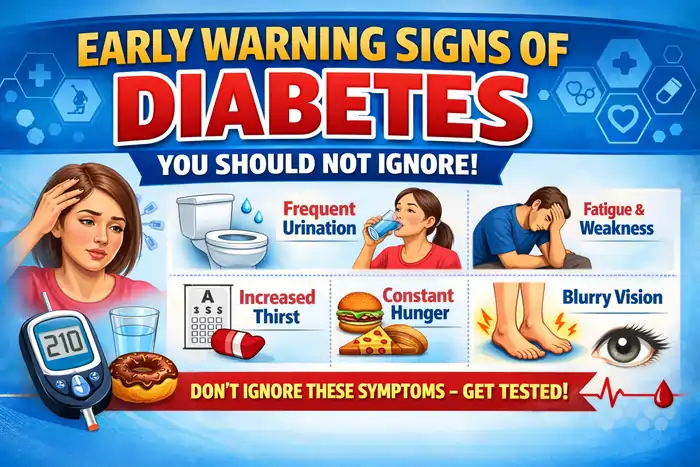
Persistent thirst is one of the hallmark early symptoms of hyperglycemia. When blood glucose rises, the kidneys filter excess glucose, more urine is produced, fluid is lost, dehydration occurs, and thirst increases. WHO and NIH describe increased thirst as a classic symptom of high blood sugar, and NIDDK lists it among key diabetes symptoms and causes.
If you feel constantly thirsty despite drinking adequate fluids, it may be worth discussing screening with your provider.
2. Frequent Urination (Polyuria)
Excess glucose spills into the urine once kidney thresholds are exceeded, causing increased urination frequency, large urine volumes, and nighttime urination (nocturia). The CDC lists frequent urination as one of the most common symptoms of undiagnosed diabetes in its page on symptoms of diabetes.
3. Increased Hunger (Polyphagia)
Despite elevated blood glucose levels, cells cannot properly absorb glucose for energy. NIH explains that this leads to persistent hunger because the body’s cells are not receiving adequate fuel in its overview of diabetes symptoms and causes. You may feel hungry shortly after eating or crave carbohydrates frequently.
4. Fatigue
Fatigue is common in early diabetes and is often overlooked. Contributing factors include impaired glucose utilization, dehydration, sleep disruption, and low-grade inflammation. The ADA notes similar early warning signs such as extreme fatigue in its discussion of diabetes symptoms and early warning signs.
5. Blurred Vision
High blood sugar can temporarily change the shape of the eye’s lens due to fluid shifts. The National Eye Institute explains that fluctuating glucose levels can cause blurred vision even before diabetic retinopathy develops in its information on diabetic eye disease. Persistent or fluctuating blurred vision should prompt evaluation.
6. Slow Wound Healing
Chronic hyperglycemia impairs circulation and immune function. The CDC identifies delayed wound healing as a warning sign of diabetes due to reduced blood flow and immune response in its feature on preventing diabetes complications. Minor cuts that take unusually long to heal may indicate glucose imbalance.
7. Recurrent Infections
Elevated glucose levels promote bacterial and fungal growth. Common infections include urinary tract infections, vaginal yeast infections, skin infections, and gum disease. CDC notes that recurrent infections may signal underlying diabetes in its list of diabetes signs and symptoms.
8. Tingling or Numbness in Hands and Feet
Early nerve irritation (peripheral neuropathy) may cause tingling, burning, or numbness. The NIH explains that prolonged elevated glucose damages peripheral nerves over time in its information on diabetic neuropathies and nerve damage.
Early Signs in Prediabetes
Prediabetes often has no symptoms. The CDC estimates that more than 1 in 3 adults in the U.S. have prediabetes and most do not know it, as described on its prediabetes information page. A visible early sign may include acanthosis nigricans, darkened skin patches often seen on the neck or underarms. Screening is critical if risk factors are present.
Who Should Be Screened?
According to ADA screening recommendations, testing is advised for adults aged 35 and older, individuals with overweight or obesity, those with family history, people with high blood pressure, and women with prior gestational diabetes, as outlined in the ADA Standards of Medical Care.
How Type 2 Diabetes Is Diagnosed
Diagnosis is based on laboratory criteria. According to ADA guidelines:
- Fasting plasma glucose ≥ 126 mg/dL
- HbA1c ≥ 6.5%
- Random glucose ≥ 200 mg/dL with symptoms
These thresholds appear in the ADA’s Standards of Medical Care in Diabetes. Once diagnosed, regular monitoring becomes essential. For practical home monitoring guidance, you can follow our step‑by‑step article on how to monitor blood sugar at home.
What Happens If Early Symptoms Are Ignored?
Untreated diabetes increases risk of heart disease, stroke, kidney failure, blindness, and nerve damage. The American Heart Association confirms that adults with diabetes are at significantly increased cardiovascular risk in its discussion of diabetes and heart disease. WHO emphasizes that diabetes-related complications are largely preventable with early management in its diabetes fact sheet.
To understand the risks of poorly controlled diabetes in more detail, you can review our guide on uncontrolled diabetes.
What To Do If You Notice Early Symptoms
- Schedule blood testing
- Review personal risk factors
- Begin lifestyle changes early
- Monitor blood sugar if advised
- Follow a structured care plan
For a complete disease overview and prevention strategy, revisit our article on type 2 diabetes.
Frequently Asked Questions
Can diabetes develop without symptoms?
Yes. CDC confirms that many people with type 2 diabetes have no early symptoms in its summary of diabetes symptoms.
Can early diabetes be reversed?
Research suggests that significant weight loss and lifestyle change may lead to remission in some individuals with early type 2 diabetes, though monitoring remains necessary, as discussed in NIDDK resources on type 2 diabetes and remission.
When should I get tested?
If you have risk factors or symptoms, screening is recommended according to ADA guidance in the Standards of Care.
Final Thoughts
Early warning signs of diabetes are often subtle but important. Increased thirst, frequent urination, fatigue, blurred vision, slow healing, and recurrent infections should not be ignored—especially in individuals with risk factors. Early detection and evidence-based management significantly reduce long-term complications. If you suspect symptoms, seek medical evaluation promptly.
⚠️ Medical Disclaimer
The information provided on MedEduHub is for educational purposes only and does not replace professional medical advice, diagnosis, or treatment. If you experience severe hyperglycemia, confusion, vomiting, chest pain, or signs of a medical emergency, seek immediate medical care. Always consult a licensed healthcare provider before starting, stopping, or changing any diabetes treatment plan.
👩⚕️ Written by: Eden Grace Ramos-Arsenio, RN
📚 Medical Sources & References
This article is based on current clinical guidelines and peer-reviewed research from the World Health Organization diabetes fact sheet, the CDC National Diabetes Statistics Report and symptom resources, the American Diabetes Association Standards of Medical Care in Diabetes, the National Institute of Diabetes and Digestive and Kidney Diseases, the National Eye Institute diabetic eye disease information, and American Heart Association guidance on cardiovascular risk in diabetes.