
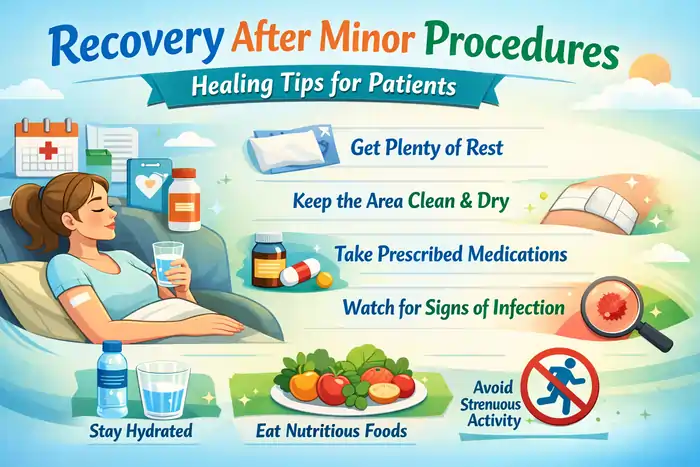
Medical procedures are an essential part of modern healthcare. Many treatments that once required hospital stays can now be performed as minor procedures or outpatient interventions, allowing patients to return home the same day. These procedures may include biopsies, skin lesion removal, colonoscopy, cataract surgery, minor orthopedic procedures, endoscopy, dental surgery, and minimally invasive diagnostic tests—many now done with minimally invasive techniques that large outcome studies have linked to less pain, shorter hospital stays, and quicker return to normal activities compared with traditional open surgery, as described in NIH‑indexed analyses of minimally invasive surgery trends on PMC.
Advances in minimally invasive surgery, anesthesia techniques, and outpatient surgical care have made these procedures safer and more efficient than ever before. However, even minor procedures still ask the body to heal, which means proper recovery care is essential to ensure healing occurs safely and complications are avoided. Organizations focused on patient safety emphasize that post‑procedure recovery is a critical stage of care, and the World Health Organization’s patient safety fact sheet and surgical site infection overview explain how infection prevention, checklists, and structured follow‑up are central to reducing complications such as infection, delayed wound healing, and medication errors after surgery of any size on WHO and WHO SSI.
Understanding what to expect during recovery helps patients manage discomfort, follow medical instructions correctly, and recognize early warning signs of complications before they become serious.
If you want to understand how procedures are performed and why they are recommended, you can explore our pillar guide Common Medical Procedures: What Patients Should Expect on MedEduHub, which explains common diagnostic and therapeutic procedures in clear, patient‑friendly language:
Common Medical Procedures: What Patients Should Expect
This article focuses on what happens after those procedures—how recovery works after minor interventions, what symptoms are normal, how to care for surgical wounds, and when to seek medical attention.
What Are Minor Medical Procedures?
Minor procedures are medical interventions that typically involve minimal surgical trauma, limited anesthesia, and shorter recovery times compared with major surgery.
They are commonly performed in:
- outpatient surgical centers
- hospital outpatient departments
- ambulatory surgery clinics
- physician offices
- specialty clinics
Examples of common minor procedures include:
- skin biopsies
- cyst removal
- mole excision
- minor wound repair
- colonoscopy
- endoscopy
- cataract surgery
- arthroscopy
- dental extraction
- dermatologic surgery
- diagnostic laparoscopy
Many of these procedures use minimally invasive surgical techniques, which rely on smaller incisions and specialized instruments and are designed to support faster recovery. Large clinical series and reviews supported by the National Institutes of Health have shown that minimally invasive approaches can reduce surgical trauma, shorten hospital stays, and improve recovery for operations such as gallbladder surgery, colectomy, and joint procedures compared with open surgery, as summarized in MIS outcome analyses on PMC.
Why Recovery After Minor Procedures Matters
Even though minor procedures are less invasive than major surgery, the body still needs time and support to heal. Proper recovery care helps prevent complications such as:
- surgical site infection
- bleeding
- delayed wound healing
- medication reactions
- swelling and inflammation
- postoperative pain
- adverse drug effects
The Centers for Disease Control and Prevention explains in its Surgical Site Infection Basics page that wound care, hand hygiene, and careful monitoring of the incision are critical for preventing surgical site infections, which remain one of the most common healthcare‑associated complications and can occur even after day‑surgery procedures on CDC. When patients follow recovery instructions closely—such as keeping the wound clean, watching for early warning signs, and using medications as directed—they are more likely to experience:
- faster wound healing
- reduced pain and swelling
- lower infection risk
- improved treatment outcomes
- safer recovery overall
What Happens Immediately After a Minor Procedure
Recovery typically begins immediately after the procedure is completed. Patients are usually transferred to a post‑procedure recovery area, where healthcare providers monitor vital signs such as:
- heart rate
- blood pressure
- oxygen saturation
- respiratory rate
- level of consciousness
If sedation or anesthesia was used, patients may experience temporary symptoms such as:
- grogginess
- dizziness
- nausea
- mild confusion
- fatigue
Healthcare providers monitor patients until these symptoms improve and it is safe to go home. Research on discharge communication and the SAFER Care framework shows that reviewing discharge instructions with patients—and asking them or their caregivers to restate key steps like wound care and medication schedules in their own words—improves understanding and reduces preventable complications after going home, as reported in a caregiver comprehension study on PMC.
Common Symptoms During Recovery
Most minor procedures cause temporary symptoms that improve within a few days. Normal recovery symptoms may include:
- mild pain or soreness
- localized swelling
- bruising around the procedure site
- fatigue or feeling more tired than usual
- mild bleeding or light drainage
- mild redness around the incision
- mild nausea after anesthesia
These symptoms are usually temporary and steadily improve as healing progresses. Healthcare providers may recommend pain‑management strategies, specific wound‑care steps, and short‑term activity restrictions to support recovery; this approach mirrors general postoperative advice from major health systems such as the Cleveland Clinic’s incision and surgical wound care guidance, which explains how bruising, mild pain, and small amounts of drainage can be expected early on while the wound begins to heal on Cleveland Clinic.
Managing Pain After Minor Procedures
Pain after a procedure is a natural response to tissue healing, and some discomfort is expected. The goal is to keep pain at a manageable level so you can rest, breathe deeply, and gradually resume light daily activities.
Pain management strategies may include:
- over‑the‑counter pain relievers, when appropriate
- prescription analgesics for short‑term use
- anti‑inflammatory medications
- cold compresses around the affected area
- rest and limited activity in the early days
The National Institutes of Health supports extensive research on postoperative pain management, and clinical reviews such as the NCBI “Postoperative Pain Control” chapter describe how combining medications with non‑drug strategies (like ice, positioning, and deep breathing) helps patients feel more comfortable and may reduce reliance on stronger pain medicines on NCBI Bookshelf. Patients should take medications exactly as prescribed and avoid exceeding recommended doses or mixing pain relievers without checking with their doctor or pharmacist.
Wound Care After Minor Procedures
Proper wound care is one of the most important parts of recovery. Depending on the procedure, post‑procedure wound care may include:
- keeping the surgical site clean and dry as directed
- changing dressings on the schedule provided by your healthcare team
- avoiding contamination from dirty hands, surfaces, or water
- monitoring for signs of infection around the wound
- keeping stitches or sutures dry until you are told otherwise
Healthcare providers may recommend specific antiseptic cleaning solutions, sterile dressings, and protective bandages to protect the healing tissue. The World Health Organization’s guidance on the prevention of surgical site infections, which complements its Safe Surgery Checklist, emphasizes that postoperative wound care, hand hygiene, and appropriate dressing changes are essential to preventing complications after surgery of any size on WHO. Patient‑facing resources from large health systems, such as the Mayo Clinic Health System’s wound‑care pages, similarly explain how proper cleaning, protection, and monitoring are key to helping wounds heal well on Mayo Clinic Health System.
Preventing Infection After a Procedure
Preventing infection is one of the most important goals during recovery. Patients are usually advised to:
- wash hands thoroughly before touching the wound or dressings
- avoid swimming, hot tubs, or soaking baths until the wound has healed
- follow dressing‑change instructions exactly as given
- take prescribed antibiotics only as directed, if they are part of the plan
- avoid picking at scabs or touching the surgical site unnecessarily
The CDC’s infection‑prevention guidance on surgical site infections notes that maintaining proper hygiene, using clean dressings, and following wound‑care steps from the healthcare team significantly reduces infection risk after procedures, whether inpatient or outpatient. Patient‑safety quick guides on surgical site infections also emphasize that simple steps—clean hands, clean dressings, and early reporting of redness, drainage, or fever—are among the most powerful ways for patients to protect themselves after surgery.
Signs of infection may include:
- increasing redness that spreads outward
- swelling that worsens rather than improves
- warmth or heat around the wound
- pus or foul‑smelling drainage
- fever or chills
- worsening pain instead of gradual improvement
Patients should contact their healthcare provider promptly if these symptoms occur, since early evaluation and treatment are strongly linked to better outcomes in surgical site infection reviews and patient‑safety primers on Surgical Site Infections from AHRQ PSNet on PSNet.
Activity Restrictions After Minor Procedures
Patients are often advised to limit certain activities during the recovery period, even after minor procedures, to protect the healing area and reduce the risk of bleeding or wound reopening. Common restrictions may include:
- avoiding heavy lifting for a set period
- avoiding strenuous exercise or sports
- limiting bending or twisting near the surgical site
- avoiding driving immediately after sedation or while taking strong pain medication
- resting and taking it easy during the first 24 hours
These restrictions help prevent bleeding, wound reopening, and delayed healing. Recovery‑planning and discharge‑education programs—including studies using the SAFER Care framework—consistently show that patients who understand and follow their activity limits have fewer post‑procedure complications and are less likely to need unplanned visits back to the hospital or clinic. Practical patient resources, such as UNC Health’s “5 Tips for a Smooth Recovery After Surgery,” also stress listening to your body, pacing activity, and gradually increasing movement as you feel better.
Patients preparing for procedures can also review our guide Preparing for Outpatient Surgery on MedEduHub, which explains how pre‑procedure preparation—such as arranging transportation, setting up a comfortable recovery area at home, and planning for help with daily tasks—can positively influence recovery outcomes:
Preparing for Outpatient Surgery
Medications During Recovery
Some patients receive medications after a procedure to manage pain, reduce inflammation, or prevent infection. Common postoperative medications include:
- pain medications
- anti‑inflammatory drugs
- antibiotics
- anti‑nausea medications
Patients should carefully follow medication instructions to avoid complications such as:
- medication side effects
- drug interactions
- allergic reactions
- incorrect dosing or timing
Clear medication instructions are an important part of patient safety. Studies on discharge counseling and caregiver comprehension of discharge instructions show that structured, plain‑language explanations about medications—what each one is for, when to take it, and what side effects to watch for—can significantly improve understanding and reduce post‑discharge errors on PMC.
The Role of Follow-Up Appointments
Follow‑up visits allow healthcare providers to monitor recovery progress and make sure healing is on track. During follow‑up appointments, providers may:
- evaluate wound healing and remove dressings
- remove stitches, staples, or adhesive strips when appropriate
- assess pain levels and adjust medications if needed
- review laboratory or pathology results
- check for any signs of complications
Follow‑up care helps ensure the procedure achieved its intended outcome and that any problems are addressed early. Patient‑safety programs and infection‑control reviews emphasize that attending scheduled follow‑up appointments—and contacting the clinic if you feel you need to be seen sooner—is a key part of safe, high‑quality recovery, as reinforced in primers on surgical site infections from AHRQ PSNet and patient‑safety organizations.
Emotional Recovery After Medical Procedures
Many patients experience emotional reactions after medical procedures, even when the procedure is considered “minor.” Common emotional responses may include:
- anxiety or worry
- fatigue or feeling “drained”
- relief after treatment is completed
- temporary mood changes or irritability
The National Institutes of Health and related research groups studying patient psychology and recovery have found that emotional wellbeing and realistic expectations about pain are closely linked to how patients rate their pain and how quickly they resume normal activities. Studies on preoperative education and postoperative pain suggest that when patients know what pain to expect and how it will be managed, they tend to feel more in control and experience better overall satisfaction with their recovery. Patients should feel comfortable sharing emotional concerns with their healthcare providers, especially if they experience persistent anxiety, trouble sleeping, or low mood during recovery.
Nutrition and Hydration for Healing
Proper nutrition supports wound healing and recovery by providing the building blocks the body needs to repair tissue and fight infection. Important nutrients include:
- protein for tissue repair (for example, lean meats, fish, eggs, legumes, and dairy)
- vitamin C for collagen production and wound healing (such as citrus fruits, berries, and peppers)
- zinc for immune support (including nuts, seeds, whole grains, and meats)
- iron for healthy blood and oxygen delivery (found in lean red meats, leafy greens, and fortified foods)
- adequate hydration to support circulation and overall healing
Healthy nutrition helps the body rebuild tissue and maintain a strong immune response. Clinical reviews on surgical site infections and wound healing note that poor nutritional status is associated with slower healing and a higher risk of infection, which is why many pre‑surgical and wound‑care programs encourage patients to focus on nutrition as part of their recovery, echoing suggestions from wound‑care resources at centers like Mayo Clinic Health System’s wound and ostomy care programs.
When to Contact Your Healthcare Provider
Although most minor procedures heal without complications, patients should seek medical attention if they experience:
- severe or worsening pain that is not relieved by prescribed medication
- persistent or heavy bleeding
- fever or chills
- signs of infection around the wound
- difficulty breathing or chest pain
- swelling that suddenly worsens or affects movement
- allergic reactions to medications, such as rash, swelling, or trouble breathing
Early medical evaluation helps prevent complications from becoming serious. Surgical site infection and postoperative safety guidelines consistently recommend prompt assessment of these warning signs so that treatment can begin before complications progress, as outlined in comprehensive SSI reviews and patient‑safety primers on PubMed and PSNet.
How Long Recovery Usually Takes
Recovery times vary depending on the procedure and the individual patient.
Typical recovery timelines may include:
- Skin biopsy: 3–7 days
- Mole removal: 1–2 weeks
- Colonoscopy: 1–2 days
- Cataract surgery: 1–2 weeks
- Arthroscopy: 2–4 weeks
Healthcare providers will give personalized instructions and expectations based on the procedure performed, the patient’s overall health, and how recovery is progressing. Enhanced recovery programs and minimally invasive approaches have helped many patients return to normal activities sooner, while still prioritizing safety and thorough healing, a trend reflected in long‑term MIS adoption studies.
Advances Improving Post-Procedure Recovery
Medical technology and clinical practices continue to evolve in ways that improve recovery outcomes. Recent innovations include:
- minimally invasive surgery
- robotic‑assisted procedures
- improved anesthesia and nerve‑block techniques
- advanced wound dressings and negative‑pressure therapy
- enhanced recovery protocols that standardize best practices before and after surgery
The NIH biomedical research program supports studies on surgical innovation and recovery science, including work on enhanced recovery after surgery (ERAS) and multimodal pain management, which together have been shown to reduce complications, shorten hospital stays, and improve patient satisfaction with recovery, as highlighted in practical approaches to acute postoperative pain and ERAS‑oriented reviews on PMC.
The Importance of Patient Education
Patient education is one of the most effective ways to improve recovery outcomes. Patients who understand their procedure and recovery plan are more likely to:
- follow medical instructions
- take medications correctly
- attend follow‑up appointments
- recognize complications early and act on warning signs
Research on preoperative patient education and postoperative pain shows that even brief teaching sessions—covering what normal pain looks like, how to use pain medications, and when to call for help—can reduce anxiety, lower pain scores, and decrease opioid use after surgery. Understanding the informed consent process also helps patients prepare mentally and emotionally for both the procedure and the recovery that follows.
You can learn more about informed consent and how healthcare teams explain risks, benefits, and alternatives in our guide Understanding Informed Consent on MedEduHub, which is written to help patients feel confident about the decisions they make with their providers:
Understanding Informed Consent
Key Takeaways | Recovery After Minor Procedures
Recovery after minor procedures is an important part of the healing process. Although many procedures are minimally invasive and performed in outpatient settings, proper recovery care helps prevent complications and supports successful treatment outcomes.
Patients should:
- follow medical instructions carefully
- maintain proper wound care and hygiene
- manage pain safely using recommended strategies
- attend follow‑up appointments
- monitor for warning signs of infection or other complications
Advances in minimally invasive surgery and patient‑safety initiatives led by organizations such as the World Health Organization, the Centers for Disease Control and Prevention, and the National Institutes of Health have significantly improved recovery outcomes for patients undergoing minor procedures, especially through better infection prevention, pain control, and discharge education. Understanding the recovery process empowers patients to participate actively in their healthcare and achieve safer healing.
Frequently Asked Questions (FAQ)
How long does recovery take after minor procedures?
Recovery times vary depending on the type of procedure and your overall health. Many minor procedures heal within a few days to two weeks, although some—like certain joint or orthopedic procedures—may require longer recovery periods.
What symptoms are normal after a minor procedure?
Normal symptoms include mild pain, swelling, bruising, fatigue, and temporary discomfort around the procedure site. These should gradually improve over the first few days rather than getting worse.
When should I contact a doctor after a procedure?
You should contact a healthcare provider if you experience severe or worsening pain, fever, excessive bleeding, signs of infection around the wound, difficulty breathing, or any symptom that feels alarming or very different from what you were told to expect.
Can I return to normal activities after a minor procedure?
Many patients can resume light activities within a few days, but strenuous activity, heavy lifting, or sports should be avoided until a healthcare provider confirms it is safe to do so.
Medical Disclaimer
This article is intended for educational purposes only and should not replace professional medical advice, diagnosis, or treatment. Always consult a qualified healthcare professional for personalized medical guidance regarding recovery after medical procedures.
Written by: Eden Grace Ramos, RN
Medical Resources
This article references evidence-based guidance from internationally recognized health organizations. Guidance on surgical safety and postoperative recovery aligns with the World Health Organization patient safety and safe surgery programs, which promote infection prevention and safe procedural care. Recommendations related to wound care, infection prevention, and surgical recovery practices reflect guidance published by the Centers for Disease Control and Prevention on healthcare-associated infection prevention and safer patient care practices. Additional biomedical research on minimally invasive procedures, surgical innovation, postoperative recovery, and patient safety is supported by studies funded by the National Institutes of Health, which continues to publish clinical research and health information designed to improve treatment outcomes and patient safety worldwide.