
Common Causes of Loss of Smell Key Takeaways
Loss of smell—medically known as anosmia or reduced smell function—affects millions of people worldwide and can stem from a wide range of nasal, neurological, and environmental triggers.
- Common Causes of Loss of Smell include viral infections, chronic sinusitis , nasal polyps , and head trauma, each requiring different treatment approaches.
- Sudden loss of smell after a cold or COVID-19 is often temporary, but persistent anosmia may signal underlying neurological or structural problems.
- Diagnosis by an ENT specialist and early intervention can significantly improve the chances of restoring smell function.
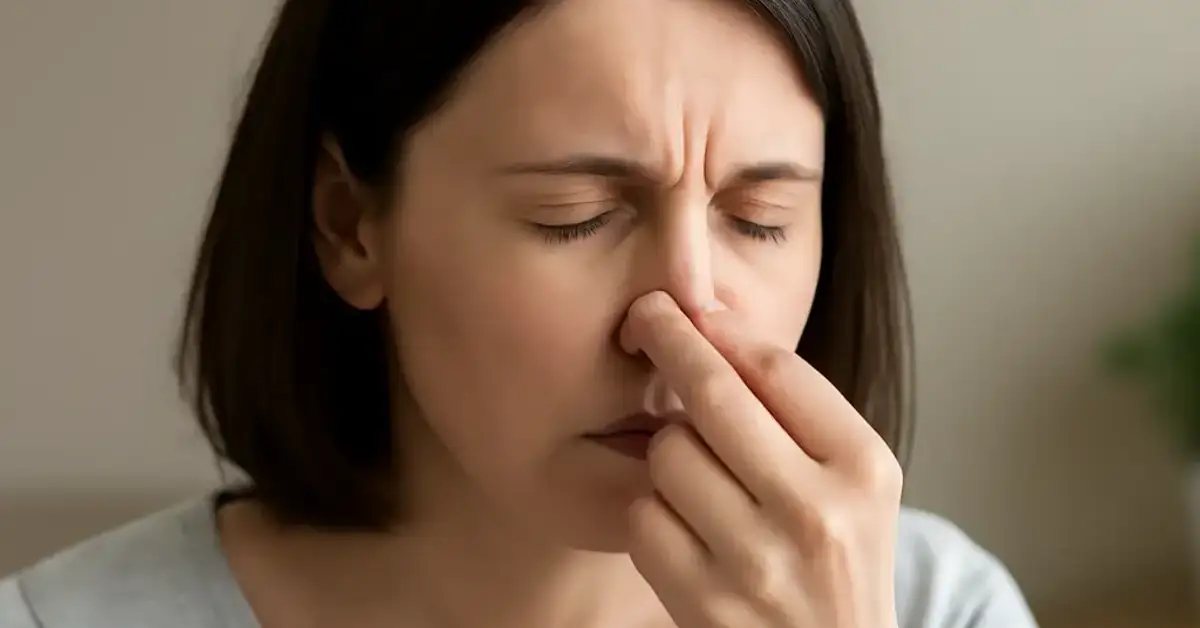
What to Know About the Common Causes of Loss of Smell
Your sense of smell plays a surprising role in daily life—it helps you enjoy food, detect danger, and even bond with loved ones. When that ability fades or disappears entirely, it can feel disorienting and frustrating. The condition, known as anosmia (complete loss) or reduced smell (hyposmia), may occur suddenly or gradually, and the underlying reasons vary widely.
In this guide, we break down the nine most Common Causes of Loss of Smell, explain how each disrupts your ability to detect odors, and offer practical insights into when you should see a healthcare professional. Whether you are recovering from a respiratory infection, managing a chronic condition, or simply noticing changes with age, this article will help you understand what may be happening and what steps you can take.
1. Viral Respiratory Infections (Colds, Flu, and COVID-19)
One of the most frequent loss of smell causes is a viral infection that inflames the nasal lining and temporarily blocks odor receptors. The common cold, influenza, and notably COVID-19 are infamous for causing sudden anosmia.
During a respiratory infection, the nasal passages swell and produce mucus, physically blocking airflow to the olfactory region. In the case of COVID smell loss, the virus can also directly attack the supporting cells around the olfactory neurons, leading to a more profound and sometimes lasting loss.
How Long Does It Last?
For many, smell returns within a week or two as congestion clears. However, some post-viral patients experience reduced smell for months. Smell training—a daily routine of sniffing familiar scents—is often recommended for recovery.
2. Chronic Sinusitis and Sinus Infections
Chronic sinusitis is a persistent inflammation of the sinus passages lasting 12 weeks or longer. This condition is a major cause of sinus infection smell loss. When the sinuses remain swollen, they block the olfactory cleft—the narrow space where smell receptors live. For a related guide, see 12 Signs You May Have Chronic Sinusitis.
Unlike a simple cold, chronic sinusitis may also involve thick mucus, facial pressure, and postnasal drip. Over time, the constant inflammation can damage the olfactory nerve endings, turning temporary nasal congestion into a long-term problem. For a related guide, see 10 Signs It’s Time to See an ENT for Sinus Problems: Essential Warning Signs.
ENT conditions like chronic sinusitis are often treated with nasal steroid sprays, saline rinses, or antibiotics for bacterial infections. In stubborn cases, endoscopic sinus surgery may be needed to open blocked passages.
3. Allergic Rhinitis (Hay Fever)
Seasonal or year-round allergies cause the nasal lining to swell and produce excess mucus, leading to nasal congestion and temporary loss of smell. Many patients ask, can allergies cause anosmia? Yes—allergic rhinitis is a very common culprit.
When allergens like pollen, dust mites, or pet dander trigger an immune response, the resulting inflammation can physically block odorant molecules from reaching the smell receptors. While the loss is usually reversible, untreated chronic allergies can lead to structural changes over time.
Management includes antihistamines, nasal corticosteroid sprays, and allergen avoidance. For persistent cases, immunotherapy (allergy shots) may help restore normal breathing and smell.
4. Nasal Polyps
Nasal polyps are soft, painless growths that develop inside the nasal passages or sinuses. They are not cancerous, but they can grow large enough to obstruct airflow. People often wonder, how do nasal polyps impact smell? The answer is straightforward: they physically block the olfactory area.
Polyps are strongly associated with chronic sinusitis, asthma, and aspirin sensitivity. Their presence reduces the amount of air that reaches the smell receptors, leading to progressive reduced smell. In many cases, polyps also trap mucus, worsening infection risk.
Treatment typically includes steroid sprays or oral steroids to shrink the polyps. If medication fails, polypectomy surgery can remove them and restore airflow—though recurrence is common without ongoing maintenance therapy.
5. Deviated Septum and Structural Blockages
A deviated septum occurs when the thin wall between your nasal passages is shifted to one side. This structural issue can narrow one or both nasal passages, creating a physical obstruction that interferes with smell perception.
Other structural problems, such as enlarged turbinates (bony structures inside the nose) or scar tissue from previous surgery, can also block airflow. Unlike temporary congestion from allergies or infection, these issues do not resolve on their own.
When nasal blockage caused by a structural abnormality is the root of anosmia, septoplasty or turbinate reduction surgery may be recommended. These procedures straighten the septum or reduce tissue size to allow better airflow and improve smell.
6. Head Injury and Olfactory Nerve Damage
Traumatic brain injury—whether from a car accident, a fall, or a sports collision—can shear or stretch the olfactory nerve fibers that pass through the base of the skull to the brain. This type of damage is known as olfactory nerve damage and is a classic answer to the question can head injury cause anosmia.
The severity of smell loss depends on the location and force of the impact. Some patients lose smell completely, others only partially. Symptoms such as head injury symptoms like dizziness, memory problems, or visual changes may accompany the anosmia, signaling the need for immediate medical evaluation.
Unfortunately, recovery from traumatic anosmia is less predictable than from infection-based loss. Smell training may help stimulate neural regrowth, but significant improvement is not guaranteed.
7. Medications and Medical Treatments
Certain medications can temporarily interfere with the sense of smell. Patients often ask, what medications affect smell. Common offenders include:
- Nasal decongestant sprays used for more than three days (can cause rebound congestion and reduced smell)
- Some antibiotics, such as amikacin and doxycycline
- Antihypertensive drugs (blood pressure medications)
- Chemotherapy agents, particularly platinum-based drugs
- Radiation therapy directed at the head or neck
If you suspect a medication is causing loss of smell causes tied to your prescription, do not stop taking it without consulting your doctor. Often, adjusting the dose or switching to an alternative can help restore your sense of smell.
8. Aging and Neurodegenerative Diseases
Aging can reduce sense of smell naturally as olfactory cell turnover slows and nerve function declines. After age 60, many people notice a gradual decrease in their ability to detect subtle odors. This is often dismissed as a normal part of getting older, but it may also be an early marker of more serious conditions.
Neurological smell loss is a known early symptom of Parkinson’s disease and Alzheimer’s disease. In fact, loss of smell can precede motor symptoms in Parkinson’s by years. Researchers believe that abnormal protein deposits in the olfactory bulb disrupt signal transmission to the brain.
Because taste and smell loss are so interconnected, many older adults also report that food no longer tastes as flavorful. This can impact appetite, nutrition, and quality of life.
9. Chemical Exposure and Environmental Irritants
Prolonged or intense exposure to certain chemicals can damage the delicate lining of the nose or directly injure the olfactory nerve. Workers in industries such as manufacturing, painting, fumigation, and agriculture face a higher risk of smell disorders from chemicals like:
- Formaldehyde
- Ammonia
- Chlorine
- Solvents and paints
- Cadmium and other heavy metals
Tobacco smoke and chronic cocaine use are also strong environmental contributors. The damage can range from temporary irritation to permanent anosmia if the nerve endings are destroyed. Using protective respiratory equipment in hazardous environments is essential for prevention.
When to Seek Medical Help for Loss of Smell
Understanding when should loss of smell be a concern is key to protecting your health. If you experience sudden, complete loss of smell without any obvious congestion or cold symptoms, seek medical evaluation right away—especially if it occurs after a head injury or alongside neurological symptoms like memory loss or tremors.
Persistent loss of smell lasting more than a few weeks, or a gradual decline that interferes with your ability to detect spoiled food or smoke, also warrants a visit to an ENT specialist. Diagnostic steps may include:
- A physical exam of the nose and sinuses using an endoscope
- Smell identification tests (scratch-and-sniff tests)
- Imaging studies such as CT or MRI scans
- Blood tests or allergy testing
Early diagnosis can dramatically improve the outcome. For example, treating a sinus infection early may prevent permanent damage, while identifying a neurological condition earlier allows for better disease management.
Useful Resources
For further reading on the Common Causes of Loss of Smell and treatment options, the following authoritative sources provide additional depth:
- American Academy of Otolaryngology – Head and Neck Surgery: Smell and Taste Disorders
- National Institute on Deafness and Other Communication Disorders: Smell Disorders
Frequently Asked Questions About Common Causes of Loss of Smell
What causes loss of smell?
Loss of smell can be caused by viral infections (colds, flu, COVID-19), chronic sinusitis, allergies, nasal polyps, deviated septum, head injuries, certain medications, aging, and neurological diseases such as Parkinson’s or Alzheimer’s. For a related guide, see 9 Causes of Frequent Nosebleeds Explained.
Why do I suddenly lose my sense of smell?
Sudden loss of smell is often linked to viral upper respiratory infections like the common cold or COVID-19, which cause nasal congestion and inflammation. It can also result from a recent head injury or exposure to toxic chemicals.
Is loss of smell a sign of sinus infection?
Yes, sinus infections—both acute and chronic—commonly cause temporary loss of smell due to swelling and mucus that block the olfactory cleft. This is known as sinus infection smell loss and usually resolves as the infection clears.
Can allergies cause anosmia ?
Yes, allergic rhinitis can cause temporary anosmia by inflaming the nasal lining and creating congestion. Controlling allergies with medication and avoiding triggers often restores normal smell function.
What diseases lead to smell loss?
Neurological diseases such as Parkinson’s disease, Alzheimer’s disease, and multiple sclerosis are known to cause progressive smell loss. Chronic sinusitis, nasal polyps, and some viral infections can also be considered diseases that lead to smell loss.
How does COVID-19 affect smell?
COVID-19 can cause sudden, often severe loss of smell, sometimes without nasal congestion. The virus attacks support cells in the olfactory epithelium, disrupting the function of smell neurons. Many patients recover within weeks, but some experience long-term changes.
Can nasal blockage cause loss of smell?
Yes, any physical nasal blockage—whether from a deviated septum, nasal polyps, or severe congestion—can prevent odor molecules from reaching the olfactory receptors, leading to reduced smell or complete anosmia.
When should loss of smell be a concern?
If loss of smell persists for more than two weeks after a cold, occurs suddenly without congestion, follows a head injury, or is accompanied by other neurological symptoms like tremors or memory loss, you should consult a healthcare provider.
Can head injury cause anosmia ?
Yes, traumatic brain injury can shear the olfactory nerves, leading to temporary or permanent anosmia. The severity depends on the force and location of the impact. Medical evaluation is essential after any head injury.
What medications affect smell?
Certain medications including topical nasal decongestants (used longer than recommended), some antibiotics, blood pressure drugs, chemotherapy agents, and radiation therapy can interfere with smell function. Consult your doctor before discontinuing any medication.
How do nasal polyps impact smell?
Nasal polyps are soft growths that can physically obstruct the nasal passages and block airflow to the olfactory region. They also trap mucus and contribute to chronic inflammation, both of which reduce smell perception.
Can aging reduce sense of smell?
Yes, natural aging—typically after age 60—can lead to a gradual decline in smell sensitivity due to slowed cellular turnover and reduced nerve function. It may also be an early sign of neurodegenerative disease.
Is loss of smell permanent in some cases?
Loss of smell can be permanent if the olfactory nerves are severely damaged from head trauma, chronic disease, or certain neurological conditions. However, many cases—especially those due to infection or allergies—are temporary and treatable.
How is smell loss diagnosed?
Diagnosis usually involves a medical history, physical exam using a nasal endoscope, smell identification tests, and sometimes imaging studies like CT or MRI scans to evaluate the sinuses and brain.
What treatments help restore smell?
Treatment depends on the cause. Options include nasal steroid sprays, antihistamines, antibiotics, saline rinses, smell training (olfactory retraining), polypectomy or septoplasty surgery, and treating underlying medical conditions.
Can a deviated septum cause anosmia ?
Yes, a deviated septum can cause chronic nasal blockage that impedes airflow to the olfactory area, resulting in reduced smell. Surgical correction (septoplasty) may improve airflow and smell perception.
Does smoking cause loss of smell?
Yes, long-term smoking can damage the nasal lining and olfactory nerve endings, leading to a persistent decrease in smell function. Quitting smoking often halts further damage and can allow partial recovery.
Can loss of smell affect taste?
Absolutely. Much of what we perceive as taste actually comes from smell. Loss of smell often leads to reduced ability to detect flavors, making food seem bland or tasteless. This is why taste and smell loss are frequently discussed together.
What is smell training?
Smell training—also called olfactory training—involves deliberately sniffing a set of strong scents each day to stimulate the olfactory system. It is considered a safe, low-cost therapy to help restore smell after viral or traumatic loss.
How common is smell loss from COVID-19?
Smell loss is one of the most common symptoms of COVID-19, affecting an estimated 40 to 60 percent of cases during the early waves. While most recover within weeks, a small percentage experience persistent anosmia.