
Causes of Frequent Nosebleeds Key Takeaways
Recurring nasal bleeding can be alarming, but most causes are manageable with the right knowledge.
- The leading causes of frequent nosebleeds include dry air, allergies, nasal irritation, and sinus infections.
- Blood-thinning medications and high blood pressure can increase the risk of recurring nosebleeds .
- Proper nasal care, hydration, and environmental management can significantly reduce nosebleed frequency.
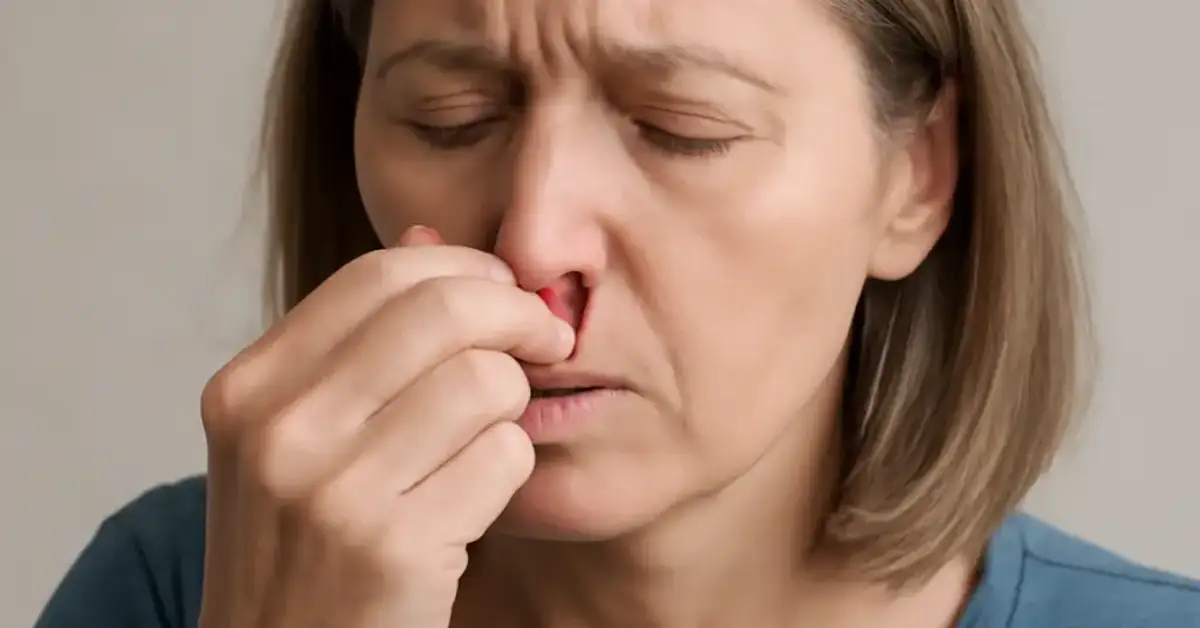
What Readers Should Know About Causes of Frequent Nosebleeds
Frequent nosebleeds, medically known as recurrent epistaxis, affect millions of people each year. The nose contains a rich network of delicate blood vessels near the surface of the nasal lining, making it prone to bleeding when irritated. While an occasional nosebleed is common and usually harmless, experiencing recurring nosebleeds can interfere with daily life and signal an underlying issue that deserves attention. For a related guide, see 9 Myths About Ear Cleaning You Should Stop Believing.
Understanding the causes of nosebleeds is the first step toward effective management. In this article, we break down nine primary triggers, explain how they contribute to nasal bleeding, and offer actionable strategies for nosebleed prevention. Whether you are an adult dealing with persistent symptoms or a parent concerned about your child, this guide provides the clarity you need.
How the Nasal Anatomy Makes Bleeding Likely
The nasal septum, which divides the nostrils, contains a region called Kiesselbach’s plexus — a convergence of small arteries and capillaries. This area is especially susceptible to blood vessel irritation. When the nasal lining dries out, becomes inflamed, or is physically disturbed, these vessels can rupture, causing a nosebleed. Repeated episodes can lead to chronic nosebleeds if the underlying cause is not addressed.
1. Dry Indoor Air and Low Humidity
One of the most common causes of frequent nosebleeds is dry air, particularly during winter months when indoor heating systems reduce humidity. Dry air dries out the nasal mucous membranes, making them cracked and brittle. When the tissue loses moisture, even a slight breath or minor rubbing can trigger dry air nosebleeds.
Who Is Most Affected
People living in arid climates, those who use forced-air heating, and individuals who spend prolonged time in air-conditioned environments are at higher risk. Recurring nosebleeds in these settings often resolve when humidity is improved.
Prevention Tips
- Use a humidifier in bedrooms and living areas, especially at night.
- Apply a thin layer of saline gel or petroleum jelly inside the nostrils before bed.
- Stay well hydrated by drinking adequate water throughout the day.
2. Allergies and Allergic Rhinitis
Allergy-related nosebleeds are common in both children and adults. Allergic rhinitis causes inflammation and swelling of the nasal lining, which makes blood vessels more fragile. Frequent sneezing, nasal congestion, and the urge to rub or blow the nose can lead to nasal bleeding.
Seasonal and Perennial Triggers
Pollen, dust mites, pet dander, and mold spores are typical culprits. When allergies are poorly controlled, the constant state of nasal inflammation increases the likelihood of recurring nosebleeds.
Management Strategies
- Identify and avoid specific allergens through testing and environmental controls.
- Use antihistamines or nasal corticosteroid sprays as directed by a healthcare provider.
- Rinse the nasal passages gently with a saline spray or neti pot to remove irritants.
3. Frequent Nose Picking (Especially in Children)
Nose picking — whether habitual or driven by dryness — is a leading cause of recurring nosebleeds, particularly in young children. The fingernail can easily scratch the fragile blood vessels inside the nostril, causing immediate bleeding. Repeated picking prevents the tissue from healing, leading to chronic nosebleeds.
Why It Becomes a Cycle
Dryness or the presence of crusts often triggers the urge to pick. Once bleeding occurs, the resulting scab can feel irritating, prompting further picking and re-bleeding. This self-perpetuating cycle is a classic example of how blood vessel irritation leads to epistaxis causes that are behavioral.
Prevention and Behavior Modification
- Keep children’s fingernails short and clean.
- Moisturize the nostrils to reduce crusting.
- Offer alternative activities to keep hands busy, especially during quiet times.
4. Nasal Irritation from Environmental Factors
Exposure to irritants like cigarette smoke, chemical fumes, strong perfumes, or pollution can inflame the nasal lining and trigger nasal bleeding. This is particularly relevant for individuals who work in industrial settings or live in highly polluted urban areas.
Occupational and Lifestyle Risks
Workers in cleaning, manufacturing, or construction may inhale dust, solvents, or other chemicals that dry out and irritate the nasal passages. Smokers and those exposed to secondhand smoke also face an elevated risk of causes of nosebleeds that are preventable.
Protective Measures
- Wear a mask in dusty or chemical-laden environments.
- Improve indoor air quality with HEPA filters.
- Avoid smoking and limit exposure to strong fragrances.
5. Sinus Infections and Chronic Sinusitis
Sinus infection symptoms often include congestion, facial pressure, and nasal discharge. These infections cause swelling and inflammation of the sinus cavities and nasal passages, which can weaken blood vessels. When you blow your nose forcefully to clear mucus, the pressure can rupture these fragile vessels and produce nasal bleeding. For a related guide, see 12 Signs You May Have Chronic Sinusitis.
Recurrent Infections as a Underlying Driver
Individuals with chronic sinusitis experience prolonged nasal inflammation, which keeps the blood vessels in a vulnerable state. This makes recurring nosebleeds more likely, especially during flare-ups.
Treatment and Self-Care
- Treat bacterial sinus infections promptly with antibiotics when prescribed.
- Use saline irrigation to keep nasal passages moist and clear.
- Avoid forceful nose blowing; instead, use a gentle, one-nostril-at-a-time technique.
6. Overuse of Nasal Sprays
Many people rely on over-the-counter decongestant nasal sprays for quick relief of stuffiness. However, prolonged use — typically beyond three days — can cause a condition called rhinitis medicamentosa, which leads to rebound congestion and nasal bleeding. The medication constricts blood vessels initially, but as it wears off, the vessels dilate and become more fragile.
Corticosteroid Sprays and Dryness
Even prescription nasal corticosteroid sprays, when used incorrectly or excessively, can dry out the nasal lining and contribute to causes of nosebleeds. Proper technique and following the prescribed dosing schedule are critical.
Safe Usage Guidelines
- Never use decongestant sprays for more than three consecutive days.
- If you need a corticosteroid spray, aim the nozzle slightly away from the septum to minimize direct irritation.
- Lubricate the nostrils with saline if the spray causes dryness.
7. Blood-Thinning Medications and Supplements
Medications that interfere with blood clotting significantly increase the risk of recurring nosebleeds. Common blood thinners include aspirin, warfarin (Coumadin), clopidogrel (Plavix), and direct oral anticoagulants like apixaban (Eliquis) and rivaroxaban (Xarelto). Even over-the-counter supplements such as fish oil, vitamin E, and ginkgo biloba can have mild blood-thinning effects.
Why Bleeding Is More Difficult to Stop
When you are on these medications, the normal clotting process is slowed. A small nick inside the nose that would normally stop bleeding quickly can ooze for longer periods. This is why nosebleed treatment in patients on anticoagulants must be approached with caution.
Management for Patients on Blood Thinners
- Inform your ENT or primary care physician about all medications and supplements you take.
- Do not discontinue prescribed blood thinners without consulting your doctor.
- Keep the nasal passages well lubricated to prevent minor trauma.
8. High Blood Pressure (Hypertension)
The link between high blood pressure and nasal bleeding is debated, but clinical evidence supports that untreated or poorly controlled hypertension can make nosebleeds more severe and harder to control. Elevated pressure within the arterial system puts extra stress on the walls of nasal blood vessels, making them more likely to rupture.
When Blood Pressure Plays a Role
Many patients who present to emergency departments with persistent nosebleeds are found to have significantly elevated blood pressure readings. While hypertension is rarely the sole cause, it often compounds other factors such as dry air nosebleeds or blood vessel irritation.
Monitoring and Control
- Have your blood pressure checked regularly, especially if you experience frequent nosebleeds.
- Follow your doctor’s recommendations for diet, exercise, and medication to manage hypertension.
- During a nosebleed, sit upright and lean forward; avoid lying flat, which can increase blood pressure in the head.
9. Underlying Medical Conditions Affecting Blood Clotting or Vessels
Less common but important causes of frequent nosebleeds include disorders that impair the body’s ability to clot blood or that weaken blood vessel walls. Conditions such as hemophilia, von Willebrand disease, thrombocytopenia (low platelet count), and liver disease can all lead to chronic nosebleeds. Genetic disorders like hereditary hemorrhagic telangiectasia (HHT) cause abnormal blood vessel formation, making the nose particularly prone to bleeding.
Identifying Red Flags
For individuals who experience recurring nosebleeds without an obvious environmental or lifestyle trigger, an underlying condition may be present. Additional warning signs include easy bruising, prolonged bleeding from minor cuts, gum bleeding, or a family history of bleeding disorders.
Recommended Evaluation
- Consult an ENT specialist (otolaryngologist) for a thorough nasal examination.
- Blood tests, including a complete blood count (CBC) and coagulation studies, may be ordered.
- Imaging studies such as nasal endoscopy can help identify abnormal blood vessels.
Risk Factors That Increase Susceptibility to Nosebleeds
Beyond the nine specific causes of nosebleeds, certain risk factors make some people more prone to nasal bleeding than others. Understanding these can help target prevention efforts more effectively.
- Environmental conditions: Low humidity, high altitude, and cold weather all increase dryness.
- Seasonal changes: Winter heating and spring allergy peaks create a double burden of dry air and nasal inflammation.
- Respiratory illnesses: Colds, flu, and sinus infections cause congestion and encourage nose blowing.
- Chronic nasal inflammation: Persistent rhinitis, whether allergic or non-allergic, leaves blood vessels fragile.
When Should Frequent Nosebleeds Be Evaluated by a Doctor?
While occasional nosebleeds are usually not serious, there are clear warning signs that warrant professional evaluation. If you or your child experience any of the following, it is time to see a healthcare provider:
- Nosebleeds that occur more than once a week despite preventive measures.
- Bleeding that lasts longer than 20 minutes despite direct pressure.
- Very heavy bleeding that causes lightheadedness or difficulty breathing.
- Nosebleeds that start after a head injury or facial trauma.
- Bleeding that occurs along with easy bruising, bleeding gums, or blood in the urine or stool.
- You are taking blood-thinning medications and experience recurring nosebleeds.
An ENT specialist can identify ENT conditions such as a deviated septum, nasal polyps, or abnormal blood vessels that may be contributing to chronic nosebleeds.
Practical Tips for Nosebleed Prevention and Long-Term Nasal Health
Preventing frequent nosebleeds involves a combination of good habits, environmental adjustments, and prompt attention to underlying health issues. Here is a summary of the most effective strategies:
- Moisturize daily: Use a saline spray, nasal gel, or a humidifier to keep the nasal lining hydrated.
- Avoid nose picking: Keep fingernails short and offer children alternative sensory activities.
- Blow gently: Clear mucus without excessive force, and use a damp tissue to reduce friction.
- Manage allergies: Follow an allergy action plan with your doctor, including medications and environmental controls.
- Medication review: Ask your physician whether any of your prescriptions or supplements could be increasing your bleeding risk.
- Control blood pressure: Keep hypertension in check with lifestyle changes and prescribed treatment.
- Seek professional care: If nosebleeds persist despite these measures, consult an ENT for a comprehensive evaluation.
Useful Resources
For more detailed information on nosebleed treatment and epistaxis causes, consult these trusted sources:
- American Academy of Otolaryngology – Nosebleeds (Epistaxis) – A professional overview of causes, first aid, and treatment options from an ENT perspective.
- Mayo Clinic – Nosebleeds: Symptoms and Causes – Comprehensive patient education on common triggers and when to seek medical care.
Understanding the causes of frequent nosebleeds is the first step toward reducing their impact on your life. By addressing environmental triggers, managing underlying health conditions, and practicing good nasal health habits, most people can significantly decrease the frequency and severity of nasal bleeding episodes. If your symptoms persist or worsen, do not hesitate to consult an ENT specialist for personalized care.
Frequently Asked Questions About Causes of Frequent Nosebleeds
What causes frequent nosebleeds ?
The most common causes of frequent nosebleeds include dry indoor air, allergies, nose picking, sinus infections, overuse of nasal sprays, blood-thinning medications, high blood pressure, and underlying medical conditions affecting blood clotting or blood vessels. For a related guide, see 10 Common Causes of Hearing Loss: Essential Guide for Healthcare Professionals.
Why do some people get nosebleeds often?
Some people are predisposed to recurring nosebleeds due to anatomical factors like a deviated septum, chronic nasal inflammation from allergies, or long-term exposure to dry environments. Others may have an underlying bleeding disorder or take medications that thin the blood.
Are frequent nosebleeds a sign of a medical condition?
Yes, frequent nosebleeds can sometimes be a sign of a medical condition such as hypertension, blood clotting disorders, or hereditary hemorrhagic telangiectasia (HHT). If you have persistent or severe episodes, it is important to get evaluated.
Can dry air cause recurring nosebleeds ?
Absolutely. Dry air nosebleeds are among the most common causes of nosebleeds. Low humidity dries out the nasal mucous membranes, causing them to crack and bleed easily, especially during winter months.
How do allergies contribute to nosebleeds?
Allergies cause nasal inflammation, making blood vessels more fragile. Frequent sneezing, congestion, and nose rubbing further irritate the lining, leading to allergy-related nosebleeds.
Can high blood pressure lead to nosebleeds?
While high blood pressure is rarely the sole cause, it can make nasal bleeding more severe and harder to control. Uncontrolled hypertension increases pressure in nasal blood vessels, raising the risk of rupture.
What medications increase the risk of nosebleeds?
Blood-thinning medications such as aspirin, warfarin, clopidogrel, apixaban, and rivaroxaban increase the risk of recurring nosebleeds. Supplements like fish oil, vitamin E, and ginkgo biloba may also contribute.
When should frequent nosebleeds be evaluated by a doctor?
You should see a doctor if you experience frequent nosebleeds more than once a week, if bleeding lasts longer than 20 minutes, if it is very heavy, or if it occurs after a head injury. Also seek evaluation if you have easy bruising or take blood thinners.
Can sinus infections trigger nosebleeds?
Yes. Sinus infection symptoms like congestion and inflammation can weaken nasal blood vessels. Forceful nose blowing during a sinus infection is a common trigger for nasal bleeding.
What role does nose picking play in recurrent bleeding?
Nose picking directly traumatizes the fragile blood vessels inside the nostrils. It is one of the most common causes of nosebleeds in children and contributes to a cycle of scab formation and re-bleeding.
Are frequent nosebleeds common in children?
Yes, frequent nosebleeds are very common in children, especially between ages 2 and 10. This is often due to dry air, allergies, and nose picking. Most children outgrow them as the nasal passages mature.
How can you prevent recurring nosebleeds ?
Nosebleed prevention includes using a humidifier, moisturizing the nostrils with saline, avoiding nose picking, managing allergies, and staying hydrated. If you take blood thinners, keep your nose well lubricated and consult your doctor.
What health conditions are associated with nosebleeds?
Conditions associated with chronic nosebleeds include hypertension, hemophilia, von Willebrand disease, thrombocytopenia, liver disease, and hereditary hemorrhagic telangiectasia (HHT).
Can nasal sprays cause nosebleeds?
Yes, overuse of decongestant nasal sprays can cause nasal bleeding by drying out the lining and leading to rebound congestion. Even corticosteroid sprays can contribute if used improperly.
What treatments are available for persistent nosebleeds?
Nosebleed treatment options include nasal cautery (sealing the bleeding vessel), topical hemostatic agents, and, in severe cases, surgical ligation of the blood supply. An ENT specialist can recommend the best approach based on the underlying causes of frequent nosebleeds.
Is it safe to use a humidifier every night for nosebleeds?
Yes, using a humidifier every night is a safe and effective way to prevent dry air nosebleeds. Keep humidity around 45–50% and clean the humidifier regularly to avoid mold growth.
Can stress cause frequent nosebleeds ?
Stress itself is not a direct cause, but it can worsen conditions like high blood pressure and lead to habits like nose rubbing or picking. Managing stress may help reduce recurring nosebleeds indirectly.
What should I do if my child has a nosebleed at school?
Have the child sit upright and lean forward. Pinch the soft part of the nose for 10 minutes. Avoid tilting the head back. Notify the school nurse and the child’s doctor if frequent nosebleeds become a pattern.
Are nosebleeds more common in winter?
Yes, recurring nosebleeds are more common in winter due to dry indoor heating and cold outdoor air. Preventive measures like humidity control and nasal lubrication are especially important during colder months.
Can pregnancy cause frequent nosebleeds ?
Yes, pregnancy can lead to frequent nosebleeds due to increased blood volume and hormonal changes that dilate blood vessels. This is usually temporary and resolves after delivery.