
Reasons Why Your Ears Keep Ringing Key Takeaways
Tinnitus — often described as a ringing, buzzing, or hissing in the ears — is not a disease but a symptom of an underlying disruption in the auditory system .
- Reasons Why Your Ears Keep Ringing include noise induced tinnitus , hearing loss tinnitus , earwax tinnitus , and Meniere’s disease tinnitus .
- Medical conditions such as high blood pressure, metabolic disorders, and ototoxic medications can trigger or worsen chronic ear ringing .
- Stress, anxiety, and sleep deprivation amplify the perception of tinnitus, making stress tinnitus a common complaint even without detectable ear damage.
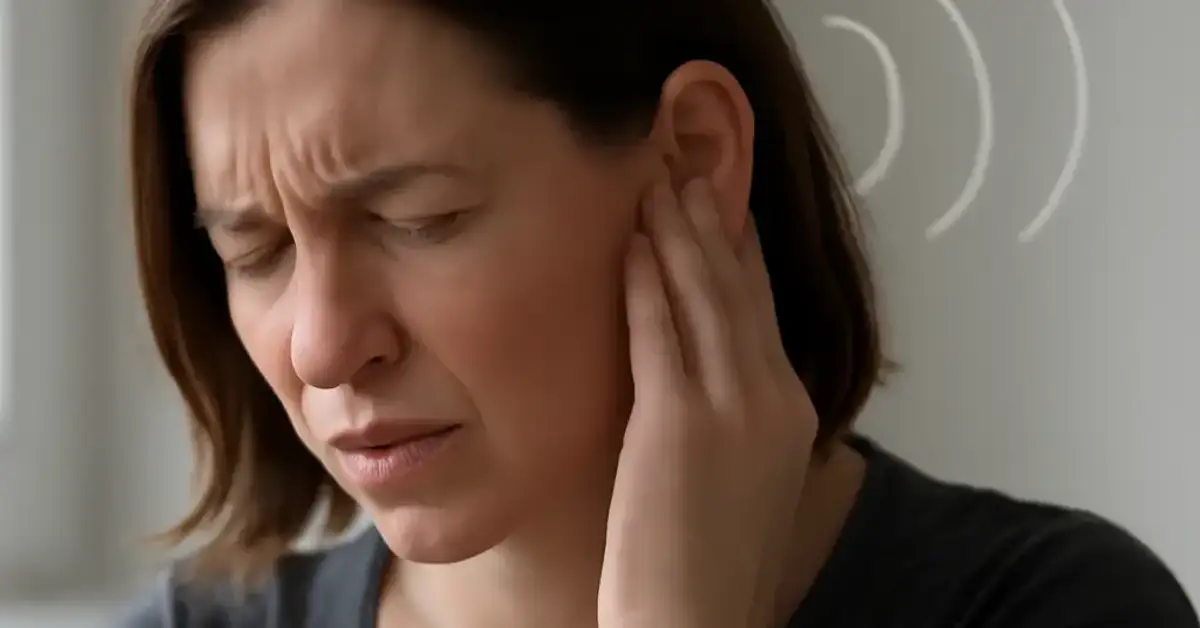
Understanding Why Your Ears Keep Ringing: The Basics of Tinnitus
Tinnitus affects an estimated 10–15% of adults worldwide. The phantom sound — which can be a tone, buzz, roar, click, or hiss — arises from abnormal activity in the auditory system disorders pathway. This can begin in the inner ear (cochlea), travel along the auditory nerve, or originate in the brain’s sound-processing centers. Because the reasons why your ears keep ringing are varied, ENT tinnitus causes require a systematic evaluation that includes hearing tests, imaging, and a review of medications and lifestyle.
Below, we unpack nine distinct causes, each with clinical context, typical presentation, and guidance on when to seek help from a healthcare provider or audiologist.
1. Noise-Induced Tinnitus: The Most Common Trigger
Noise induced tinnitus is among the leading tinnitus causes in both younger and older populations. Exposure to loud sounds — whether from occupational machinery, concerts, firearms, or personal audio devices — damages the delicate hair cells in the cochlea. These cells normally convert sound vibrations into electrical signals for the brain. When they are injured or killed, the brain may compensate by increasing neural gain, producing the sensation of sound where none exists.
How Loud Is Too Loud?
Sounds above 85 decibels (dB) can cause permanent hearing damage symptoms with prolonged exposure. A typical lawnmower is around 90 dB; a rock concert can exceed 110 dB. Even a single acute noise trauma, such as an explosion or gunshot, can trigger immediate ear ringing reasons that persist for years.
Prevention and Early Action
Use hearing protection (earplugs or earmuffs) in noisy environments. If you notice ringing after a loud event, give your ears 24–48 hours of quiet rest. Persistent symptoms warrant a hearing evaluation to assess for hearing loss tinnitus.
2. Age-Related Hearing Loss (Presbycusis)
As we age, the cochlea naturally degenerates. This process, known as presbycusis, typically begins after age 60 and affects high-frequency hearing first. Hearing loss tinnitus often accompanies presbycusis because the brain receives less auditory input and generates substitute activity — the ringing.
Among older adults, chronic ear ringing is frequently dismissed as “normal aging,” but it can be managed. Hearing aids, which amplify ambient sounds, are the most effective intervention for hearing loss tinnitus. They reduce the contrast between silence and internal noise, making the ringing less noticeable.
3. Earwax Blockage (Cerumen Impaction)
Excessive or impacted earwax can physically obstruct the ear canal, causing pressure changes and altering how sound waves reach the eardrum. This mechanical interference is a reversible but often overlooked cause of earwax tinnitus.
Ear ringing reasons related to wax include a feeling of fullness, muffled hearing, and sometimes a low-pitched ringing or buzzing. Do not attempt to remove wax with cotton swabs, which can push the wax deeper. Instead, see a healthcare provider for professional removal — either with irrigation, suction, or micro-instruments. Once the blockage is cleared, the tinnitus typically resolves.
4. Meniere’s Disease and Inner Ear Disorders
Meniere’s disease tinnitus is part of a triad that includes episodic vertigo (spinning dizziness), fluctuating hearing loss, and aural fullness. The cause is believed to be abnormal fluid buildup in the inner ear (endolymphatic hydrops).
In Meniere’s, the why ears ring question often points to a low-frequency, roaring quality that fluctuates with attacks. Management involves dietary changes (low sodium), diuretics, and sometimes intratympanic steroid injections or vestibular rehabilitation. Other inner ear disorders — such as labyrinthitis or superior semicircular canal dehiscence — can also produce pulsatile tinnitus (ringing that beats in time with the pulse).
5. Ototoxic Medications: When Drugs Harm Hearing
Ototoxic medications are drugs that damage the inner ear structures — particularly the cochlea and vestibular system — leading to tinnitus causes that are preventable if caught early. Common culprits include:
- Aminoglycoside antibiotics (gentamicin, tobramycin) — used for severe infections
- Loop diuretics (furosemide) — prescribed for hypertension or heart failure
- High-dose aspirin or other salicylates — especially at anti-inflammatory doses
- Chemotherapy agents (cisplatin, carboplatin)
- Quinine and related antimalarials
If you develop ringing soon after starting a new medication, consult your prescribing clinician. In some cases, dose reduction or switching to a less ototoxic alternative can reverse or limit the hearing damage symptoms.
6. Cardiovascular and Metabolic Conditions
The ear is highly sensitive to blood flow. Conditions that affect circulation — such as high blood pressure, atherosclerosis, and diabetes — can produce pulsatile tinnitus, where the sound matches the heartbeat. Auditory system disorders may arise when narrowed or stiffened blood vessels increase turbulence, and the brain interprets this as a rhythmic sound.
Chronic ear ringing in the context of hypertension often improves with better blood pressure control. Likewise, metabolic factors — like thyroid dysfunction, anemia, or high cholesterol — can alter the inner ear’s metabolic environment and contribute to tinnitus causes that mimic primary ear disease.
7. Ear Infections and Eustachian Tube Dysfunction
Middle ear infections (otitis media) and fluid buildup behind the eardrum can cause temporary ear ringing reasons. The infection or effusion dampens normal sound transmission and can irritate the auditory nerve. ENT tinnitus causes in this category include: For a related guide, see 12 Warning Signs You May Have an Ear Infection.
- Acute or chronic otitis media
- Serous otitis media (fluid without infection)
- Eustachian tube dysfunction (pressure imbalance)
- Mastoiditis (infection of the mastoid bone)
Treatment of the infection — with antibiotics, decongestants, or in some cases, drainage of fluid — usually resolves the tinnitus. Persistent symptoms after infection resolution warrant further audiologic workup.
8. Stress, Anxiety, and Sleep Deprivation
Stress tinnitus is a real phenomenon. Psychological stress and anxiety increase the brain’s vigilance and arousal levels, making it more likely to notice and fixate on internal sounds. Sleep deprivation further lowers the threshold for perceiving the ringing. This creates a vicious cycle: tinnitus causes poor sleep, and poor sleep makes tinnitus more intrusive.
Cognitive behavioral therapy (CBT), mindfulness, and sound therapy (such as white-noise machines) are evidence-based approaches for breaking this loop. Managing stress tinnitus does not require finding an organic ear lesion — it targets the brain’s interpretation of the signal.
9. Head and Neck Injuries (Trauma and TMJ Disorders)
Whiplash, concussions, and jaw misalignment (temporomandibular joint disorders, or TMJ) can all cause chronic ear ringing. The auditory nerve and its supporting structures are intimately connected to the cervical spine and jaw muscles. Trauma can stretch or compress these neural pathways, leading to abnormal signals.
Patients with tinnitus causes from TMJ often report that the ringing changes with jaw movement, clenching, or chewing. Physical therapy, dental splints, and anti-inflammatory treatments may provide relief. In head-injury cases, the tinnitus may improve over months as the brain heals, but persistent cases should be evaluated by both a neurologist and an audiologist.
How Tinnitus Is Diagnosed: A Systematic Approach
Because the reasons why your ears keep ringing are so diverse, diagnosis begins with a thorough history and physical exam. An otolaryngologist (ENT) will assess for earwax tinnitus, infection, and hearing loss. Audiometry (hearing test) quantifies any hearing damage symptoms. If pulsatile tinnitus is suspected, vascular imaging (CT, MRI, or ultrasound) may be ordered.
Blood tests rule out metabolic disorders, anemia, and thyroid dysfunction. If medication-linked ototoxic medications are a concern, a pharmacologic review is performed. For most patients, the cause is multifactorial — for example, mild hearing loss plus stress plus high noise exposure.
Table: Common Tinnitus Causes at a Glance
| Cause | Key Feature | Common Treatment |
|---|---|---|
| Noise-induced tinnitus | High-pitched ringing after loud events | Hearing protection, hearing aids |
| Age-related hearing loss | Gradual onset after 60, high-frequency loss | Hearing aids |
| Earwax blockage | Fullness, muffled hearing, low-pitched sound | Professional wax removal |
| Meniere’s disease | Vertigo, fluctuating hearing, roaring quality | Dietary changes, diuretics |
| Ototoxic medications | Onset after starting a new drug | Dose adjustment or drug switch |
| Cardiovascular disease | Pulsatile, pulse-synchronous ringing | Blood pressure control, lifestyle changes |
| Ear infection | Pain, fever, fluid in middle ear | Antibiotics, decongestants |
| Stress and anxiety | Worse with fatigue, anxiety, focus | CBT, sound therapy, sleep hygiene |
| Head/neck trauma | Changes with jaw or neck movement | Physical therapy, dental splint |
Useful Resources
For a deeper understanding of tinnitus causes and treatments, the following authoritative sources offer evidence-based reviews and clinical guidelines:
- National Institute on Deafness and Other Communication Disorders (NIDCD) — Tinnitus Overview
- American Speech-Language-Hearing Association (ASHA) — Tinnitus Information
Final Thoughts on Why Your Ears Keep Ringing
The reasons why your ears keep ringing are rarely simple, but that does not mean relief is out of reach. Whether the source is noise induced tinnitus, hearing loss tinnitus, a medication, or a blood pressure problem, a step-by-step diagnostic approach can uncover the contributing factors. Work with your healthcare provider — an audiologist, ENT, or primary care clinician — to map out a treatment plan that targets the cause, not just the noise.
Remember: tinnitus is a symptom, not a disease. By identifying and addressing the underlying tinnitus causes, most people can reduce the burden of chronic ear ringing and improve their quality of life.
Frequently Asked Questions About Reasons Why Your Ears Keep Ringing
What causes ears to keep ringing?
Ear ringing reasons are diverse and include noise exposure, age-related hearing loss, earwax blockage, Meniere’s disease, ototoxic medications, cardiovascular conditions, ear infections, stress, and head or neck injuries. Determining the specific cause requires an evaluation by an audiologist or ENT specialist.
Why do I have tinnitus in one or both ears?
Tinnitus can be unilateral (one ear) or bilateral (both ears). Unilateral tinnitus may signal a localized problem such as earwax tinnitus, acoustic neuroma, or Meniere’s disease. Bilateral chronic ear ringing often relates to systemic causes like hearing loss tinnitus, medication effects, or high blood pressure.
What are the common reasons for tinnitus?
The most common tinnitus causes are prolonged loud noise exposure, age-related hearing loss (presbycusis), and earwax blockage. Other frequent contributors include Meniere’s disease tinnitus, ototoxic medications, and stress tinnitus. For a related guide, see 10 Common Causes of Hearing Loss: Essential Guide for Healthcare Professionals.
Is ear ringing a sign of hearing loss?
Yes, in many cases. Hearing loss tinnitus occurs when the brain compensates for reduced auditory input by generating phantom sounds. It is a very common symptom in older adults with presbycusis and in individuals with noise induced tinnitus.
Can stress cause tinnitus symptoms?
Absolutely. Stress tinnitus is a well-recognized phenomenon where psychological tension heightens the brain’s awareness of internal sounds. Stress, anxiety, and poor sleep can also make existing tinnitus louder and more intrusive.
How does noise exposure lead to tinnitus?
Loud sound damages the hair cells in the cochlea, disrupting the normal auditory signal. The brain responds by increasing its neural gain, which results in the perception of sound — noise induced tinnitus — even in a quiet environment.
What medical conditions are linked to tinnitus?
Medical conditions associated with tinnitus causes include hypertension, atherosclerosis, diabetes, thyroid disorders, anemia, Meniere’s disease, temporomandibular joint disorder (TMJ), and multiple sclerosis. Many affect blood flow or nerve signaling in the auditory system.
Can earwax cause ringing in the ears?
Yes, impacted earwax can physically block the ear canal, altering pressure and sound conduction. This can produce earwax tinnitus, which typically resolves after professional wax removal.
What medications trigger tinnitus?
Ototoxic medications that can cause or worsen tinnitus include high-dose aspirin, aminoglycoside antibiotics (gentamicin, tobramycin), loop diuretics (furosemide), chemotherapy agents (cisplatin), and quinine. The effect may be reversible if the drug is stopped early.
When should tinnitus be a concern?
Tinnitus that is sudden, unilateral, pulsatile (heartbeat-synchronous), or accompanied by hearing loss, dizziness, or pain warrants prompt evaluation. Likewise, if chronic ear ringing interferes with sleep or concentration, seek help from an ENT specialist.
How is tinnitus diagnosed?
Diagnosis includes a detailed history, otoscopic exam, pure-tone audiometry, and sometimes tympanometry. Based on findings, imaging (MRI, CT) or blood work may be ordered. The goal is to identify the specific tinnitus causes and rule out dangerous conditions.
Can tinnitus go away on its own?
In many cases, especially those triggered by temporary factors (e.g., loud noise, ear infection, medication), tinnitus can resolve spontaneously. However, chronic ear ringing due to permanent hearing loss or nerve damage may persist, though it often becomes less bothersome over time.
What are the treatment options for tinnitus?
Tinnitus treatment options depend on the underlying cause but include hearing aids, sound therapy, cognitive behavioral therapy (CBT), stress reduction, and in some cases, medications for anxiety or sleep. If an identifiable cause like earwax or a medication is found, addressing that directly can bring relief.
How does hearing loss relate to tinnitus?
Hearing loss is the single strongest risk factor for tinnitus. Hearing loss tinnitus arises because the brain, starved of natural input, turns up its own internal gain, producing phantom sounds. Restoring hearing with aids often reduces the perceived ringing.
What lifestyle factors worsen ear ringing?
Factors that exacerbate chronic ear ringing include loud noise exposure, excessive caffeine or alcohol, smoking, high-sodium diets (especially in Meniere’s disease), poor sleep, and high stress levels. Eliminating or reducing these triggers helps many patients.
Can anxiety make tinnitus louder?
Yes. Stress tinnitus is amplified by the brain’s heightened arousal during anxiety. The more you focus on the sound, the more the brain highlights it. Breaking this feedback loop with relaxation techniques or CBT is effective.
Is tinnitus a sign of a brain tumor?
Rarely. An acoustic neuroma (a benign tumor on the auditory nerve) can cause unilateral tinnitus and gradual hearing loss. However, the vast majority of tinnitus causes are benign and related to the ear, not the brain.
What is pulsatile tinnitus ?
Pulsatile tinnitus is a type of tinnitus where the sound matches your heartbeat. It often indicates a vascular cause such as high blood pressure, narrowed arteries, or a vascular malformation. Unlike regular tinnitus, pulsatile tinnitus has a physical sound source that can sometimes be heard by the examiner.
Can children get tinnitus?
Yes, children can experience tinnitus, though they may not verbalize it. Common ear ringing reasons in children include ear infections, loud noise exposure (especially from headphones), and earwax blockage. An audiologic workup is recommended if a child complains of ringing.
What should I do if my tinnitus suddenly gets worse?
A sudden increase in chronic ear ringing — especially if accompanied by hearing loss, dizziness, or pain — requires urgent medical evaluation. An ENT can assess for acute causes such as sudden sensorineural hearing loss, infection, or vascular events.