
Symptoms of Airway Problems You Should Never Ignore Key Takeaways
Airway problems can escalate quickly, turning a mild discomfort into a life-threatening emergency within minutes.
- Early recognition of airway obstruction warning signs reduces the risk of severe outcomes in both adults and children.
- Breathing difficulty symptoms such as stridor, wheezing, and rapid breathing require immediate evaluation by a healthcare professional.
- Understanding the underlying causes — including allergic reactions, infections, and foreign body obstruction — helps you respond appropriately in an emergency.
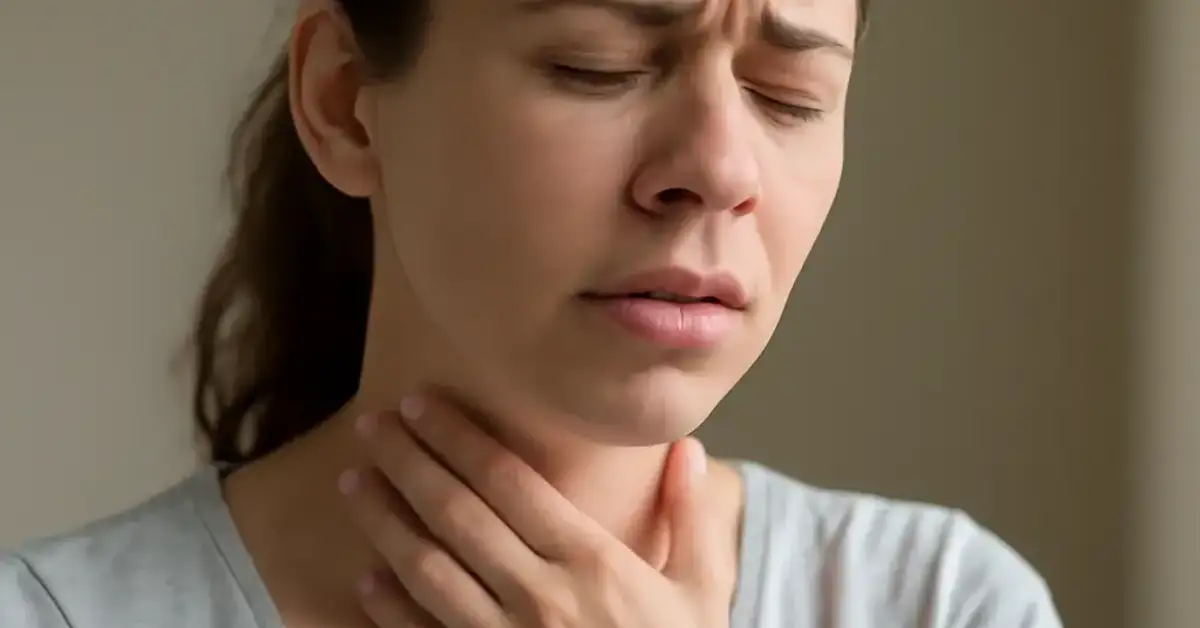
What You Need to Know About the Symptoms of Airway Problems You Should Never Ignore
Your airway is the highway that delivers oxygen to your lungs and every organ in your body. When that highway narrows, swells, or becomes blocked, the consequences can be catastrophic. Whether you are a parent watching your child struggle to breathe, a caregiver assisting an elderly relative, or a healthcare educator training others, knowing the airway obstruction warning signs can make the difference between a manageable situation and a tragedy.
In this article, we break down ten specific breathing difficulty symptoms that demand your attention. Each section explains what the symptom looks like, what causes it, and when you should seek emergency care. We also integrate essential LSI keywords — such as upper airway obstruction causes, pediatric airway emergency, and stridor and wheezing symptoms — to help you build a complete mental picture of airway health.
1. Stridor and Wheezing: High-Pitched Sounds That Signal Airflow Trouble
Stridor and wheezing symptoms are among the most recognizable airway problems symptoms. Stridor is a harsh, high-pitched sound heard during inhalation, often indicating an obstruction in the upper airway — the trachea or the larynx. Wheezing, on the other hand, is a musical, whistling sound that typically occurs during exhalation and suggests narrowing in the lower airways, such as the bronchi.
Both sounds are abnormal and warrant immediate medical evaluation. In children, pediatric airway emergencies like croup or epiglottitis often present with stridor. In adults, new-onset wheezing can signal an asthma flare-up, allergic reaction, or even a foreign body lodged in the airway.
What Causes Noisy Breathing?
The causes behind noisy breathing causes vary by age and medical history. Common triggers include:
- Viral infections such as croup or bronchiolitis in infants
- Upper airway obstruction causes like enlarged tonsils or a peritonsillar abscess
- Vocal cord dysfunction symptoms, where the vocal cords close during inhalation instead of opening
- Asthma-related airway narrowing that responds poorly to medication
If you or your child experiences sudden stridor after eating a new food or taking a medication, consider the possibility of an allergic reaction airway blockage and treat it as an emergency.
2. Respiratory Distress: When Breathing Becomes a Constant Battle
Respiratory distress symptoms go beyond feeling a little short of breath. This condition involves visible signs that the body is struggling to get enough oxygen. You may notice nasal flaring, retractions (the skin pulling in between the ribs or above the collarbone), and the use of accessory muscles in the neck and abdomen to help with breathing. For a related guide, see Respiratory Disorders: Causes, Symptoms, and Treatment.
In infants and young children, respiratory distress symptoms often appear as head bobbing or grunting with each breath. These are unmistakable breathing difficulty signs that require a trip to the emergency room or a call to 911.
Recognizing the Progression
Respiratory distress can worsen rapidly. Early signs include tachypnea (abnormally fast breathing) and an inability to speak in full sentences. As oxygen levels drop, the person may become confused or agitated. This is a critical breathing warning sign that indicates the body’s oxygen reserves are dangerously low.
Any condition that limits airflow — from throat swelling breathing issues to severe asthma attacks — can lead to respiratory distress. Immediate intervention with supplemental oxygen or airway support may be necessary.
3. Cyanosis: A Bluish Hue That Signals Oxygen Deficiency
Cyanosis symptoms refer to a bluish or purple discoloration of the skin, lips, or nail beds. This occurs when the blood lacks sufficient oxygen, a condition known as hypoxemia. Cyanosis is one of the most serious oxygen deficiency signs because it often means the airway is severely compromised.
Central cyanosis — seen around the mouth, lips, and tongue — is especially concerning. It indicates that the heart is pumping oxygen-poor blood to the body. Peripheral cyanosis, which affects only the fingers or toes, can be less urgent but still requires evaluation when accompanied by breathing difficulty symptoms.
If you notice cyanosis in yourself or someone else, do not wait. This is an urgent respiratory symptom that demands immediate medical attention. Oxygen therapy and airway management are often needed to restore safe oxygen levels.
4. Sudden Breathing Difficulty: When Air Hunger Strikes Without Warning
One of the most alarming sudden breathing difficulty causes is a foreign body that blocks the airway. Children frequently put small objects, food, or toys into their mouths, and any of these can become lodged in the throat or trachea. Adults can also experience foreign body airway obstruction from improperly chewed food, especially if they have dental issues or neurological conditions that affect swallowing.
Sudden onset of choking, coughing, or inability to speak is a classic choking risk sign. If the person cannot make any sound, perform abdominal thrusts (Heimlich maneuver) immediately and call for emergency help.
Other Causes of Sudden Breathing Difficulty
Not all sudden breathing problems are due to an object. Anaphylaxis — a severe allergic reaction — can cause throat swelling breathing issues within minutes. Asthma attacks can also escalate quickly, especially when triggered by allergens, exercise, or respiratory infections. In older adults, a pulmonary embolism (a blood clot in the lung) can present as sudden shortness of breath without any audible wheezing.
Knowing these urgent respiratory symptoms helps you differentiate between a situation you can manage at home and one that requires a 911 call.
5. Chronic Cough: More Than a Persistent Annoyance
A cough that lasts longer than eight weeks is considered chronic and should never be dismissed. While many people attribute a lingering cough to a post-nasal drip or seasonal allergies, it can also be a sign of chronic cough airway disease such as asthma, COPD, or even lung cancer. When the cough is dry and hacking, it may indicate vocal cord dysfunction symptoms or a condition known as upper airway cough syndrome. For a related guide, see 10 Proven Causes of Chronic Cough Linked to ENT Problems You Should Know.
Chronic coughing can also be a symptom of airway inflammation symptoms caused by gastroesophageal reflux disease (GERD), which irritates the airway lining over time. If your cough is accompanied by breathing difficulty signs like shortness of breath on exertion, pursue a thorough evaluation with an ENT specialist or pulmonologist.
6. Throat Swelling and Difficulty Swallowing: A Red Flag for Airway Compression
Throat swelling breathing issues often go hand in hand with painful swallowing, a muffled voice, and a feeling of a lump in the throat. These symptoms can arise from infection-related airway swelling, such as a peritonsillar abscess, epiglottitis, or severe tonsillitis. In children, epiglottitis — though less common now due to the Hib vaccine — remains a life-threatening epiglottitis emergency sign that presents with drooling, a tripod sitting position, and a muffled cry. For a related guide, see 10 Common ENT Problems in Children Explained.
In adults, ENT airway emergencies like angioedema (swelling of the deeper layers of the skin caused by an allergic reaction) can cause rapid throat swelling. Any history of allergies to medications, insect stings, or foods should raise suspicion for anaphylaxis airway risk.
If you or someone near you develops sudden throat swelling, do not try to examine the throat with a spoon or flashlight — this can worsen the obstruction. Instead, call 911 immediately and keep the person calm and upright.
7. Sleep Apnea and Nocturnal Breathing Pauses
Sleep apnea airway issues are not just a nuisance for bed partners; they pose serious health risks. Obstructive sleep apnea (OSA) causes repeated collapse of the upper airway during sleep, leading to drops in oxygen levels and fragmented sleep. Common airway problems symptoms include loud snoring, gasping or choking sounds during sleep, daytime fatigue, and morning headaches.
Untreated sleep apnea increases the risk of high blood pressure, heart disease, stroke, and type 2 diabetes. For parents, noticing that your child snores heavily or breathes through their mouth every night could be a pediatric airway emergency related to enlarged tonsils or adenoids.
A sleep study is the gold standard for diagnosing OSA. Treatment ranges from lifestyle changes and oral appliances to CPAP therapy or surgical removal of obstructive tissue. Recognizing the signs early can prevent long-term cardiovascular damage.
8. Chest Tightness and Air Hunger: The Invisible Squeeze
Many people describe the sensation of asthma-related airway narrowing as an elephant sitting on their chest. This feeling of tightness, combined with the inability to take a deep breath, is a classic respiratory distress symptom. It can occur gradually or come on suddenly, especially during exercise or exposure to allergens.
When chest tightness is accompanied by wheezing, coughing, or rapid breathing, it points to bronchoconstriction — narrowing of the airways in the lungs. This is a hallmark of asthma, but it can also occur in COPD exacerbations, bronchitis, or infection-related airway swelling like pneumonia.
If your rescue inhaler provides no relief after two puffs, or if you need to use it more than every four hours, you are experiencing severe breathing problems that require urgent medical evaluation. Do not drive yourself to the hospital — call an ambulance if your symptoms are escalating.
9. Voice Changes and Hoarseness Linked to Airway Dysfunction
A sudden change in your voice — whether it becomes hoarse, weak, or breathy — can indicate vocal cord dysfunction symptoms. This condition occurs when the vocal cords close during inhalation instead of opening, creating a sensation of throat tightness and stridor. It is often mistaken for asthma but does not respond to typical asthma medications.
Voice changes can also be a sign of upper airway obstruction caused by a growth, such as a vocal cord nodule, polyp, or tumor. In rare cases, a paralyzed vocal cord due to nerve damage from surgery or a tumor can cause noisy breathing and shortness of breath. Any persistent hoarseness lasting more than two weeks should be evaluated by an ENT specialist to rule out structural problems that affect lung and throat airflow restriction.
10. Altered Mental Status Due to Low Oxygen
When the brain does not receive enough oxygen, cognitive function suffers. Confusion, restlessness, agitation, or sudden drowsiness can be critical breathing warning signs. In children, a child who becomes unusually quiet or difficult to arouse after a coughing fit may be slipping into respiratory failure.
This symptom is particularly dangerous because the person experiencing it may not recognize that they are in trouble. If you see someone who is struggling to breathe and also seems confused or unresponsive, call 911 immediately. Urgent respiratory care — including high-flow oxygen, non-invasive ventilation, or intubation — may be necessary to prevent brain damage or death.
How to Respond When You Spot Airway Problems
Knowing the airway problems symptoms is only half the battle; knowing how to respond is the other half. Here is a simple action plan for any of the ten symptoms described above:
- Stay calm and call for help. If the person is unable to speak, breathe, or cough effectively, begin first aid maneuvers (back blows and abdominal thrusts in children older than one year; chest thrusts in infants).
- Position the person upright. Sitting up helps keep the airway open. Do not lay them flat unless they are unconscious and you need to perform CPR.
- Administer prescribed medications. If the person has an asthma action plan or an epinephrine auto-injector, use it as directed.
- Monitor for cyanosis and consciousness. Check the lips and nail beds for bluish discoloration, and watch for any change in responsiveness.
Remember, even if symptoms seem to resolve on their own, you should seek medical evaluation to determine the underlying cause. Conditions like anaphylaxis airway risk can have a biphasic reaction, meaning symptoms may return hours later.
Checklist: Daily Monitoring for High-Risk Individuals
| Symptom | What to Check | When to Call 911 |
|---|---|---|
| Noisy breathing | Listen for stridor (inhalation) or wheeze (exhalation) | If accompanied by drooling or tripod sitting |
| Rapid breathing | Count breaths per minute (normal adult: 12–20; child: varies by age) | If >30 in an adult or >60 in a young child at rest |
| Retractions | Look for skin pulling in at the neck, between ribs, or above collarbone | If visible retractions at rest |
| Cyanosis | Check lips, inside mouth, and nail beds for blue tint | Any central cyanosis is an emergency |
| Altered mental state | Compare typical alertness level | If person is confused, drowsy, or unarousable |
Useful Resources
For more detailed guidance on recognizing and managing airway emergencies, refer to these trusted sources:
- American Lung Association — Warning Signs of Lung Disease – Comprehensive overview of symptoms that warrant a doctor visit.
- American Academy of Family Physicians — Upper Airway Obstruction in Children – Clinical review of signs and causes of pediatric airway emergencies.
Frequently Asked Questions About Symptoms of Airway Problems You Should Never Ignore
What are the first signs of an airway obstruction?
The first signs often include sudden coughing, gagging, or a weak cry. The person may grab their throat, appear panicked, and be unable to speak or breathe effectively. These are classic airway obstruction warning signs that require immediate action.
How can I tell if my child is having a breathing emergency?
Look for nasal flaring, retractions (skin pulling in between ribs), grunting, head bobbing, or a blue tint around the lips. Any of these pediatric airway emergency signs call for urgent medical attention.
Is wheezing always a sign of asthma?
No. While asthma-related airway narrowing is a common cause, wheezing can also result from infections, allergies, GERD, or a foreign body in the airway. A thorough evaluation is needed to identify the exact cause.
What should I do if someone stops breathing?
Call 911 immediately and begin CPR. If you suspect a foreign body obstruction, perform abdominal thrusts (Heimlich maneuver) if the person is conscious, or chest compressions if they become unconscious. This is a critical breathing warning sign that requires emergency intervention.
Can anxiety cause airway problems?
Anxiety can lead to hyperventilation and a sensation of breathlessness, but it does not cause true airway obstruction. However, vocal cord dysfunction symptoms can mimic anxiety and asthma, so a proper evaluation is essential.
What is the difference between stridor and wheezing?
Stridor is a high-pitched sound heard mainly during inhalation and indicates an upper airway obstruction. Wheezing is a musical sound heard during exhalation and points to lower airway narrowing. Both are noisy breathing signals that should not be ignored.
How do I know if I have sleep apnea?
Common signs include loud snoring, witnessed pauses in breathing during sleep, gasping or choking sounds, morning headaches, and excessive daytime sleepiness. If you have these sleep apnea airway issues, a sleep study can confirm the diagnosis.
What causes sudden breathing difficulty in adults?
Common sudden breathing difficulty causes include anaphylaxis, asthma exacerbation, pulmonary embolism, pneumonia, or foreign body aspiration. Immediate medical assessment is needed to determine the cause and start treatment.
Can a chronic cough be a sign of airway disease?
Yes. A chronic cough lasting more than eight weeks can indicate chronic cough airway disease, asthma, GERD, or even lung cancer. It should always be investigated by a healthcare provider.
What are the symptoms of epiglottitis?
Epiglottitis presents with severe sore throat, drooling, a muffled voice, and a tripod sitting position (leaning forward with hands on knees). This is a life-threatening epiglottitis emergency sign that requires emergency airway management.
How can I tell if throat swelling is serious?
If throat swelling is accompanied by difficulty breathing, drooling, or a change in voice, it is an emergency. These throat swelling breathing issues could be due to anaphylaxis or a severe infection and require immediate 911.
What are the symptoms of anaphylaxis involving the airway?
Anaphylaxis can cause throat tightness, hoarseness, stridor, wheezing, and a feeling of impending doom. Recognizing anaphylaxis airway risk early allows for prompt epinephrine administration.
Can a foreign body in the airway cause no symptoms at first?
Sometimes. A small object may become lodged in a bronchus and initially cause only mild coughing. Over time, it can lead to foreign body airway obstruction with pneumonia or lung collapse. Any suspected aspiration warrants a chest X-ray and bronchoscopy.
What does cyanosis look like in darker skin tones?
In darker skin, cyanosis may be easier to see around the lips, inside the mouth, and on the nail beds. It presents as a grayish or bluish-white discoloration. These cyanosis symptoms are equally urgent regardless of skin tone.
How is vocal cord dysfunction diagnosed?
Diagnosis involves a laryngoscopy to observe the vocal cords during breathing. Vocal cord dysfunction symptoms often mimic asthma, but they do not respond to traditional asthma treatments.
Can an ENT specialist help with airway problems?
Yes. ENTs diagnose and treat many ENT airway emergencies, including obstructions caused by infections, growths, or structural abnormalities. They can perform procedures such as bronchoscopy, tonsillectomy, or airway dilation.
What are the warning signs of a severe asthma attack?
Warning signs include rapid breathing, inability to speak in full sentences, chest tightness, and little to no relief from a rescue inhaler. These asthma-related airway narrowing signs indicate the need for emergency care.
How does a respiratory infection cause airway swelling?
Infections trigger an immune response that causes inflammation and fluid buildup in the airway lining. This infection-related airway swelling can narrow the passage and lead to breathing difficulty.
What is the best position to help someone with breathing difficulty?
An upright, seated position — often leaning slightly forward — helps keep the airway open and eases breathing. Avoid lying them flat, as this can worsen lung and throat airflow restriction.
When should I go to the ER for breathing problems?
Go to the ER if you or someone else has urgent respiratory symptoms such as severe shortness of breath, stridor, cyanosis, chest pain, confusion, or inability to speak. Do not wait to see if it gets better on its own.