
Relaxation Methods for a Clear Mind and Less Tension Key Takeaways
Stress and mental fatigue are part of modern life, but relaxation methods for a clear mind and less tension offer proven ways to restore calm and focus.
- Relaxation methods for a clear mind and less tension include deep breathing, meditation, progressive muscle relaxation , yoga, mindfulness, and guided imagery.
- Regular practice can reduce anxiety naturally, improve sleep quality, and support emotional balance.
- Beginners can start with just five minutes a day and gradually build a routine that fits their lifestyle.
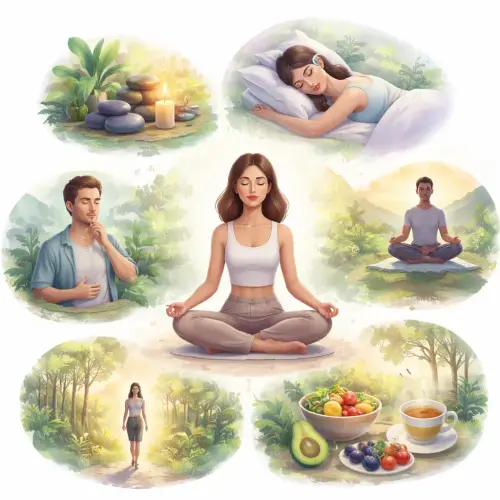
What Are the Best Relaxation Methods for a Clear Mind and Less Tension?
When your mind feels cluttered and your body holds tension, turning to relaxation methods for a clear mind and less tension can make a dramatic difference. These techniques are not just about feeling good in the moment—they actively rewire your nervous system to handle stress more effectively over time. Below, we break down six core methods, explain how they work, and show you exactly how to begin using them today. For a related guide, see 14 Healthy Foods That Improve Mood and Reduce Tension.
1. Deep Breathing: A Quick Reset for the Nervous System
Deep breathing reduce anxiety by activating the parasympathetic nervous system, often called the “rest and digest” mode. When you take slow, intentional breaths, your heart rate slows, blood pressure drops, and your mind becomes clearer.
How to Practice Deep Breathing
Find a quiet spot. Sit upright or lie down. Inhale through your nose for four counts, hold for four counts, exhale through your mouth for six counts. Repeat for two to five minutes. This pattern is one of the most effective best methods to calm the mind quickly because it forces your body to shift out of fight-or-flight mode.
A 2023 study published in Frontiers in Psychology found that daily diaphragmatic breathing for eight weeks significantly lowered cortisol levels and improved attention in adults with high stress. For beginners, this is often the easiest entry point into simple relaxation methods for beginners.
2. Meditation: Training the Brain for Clarity
Meditation improves mental clarity by teaching you to observe thoughts without getting caught in them. Over time, this practice strengthens the prefrontal cortex, the part of the brain responsible for focus and decision-making.
Getting Started with Meditation
You do not need a special cushion or an hour of free time. Start with five minutes of sitting quietly, focusing on your breath. When your mind wanders—and it will—gently bring your attention back. Apps like Headspace or Calm offer guided sessions for beginners. Research from Harvard Medical School shows that eight weeks of mindfulness meditation can increase gray matter density in areas linked to memory and emotional regulation.
This technique is central to any list of 6 relaxation methods for a clear mind and less tension because it directly addresses mental chatter, the root cause of much daily stress.
3. Progressive Muscle Relaxation: Release Physical Tension
Progressive muscle relaxation is a technique where you systematically tense and then release each muscle group in your body. It works because physical tension often accumulates without your awareness—your shoulders creep up, your jaw clenches, your fists tighten.
How to Do Progressive Muscle Relaxation
Lie down or sit comfortably. Start with your feet: tense the muscles as tight as you can for five seconds, then release and notice the sensation of relaxation. Move up to your calves, thighs, abdomen, chest, hands, arms, shoulders, neck, and face. Spend about 15 minutes on the full cycle. Many people find this method particularly helpful before bed, making it one of the relaxation methods improve sleep most effectively.
4. Yoga: Movement Meets Mindfulness
Yoga stress management works on multiple levels: physical postures release muscle tightness, breathwork calms the nervous system, and the meditative focus steadies the mind. Even a short yoga session can lower heart rate and improve mood.
Simple Yoga Poses for Stress Relief
You do not need a full practice. Try three rounds of Sun Salutations, hold Child’s Pose for one minute, and finish with Legs-Up-the-Wall for five minutes. These poses activate the vagus nerve, which helps relax nervous system activity. A 2022 review in International Journal of Yoga concluded that regular yoga practice significantly reduces perceived stress and anxiety, especially when combined with breath-focused movement.
For remote workers who sit all day, this is one of the most practical natural ways to clear the mind after stress, because it also counteracts the physical effects of prolonged sitting.
5. Mindfulness: Staying in the Present Moment
Mindfulness emotional balance comes from training yourself to stay present without judgment. When you practice mindfulness, you stop replaying past regrets or worrying about future problems. This alone can cut stress levels dramatically.
How to Practice Mindfulness Daily
Choose one routine activity—drinking your morning coffee, brushing your teeth, or walking to your car. For the duration of that activity, pay full attention to the sensory details: the smell, the temperature, the sensation. When your mind drifts, redirect it gently. This is one of the simple relaxation methods for beginners because it requires no extra time or equipment.
Over weeks, this practice builds a default state of calm that carries into challenging moments. Combined with other techniques, it becomes a cornerstone of relaxation techniques reduce stress naturally without medication or expensive therapy.
6. Guided Imagery: A Mental Vacation
Guided imagery reduce mental tension by using your imagination to create a peaceful scene. Your brain responds to these mental images almost as if they were real, triggering relaxation responses throughout your body.
Using Guided Imagery Effectively
Close your eyes and picture a place where you feel completely safe and calm—a beach, a forest, a mountain cabin. Engage all your senses: hear the waves, feel the breeze, smell the pine. You can find free guided imagery recordings on platforms like YouTube or Insight Timer. Many people use this technique during work breaks, making it one of the best methods to calm the mind quickly when stress spikes mid-day.
A study from the University of Michigan found that patients who used guided imagery before medical procedures reported 40% less anxiety. This demonstrates how powerful mental visualization can be for relaxation methods for a clear mind and less tension.
How Often Should You Practice Relaxation Techniques?
Consistency matters more than duration. Practicing any of these relaxation methods for a clear mind and less tension for just five minutes daily yields better long-term results than an hour once a week. Aim for at least one session per day, and try to incorporate micro-practices—like three deep breaths before a meeting—throughout your day.
Many people ask, How often should I practice relaxation techniques? The answer depends on your stress level. High-stress periods may call for two to three sessions. When you feel balanced, once a day is sufficient to maintain the benefits.
Combining Techniques for Maximum Relief
The most effective approach is to combine methods. For example, start a morning with five minutes of deep breathing, then do a 10-minute yoga flow. During the afternoon, use a three-minute guided imagery break. At night, finish with progressive muscle relaxation. This layered strategy relax nervous system from multiple angles and prevents boredom. For a related guide, see 8 Breathing Techniques for Deep Relaxation and Better Sleep.
Additionally, adding calming music reduce stress as a background element can amplify the effects of any method. Instrumental tracks with 60 to 80 beats per minute synchronize with the heart’s natural rhythm, promoting deeper relaxation.
Useful Resources
For more on the science behind these techniques, visit the American Institute of Stress: Relaxation Techniques for Stress Relief.
To explore guided meditations and progressive muscle relaxation scripts, check out the free library at UCLA Mindful: UCLA Mindful Guided Meditations.
Final Thoughts on Relaxation Methods for a Clear Mind and Less Tension
You now have a full toolkit of relaxation methods for a clear mind and less tension. Start with one technique that appeals to you—maybe deep breathing or mindfulness—and practice it for five minutes each day for a week. Then add a second. Over time, you will notice calmer reactions to stressors, fewer headaches and muscle aches, and a general sense of mental space.
Remember, the goal is not to eliminate stress entirely—that is unrealistic—but to build resilience so that stress does not take over your health and happiness. By regularly using these relaxation methods for a clear mind and less tension, you give yourself the gift of clarity, peace, and emotional balance every single day.
Frequently Asked Questions About Relaxation Methods for a Clear Mind and Less Tension
What are 6 relaxation methods for a clear mind and less tension ?
Deep breathing, meditation, progressive muscle relaxation, yoga, mindfulness, and guided imagery. Each targets physical and mental tension to restore clarity and calm.
How can relaxation techniques reduce stress naturally ?
They lower cortisol, slow heart rate, reduce muscle tension, and shift the nervous system from sympathetic (fight-or-flight) to parasympathetic (rest-and-digest) mode.
What are the best methods to calm the mind quickly ?
Deep breathing (4-4-6 pattern), a short mindfulness exercise, or three minutes of guided imagery can calm your mind in under five minutes.
How does meditation improve mental clarity?
Meditation strengthens the prefrontal cortex, reduces activity in the default mode network (responsible for mind-wandering), and improves focus and decision-making over time.
What is progressive muscle relaxation and how does it work?
It is a practice where you tense and release each muscle group systematically. This increases body awareness and triggers a deep relaxation response through contrast.
Can deep breathing reduce anxiety and tension?
Yes. Deep diaphragmatic breathing activates the vagus nerve, which lowers heart rate and blood pressure, reducing the physical symptoms of anxiety.
How does yoga help with stress management?
Yoga combines movement, breath control, and meditation. This triad lowers cortisol, releases muscle tightness, and promotes a calm mental state.
What are simple relaxation methods for beginners ?
Start with deep breathing, a five-minute body scan (notice tension areas without judgment), or listening to calming music while sitting quietly.
How does mindfulness improve emotional balance?
Mindfulness trains you to observe emotions without reacting. This reduces emotional reactivity, helping you respond rather than react to stressful situations.
What activities help relax the nervous system?
Slow breathing, gentle yoga, walking in nature, taking a warm bath, and listening to binaural beats or calming instrumental music are all effective.
Can calming music reduce stress levels?
Yes. Music with 60–80 beats per minute synchronizes with your heart rate, lowering cortisol and promoting relaxation within minutes.
How often should I practice relaxation techniques ?
Daily practice yields the best results. Even five to ten minutes per day is more effective than longer sessions done once a week.
What relaxation methods improve sleep quality?
Progressive muscle relaxation, guided imagery, and deep breathing before bed are highly effective for falling asleep faster and experiencing deeper sleep.
How does guided imagery reduce mental tension ?
By vividly imagining a calming scene, your brain activates the same neural pathways as if you were there, reducing stress hormones and promoting relaxation.
What are natural ways to clear the mind after stress ?
Take a short walk outdoors, practice box breathing (4-4-4-4 pattern), do a quick body scan, or listen to nature sounds for five minutes.
Can I practice these methods at my desk?
Yes. Deep breathing, body scans, and short guided imagery are discreet and effective for office or remote work environments.
Are these methods safe for people with anxiety disorders?
Generally yes, but if you have a diagnosed condition, consult a healthcare professional before beginning a new relaxation practice to ensure it complements your treatment.
How long until I see results from relaxation techniques?
Some benefits, like reduced heart rate and calmness, occur immediately. Lasting changes in stress levels typically take two to four weeks of consistent daily practice.
Can children benefit from these relaxation methods?
Absolutely. Simplified versions of deep breathing (like “balloon breathing”) and guided imagery (imagining a favorite place) help children manage emotions and sleep better.
What if I fall asleep during relaxation practices?
That is a common sign your body needs rest. If you consistently fall asleep, try practicing sitting upright or earlier in the day when you are more alert.