
flu symptoms worse Key Takeaways
When you have the flu, seemingly small decisions can make your flu symptoms worse and delay recovery.
- Rest is non-negotiable—pushing through can make your flu symptoms worse and increase the risk of complications.
- Taking the wrong medications or mixing them can prolong illness and strain your body.
- Hydration and proper nutrition are critical; skipping meals or drinks can worsen fatigue and fever.
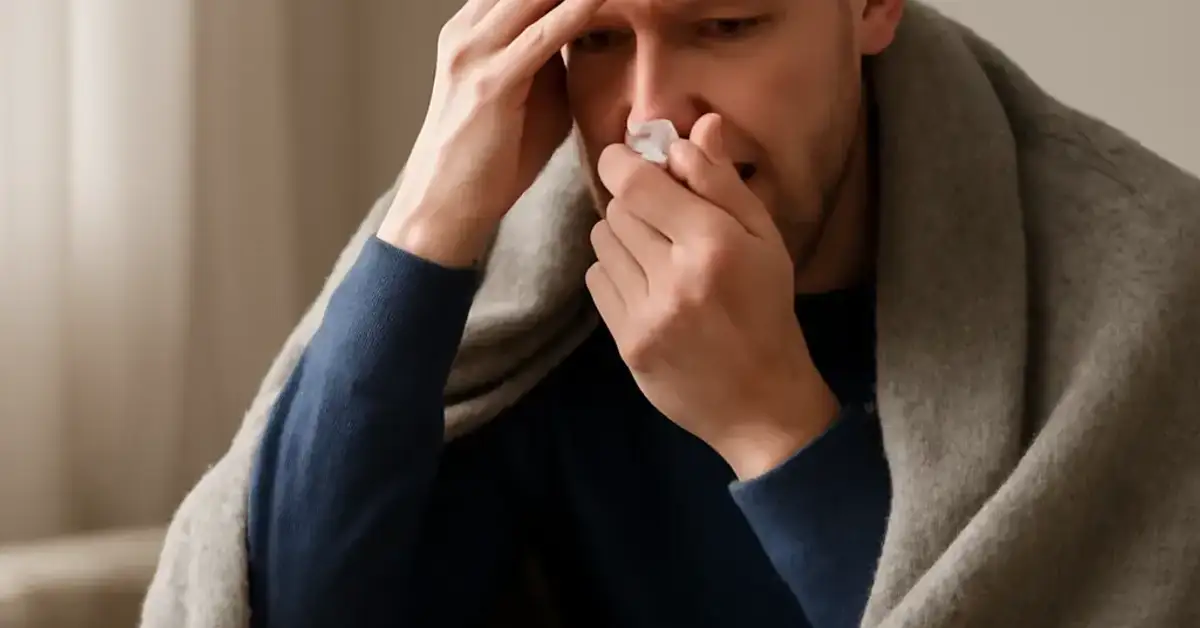
Understanding How Everyday Actions Can Make Flu Symptoms Worse
The flu is a serious respiratory illness caused by influenza viruses. While many people recover at home, certain common flu mistakes can turn a manageable illness into a prolonged ordeal. Recognizing these mistakes that worsen flu symptoms helps you recover faster and avoid hospital visits. For a related guide, see 10 Stress and Burnout Symptoms That Trigger Sleep Disorders – Avoid These.
Below are nine critical errors to avoid, along with actionable advice to support your immune system and comfort during the sickest days.
1. Skipping Rest and Trying to “Power Through”
One of the most frequent flu mistakes is ignoring your body’s need for sleep. When you’re active, your immune system diverts energy away from fighting the virus, which can make your flu symptoms worse. For a related guide, see Can Medical Conditions Cause Anxiety? Causes and Symptoms.
Why it harms you: Physical exertion increases inflammation and stress hormones, suppressing immune function. This can lead to longer fever duration and more severe coughing.
What to do instead: Prioritize bed rest for at least 48 hours after fever breaks. Limit screen time, keep the room cool, and nap as needed.
2. Dehydration: Drinking Too Little Water
Fever, sweating, and respiratory mucus production all deplete fluids. Dehydration thickens mucus, making coughs less productive and causing headaches that compound your flu symptoms worse.
What to do instead: Sip water, herbal teas, or clear broths throughout the day. Aim for at least 8–10 glasses of fluids daily when feverish. Avoid caffeine and alcohol, as they are diuretics.
3. Overusing Decongestant Sprays or Medications
Many people reach for multiple over-the-counter remedies without reading labels. Combining acetaminophen (Tylenol) with other cold products that contain it can lead to accidental overdose, stressing the liver and making your flu symptoms worse.
Why it harms you: Overuse of decongestants can raise blood pressure and heart rate, while prolonged use of nasal sprays causes rebound congestion.
What to do instead: Stick to a single symptom reliever. Use saline nasal sprays for congestion and take acetaminophen only as directed—never exceed 3,000 mg per day.
4. Ignoring Fever or Trying to Suppress It Completely
Fever is your body’s natural defense. Suppressing it entirely with heavy medication can interfere with the immune response. However, letting a dangerously high fever go untreated also makes your flu symptoms worse.
What to do instead: Treat fever only if it exceeds 102°F (38.9°C) or causes extreme discomfort. Use acetaminophen or ibuprofen sparingly and monitor temperature every 4 hours.
5. Returning to Work or School Too Early
Going back to normal activities before you fully recover exposes others to the virus and stresses your body. This is one of the most common flu mistakes that leads to relapse.
Why it harms you: The flu virus can still be shed for 5–7 days after symptoms start. Early return also strains the cardiovascular system, increasing the risk of myocarditis.
What to do instead: Wait until you are fever-free for 24 hours without medication before resuming normal routines. Then ease back gradually.
6. Eating the Wrong Foods
Heavy, greasy, or sugary foods can increase inflammation and worsen nausea. Skipping meals altogether leads to low blood sugar, making your flu symptoms worse.
What to do instead: Choose bland, easy-to-digest foods like soup, crackers, bananas, and toast. Include protein from eggs or yogurt to support immune repair.
7. Not Humidifying the Air
Dry air from heaters can dry out nasal passages, making coughs more painful and trapping mucus. This is an overlooked factor that can make your flu symptoms worse.
What to do instead: Use a cool-mist humidifier in your bedroom. Clean it daily to prevent mold growth. A steamy shower also helps loosen congestion.
8. Ignoring Warning Signs of Complications
Dismissing symptoms like difficulty breathing, chest pain, or confusion is dangerous. These signs indicate the flu is worsening or has turned into pneumonia. Ignoring them is one of the most serious mistakes that worsen flu symptoms. For a related guide, see 10 Long COVID Symptoms That Hurt Sleep Quality – Avoid These.
What to do instead: Seek medical care immediately if you experience shortness of breath, persistent high fever, bluish lips, or confusion. High-risk groups (pregnant women, older adults, young children) should consult a doctor early.
9. Skipping the Flu Vaccine for the Current Season
While the vaccine is preventive, many people skip it even after recovering. The flu virus mutates yearly, and immunity from one season does not protect the next. This mistake can lead to repeat infections that make your flu symptoms worse each time.
What to do instead: Get the annual flu vaccine after you fully recover to reduce your risk for the rest of the season. It is safe to receive it as soon as you feel well.
Final Checklist for Faster Flu Recovery
Use this quick checklist to avoid the common flu mistakes mentioned above:
- Rest for 48 hours after fever ends.
- Drink fluids every 2 hours.
- Check medication labels to avoid overdosing.
- Monitor fever but don’t over-suppress it.
- Stay home until fever-free for 24 hours.
- Eat light, nutritious meals.
- Use a humidifier or steam.
- Watch for emergency signs.
- Get the updated flu vaccine after recovery.
If your symptoms persist or worsen despite these measures, call your doctor. Severe flu can lead to serious complications, and early medical intervention is crucial.
Useful Resources
For more detailed guidance on flu management, visit the CDC’s official flu treatment page.
To check the latest flu vaccine recommendations, see WHO’s influenza season Q and A.
Frequently Asked Questions About flu symptoms worse
Can exercise make my flu symptoms worse?
Yes, moderate to vigorous exercise during the flu can weaken your immune response, increase fever, and lead to longer recovery. It is best to rest.
What should I drink when I have the flu?
Water, electrolyte solutions, herbal teas, and clear broths are best. Avoid caffeine and alcohol.
Can I take ibuprofen and acetaminophen together?
It is generally safe when taken at separate times and within recommended doses, but combine only under medical advice to avoid liver or kidney stress.
How long does the flu last without treatment?
Most people recover in 7 to 10 days, but symptoms can linger longer if you make common flu mistakes like returning to work early.
Does the flu vaccine make you sick?
No, the flu shot contains inactivated virus and cannot cause the flu. You may experience mild side effects like soreness.
Can I go to work if I have the flu?
No, you should stay home for at least 24 hours after your fever resolves without medication to avoid spreading the virus.
What foods make flu symptoms worse?
Dairy can sometimes thicken mucus for some people, though not everyone. Avoid fried foods and sugar which increase inflammation.
Is it bad to sleep too much when sick?
No, extra sleep is beneficial. Your body heals during deep sleep, so rest as much as you need.
Can I take a hot bath with the flu?
Yes, but keep water warm, not hot, and limit time to 10 minutes to avoid dizziness.
How do I know if my flu is turning into pneumonia?
Signs include high fever that returns after improving, chest pain, coughing up blood, or difficulty breathing. Seek immediate help.
Can I eat dairy if I have the flu?
Dairy is generally safe, but if you notice thicker mucus, switch to non-dairy alternatives like almond milk.
Should I take antibiotics for the flu?
No, antibiotics treat bacterial infections, not viruses. Overuse can cause resistance and side effects.
Can stress make flu symptoms worse?
Yes, stress raises cortisol levels, which suppress immunity and can prolong illness.
What is the best room temperature for flu recovery?
Around 68–72°F (20–22°C) is ideal. Too cold may cause shivering; too hot may worsen fever.
Can I drink orange juice when sick?
Yes, orange juice provides vitamin C, but limit sugar if you have nausea. Dilute with water if needed.
How long should I wait to exercise after the flu?
Wait 1–2 weeks after all symptoms disappear before resuming intense activities to avoid relapse.
Can vaping make flu symptoms worse?
Yes, vaping irritates the lungs and impairs the immune response, increasing the risk of severe illness.
Can I have alcohol if I have the flu?
No, alcohol dehydrates and can interact with medications, making symptoms worse.
When should I see a doctor for the flu?
If you have difficulty breathing, chest pain, confusion, high fever over 103°F, or if symptoms improve then return with fever.
Does the flu affect blood pressure?
Yes, fever and dehydration can temporarily raise blood pressure. Monitor it closely if you have hypertension.