
Simple Techniques to Feel Calm and Regain Control Key Takeaways
Stress is not a flaw in your character — it is a biological response designed to protect you.
- Simple techniques help people feel calm by activating the body’s relaxation response, lowering cortisol, and shifting focus from chaos to the present moment.
- Regain emotional control naturally through grounding exercises, deep breathing, and daily mindfulness — no special equipment needed.
- Consistent practice of these methods rewires your brain for resilience, making it easier to manage overwhelming emotions and maintain inner peace.
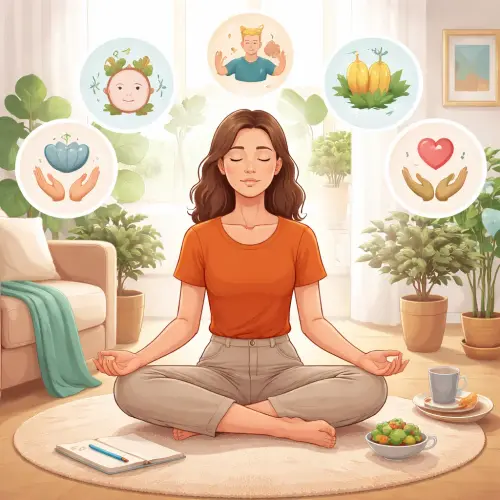
Why Simple Techniques to Feel Calm and Regain Control Work
Stress is not a flaw in your character — it is a biological response designed to protect you. However, when stress becomes chronic, it floods your system with cortisol and adrenaline, leaving you feeling anxious, irritable, and mentally foggy. The Simple Techniques to Feel Calm and Regain Control described below work because they directly counteract this stress response. By engaging your parasympathetic nervous system, these practices lower your heart rate, reduce muscle tension, and create the mental space you need to think clearly. The best part? They require no special training, expensive apps, or hours of free time. For a related guide, see 9 Doctor Approved Tips to Calm Your Mind at Home Fast.
1. Deep Breathing: The Foundation of Calm
Deep breathing improves emotional balance more effectively than almost any other single technique. When you take slow, intentional breaths, you send a signal to your brain that it is safe to relax. The vagus nerve — a key player in the parasympathetic nervous system — responds by lowering your heart rate and blood pressure.
How to Practice Deep Breathing for Instant Calm
Try the 4-7-8 method. Inhale through your nose for a count of 4, hold your breath for 7 counts, and exhale slowly through your mouth for 8 counts. Repeat three to five times. This pattern forces your body out of fight-or-flight mode and into a state of rest. Many people find that this one exercise alone is one of the most effective easy stress relief techniques for daily life.
2. Grounding Techniques for Anxiety and Stress
When your mind feels like a runaway train, grounding techniques for anxiety and stress bring you back to the present moment. These methods anchor your attention to something tangible — your senses, your surroundings, or your own body. For a related guide, see Grounding Techniques for Anxiety Attacks: Calm Yourself Fast.
The 5-4-3-2-1 Method
Look around and notice: 5 things you can see, 4 things you can touch, 3 things you can hear, 2 things you can smell, and 1 thing you can taste. This exercise pulls your focus away from anxious thoughts and into the here and now. It is a powerful way to calm the mind quickly, especially before a stressful meeting or during a panic spell.
3. Mindfulness for Mental Wellness
Mindfulness is not about emptying your mind of thoughts; it is about noticing them without judgment. Research consistently shows that mindfulness help mental wellness by reducing rumination, improving emotional regulation, and increasing self-awareness. Even five minutes a day of sitting quietly with your breath can train your brain to handle stress with more grace.
Simple Mindfulness Practice for Beginners
Set a timer for 5 minutes. Sit comfortably, close your eyes, and bring your attention to the sensation of your breath entering and leaving your nostrils. When your mind wanders — and it will — simply label the thought “thinking” and return to your breath. Over time, this practice strengthens your ability to regain emotional control naturally in difficult moments.
4. Positive Thinking Affects Stress Levels
Your internal self-talk shapes your emotional reality. Positive thinking affects stress levels by interrupting the cycle of negativity that fuels anxiety. When you deliberately replace catastrophic thoughts with balanced, hopeful ones, you lower your stress hormone levels and create a sense of agency.
How to Reframe Negative Thoughts
When you notice a thought like “I can’t handle this,” pause and ask: “Is that 100 percent true?” Often, the answer is no. Then, replace it with a more accurate statement: “I have handled hard things before, and I can handle this one step at a time.” This small shift is one of the most powerful natural ways to reduce tension.
5. Daily Habits That Support Emotional Calmness
When you want to improve emotional wellness naturally, it helps to build a foundation of daily habits support emotional calmness. Your nervous system thrives on predictability. Simple routines — like waking up at the same time, drinking enough water, and taking a short walk outside — create stability.
Morning Calm Routine
Start your day without your phone. Instead, spend 5 minutes stretching, 5 minutes journaling about one thing you’re grateful for, and 5 minutes breathing deeply. This morning ritual sets a calm tone that carries through the rest of the day, making it easier to handle challenges without feeling overwhelmed.
6. Relaxation Methods That Reduce Stress and Improve Clarity
Relaxation methods reduce stress by activating the body’s natural recovery system. Progressive muscle relaxation, in particular, is a simple technique that helps you release physical tension you did not even realize you were holding.
Progressive Muscle Relaxation (PMR)
Lie down or sit comfortably. Starting with your toes, tense the muscles for 5 seconds, then release and notice the sensation of relaxation. Work your way up through your feet, calves, thighs, stomach, hands, arms, shoulders, and face. This practice not only eases tension but also relaxation improves mental clarity by freeing mental energy that was being consumed by physical stress.
7. How to Manage Overwhelming Emotions with the STOP Skill
When emotions feel too big to handle, you need a pause button. The STOP skill — Stop, Take a breath, Observe, Proceed — is a core strategy from dialectical behavior therapy that helps you manage overwhelming emotions effectively.
Using the STOP Skill in Real Life
The next time you feel anger or panic rising, mentally say “Stop.” Take a deep breath. Observe what you are feeling and thinking without judging it. Then, ask yourself what the most helpful action is right now. This gap between impulse and action is where regain emotional control naturally becomes possible. It is one of the most reliable easy stress relief techniques for daily life.
8. Nature and Physical Movement as Natural Tension Relievers
Natural ways to reduce tension do not have to be complicated. Spending time outside, even for 10 minutes, lowers cortisol levels and improves mood. Walking, stretching, or yawning — yes, yawning — signals to your brain that you are safe.
Quick Movement Break
Stand up, shake your arms and legs for 30 seconds, roll your shoulders back three times, and take three deep breaths. This resets your nervous system and gives you a burst of clarity. Combining movement with fresh air is a powerful way to calm the mind quickly and sustain focus throughout the day.
9. Habits That Maintain Inner Peace
Long-term calm requires habits maintain inner peace over time. These are not monumental commitments but small, consistent choices: setting boundaries with your time, limiting news and social media consumption, practicing gratitude, and prioritizing sleep.
Evening Wind-Down Ritual
An hour before bed, dim the lights, put away screens, and do something quiet — read a physical book, take a warm bath, or journal about your day. This signals to your brain that it is time to transition from doing to being. Consistency with these habits transforms how you navigate stress, helping you maintain emotional balance even during turbulent times.
Useful Resources
To explore more about the science behind these techniques, check out this comprehensive guide on relaxation techniques from Harvard Health. For deeper insight into how deep breathing improves emotional balance, visit the Verywell Mind guide to the 4-7-8 breathing method.
Frequently Asked Questions About Simple Techniques to Feel Calm and Regain Control
What simple techniques help people feel calm ?
Simple techniques help people feel calm by activating the relaxation response. Deep breathing, grounding exercises, mindfulness, progressive muscle relaxation, and positive self-talk are all effective. These methods are easy to learn and can be used in almost any situation.
How can people regain emotional control naturally ?
To regain emotional control naturally, practice deep breathing, use the STOP skill, journal your feelings, ground yourself through your senses, and create consistent daily routines. These strategies help you respond thoughtfully instead of reacting impulsively.
Why do relaxation methods reduce stress ?
Relaxation methods reduce stress because they trigger the parasympathetic nervous system, which lowers heart rate, reduces blood pressure, and decreases cortisol levels. This shifts your body from a state of alert to a state of calm and healing.
What are effective ways to calm the mind quickly ?
To calm the mind quickly, try the 4-7-8 breathing technique, the 5-4-3-2-1 grounding method, or a short walk outside. Even one minute of focused breathing can interrupt racing thoughts and restore clarity.
How does deep breathing improve emotional balance?
Deep breathing improves emotional balance by sending signals of safety to your brain. Slow, deep breaths lower your heart rate and activate the vagus nerve, which helps you feel more centered and reduces impulsive emotional reactions.
What are grounding techniques for anxiety and stress ?
Grounding techniques for anxiety and stress include the 5-4-3-2-1 sensory method, pressing your feet firmly into the floor, holding an ice cube, or describing your environment out loud. These practices anchor you in the present moment.
How can mindfulness help mental wellness ?
Mindfulness help mental wellness by training your brain to observe thoughts without judgment. This reduces rumination, improves emotional regulation, and increases self-awareness. Regular practice builds resilience to stress over time.
What daily habits support emotional calmness ?
Daily habits support emotional calmness include waking up at the same time, drinking water, journaling gratitude, taking a short walk, and limiting screen time before bed. Consistency creates a stable foundation for your nervous system.
How does positive thinking affect stress levels?
Positive thinking affects stress levels by reducing the production of cortisol and interrupting the cycle of negative self-talk. Reframing challenges as growth opportunities helps you approach problems with a calm, solution-oriented mindset.
What are natural ways to reduce tension ?
Natural ways to reduce tension include deep breathing, progressive muscle relaxation, spending time in nature, warm baths, gentle stretching, and laughing. These methods are free, accessible, and free from side effects.
How can people manage overwhelming emotions ?
To manage overwhelming emotions, use the STOP skill, practice deep breathing, label your emotions without judgment, and step away from the situation for a few moments. Giving yourself space to process helps you regain control.
What are easy stress relief techniques for daily life ?
Easy stress relief techniques for daily life include the 4-7-8 breathing method, shaking out your arms and legs, taking a 2-minute walk, humming a song, and sipping a warm drink slowly. These can be done anywhere, anytime.
How does relaxation improve mental clarity?
Relaxation improves mental clarity by lowering stress hormones that cloud cognitive function. When you relax, blood flow increases to the prefrontal cortex, the part of the brain responsible for decision-making and focus.
What habits help maintain inner peace?
Habits maintain inner peace include setting healthy boundaries, limiting news consumption, practicing gratitude daily, prioritizing sleep, and engaging in regular mindfulness. These practices create emotional stability that lasts.
How can people improve emotional wellness naturally ?
To improve emotional wellness naturally, combine deep breathing, daily movement, positive self-talk, quality sleep, and time in nature. Consistency with these habits builds emotional resilience over weeks and months.
Can these techniques replace therapy or medication?
These Simple Techniques to Feel Calm and Regain Control are complementary practices that support mental health. They are not a substitute for professional treatment. If you have a diagnosed mental health condition, please consult your healthcare provider.
How long does it take to feel the effects of deep breathing?
Many people notice a difference within 30 seconds to 2 minutes of slow, intentional breathing. For lasting changes, consistent practice over several weeks strengthens your ability to stay calm under pressure.
What is the best grounding technique for panic attacks?
The 5-4-3-2-1 sensory technique is widely recommended for panic attacks because it engages multiple senses and shifts focus outward. Combining this with slow breathing can help reduce the intensity of a panic episode.
How often should I practice mindfulness to see benefits?
Even 5 minutes of daily mindfulness can produce noticeable benefits within two weeks. For deeper emotional regulation, aim for 10–20 minutes daily. Consistency matters more than duration.
Are these techniques safe for children and teens?
Yes, these techniques are safe and often highly effective for children and teens. Simple breathing exercises, grounding games, and short walks can help young people manage stress, test anxiety, and social pressure in a healthy way.